×

Mauritania🇲🇷 | townsBoghériverbank settlements, agricultural fields, ethnic diversity | things to do and best time to go

Explore Magta-LahjarExplore Mederdra

Backpacking in Boghé
👍 Recommendedtown ranked #13
By Johan Kruseman 🇳🇱 | Updated June 11, 2026

If you crave nightlife, polished museums, or a parade of backpacker bars, Boghé will leave you restless. But if you’re drawn to the slow pulse of river towns, where the Senegal River’s muddy breath cools the air and donkey carts outnumber taxis, Boghé rewards patience. Tucked in southern Mauritania near the Senegalese border, it’s a practical pause between Nouakchott and the lush Fouta Djallon or Senegal itself. The town’s rhythm is gentle—markets hum in the morning, evenings are for tea and conversation, and the riverbank is the closest thing to a promenade. Don’t expect hostels or a backpacker scene; you’ll likely be the only foreigner, which makes every encounter more genuine. Costs are low, safety is reasonable, and compared to busier Rosso, Boghé feels more relaxed and less transactional—just don’t expect much English or French outside official settings.

Discover everything you want to know in the 📖 Mauritania Travel Guide.
Safety warning

The current risk level for Mauritania is high. Check the advice before going.


Get your Mauritania guide
63 ranked highlights, routes & tips, works offline (269 pages)
Loading the map 🌍
CLICK TO FILTER
cities
towns
villages
landmarks
national parks
hikes
beaches
attractions
festivals
regions
SHOW COUNTRY’S BESTSHOW ALL

✨ Why go?
Ranked #13 town in Mauritania
What makes this town worth visiting

Boghé serves as a gateway for backpackers exploring Mauritania’s rich landscapes and culture. Its convenient location makes it a perfect stop before heading to the beaches of the Atlantic or the stunning hikes in the nearby Adrar region. The walkable streets invite you to wander, with small-scale hostels and guesthouses offering a cozy, communal vibe. You’ll find friendly locals eager to share their stories over a plate of fresh fish or a bowl of traditional couscous.

Travelers often linger here for a few days, soaking in the slow pace and connecting with fellow adventurers. It’s a haven for solo travelers and small groups looking for a break from the hustle. While nightlife isn’t the main draw, the social atmosphere thrives in the evenings, with shared meals and laughter echoing in the air. … read more 👉
Boghé serves as a gateway for backpackers exploring Mauritania’s rich landscapes and culture. Its convenient location makes it a perfect stop before heading to the beaches of the Atlantic or the stunning hikes in the nearby Adrar region. The walkable streets invite you to wander, with small-scale hostels and guesthouses offering a cozy, communal vibe. You’ll find friendly locals eager to share their stories over a plate of fresh fish or a bowl of traditional couscous.

Travelers often linger here for a few days, soaking in the slow pace and connecting with fellow adventurers. It’s a haven for solo travelers and small groups looking for a break from the hustle. While nightlife isn’t the main draw, the social atmosphere thrives in the evenings, with shared meals and laughter echoing in the air. If you’re after a blend of culture and nature, Boghé is more than just a stop; it’s a stepping stone to deeper experiences.
Want to include Boghé in your Mauritania route?
Create a personalized Mauritania itinerary that includes Boghé and the places that fit your trip — based on your travel style, budget, and available time. Get your route in seconds.

Generate my trip

💡 HighlightsDon't-miss highlights and experiences

  • Senegal Riverfront (quai): The town’s life happens on the water—fishermen, pirogues, loading and unloading of goods, and honest sunsets. Great for people-watching and short boat rides.
  • Boghé Central Market (Marché): A compact, lively market selling fresh produce, spices, textiles and everyday gear. It’s where you’ll see local trade rhythms and grab cheap street food.
  • Weekly Livestock Souq: On market day the outskirts fill with goats, cattle and donkeys being traded. Rough, noisy, very real—excellent for seeing traditional commerce in action (come early).
  • Main Mosque of Boghé: The town’s spiritual centre—architecturally simple but culturally central. Respectful observation here gives a clear sense of daily rhythms and religious life.
  • Palm groves and riverside gardens: Narrow strips of
read more 👉
  • Senegal Riverfront (quai): The town’s life happens on the water—fishermen, pirogues, loading and unloading of goods, and honest sunsets. Great for people-watching and short boat rides.
  • Boghé Central Market (Marché): A compact, lively market selling fresh produce, spices, textiles and everyday gear. It’s where you’ll see local trade rhythms and grab cheap street food.
  • Weekly Livestock Souq: On market day the outskirts fill with goats, cattle and donkeys being traded. Rough, noisy, very real—excellent for seeing traditional commerce in action (come early).
  • Main Mosque of Boghé: The town’s spiritual centre—architecturally simple but culturally central. Respectful observation here gives a clear sense of daily rhythms and religious life.
  • Palm groves and riverside gardens: Narrow strips of shady palm and irrigated plots along the river where locals grow vegetables and fruit. A surprising green contrast to the surrounding aridity and a quiet place to walk.
  • Pirogue landings and short river trips: Local boatmen run short crossings and excursions to nearby riverbanks and sandbars—low-cost, authentic, and the best way to feel the Senegal River up close.
  • Old quarter (traditional adobe neighbourhoods): Mud-brick houses, narrow lanes and everyday life on view. No tourist gloss here—just genuine architecture and the chance to observe local craft and home routines.
  • Roadside tea stalls and cafés: Simple, social places to sip mint tea, people-watch and chat. They’re also the easiest spots to meet locals and get practical travel tips.
  • Local craft and leather stalls: Small vendors selling woven mats, leather goods and basic handicrafts—handmade items that reflect local materials and techniques without the tourist markup.
  • Riverside fish market and smokehouses: Fresh-caught Senegal River fish sold, salted or smoked. Good for seeing food processing traditions and for sampling freshly prepared river fish dishes.
A few easy day trips nearby: the regional hub Kaédi, the border town Rosso, and the small riverside villages and islands along the Senegal River (handy for short excursions and birding).
Spotted a mistake or missing something? Contact us.

🏘️ NeighborhoodsKey areas and districts to know

Boghé is a vibrant hub in Mauritania, where the desert meets the Atlantic, offering a unique blend of culture and adventure. Here’s how to navigate its neighborhoods like a pro:

Centre Ville: This is the beating heart of Boghé. The vibe is bustling, with local markets and street vendors filling the air with the scent of spices and grilled meats. It’s walkable, making it easy to explore on foot. Costs are moderate, with budget-friendly eateries and small guesthouses. Perfect for short stays, you’ll find everything you need within a few blocks, from transport options to nightlife that hums softly into the night.

La Plage: If you crave a more relaxed atmosphere, head to La Plage. The sandy shores offer a tranquil escape, with fewer crowds and a laid-back vibe. Accommodations here can be pricier, … read more 👉
Boghé is a vibrant hub in Mauritania, where the desert meets the Atlantic, offering a unique blend of culture and adventure. Here’s how to navigate its neighborhoods like a pro:

Centre Ville: This is the beating heart of Boghé. The vibe is bustling, with local markets and street vendors filling the air with the scent of spices and grilled meats. It’s walkable, making it easy to explore on foot. Costs are moderate, with budget-friendly eateries and small guesthouses. Perfect for short stays, you’ll find everything you need within a few blocks, from transport options to nightlife that hums softly into the night.

La Plage: If you crave a more relaxed atmosphere, head to La Plage. The sandy shores offer a tranquil escape, with fewer crowds and a laid-back vibe. Accommodations here can be pricier, but the ocean views are worth it. Ideal for longer stays, you can soak in the sunsets and enjoy quieter evenings. Transport access is decent, but you might want to rent a bike to explore the coastline.

Quartier des Artisans: This area is a treasure trove for those interested in local crafts. The ambiance is creative, with artisans showcasing their work. Costs are low, making it accessible for all budgets. It’s a quieter spot, perfect for longer stays if you want to immerse yourself in the local culture. Walkability is good, and you can easily hop on public transport to reach other parts of the town.

⌛️ 1 day1-day itinerary for Boghé

Boghé, a lively town in Mauritania, pulses with the rhythm of daily life. It’s a place where the scent of spices wafts through the air, mingling with the earthy aroma of the surrounding desert. The town is a gateway to the rich culture of the Mauritanian people, making it a rewarding stop for those willing to explore beyond the usual tourist paths.

Start your morning at the bustling market in the heart of the town. The vibrant colors of fresh produce and handmade crafts create a feast for the eyes. Engage with local vendors; their stories are as rich as the goods they sell. Grab a breakfast of *mhadjeb*, a delicious flatbread stuffed with vegetables, from a street vendor. The warmth of the bread in your hands is a perfect way to kick off your day.

As the sun climbs higher, head towards the … read more 👉
Boghé, a lively town in Mauritania, pulses with the rhythm of daily life. It’s a place where the scent of spices wafts through the air, mingling with the earthy aroma of the surrounding desert. The town is a gateway to the rich culture of the Mauritanian people, making it a rewarding stop for those willing to explore beyond the usual tourist paths.

Start your morning at the bustling market in the heart of the town. The vibrant colors of fresh produce and handmade crafts create a feast for the eyes. Engage with local vendors; their stories are as rich as the goods they sell. Grab a breakfast of *mhadjeb*, a delicious flatbread stuffed with vegetables, from a street vendor. The warmth of the bread in your hands is a perfect way to kick off your day.

As the sun climbs higher, head towards the nearby *Ksar de Boghé*, an ancient granary that offers a glimpse into the town’s history. The crumbling walls tell tales of resilience and community. Spend some time wandering through the narrow alleys, where the light filters through the structures, casting playful shadows. This spot is often overlooked by tourists, but it’s a treasure trove of local life.

In the afternoon, stroll through the *Boghé Cultural Center*. Here, you can immerse yourself in traditional music and art. The atmosphere is electric, filled with laughter and the sound of drums.

As evening approaches, find a spot along the banks of the Senegal River. The sunset paints the sky in hues of orange and pink, a perfect backdrop for reflection. Enjoy a simple dinner at a local eatery, savoring grilled fish seasoned with local spices.

Boghé isn’t just a stop; it’s an experience that invites you to connect with its soul. Each moment spent here is a step deeper into the heart of Mauritania.
Turn your Boghé visit into an Mauritania adventure
Build a complete Mauritania route with Boghé, hidden gems, must-see destinations, and realistic travel times included.

Generate my trip

🌤️ When to go?Choosing the right time of year


  • Weather: Boghé bakes under the Sahel sun, with scorching dry seasons from March to June pushing highs to 40°C (104°F). The rainy season, July to September, cools things down but turns roads to mud, complicating travel.

  • Temperature: From November to February, temperatures hover between a comfortable 20-28°C (68-82°F), making trekking and exploring far more pleasant without the oppressive heat.

  • Daylight Hours: Daylight remains fairly consistent year-round, around 11-12 hours, but the cooler months offer softer morning and evening light that’s easier on the eyes and perfect for photography.

  • Crowds: Boghé is off the beaten path, so expect minimal crowds year-round. However, local markets and festivals peak during cooler months when residents are more active outdoors.

  • Seasonal Activities:
read more 👉

  • Weather: Boghé bakes under the Sahel sun, with scorching dry seasons from March to June pushing highs to 40°C (104°F). The rainy season, July to September, cools things down but turns roads to mud, complicating travel.

  • Temperature: From November to February, temperatures hover between a comfortable 20-28°C (68-82°F), making trekking and exploring far more pleasant without the oppressive heat.

  • Daylight Hours: Daylight remains fairly consistent year-round, around 11-12 hours, but the cooler months offer softer morning and evening light that’s easier on the eyes and perfect for photography.

  • Crowds: Boghé is off the beaten path, so expect minimal crowds year-round. However, local markets and festivals peak during cooler months when residents are more active outdoors.

  • Seasonal Activities: The cooler dry season aligns with cultural events and better river access for fishing or boat rides, enhancing the authentic experience.

  • Price Fluctuations: Accommodation and transport costs dip during the hot dry months due to lower demand, but the trade-off is enduring harsh heat and limited activity options.


Pro-tip: Aim for November to February to balance comfort, cultural immersion, and ease of movement—this window turns Boghé’s raw landscape into a rewarding playground rather than a trial by fire.


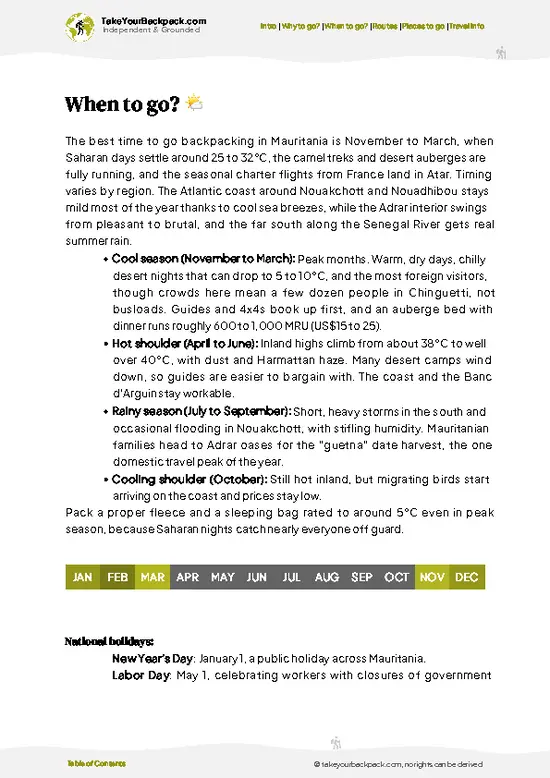
source: climatestotravel.comJANJanuary: excellent for travelingFEBFebruary: excellent for travelingMARMarch: fair for travelingAPRApril: fair for travelingMAYMay: fair for travelingJUNJune: good for travelingJULJuly: good for travelingAUGAugust: good for travelingSEPSeptember: good for travelingOCTOctober: highly recommended for travelingNOVNovember: excellent for travelingDECDecember: excellent for traveling
when-to-go

✈️ The backpacker research shortcutMauritania Travel Guide

An offline-friendly backpacking guide with optimized travel routes, ranked highlights, transport advice, and the best areas to stay.
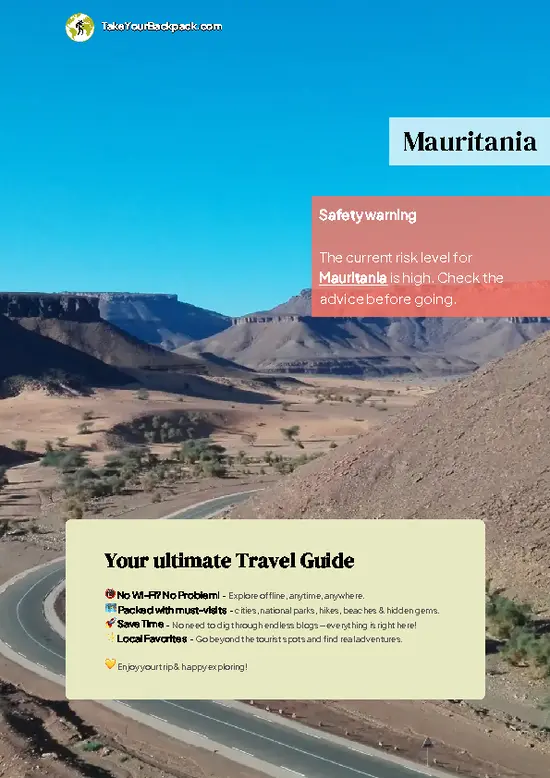
example page 0 from our offline Travel Guide for Mauritania
example page 1 from our offline Travel Guide for Mauritania
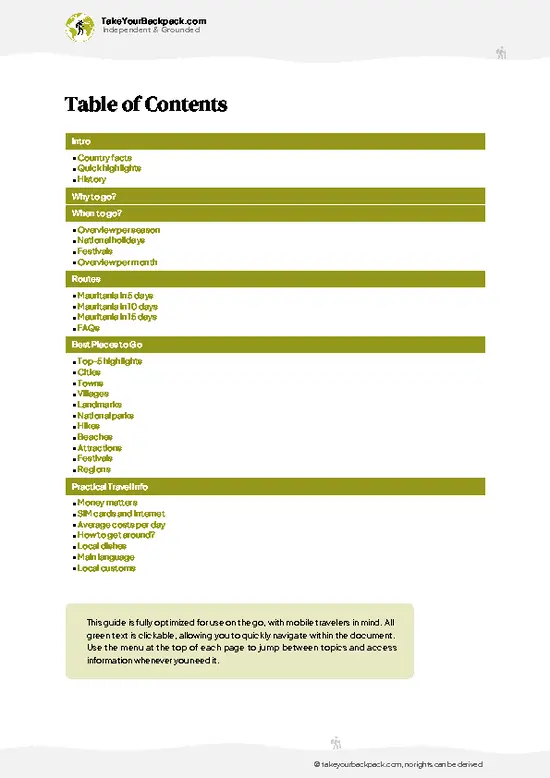
example page 2 from our offline Travel Guide for Mauritania
example page 3 from our offline Travel Guide for Mauritania
example page 4 from our offline Travel Guide for Mauritania
example page 5 from our offline Travel Guide for Mauritania
example page 6 from our offline Travel Guide for Mauritania
example page 7 from our offline Travel Guide for Mauritania
The digital guide (269 pages) contains:
63 highlights, ranked by travel appeal
Optimized 5, 10 & 15-day travel routes
Cities, national parks, landmarks, beaches
How to get around
Offline-friendly for travel without Wi-Fi
👉 Click to see all 30+ guide features

📅 Plan smarter in minutes, not weeks
Month by month travel advice
Festivals & national holidays
Budget expectations

🗺️ Go to the right places, skip the overrated ones
Honest pros & cons of destinations
Top hikes, parks & viewpoints
Lesser-known places most travelers miss
Clear “worth it vs skip it” guidance

🛏️ Travel smoothly without rookie mistakes
Best areas to stay
Transport systems explained simply
Common scams & safety advice
SIM cards, money & practical tips

🌍 Understand the country, not just visit it
Culture & traditions
52 Essential phrases & customs
Festivals worth planning around
Traveler-friendly historical context
Insights that make places more meaningful

📱 Built for real travel conditions
Fully downloadable PDF
Works completely offline
Optimized for phone use
Useful in remote areas & buses
Everything in one place
Save weeks of stressful planning
Get instant access to your full guide. 30‑day money-back guarantee.


By proceeding you agree to our terms.
Sent to your inbox immediately after payment • 100% Secure Checkout
Best Backpacking Travel Advisor 2025 tourism awardBest Backpacking
Travel Advisor
2025
What others say about Take Your Backpack Guides:
⭐⭐⭐⭐⭐
Fantastic, amazing amount of information!
⭐⭐⭐⭐⭐
My goodness this is amazing, it's what I've been looking for hats off too you!
⭐⭐⭐⭐⭐
I think this is absolutely BRILLIANT
⭐⭐⭐⭐
Very complete and informative. It's still missing places, but I gotta to commend you
⭐⭐⭐⭐⭐
This is truly amazing, thank you, can't wait to explore it with my kids!
⭐⭐⭐⭐⭐
Awesome resource, thank you!
⭐⭐⭐⭐⭐
This is amazing! Can't wait to explore the ones I haven't seen
⭐⭐⭐⭐
I love this! Well done, great idea.
⭐⭐⭐⭐⭐
Thanks for taking the time to make this gem!
⭐⭐⭐⭐⭐
This might be the best website I've ever seen.
⭐⭐⭐⭐⭐
Congratulations, and thank you so much for your work; it's incredibly valuable.
⭐⭐⭐⭐
In all seriousness I think you did a great job pointing out the important spots
⭐⭐⭐⭐⭐
10/10 very good
⭐⭐⭐⭐⭐
As someone who's only just starting to visit regularly this is awesome, thank you.
⭐⭐⭐⭐
Thank you very much! I'm going to visit my dad, it's going to be very useful!
⭐⭐⭐⭐⭐
This is really cool! We'll be travelling for the first time and this definitely come in handy.
⭐⭐⭐⭐⭐
You are now our minister of culture, congratulations 👨‍💼
⭐⭐⭐⭐⭐
Just wanted to tell you that this is a pearl! Going to follow your recommendations.
⭐⭐⭐⭐⭐
This is so cool. I'll definitely be using the resource for my travels soon.
⭐⭐⭐⭐⭐
This is very impressive! Good work.
⭐⭐⭐⭐⭐
This is an amazing and informative site. Very well done!

🛏️ Where to stay?Choosing the right base

Boghé’s best spot for backpackers is the area around the central market and riverfront. This neighborhood hums with local life—vendors shouting, the scent of grilled fish mingling with the dry Sahel air. It’s where you’ll find the most budget-friendly guesthouses and a handful of informal hostels, places where travelers swap stories over mint tea. Staying here means stepping into the town’s pulse, not just passing through.

Why this area? It’s safer and more social than the quieter residential zones, where streets can feel deserted after sunset. The market district’s constant activity means you’re … read more 👉
Boghé’s best spot for backpackers is the area around the central market and riverfront. This neighborhood hums with local life—vendors shouting, the scent of grilled fish mingling with the dry Sahel air. It’s where you’ll find the most budget-friendly guesthouses and a handful of informal hostels, places where travelers swap stories over mint tea. Staying here means stepping into the town’s pulse, not just passing through.

Why this area? It’s safer and more social than the quieter residential zones, where streets can feel deserted after sunset. The market district’s constant activity means you’re never far from a friendly face or a shared meal. Plus, the riverfront breeze cuts through the heat, making evening strolls a simple pleasure. Other parts of Boghé lack this mix of accessibility and atmosphere—too isolated or too formal for the solo backpacker craving connection and ease.

🚌 Getting aroundHow to get from A to B

Boghé moves at its own rhythm—less a clock-driven city and more a place where the sun and the river set the pace. The air carries a mix of dust and river freshness, and the streets hum with a blend of purposeful steps and spontaneous stops. You won’t find rigid timetables here; instead, transit flows with a kind of organized chaos that rewards patience and a keen eye. The town’s pulse is in its people, and catching a ride means tuning into their rhythms, not just schedules.


  • Walking: The heart of Boghé is compact enough to explore on foot. Walking lets you soak in the scent of drying fish and the chatter of market vendors. It’s free, flexible, and perfect for navigating narrow alleys where vehicles hesitate.


  • Shared Taxis: These are the backbone of local transit—minivans or cars that
read more 👉
Boghé moves at its own rhythm—less a clock-driven city and more a place where the sun and the river set the pace. The air carries a mix of dust and river freshness, and the streets hum with a blend of purposeful steps and spontaneous stops. You won’t find rigid timetables here; instead, transit flows with a kind of organized chaos that rewards patience and a keen eye. The town’s pulse is in its people, and catching a ride means tuning into their rhythms, not just schedules.


  • Walking: The heart of Boghé is compact enough to explore on foot. Walking lets you soak in the scent of drying fish and the chatter of market vendors. It’s free, flexible, and perfect for navigating narrow alleys where vehicles hesitate.


  • Shared Taxis: These are the backbone of local transit—minivans or cars that fill up before leaving. They don’t run on a strict timetable but start moving once full, usually between 7 a.m. and 6 p.m. Expect to pay a few hundred CFA francs. It’s a bit cramped but fast and direct, especially for trips to nearby towns.


  • Motorcycle Taxis (Motos): When time is tight or streets get too narrow, motos weave through traffic with ease. They’re available from dawn till dusk, costing slightly more than shared taxis but shaving off travel time. Hold on tight and enjoy the breeze and street-level views.


  • River Boats: For a different angle, small boats ply the Senegal River, connecting Boghé to riverside villages. They run irregularly, mostly in the morning, and offer a slow, scenic ride that’s part transport, part local experience. Prices vary but are generally affordable.

👛 Costs (as of 8 June 2025)Typical daily expenses

Backpacking in Boghé, Mauritania, is a raw experience where costs stay modest but the environment demands a bit of savvy budgeting to keep things smooth.
  • Dorm Accommodation: Options are extremely limited here, with no formal hostels. Expect to pay around €5-€10 for a basic guesthouse room. These are simple, often with shared bathrooms and minimal amenities, but clean enough to rest after a dusty day.
  • Meals: Street food and local eateries dominate. A filling meal of traditional Mauritanian fare—think rice, fish, or lamb with spices—runs about €1.50-€3. Fresh fruit and bottled water add small extra costs. Avoiding tourist spots keeps prices low and flavors authentic.
  • Local Transport: Transport is mostly by shared taxis or minibuses. Short rides within town cost roughly €0.50-€1. For longer
read more 👉
Backpacking in Boghé, Mauritania, is a raw experience where costs stay modest but the environment demands a bit of savvy budgeting to keep things smooth.
  • Dorm Accommodation: Options are extremely limited here, with no formal hostels. Expect to pay around €5-€10 for a basic guesthouse room. These are simple, often with shared bathrooms and minimal amenities, but clean enough to rest after a dusty day.
  • Meals: Street food and local eateries dominate. A filling meal of traditional Mauritanian fare—think rice, fish, or lamb with spices—runs about €1.50-€3. Fresh fruit and bottled water add small extra costs. Avoiding tourist spots keeps prices low and flavors authentic.
  • Local Transport: Transport is mostly by shared taxis or minibuses. Short rides within town cost roughly €0.50-€1. For longer trips to nearby villages, budget up to €3. The system is informal, so expect to negotiate and be ready for a bumpy, lively ride.
  • Basic Activities/Entry Fees: Boghé is more about soaking in local life than formal attractions. Entry fees are rare, but if visiting markets or cultural spots, set aside €1-€2 for small donations or tips. Guided tours are scarce and usually arranged locally at higher rates.
  • Miscellaneous Expenses: This covers essentials like bottled water, snacks, phone credit, and occasional extras like laundry. Budget around €1-€2 daily. Keep cash handy, as card payments are almost nonexistent.

Overall, you’re looking at roughly €10-€20 per day to cover the essentials in Boghé. It’s a place where simplicity reigns, and the modest costs reflect the straightforward, unpolished rhythm of life here. Planning with this range in mind keeps your trip grounded and your experience authentic.
⚠️ Prices can change and everyone travels differently, so take this as a rough guide. Hope it helps you plan your adventure!

🚌 Day tripsExploring the surroundings

Boghé, Mauritania, is a backpacker’s dream base for exploring the Sahara’s raw beauty. With its vibrant local culture and proximity to stunning landscapes, you’ll find day trips that are both accessible and rewarding.

Chinguetti
A UNESCO World Heritage site, Chinguetti is a must-see for its ancient libraries and stunning desert architecture. The drive takes about two hours, and you’ll want to budget around $10 for transport. The best time to visit is between November and February when the temperatures are cooler. Don’t miss the chance to wander through the narrow streets and soak in the history; many first-timers rush through without taking the time to appreciate the local stories.
👉 Explore Chinguetti

Ouadane
Just a bit further than Chinguetti, Ouadane offers a glimpse into Mauritania’s … read more 👉
Boghé, Mauritania, is a backpacker’s dream base for exploring the Sahara’s raw beauty. With its vibrant local culture and proximity to stunning landscapes, you’ll find day trips that are both accessible and rewarding.

Chinguetti
A UNESCO World Heritage site, Chinguetti is a must-see for its ancient libraries and stunning desert architecture. The drive takes about two hours, and you’ll want to budget around $10 for transport. The best time to visit is between November and February when the temperatures are cooler. Don’t miss the chance to wander through the narrow streets and soak in the history; many first-timers rush through without taking the time to appreciate the local stories.
👉 Explore Chinguetti

Ouadane
Just a bit further than Chinguetti, Ouadane offers a glimpse into Mauritania’s past with its crumbling stone structures and sweeping desert views. Expect a three-hour journey, costing around $15. The late afternoon light casts a golden hue over the ruins, making it perfect for photography. Many travelers overlook the chance to engage with local guides who can share fascinating tales about the town’s history.
👉 Explore Ouadane

Lake Rkiz
For a refreshing change of scenery, head to Lake Rkiz, about an hour from Boghé. This spot is a birdwatcher’s paradise, especially during the migratory season from October to March. The trip will set you back about $5 for transport. Bring a picnic and enjoy the serene atmosphere; many visitors miss out on the peaceful lakeside experience by rushing back to town too soon.


Terjit Oasis
A hidden oasis about two hours away, Terjit is a lush contrast to the surrounding desert. The journey costs around $12, and the best time to visit is during the cooler months. The scent of palm trees and the sound of flowing water create a tranquil escape. First-timers often forget to bring enough water for the hike back, so pack wisely.
👉 Explore Terjit Oasis

Each of these trips offers a unique slice of Mauritania’s charm, making your stay in Boghé not just a stopover, but a gateway to adventure.
Want to know what more Mauritania offers?
The Mauritania Travel Guide describes 63 highlights, from cities to national parks, from beaches to hikes

Get the Travel Guide -

🛡️ SafetySafety Tips and Common Scams in Boghé

Boghé is generally safe, but a few practical tips can enhance your experience. The bustling market is a vibrant place, but keep your belongings close. Pickpockets can blend in with the crowd, so wear a crossbody bag and keep your phone tucked away.

If you’re traveling solo, be mindful after dark. The streets can feel quiet, and while locals are friendly, it’s best to stick to well-lit areas.

Scams are rare, but some taxi drivers might inflate fares. Always agree on a price before hopping in. Expect the occasional hassle from vendors; a polite but firm “no, thank you” usually does the trick.

Stay aware, carry yourself confidently, and you’ll find that the charm of Boghé shines through the minor annoyances.

Other Mauritanian towns near Boghé

Explore more nearby:

  • Aleg—oasis gardens, livestock market, administrative center| 63 km away
  • Kaédi—Senegal River banks, mud-brick architecture, weekly market, Fulani communities| 94 km away
  • Boutilimit—roadside markets, Sahelian mudbrick, Friday mosque| 116 km away

💡 Not sure where to go next?
Create a personalized itinerary for Mauritania including Boghé and the places that fit your trip.

Generate my itinerary

👉 Discover all towns

Or checkout all Mauritania has to offer (think cities, towns, villages, national parks, hikes, beaches, festivals)
Country photo of Mauritania

We 💚 feedbackFinal thoughts on visiting Boghé

Boghé has a raw, unfiltered vibe that pulls you in. The scent of spices wafts through the bustling market, where locals barter with a warmth that feels like home. Don’t miss the sunset over the Senegal River; it’s a painter’s palette of colors that’ll stop you in your tracks. Just be ready for the heat—stay hydrated and pace yourself. Embrace the chaos; it’s part of the charm. You’ll leave with stories that linger long after you’ve gone.

✍️ Help improve this page!
The information on this page is based on in-depth research, insights shared by experienced travelers, and feedback from the local travel community in Mauritania. While every effort is made to keep the information accurate and current, conditions can change — so if you spot anything incorrect or outdated, please get in touch.


🙋‍♂️ Give feedback

👋 Meet the founderWho’s Behind Take Your Backpack?

Johan, backpacker and founder of TakeYourBackpackHi, I’m Johan (Netherlands 🇳🇱), the creator of TakeYourBackpack. Over the past decade, I’ve backpacked through 80+ countries across six continents, gaining extensive experience with independent travel, long-term trips, and overland routes.

This site is built on a combination of firsthand travel experience and carefully curated insights from other backpackers. Many guides are based on places I’ve personally visited, while others bring together tips, observations, and practical advice shared by trusted travelers I’ve met along the way.

The goal is to provide realistic, experience-driven guidance — not generic itineraries — so you can explore destinations with better context, clearer expectations, and more confidence.

Get full Mauritania guide •
Instant download • 63 highlights • Full Offline guide