v2.webp)
- Cascada de Tamul — The region’s signature drop: a thunderous, 105-meter (ish) waterfall pouring into an emerald river canyon. You get there by boat or a mash-up hike+boat trip, which makes the arrival feel earned. The scale and color of the water are hard to find anywhere else in Mexico.
- Sótano de las Golondrinas — A jaw-dropping open sinkhole where thousands of birds spiral at dawn and dusk. Stand on the rim and watch the vertical choreography, or join experienced guides for rappelling into the abyss if you want an adrenalin shot with a view.
- Las Pozas (Jardín Surrealista de Edward James), Xilitla — Huge concrete sculptures, stairways to nowhere and jungle vines: an impossible surreal garden carved into the cloud forest. It’s more art/architecture/folly than a typical garden — wandering
- Cascada de Tamul — The region’s signature drop: a thunderous, 105-meter (ish) waterfall pouring into an emerald river canyon. You get there by boat or a mash-up hike+boat trip, which makes the arrival feel earned. The scale and color of the water are hard to find anywhere else in Mexico.
- Sótano de las Golondrinas — A jaw-dropping open sinkhole where thousands of birds spiral at dawn and dusk. Stand on the rim and watch the vertical choreography, or join experienced guides for rappelling into the abyss if you want an adrenalin shot with a view.
- Las Pozas (Jardín Surrealista de Edward James), Xilitla — Huge concrete sculptures, stairways to nowhere and jungle vines: an impossible surreal garden carved into the cloud forest. It’s more art/architecture/folly than a typical garden — wandering here feels like exploring someone’s fever dream (in a good way). Personal favorite.
- Tamtoc (archaeological site) — A genuine pre-Hispanic Huastec city with plazas, earthen mounds and surprising female iconography. Small museum on site, quiet trails, and a cultural context that sheds real light on the region beyond waterfalls — perfect if you want history with your hiking.
- Puente de Dios (Tamasopo) — A natural limestone arch that funnels brilliant turquoise pools and a cavern you can swim into. It’s postcard-pretty but the feeling of slipping into a grotto under a living rock bridge is what sticks with you.
- Cascadas de Tamasopo (the pools and falls) — A string of limestone cascades and broad swimming holes framed by jungle. Easy access, great for lazy afternoons, cliff-side photo ops and local families picnicking — more relaxing than “epic” but very Huasteca in vibe.
- Cascadas de Micos — A playground of stepped falls, rope swings and jumpable ledges along the Micos River. Locals run canyoning and guided swims here — more active and less polished than the big sites, so you’ll see how people actually play in the water.
- Minas Viejas (hidden gem) — A cluster of terraced, honey-colored cascades and quiet emerald pools that locals adore but many visitors miss. No huge crowds, great for mellow swims and photos, and a nicer pace if you’ve already done the bigger falls.
- Ciudad Valles market & Son Huasteco nights (hidden gem) — The meat of daily life: markets selling zacahuil tamales, fresh river fish, tropical fruit, and evenings where local violinists play the tight, high-energy huapango/son huasteco. Not a monument, but the best way to feel the region’s culture up close.
- Small towns and community visits around Aquismón/El Naranjo (hidden gem) — Walking markets, roadside food stalls, local craft stalls and humble viewpoints away from the main photo ops. Spend an afternoon in a small pueblo, ask for a local guide, try a traditional meal — you’ll find the everyday Huasteca that doesn’t make the glossy lists.
Spotted a mistake or missing something? Contact us.

Surrealist Garden of Edward James, Castle of Health and Xilitla Nativity

Swallow Show, Tamul Waterfall by canoe and Cenote Cueva del Agua

two days valley trek in the Atlas mountains

Bridge of God and Tambaca Waterfalls

Waterfalls of El Meco and El Salto

Micos waterfalls and old mines

Tour in RZR, CAN-AM or ATV in Xilitla



 Best Backpacking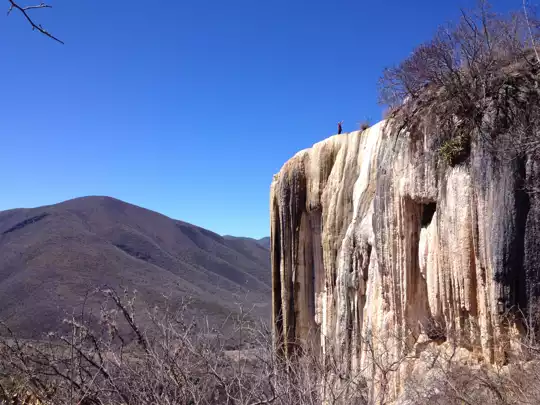
.jpg) Hi, I’m Johan (Netherlands 🇳🇱), the creator of TakeYourBackpack. Over the past decade, I’ve backpacked through 80+ countries across six continents, gaining extensive experience with independent travel, long-term trips, and overland routes.
Hi, I’m Johan (Netherlands 🇳🇱), the creator of TakeYourBackpack. Over the past decade, I’ve backpacked through 80+ countries across six continents, gaining extensive experience with independent travel, long-term trips, and overland routes.