×

Mexico🇲🇽 | regionsTehuacán-Cuicatlán ValleyColumnar cactus forest, fossil hills, mezcal villages, biosphere reserve | things to do and best time to go

Explore Sierra GordaExplore Yucatán Peninsula

Backpacking in Tehuacán-Cuicatlán Valley
UNESCO World Heritage site
👀 For curious travelersregion ranked #10
By Johan Kruseman 🇳🇱 | Updated October 20, 2026

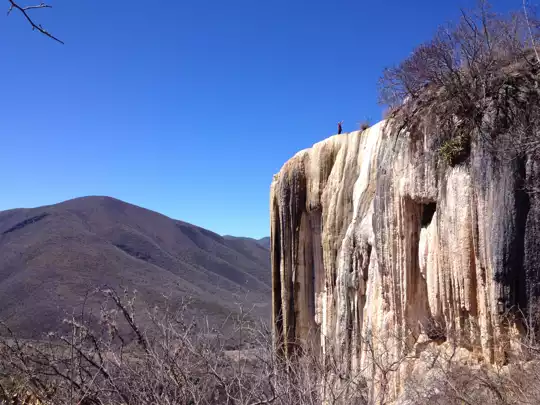
The valley is a UNESCO biosphere reserve, and plenty of travelers assume that means a single park with a gate and a ticket booth. It sprawls across southeastern Puebla and northern Oaxaca in Mexico, with Tehuacán on one end and Cuicatlán on the other. I expected cactus and silence. Near San Juan Raya, I found fossil seashells embedded in the ground beneath candelabra cacti, a desert floor that was once an ocean bed, which made me feel mildly overdressed for a prehistoric beach. Roads are dusty, signage is optimistic, and buses stop when they feel like it, but you get forests of columnar cactus and mineral springs. Unlike nearby Oaxaca’s polished colonial circuit, this valley stays wonderfully unpackaged.

Discover everything you want to know in the 📖 Mexico Travel Guide.


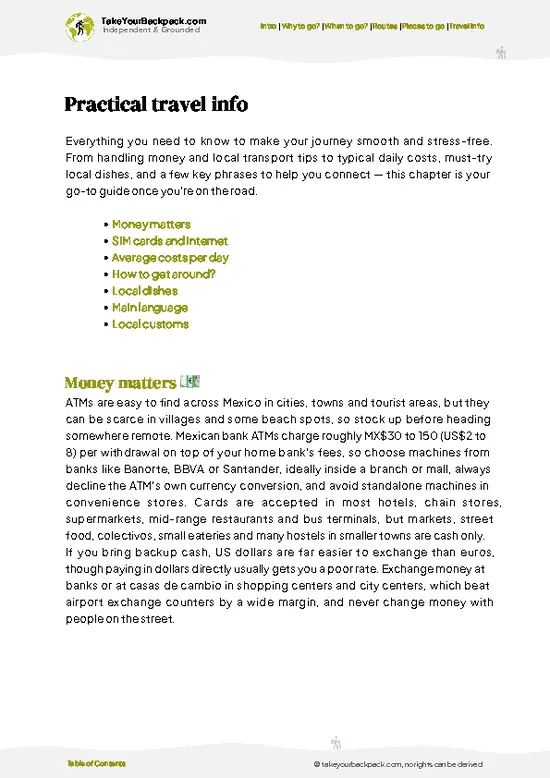
example page 0 from our offline Travel Guide for Mexico
example page 1 from our offline Travel Guide for Mexico
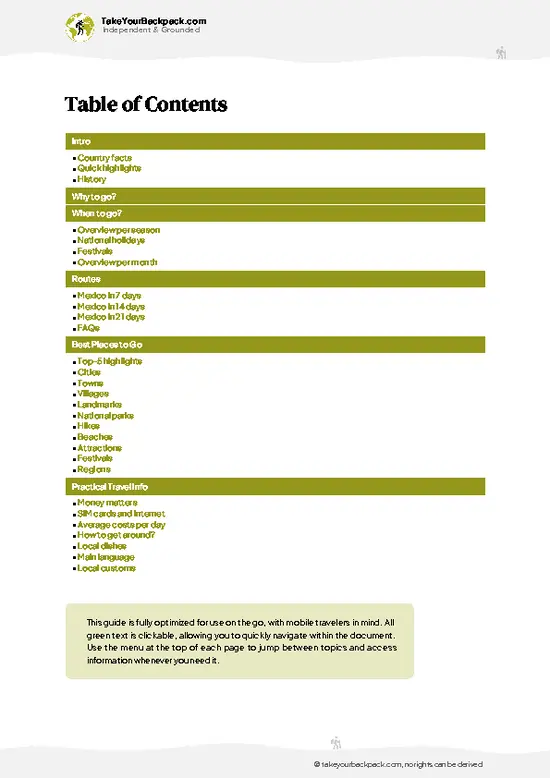
example page 2 from our offline Travel Guide for Mexico
example page 3 from our offline Travel Guide for Mexico
example page 4 from our offline Travel Guide for Mexico
example page 5 from our offline Travel Guide for Mexico
example page 6 from our offline Travel Guide for Mexico
example page 7 from our offline Travel Guide for Mexico
Loading the map 🌍
CLICK TO FILTER
cities
towns
villages
landmarks
national parks
hikes
beaches
attractions
festivals
regions
SHOW COUNTRY’S BESTSHOW ALL

✨ Why go?
Ranked #10 region in Mexico
Reasons people choose to visit here

Tehuacán-Cuicatlán Valley gives you a desert, a fossil bed, a salt-harvesting village and a river canyon without repacking your bag every night. The reason that matters most is the plant life: the reserve holds the densest concentration of columnar cactus on Earth, and you can walk among them on short, easy trails instead of committing to a long expedition. The second reason is the human layer. Zapotitlán Salinas still evaporates salt from ancient brine pools, and nearby botanical gardens and small museums explain how people lived here for roughly 10,000 years, when some of the earliest maize cultivation took place. Transport is the third draw. Tehuacán and Cuicatlán both work as small bases with colectivos and local taxis, so you can pair a morning of cactus-spotting with an afternoon of … read more 👉
Tehuacán-Cuicatlán Valley gives you a desert, a fossil bed, a salt-harvesting village and a river canyon without repacking your bag every night. The reason that matters most is the plant life: the reserve holds the densest concentration of columnar cactus on Earth, and you can walk among them on short, easy trails instead of committing to a long expedition. The second reason is the human layer. Zapotitlán Salinas still evaporates salt from ancient brine pools, and nearby botanical gardens and small museums explain how people lived here for roughly 10,000 years, when some of the earliest maize cultivation took place. Transport is the third draw. Tehuacán and Cuicatlán both work as small bases with colectivos and local taxis, so you can pair a morning of cactus-spotting with an afternoon of mineral springs or a cheap, hearty dinner. Slow travel suits this place because every stop has a story that needs time to land.

💡 HighlightsEssential experiences to have while visiting Tehuacán-Cuicatlán Valley

  1. Zapotitlán Cactus Garden (Jardín Botánico Helia Bravo Hollis): the signature stop, with towering cardón and organ-pipe cacti on a well-marked loop with an entry fee.
  2. Zapotitlán Salinas salt works: families still evaporate brine from ancient springs in shallow pans, and you can watch the process and buy salt directly.
  3. San Juan Raya fossil beds: marine fossils lie among cacti on the hillsides, and a local community guide makes the trip worthwhile.
  4. Reserve Museum Xipe-Totec / Cuicatlán canyon viewpoints: lookouts over the Río Grande canyon show where the desert drops into green valley.
  5. Cuicatlán town and its market: a working market with local fruit, tamales and chocolate, little changed for visitors.
  6. Purrón Dam (Presa Purrón): an ancient dam built by early inhabitants, one of Mesoamerica’s oldest
… read more 👉
  1. Zapotitlán Cactus Garden (Jardín Botánico Helia Bravo Hollis): the signature stop, with towering cardón and organ-pipe cacti on a well-marked loop with an entry fee.
  2. Zapotitlán Salinas salt works: families still evaporate brine from ancient springs in shallow pans, and you can watch the process and buy salt directly.
  3. San Juan Raya fossil beds: marine fossils lie among cacti on the hillsides, and a local community guide makes the trip worthwhile.
  4. Reserve Museum Xipe-Totec / Cuicatlán canyon viewpoints: lookouts over the Río Grande canyon show where the desert drops into green valley.
  5. Cuicatlán town and its market: a working market with local fruit, tamales and chocolate, little changed for visitors.
  6. Purrón Dam (Presa Purrón): an ancient dam built by early inhabitants, one of Mesoamerica’s oldest known engineering projects, reached with a guide.
  7. Agua Azul springs near Tehuacán: mineral water bubbles up near the city, a place locals know for the local bottled water tradition.
  8. Coxcatlán Cave: archaeological cave where very early maize remains were found, rarely visited and best seen with a local guide.
  9. Tehuacán’s historic center: a plaza, a cathedral and a mineral-water culture that earned the city its reputation.
  10. Quiotepec archaeological site: remote ruins where two rivers meet, quiet and seldom visited.
Tehuacán-Cuicatlán Valley takes three to four days to cover well, if you add guides for the remote sites.
Spotted a mistake or missing something? Contact us.

⌛️ 5 days5-day itinerary for Tehuacán-Cuicatlán Valley

Day 1: Tehuacán
Start in Tehuacán in the morning, because the city has the market, mineral-water springs and reliable transport onward. Colectivos and taxis radiate from here, and the desert sites run on irregular schedules, so you want an early departure.
Day 2: Zapotitlán Salinas: Head out for the cactus garden and the salt pans. Cool morning light shows the cacti at their best and the village makes lunch simple. Return by afternoon colectivo.
Day 3: San Juan Raya: Arrange a local guide for the fossil beds. Transport here is thin, so the pace is slow and the stop deserves half a day. A detour to Coxcatlán Cave adds archaeology without changing your base.
Day 4: Cuicatlán: Move south by bus to Cuicatlán, where the climate softens and the market fills mornings. Canyon viewpoints reward an unhurried … read more 👉
Day 1: Tehuacán
Start in Tehuacán in the morning, because the city has the market, mineral-water springs and reliable transport onward. Colectivos and taxis radiate from here, and the desert sites run on irregular schedules, so you want an early departure.
Day 2: Zapotitlán Salinas: Head out for the cactus garden and the salt pans. Cool morning light shows the cacti at their best and the village makes lunch simple. Return by afternoon colectivo.
Day 3: San Juan Raya: Arrange a local guide for the fossil beds. Transport here is thin, so the pace is slow and the stop deserves half a day. A detour to Coxcatlán Cave adds archaeology without changing your base.
Day 4: Cuicatlán: Move south by bus to Cuicatlán, where the climate softens and the market fills mornings. Canyon viewpoints reward an unhurried afternoon.
Day 5: Purrón or Quiotepec: Use your last day for the remote ancient dam or river-meeting ruins, arranged with a local guide. If one day justifies the whole trip, I pick Day 3, because walking over a former seabed among giant cacti is an experience that simply does not exist anywhere else.

🌤️ When to go?When to go for the best experience

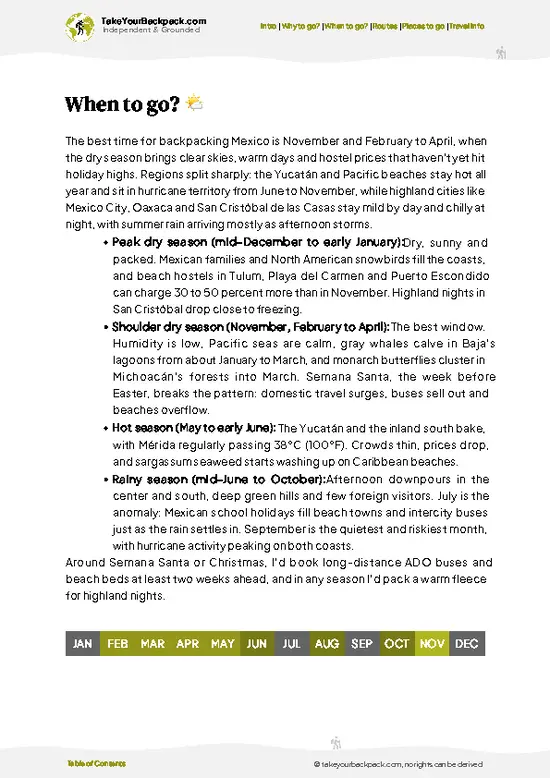
November to March is the easiest window, with dry days, cool nights and the columnar cacti standing out against clear light.
  • Cool Dry Season (November to February): Days reach 22 to 28°C (72 to 82°F) and nights in Tehuacán can drop to 6 to 10°C (43 to 50°F). Daylight runs about 11 hours. Trails are firm and crowds stay thin, apart from holiday weeks.
  • Hot Dry Season (March to May): Afternoons climb to 32 to 38°C (90 to 100°F). Hike at dawn only. Cacti bloom and prices stay low.
  • Rainy Season (June to October): Showers come mostly in the afternoon, with highs of 26 to 32°C (79 to 90°F). Hills turn green, dirt roads get muddy and daylight stretches to about 13 hours. Lodging is cheapest.
Book Semana Santa and late December rooms early, since Tehuacán fills with Mexican weekenders.

source: climatestotravel.comJANJanuary: excellent for travelingFEBFebruary: excellent for travelingMARMarch: highly recommended for travelingAPRApril: highly recommended for travelingMAYMay: fair for travelingJUNJune: fair for travelingJULJuly: below average for travelingAUGAugust: below average for travelingSEPSeptember: fair for travelingOCTOctober: good for travelingNOVNovember: excellent for travelingDECDecember: highly recommended for traveling
mexico-region-tehuacan-cuicatlan-valley
© Google | Mario Sánchez

✈️ The backpacker research shortcutMexico Travel Guide

An offline-friendly backpacking guide with optimized travel routes, ranked highlights, transport advice, and the best areas to stay.
example page 0 from our offline Travel Guide for Mexico
example page 1 from our offline Travel Guide for Mexico
example page 2 from our offline Travel Guide for Mexico
example page 3 from our offline Travel Guide for Mexico
example page 4 from our offline Travel Guide for Mexico
example page 5 from our offline Travel Guide for Mexico
example page 6 from our offline Travel Guide for Mexico
example page 7 from our offline Travel Guide for Mexico
The digital guide (402 pages) contains:
✅ 138 highlights, ranked by travel appeal
✅ Optimized 7, 14 & 21-day travel routes
✅ Cities, national parks, landmarks, beaches
✅ How to get around
✅ Offline-friendly for travel without Wi-Fi
👉 Click to see all 30+ guide features

📅 Plan smarter in minutes, not weeks
✅ Month by month travel advice
✅ Festivals & national holidays
✅ Budget expectations

🗺️ Go to the right places, skip the overrated ones
✅ Honest pros & cons of destinations
✅ Top hikes, parks & viewpoints
✅ Lesser-known places most travelers miss
✅ Clear “worth it vs skip it” guidance

🛏️ Travel smoothly without rookie mistakes
✅ Best areas to stay
✅ Transport systems explained simply
✅ Common scams & safety advice
✅ SIM cards, money & practical tips

🌍 Understand the country, not just visit it
✅ Culture & traditions
✅ 52 Essential phrases & customs
✅ Festivals worth planning around
✅ Traveler-friendly historical context
✅ Insights that make places more meaningful

📱 Built for real travel conditions
✅ Fully downloadable PDF
✅ Works completely offline
✅ Optimized for phone use
✅ Useful in remote areas & buses
✅ Everything in one place
Stop searching, start planning
Get instant access to your full guide. 30‑day money-back guarantee.
+ Add another guide for just

By proceeding you agree to our terms.
Sent to your inbox immediately after payment • 100% Secure Checkout
Best Backpacking Travel Advisor 2025 tourism awardBest Backpacking
Travel Advisor
2025
What others say about Take Your Backpack Guides:
⭐⭐⭐⭐⭐
Fantastic, amazing amount of information!
⭐⭐⭐⭐⭐
My goodness this is amazing, it's what I've been looking for hats off too you!
⭐⭐⭐⭐⭐
I think this is absolutely BRILLIANT
⭐⭐⭐⭐
Very complete and informative. It's still missing places, but I gotta to commend you
⭐⭐⭐⭐⭐
This is truly amazing, thank you, can't wait to explore it with my kids!
⭐⭐⭐⭐⭐
Awesome resource, thank you!
⭐⭐⭐⭐⭐
This is amazing! Can't wait to explore the ones I haven't seen
⭐⭐⭐⭐
I love this! Well done, great idea.
⭐⭐⭐⭐⭐
Thanks for taking the time to make this gem!
⭐⭐⭐⭐⭐
This might be the best website I've ever seen.
⭐⭐⭐⭐⭐
Congratulations, and thank you so much for your work; it's incredibly valuable.
⭐⭐⭐⭐
In all seriousness I think you did a great job pointing out the important spots
⭐⭐⭐⭐⭐
10/10 very good
⭐⭐⭐⭐⭐
As someone who's only just starting to visit regularly this is awesome, thank you.
⭐⭐⭐⭐
Thank you very much! I'm going to visit my dad, it's going to be very useful!
⭐⭐⭐⭐⭐
This is really cool! We'll be travelling for the first time and this definitely come in handy.
⭐⭐⭐⭐⭐
You are now our minister of culture, congratulations 👨‍💼
⭐⭐⭐⭐⭐
Just wanted to tell you that this is a pearl! Going to follow your recommendations.
⭐⭐⭐⭐⭐
This is so cool. I'll definitely be using the resource for my travels soon.
⭐⭐⭐⭐⭐
This is very impressive! Good work.
⭐⭐⭐⭐⭐
This is an amazing and informative site. Very well done!

🛏️ Where to stay?Best areas to stay in Mexico

Tehuacán is the most practical base, with the widest choice of budget rooms, a lively central square and frequent buses and colectivos to the rest of the valley. It is a working city rather than a resort, so you meet local families on weekends and few other backpackers, but it is safe and walkable around the zócalo, and mineral water bottling plants keep it quirky.
Zapotitlán Salinas suits you if the cacti are the point. Small guesthouses and cabins sit minutes from the botanical garden and the salt pans, nights are silent and star-heavy, and local guides are easy to arrange in the village. Expect … read more 👉
Tehuacán is the most practical base, with the widest choice of budget rooms, a lively central square and frequent buses and colectivos to the rest of the valley. It is a working city rather than a resort, so you meet local families on weekends and few other backpackers, but it is safe and walkable around the zócalo, and mineral water bottling plants keep it quirky.
Zapotitlán Salinas suits you if the cacti are the point. Small guesthouses and cabins sit minutes from the botanical garden and the salt pans, nights are silent and star-heavy, and local guides are easy to arrange in the village. Expect simple rooms and few evening options.
Cuicatlán, at the Oaxaca end of the valley, is calm and friendly, with modest lodging, riverside walks and access to the canyon landscapes. It makes a good pause on the way between Puebla and Oaxaca.
San Juan Raya and similar villages offer rustic homestays for fossil and archaeology fans, but book ahead and bring cash.

🚌 Getting aroundGetting around like a local

A shared colectivo van between valley towns costs about US$1 to 4, paid in cash pesos to the driver once you are rolling. Most backpackers use buses for the long hops and colectivos or taxis for the last stretch to a trailhead, and it works well if you accept that schedules are more of a suggestion than a promise.
  • Colectivo vans: They link Tehuacán, Zapotitlán Salinas and smaller towns for US$1 to 4, leave when full and drop you at the cactus garden gate with a view of thousands of columnar cacti.
  • Second-class and ADO buses: Puebla to Tehuacán takes roughly 2 to 2.5 hours for US$8 to 14, and Oaxaca to Cuicatlán about 2.5 to 3 hours for US$8 to 12. Seats recline, the air conditioning is optional, and you arrive with a window full of mountains.
  • Taxis: Within Tehuacán a ride is US$2 to 4. Full-day
… read more 👉
A shared colectivo van between valley towns costs about US$1 to 4, paid in cash pesos to the driver once you are rolling. Most backpackers use buses for the long hops and colectivos or taxis for the last stretch to a trailhead, and it works well if you accept that schedules are more of a suggestion than a promise.
  • Colectivo vans: They link Tehuacán, Zapotitlán Salinas and smaller towns for US$1 to 4, leave when full and drop you at the cactus garden gate with a view of thousands of columnar cacti.
  • Second-class and ADO buses: Puebla to Tehuacán takes roughly 2 to 2.5 hours for US$8 to 14, and Oaxaca to Cuicatlán about 2.5 to 3 hours for US$8 to 12. Seats recline, the air conditioning is optional, and you arrive with a window full of mountains.
  • Taxis: Within Tehuacán a ride is US$2 to 4. Full-day hires to Zapotitlán or the salt flats run about US$40 to 70, and the driver will usually decide where lunch happens, which is often a good outcome.
  • Hitching and walking: Pickup trucks carry people between hamlets for a few dollars. You stand in the bed, hold on, and get the best seat in the valley for the dust and the ridgelines.
  • Rental car: From about US$35 a day in Puebla or Oaxaca. Topes (speed bumps) appear without warning, so you will meet each one personally, but you reach remote canyons and viewpoints on your own schedule.
Start early, carry small bills and buy onward tickets in the morning, because afternoon colectivos thin out fast.

🍲 FoodWhat to Eat & Drink

Tehuacán is the place for mole de caderas, a goat stew from the Tehuacán area that is earthy, dried-chile smoky and often sipped from a bowl, with the bone-in meat falling apart. Look for cabrito grilled over wood, tamales wrapped in banana or corn leaf and tlacoyos sizzling on a comal.
The valley is famous for its mineral water, so try a cold agua mineral in a glass bottle, plus mezcal poured in small clay cups from local agave. In Zapotitlán you can taste cactus fruit sweets and pitaya juice.
Eat at the market fondas for set lunches (comida corrida) at about US$3 to 6, at street stalls around the zócalo in the evening, and at family restaurants where the cook decides the salsa heat. Cafés are small and serve strong Puebla coffee.
Customs are simple: greet people when you enter, eat tacos by … read more 👉
Tehuacán is the place for mole de caderas, a goat stew from the Tehuacán area that is earthy, dried-chile smoky and often sipped from a bowl, with the bone-in meat falling apart. Look for cabrito grilled over wood, tamales wrapped in banana or corn leaf and tlacoyos sizzling on a comal.
The valley is famous for its mineral water, so try a cold agua mineral in a glass bottle, plus mezcal poured in small clay cups from local agave. In Zapotitlán you can taste cactus fruit sweets and pitaya juice.
Eat at the market fondas for set lunches (comida corrida) at about US$3 to 6, at street stalls around the zócalo in the evening, and at family restaurants where the cook decides the salsa heat. Cafés are small and serve strong Puebla coffee.
Customs are simple: greet people when you enter, eat tacos by hand, and ask for the bill (“la cuenta”) since it rarely arrives unprompted. Tip around 10 percent, and carry cash for stalls.

FAQCommon questions from travelers

Two to three days covers the main highlights of Tehuacán-Cuicatlán Valley. Spend one day at the Zapotitlán Salinas botanical garden and the salt flats, one in Tehuacán for the mole and the mineral water culture, and add a third for canyon scenery near Cuicatlán or fossil sites at San Juan Raya.
Getting around Tehuacán-Cuicatlán Valley without a car is straightforward using buses and colectivo vans. Buses from Puebla to Tehuacán take about 2 to 2.5 hours for US$8 to 14, and colectivos to Zapotitlán Salinas cost roughly US$1 to 3. For remote sites a taxi for the day costs about US$40 to 70.
Tehuacán-Cuicatlán Valley is known for having the densest concentration of columnar cacti in the world, which earned it UNESCO World Heritage status in 2018 as a biosphere reserve and cultural site. It is also known for Zapotitlán Salinas, where salt has been harvested for centuries, for Tehuacán mineral water, and for mole de caderas, a goat stew. Many visitors come for the cacti gardens, ancient irrigation canals and fossil sites.
⚠️ Things can change over time, so always validate details locally before you go.

Other Mexican regions near Tehuacán-Cuicatlán Valley

Explore more nearby:

  • Oaxaca Coast—Surf breaks, turtle beaches, Zipolite sands, Huatulco bays| 296 km away
  • La Huasteca Potosina—Turquoise waterfalls, sinkhole birds, surreal jungle garden, son huasteco| 380 km away
  • Sierra Gorda—Franciscan missions, biosphere canyons, Pinal de Amoles trails, family guesthouses| 396 km away

💡 Not sure where to go next?
Create a personalized itinerary for Mexico including Tehuacán-Cuicatlán Valley and the places that fit your trip.

Generate my itinerary

👉 Discover all regions

Or checkout all Mexico has to offer (think cities, towns, villages, national parks, hikes, beaches, festivals)
Country photo of Mexico

We 💚 feedbackWhat to keep in mind

Tehuacán-Cuicatlán Valley rewards anyone who looks down as well as up. The columnar cacti get the photos, but the salt flats near Zapotitlán Salinas, where families still evaporate brine in shallow pans, tell you how people actually lived here. I would hire a local guide for the cactus garden and stay for the salt. Roads are slow, so plan fewer stops.

✈️ When did I visit Mexico?
As part of my 1.5 year travel around the world trip, I visited Mexico in February and March 2016. Had to hurry a bit as I didn’t want to miss the free performance of the Rolling Stones in Cuba.

✍️ Help improve this page!
The information on this page is based on my own backpacking experience in Mexico, supplemented with up-to-date research and feedback from other travelers. Travel details can change, so if you notice anything outdated or incomplete, feel free to let me know.


🙋‍♂️ Give feedback

👋 Meet the founderWho’s Behind Take Your Backpack?

Johan, backpacker and founder of TakeYourBackpackHi, I’m Johan (Netherlands 🇳🇱), the creator of TakeYourBackpack. Over the past 3 decades, I’ve backpacked through 90+ countries across six continents, gaining extensive experience with independent travel, long-term trips, and overland routes.

This site is built on a combination of firsthand travel experience and carefully curated insights from other backpackers. Many guides are based on places I’ve personally visited, while others bring together tips, observations, and practical advice shared by trusted travelers I’ve met along the way.

The goal is to provide realistic, experience-driven guidance — not generic itineraries — so you can explore destinations with better context, clearer expectations, and more confidence.