How many regions to visit: Three regions is the number I would advise for a typical 3 to 4 week trip, and two for anything under two weeks. The logic is arithmetic. Mexico’s long bus rides eat roughly a day each time you switch, and each region needs at least four or five days before it stops being a blur of plazas. Beyond three, you are collecting names rather than places, and your
travel time will rival your sightseeing time.
Choosing between kinds of regions: Pick by what you want from the trip. If
culture and food are the priority, favor the central and southern highlands, where markets, craft villages and Indigenous festivals run on their own calendar. If
archaeology and jungle matter most, the south and the Yucatán give you pyramids, cenotes and rainforest, though you pay for the popular …
read more 👉 How many regions to visit: Three regions is the number I would advise for a typical 3 to 4 week trip, and two for anything under two weeks. The logic is arithmetic. Mexico’s long bus rides eat roughly a day each time you switch, and each region needs at least four or five days before it stops being a blur of plazas. Beyond three, you are collecting names rather than places, and your travel time will rival your sightseeing time.
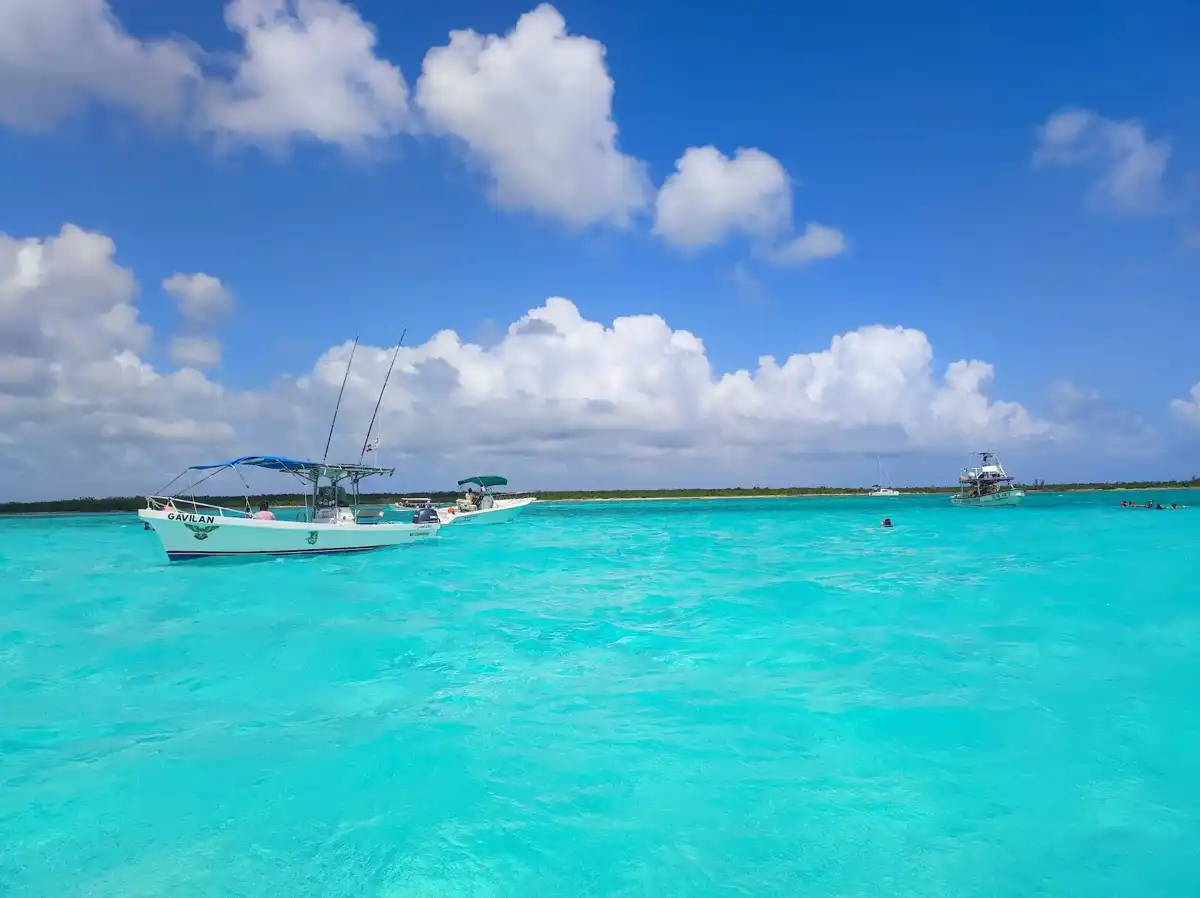
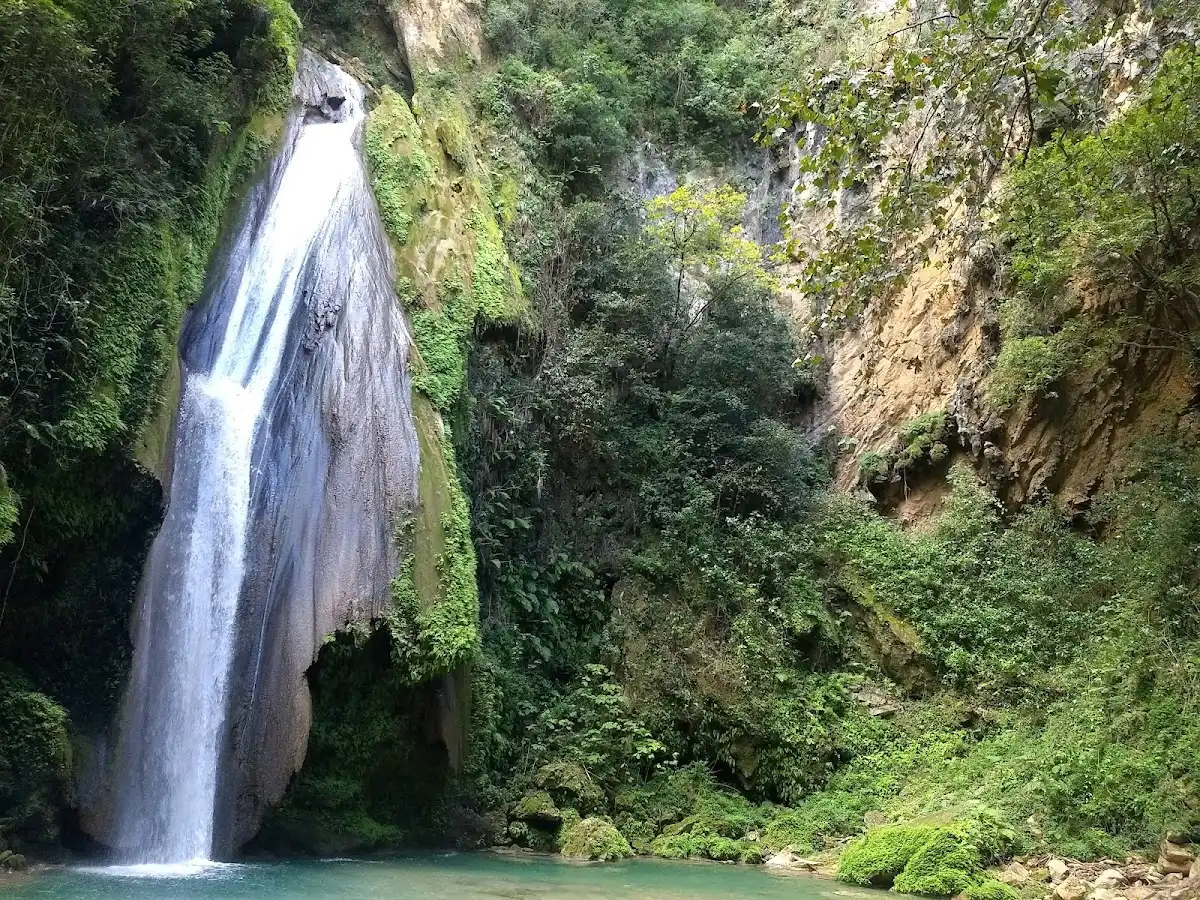
Choosing between kinds of regions: Pick by what you want from the trip. If culture and food are the priority, favor the central and southern highlands, where markets, craft villages and Indigenous festivals run on their own calendar. If archaeology and jungle matter most, the south and the Yucatán give you pyramids, cenotes and rainforest, though you pay for the popular sites. If you want beaches and surf, the Pacific side is more relaxed and cheaper than the Caribbean, which charges resort prices even for a bottle of water. Deserts and the far north suit road-trippers and people who like empty horizons, but they reward those with a car and time more than a bus pass.
What it costs: Budget travelers can manage on US$30 to 50 a day in the highlands and south, covering a dorm bed at US$10 to 18, street food and market meals at US$3 to 8, and local transport. On the Caribbean coast and in tourist-heavy beach towns, expect US$50 to 80, because dorms and meals cost noticeably more. Long-distance buses run about US$1 to 3 per hour of travel in comfortable classes. Archaeological site entry usually costs about 90 to 600 pesos (roughly US$5 to 32), with the most famous Maya sites at the top of that range. Local guides at ruins charge around 500 to 1,200 pesos (US$27 to 65) for a group tour, and cenote or reserve fees add 100 to 500 pesos each. A realistic per-region spend on activities is US$60 to 150, and more if you add diving or multi-day tours.
Crowds and the honest trade-off: The big-name sites are crowded, particularly between 10 a.m. and 2 p.m. and in the winter high season. Arriving at opening time, usually 8 a.m., cuts the crush and the heat at once. Tour buses from resorts tend to land mid-morning, which gives early birds a brief, quiet window. What justifies the journey is the detail: markets where regional ingredients appear nowhere else, villages with their own weaving traditions, and food that changes noticeably every few hundred kilometers.
Safety and cultural considerations: Safety in Mexico is local, not national. Many tourist regions are routinely visited without incident, while some areas carry government travel advisories, so check current guidance for each state before booking. Use first-class or luxury buses, travel by day on long routes, and avoid driving at night on rural highways. Petty theft in crowded markets and stations is the most common issue, so keep valuables out of back pockets.
Culturally, greet people with buenos días or buenas tardes before asking anything, as skipping it reads as rude. Ask before photographing people, especially in Indigenous communities where some villages restrict photography or charge a fee. Dress modestly in churches and rural towns. Tap water is generally not drinkable, so use bottled or filtered water, and carry small bills and coins because many small vendors cannot break a 500-peso note. Tipping 10 to 15 percent in restaurants is normal.





 Best Backpacking
 Hi, I’m Johan (Netherlands 🇳🇱), the creator of TakeYourBackpack. Over the past 3 decades, I’ve backpacked through 90+ countries across six continents, gaining extensive experience with independent travel, long-term trips, and overland routes.