×

Mexico🇲🇽 | national parksNevado de TolucaTwin crater lakes, 4,680-meter rim, volcanic gravel, drive-in summit | things to do and best time to go

Explore Isla ContoyExplore Sumidero Canyon

Backpacking in Nevado de Toluca
🌟 Highlightnational park ranked #9
By Johan Kruseman 🇳🇱 | Updated October 20, 2026

The two crater lakes, El Sol and La Luna, sit inside the volcano's caldera at about 4,200 meters, and you reach them by walking down a short, steep path from the crater rim. Nevado de Toluca lies southwest of Mexico City, in the State of Mexico, and the rough road up to the crater is half the fun. My mistake was strolling off toward the lakes with no thought for the climb back, then spending the return puffing at a pace a patient burro would mock. Lesson learned: descend slowly, rest often, and enjoy the green-blue water of El Sol. Crowds thin out on weekdays, wildlife is mostly birds and hardy pines, and the vibe is quiet and windswept. Hikers who like high places will love it; anyone wanting soft, easy strolls will not.

Discover everything you want to know in the 📖 Mexico Travel Guide.


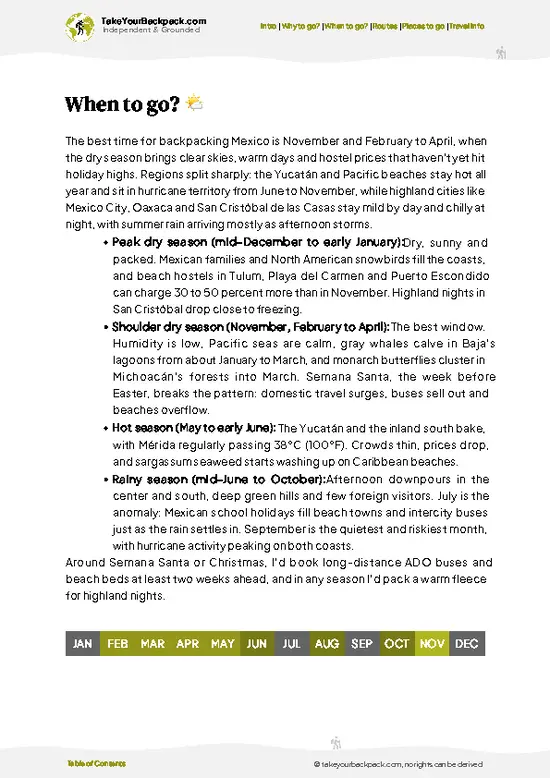
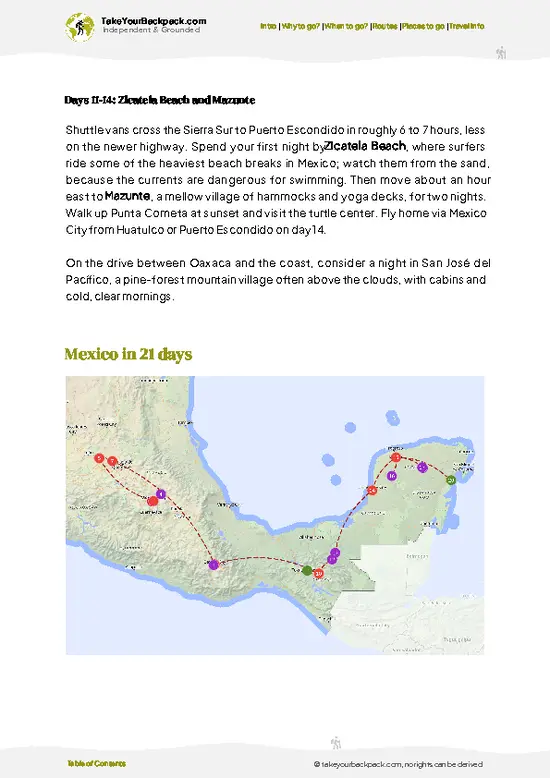
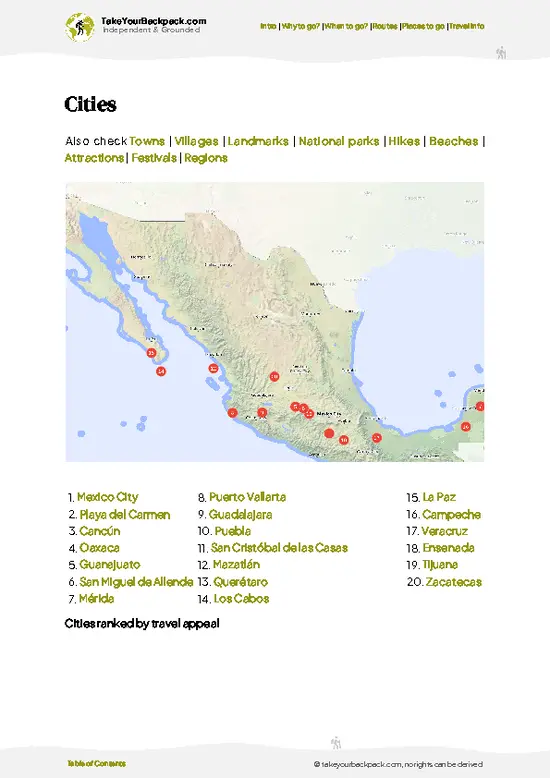
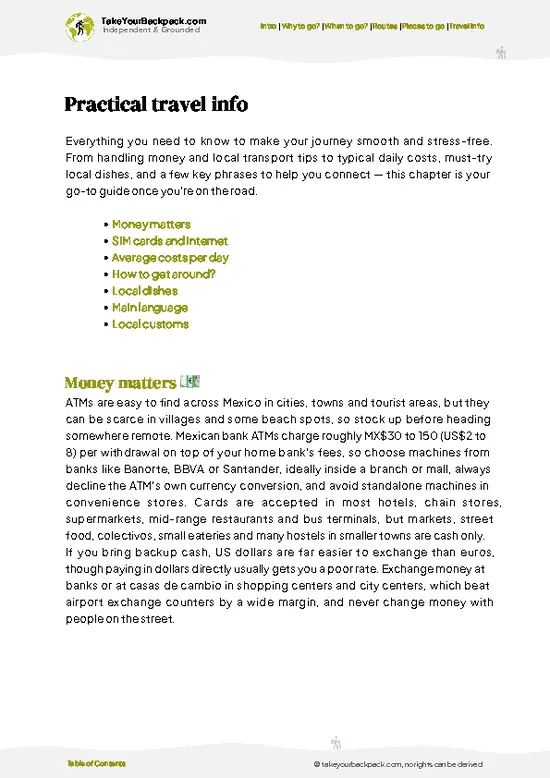
example page 0 from our offline Travel Guide for Mexico
example page 1 from our offline Travel Guide for Mexico
example page 2 from our offline Travel Guide for Mexico
example page 3 from our offline Travel Guide for Mexico
example page 4 from our offline Travel Guide for Mexico
example page 5 from our offline Travel Guide for Mexico
example page 6 from our offline Travel Guide for Mexico
example page 7 from our offline Travel Guide for Mexico
Loading the map 🌍
CLICK TO FILTER
cities
towns
villages
landmarks
national parks
hikes
beaches
attractions
festivals
regions
SHOW COUNTRY’S BESTSHOW ALL

✨ Why go?
Ranked #9 national park in Mexico
The unique appeal for travelers

Nevado de Toluca suits backpackers who like to plan their own day rather than follow a guide with a flag. The park has no mandatory tours, so you pick your own pace on the crater floor and rim. The main draw is the twin lakes of El Sol and La Luna, reached on foot from the parking area near the crater rim. At about 4,680 meters at the summit of Pico del Fraile, this is one of the few places in Mexico where you can stand on a volcano's edge without technical gear, which makes it a fine altitude test before bigger peaks like Iztaccíhuatl. Trail variety is modest but varied enough: crater floor, rim ridge, and forest tracks below. Camping is simple and cheap, so budget travelers can stretch a trip into an overnight without much planning.

💡 HighlightsMust-see experiences and standout moments

  1. Laguna del Sol and Laguna de la Luna: Two crater lakes at around 4,200 meters. El Sol is the larger, and both are reached by a short walk down from the crater floor.
  2. Crater rim walk: A ridge path circling the caldera with wide views over the Toluca valley and, on clear days, distant volcanoes.
  3. Pico del Fraile: The highest point of the rim at roughly 4,680 meters, reached by a steep scramble over loose volcanic gravel.
  4. Pico del Águila: A slightly lower summit on the rim, with a different angle on the lakes and the crater walls.
  5. Crater floor and the Ombligo: The central dome rising between the lakes, with the strange moonlike feel of old volcanic rock.
  6. Alpine forest below the crater: Pine and fir woodland along the access road, good for birdwatching and quiet walks.
  7. Rumbling drive to the crater: A
… read more 👉
  1. Laguna del Sol and Laguna de la Luna: Two crater lakes at around 4,200 meters. El Sol is the larger, and both are reached by a short walk down from the crater floor.
  2. Crater rim walk: A ridge path circling the caldera with wide views over the Toluca valley and, on clear days, distant volcanoes.
  3. Pico del Fraile: The highest point of the rim at roughly 4,680 meters, reached by a steep scramble over loose volcanic gravel.
  4. Pico del Águila: A slightly lower summit on the rim, with a different angle on the lakes and the crater walls.
  5. Crater floor and the Ombligo: The central dome rising between the lakes, with the strange moonlike feel of old volcanic rock.
  6. Alpine forest below the crater: Pine and fir woodland along the access road, good for birdwatching and quiet walks.
  7. Rumbling drive to the crater: A dirt-and-paved road that lets vehicles reach the crater floor, an unusual way to arrive at 4,000 meters.
Nevado de Toluca can be seen in full in one long day, with about four to six hours on the crater floor and rim.
Spotted a mistake or missing something? Contact us.

Things to do near Nevado de Toluca

Ratings based on Tripadvisor reviews. When you book through this link, you support our work at no extra cost to you.

🌤️ When to go?Best time to explore Nevado de Toluca

  • Dry Season (November to April): Crisp, clear mornings give the best crater views. Days reach 8 to 14°C (46 to 57°F) at the lakes, nights drop below freezing, and snow or ice can dust the rim from December to February. Weekends bring the biggest crowds.
  • Spring (March to May): Stable weather and the warmest days, with highs near 15°C (59°F) on the rim. Holy Week fills the parking areas.
  • Rainy Season (June to October): Afternoon storms roll in around the 4,200 m crater, lightning is a real risk on the rim, and the trails turn muddy. Lakes look greener and the park is quiet.
Daylight stays roughly 11 to 13 hours all year, so start by 8 a.m. to be off the rim before clouds build. Entry costs stay flat, and only weekend transport from Toluca gets busier.

source: climatestotravel.comJANJanuary: highly recommended for travelingFEBFebruary: excellent for travelingMARMarch: excellent for travelingAPRApril: excellent for travelingMAYMay: fair for travelingJUNJune: fair for travelingJULJuly: below average for travelingAUGAugust: below average for travelingSEPSeptember: fair for travelingOCTOctober: fair for travelingNOVNovember: highly recommended for travelingDECDecember: good for traveling
mexico-national-park-nevado-de-toluca
© Google | Emanuel Charcas

✈️ The backpacker research shortcutMexico Travel Guide

An offline-friendly backpacking guide with optimized travel routes, ranked highlights, transport advice, and the best areas to stay.
example page 0 from our offline Travel Guide for Mexico
example page 1 from our offline Travel Guide for Mexico
example page 2 from our offline Travel Guide for Mexico
example page 3 from our offline Travel Guide for Mexico
example page 4 from our offline Travel Guide for Mexico
example page 5 from our offline Travel Guide for Mexico
example page 6 from our offline Travel Guide for Mexico
example page 7 from our offline Travel Guide for Mexico
The digital guide (402 pages) contains:
✅ 138 highlights, ranked by travel appeal
✅ Optimized 7, 14 & 21-day travel routes
✅ Cities, national parks, landmarks, beaches
✅ How to get around
✅ Offline-friendly for travel without Wi-Fi
👉 Click to see all 30+ guide features

📅 Plan smarter in minutes, not weeks
✅ Month by month travel advice
✅ Festivals & national holidays
✅ Budget expectations

🗺️ Go to the right places, skip the overrated ones
✅ Honest pros & cons of destinations
✅ Top hikes, parks & viewpoints
✅ Lesser-known places most travelers miss
✅ Clear “worth it vs skip it” guidance

🛏️ Travel smoothly without rookie mistakes
✅ Best areas to stay
✅ Transport systems explained simply
✅ Common scams & safety advice
✅ SIM cards, money & practical tips

🌍 Understand the country, not just visit it
✅ Culture & traditions
✅ 52 Essential phrases & customs
✅ Festivals worth planning around
✅ Traveler-friendly historical context
✅ Insights that make places more meaningful

📱 Built for real travel conditions
✅ Fully downloadable PDF
✅ Works completely offline
✅ Optimized for phone use
✅ Useful in remote areas & buses
✅ Everything in one place
Stop searching, start planning
Get instant access to your full guide. 30‑day money-back guarantee.
+ Add another guide for just

By proceeding you agree to our terms.
Sent to your inbox immediately after payment • 100% Secure Checkout
Best Backpacking Travel Advisor 2025 tourism awardBest Backpacking
Travel Advisor
2025
What others say about Take Your Backpack Guides:
⭐⭐⭐⭐⭐
Fantastic, amazing amount of information!
⭐⭐⭐⭐⭐
My goodness this is amazing, it's what I've been looking for hats off too you!
⭐⭐⭐⭐⭐
I think this is absolutely BRILLIANT
⭐⭐⭐⭐
Very complete and informative. It's still missing places, but I gotta to commend you
⭐⭐⭐⭐⭐
This is truly amazing, thank you, can't wait to explore it with my kids!
⭐⭐⭐⭐⭐
Awesome resource, thank you!
⭐⭐⭐⭐⭐
This is amazing! Can't wait to explore the ones I haven't seen
⭐⭐⭐⭐
I love this! Well done, great idea.
⭐⭐⭐⭐⭐
Thanks for taking the time to make this gem!
⭐⭐⭐⭐⭐
This might be the best website I've ever seen.
⭐⭐⭐⭐⭐
Congratulations, and thank you so much for your work; it's incredibly valuable.
⭐⭐⭐⭐
In all seriousness I think you did a great job pointing out the important spots
⭐⭐⭐⭐⭐
10/10 very good
⭐⭐⭐⭐⭐
As someone who's only just starting to visit regularly this is awesome, thank you.
⭐⭐⭐⭐
Thank you very much! I'm going to visit my dad, it's going to be very useful!
⭐⭐⭐⭐⭐
This is really cool! We'll be travelling for the first time and this definitely come in handy.
⭐⭐⭐⭐⭐
You are now our minister of culture, congratulations 👨‍💼
⭐⭐⭐⭐⭐
Just wanted to tell you that this is a pearl! Going to follow your recommendations.
⭐⭐⭐⭐⭐
This is so cool. I'll definitely be using the resource for my travels soon.
⭐⭐⭐⭐⭐
This is very impressive! Good work.
⭐⭐⭐⭐⭐
This is an amazing and informative site. Very well done!

🛏️ Where to stay?Choosing the right base

Nobody sleeps comfortably inside the park, so most backpackers stay in Toluca, about 45 minutes by road below the crater. Toluca has hostels and budget hotels around the Portales arcades and the bus terminal, with dorm beds around US$12 to 20 and private rooms from US$30 to 50. It also has the best food and the easiest morning transport.

For an early start, the cabins and small lodges near the park gate at Parque de los Venados (Raíces area) cost roughly US$25 to 60 a night and put you closer to the road up. Basic rustic cabins and campsites also exist near the entrance, though facilities are … read more 👉
Nobody sleeps comfortably inside the park, so most backpackers stay in Toluca, about 45 minutes by road below the crater. Toluca has hostels and budget hotels around the Portales arcades and the bus terminal, with dorm beds around US$12 to 20 and private rooms from US$30 to 50. It also has the best food and the easiest morning transport.

For an early start, the cabins and small lodges near the park gate at Parque de los Venados (Raíces area) cost roughly US$25 to 60 a night and put you closer to the road up. Basic rustic cabins and campsites also exist near the entrance, though facilities are simple and nights get properly cold. Camping beside the lakes is not generally permitted, so plan on a base outside the crater.

Mexico City is another option, since buses reach Toluca in about an hour, but it makes for a long day. Villa Victoria and Zinacantepec are quieter small towns with a few guesthouses.

👛 Costs (as of 20 October 2026)Typical daily expenses

Nevado de Toluca costs roughly US$30 to 69 a day for a backpacker staying in Toluca and visiting the crater on a day trip.
CategoryBudget RangeLocal Reality
Entrance feeUS$2 to 4Paid in pesos at the gate, with a small extra charge for vehicles. Cash only.
Accommodation (high season)US$12 to 30Toluca hostel dorms or simple hotels. Rustic cabins near the park cost more.
Local transportUS$8 to 20Bus or colectivo from Toluca to the park gate, plus a shared or private ride up to the lakes. Fares rise on weekends.
Food and suppliesUS$8 to 15Quesadilla and trout stalls at the lakes, and market meals in Toluca for US$3 to 6.
Total Daily BudgetUS$30 to 69Around US$50 for a typical day using mid-range figures.


source: gob.mx
⚠️ Prices can change and everyone travels differently, so take this as a rough guide. Hope it helps you plan your adventure!

🥾 TrailsHiking Nevado de Toluca national park: highlights and difficulty

Nevado de Toluca offers short, high-altitude walks rather than multi-day treks, and the thin air makes even gentle ones tiring.
  • Lakes descent: From the crater parking area, a short downhill path reaches the lakes. About 20 to 30 minutes down and a slower 40 minutes back up. Easy to moderate, but the altitude bites on the return. Terrain is sandy volcanic soil.
  • Pico del Fraile ascent: A steep climb from the crater floor to the highest rim point. Expect 1.5 to 2.5 hours round trip. Difficult because of loose gravel and altitude. The reward is a huge view over the crater and valley.
  • Rim circuit: A longer
… read more 👉
Nevado de Toluca offers short, high-altitude walks rather than multi-day treks, and the thin air makes even gentle ones tiring.
  • Lakes descent: From the crater parking area, a short downhill path reaches the lakes. About 20 to 30 minutes down and a slower 40 minutes back up. Easy to moderate, but the altitude bites on the return. Terrain is sandy volcanic soil.
  • Pico del Fraile ascent: A steep climb from the crater floor to the highest rim point. Expect 1.5 to 2.5 hours round trip. Difficult because of loose gravel and altitude. The reward is a huge view over the crater and valley.
  • Rim circuit: A longer walk linking the main summits along the caldera edge. Allow three to five hours. Moderate to hard, with exposed ridges and wind.
  • Forest paths: Lower trails among pines near the park entrance, easy walking suited to acclimatization and birdwatching.
Wildlife is limited at height, though you may spot birds of prey, small rodents and hardy highland plants. Weekends bring the most visitors, especially families driving to the crater, while weekdays are calm. Reaching the park without a car takes a bus to Toluca followed by local transport toward the park gate, and rides to the crater are easier with a group or a hired driver. An entrance fee applies, paid in pesos at the gate, usually under US$5, and vehicles pay extra to drive to the crater floor.
⚠️ Hiking info can sometimes be outdated or inaccurate. Before you hit the trail, check the latest conditions with locals. If you do spot anything that's off, I'd love to hear from you, so I can update it for fellow travelers.

🛡️ SafetyTraveler Safety Guide

The main hazard at Nevado de Toluca is altitude, since the road ends near 4,100 m and the crater rim tops 4,600 m. Headaches and breathlessness hit first-timers who rush from the car park, so walk slowly, drink often and spend a night in Toluca (2,660 m) first. Weather turns fast: sun, hail and cold wind can arrive within an hour, and afternoon lightning on the exposed rim is the real danger in summer. Carry a windproof layer, a hat, gloves and sun protection, as UV is intense. The loose volcanic scree on the climb to El Ombligo and La Luna peaks is slippery, so use poles if you have them. Dogs sometimes follow hikers, but no dangerous wildlife is a concern. Mobile signal is patchy, so tell someone your plan and leave by early afternoon.

FAQFrequently asked questions about Nevado de Toluca

One full day is enough for Nevado de Toluca if you drive or take a ride to the lakes at about 4,200 m and hike to the rim, which takes 3 to 5 hours round trip. Add a second day if you want to climb El Ombligo or La Luna peaks and acclimatize properly. Many people base in Toluca for a night before and after.
Yes, but it takes planning. Buses run from Mexico City’s Observatorio terminal to Toluca in about 1 to 1.5 hours, then you need a local bus or colectivo toward the park gate at Parque de los Venados, about 45 minutes. Weekend shared rides and pickup trucks continue up to the lakes, and fares are roughly US$8 to 20 in total. Weekdays have fewer options, so leave early.
Nevado de Toluca charges a small entrance fee of roughly US$2 to 4 per person, paid in pesos at the gate, with an extra charge for vehicles. No permit is needed for day hiking the crater and lakes. The park is generally open daily from morning until late afternoon, and the gate can close the road in bad weather.
⚠️ Things can change over time, so always validate details locally before you go.

Other Mexican national parks near Nevado de Toluca

Explore more nearby:

  • Desierto de los Leones—Carmelite monastery, fir forest, Los Dinamos route, weekend picnics| 51 km away
  • Grutas de Cacahuamilpa—Guided cave tour, Gran Salón, giant stalagmites, river exits| 54 km away
  • Sierra de Huautla—Dry tropical forest, Cerro Frío ridge, Balsas endemics, rainy-season green| 109 km away

💡 Not sure where to go next?
Create a personalized itinerary for Mexico including Nevado de Toluca and the places that fit your trip.

Generate my itinerary

👉 Discover all national parks

Or checkout all Mexico has to offer (think cities, towns, villages, national parks, hikes, beaches, festivals)
Country photo of Mexico

We 💚 feedbackParting advice and final tips

Nevado de Toluca is best on a clear weekday morning in the dry months, when the lakes are calm and the crater is nearly empty. I would arrive early, take the descent slowly and skip the summit if clouds roll in. It rewards patience far more than speed.

✈️ When did I visit Mexico?
As part of my 1.5 year travel around the world trip, I visited Mexico in February and March 2016. Had to hurry a bit as I didn’t want to miss the free performance of the Rolling Stones in Cuba.

✍️ Help improve this page!
The information on this page is based on my own backpacking experience in Mexico, supplemented with up-to-date research and feedback from other travelers. Travel details can change, so if you notice anything outdated or incomplete, feel free to let me know.


🙋‍♂️ Give feedback

👋 Meet the founderWho’s Behind Take Your Backpack?

Johan, backpacker and founder of TakeYourBackpackHi, I’m Johan (Netherlands 🇳🇱), the creator of TakeYourBackpack. Over the past 3 decades, I’ve backpacked through 90+ countries across six continents, gaining extensive experience with independent travel, long-term trips, and overland routes.

This site is built on a combination of firsthand travel experience and carefully curated insights from other backpackers. Many guides are based on places I’ve personally visited, while others bring together tips, observations, and practical advice shared by trusted travelers I’ve met along the way.

The goal is to provide realistic, experience-driven guidance — not generic itineraries — so you can explore destinations with better context, clearer expectations, and more confidence.