
×

Moldova🇲🇩 | national parksCodriiOak and hornbeam forest, Lozova nature museum, ranger-led ecotrail, Căpriana Monastery | things to do and best time to go

Explore Lower PrutExplore Plaiul Fagului

Backpacking in Codrii
🌟 Highlightnational park ranked #3
By Johan Kruseman 🇳🇱 | Updated November 6, 2026

Most of Codrii is closed to casual wandering: it is Moldova’s oldest nature reserve, and the strictly protected core is off limits without a permit. The reserve sits in the hills of central Moldova, northwest of Chișinău, around the village of Lozova. Inside, oak, hornbeam, ash and beech close overhead, the air smells of damp leaf litter, and the loudest thing is often woodpeckers. Roe deer and wild boar live here, though you will mostly see tracks. The walking is gentle and shaded, but marked options are limited and there is no real hut-to-hut trekking. Public transport stops short of the forest edge, so a missed last minibus means a pricey taxi. Book the visit through the reserve in advance, wear boots for slick clay after rain, and carry water. Compared with Plaiul Fagului in the west, Codrii is more mixed, with oak woodland rather than mostly beech.

Part of Backpacking in Moldova: all 66 places on one map, with routes and the best time to go.
Discover everything you want to know in the 📖 Moldova Travel Guide.
Loading the map 🌍
CLICK TO FILTER
cities
towns
villages
landmarks
national parks
hikes
attractions
festivals
SHOW COUNTRY’S BESTSHOW ALL

✨ Why go?
Ranked #3 national park in Moldova
Reasons people choose to explore here

Codrii suits you if you want forest rather than monuments. The Lozova reserve protects some of the last old broadleaf woodland in a country that is mostly farmland and vineyards, so a few hours under the canopy feels like a different place from the open ridges you cross elsewhere. It works for self-guided travelers who like to plan a loop: you can pair a walk with the nearby monasteries and villages, then be back in the capital by evening without booking a tour. The Museum of Nature gives helpful context on the animals and trees you are about to walk past, which matters because the reserve rules limit where you may go. Budget travelers also gain from the quiet. There are no crowds, no queues and no souvenir stalls, only village shops for bread and cheese. Expect to arrange access a little … read more 👉
Codrii suits you if you want forest rather than monuments. The Lozova reserve protects some of the last old broadleaf woodland in a country that is mostly farmland and vineyards, so a few hours under the canopy feels like a different place from the open ridges you cross elsewhere. It works for self-guided travelers who like to plan a loop: you can pair a walk with the nearby monasteries and villages, then be back in the capital by evening without booking a tour. The Museum of Nature gives helpful context on the animals and trees you are about to walk past, which matters because the reserve rules limit where you may go. Budget travelers also gain from the quiet. There are no crowds, no queues and no souvenir stalls, only village shops for bread and cheese. Expect to arrange access a little ahead, and treat that small effort as part of the appeal.

💡 HighlightsThe experiences that define the visit

  1. Codrii Nature Reserve forest: The protected oak, hornbeam and ash woodland is the reason to come, with a thick canopy, mossy trunks and a hush you rarely get elsewhere in Moldova.
  2. Museum of Nature in Lozova: A small museum at the reserve with displays on local animals, birds, plants and geology, useful for naming what you see outside.
  3. Guided forest ecotrail: Short supervised walks let you enter parts of the reserve that are closed to independent hikers, usually with a ranger explaining trees and tracks.
  4. Wildlife watching: Roe deer, red deer and wild boar live in the woods, and woodpeckers and other forest birds are easiest to hear at first light.
  5. Spring woodland flowers: In spring the forest floor fills with wild garlic and other early blooms before the canopy fully closes.
  6. Căpriana Monastery:
… read more 👉
  1. Codrii Nature Reserve forest: The protected oak, hornbeam and ash woodland is the reason to come, with a thick canopy, mossy trunks and a hush you rarely get elsewhere in Moldova.
  2. Museum of Nature in Lozova: A small museum at the reserve with displays on local animals, birds, plants and geology, useful for naming what you see outside.
  3. Guided forest ecotrail: Short supervised walks let you enter parts of the reserve that are closed to independent hikers, usually with a ranger explaining trees and tracks.
  4. Wildlife watching: Roe deer, red deer and wild boar live in the woods, and woodpeckers and other forest birds are easiest to hear at first light.
  5. Spring woodland flowers: In spring the forest floor fills with wild garlic and other early blooms before the canopy fully closes.
  6. Căpriana Monastery: One of Moldova’s oldest monasteries, set in forest near the reserve, with whitewashed walls, gardens and a quiet spring.
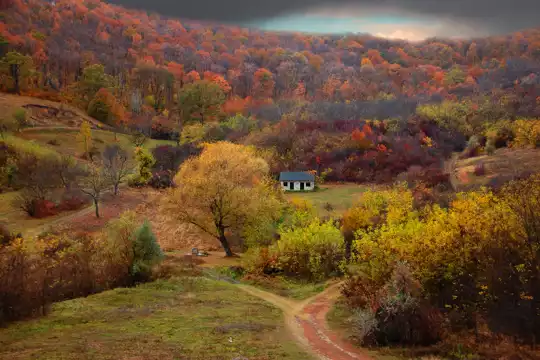
  7. Autumn color: October turns the oak and hornbeam rust and yellow, and the leaf crunch underfoot makes the walks more atmospheric.
For a first visit, start with the guided ecotrail, because it takes you into the protected forest itself, and finish at the Museum of Nature.
Spotted a mistake or missing something? Contact us.

Things to do near Codrii

Ratings based on Tripadvisor reviews. When you book through this link, you support our work at no extra cost to you.

🌤️ When to go?Seasonal considerations and timing

  • Spring (April to May): Temperatures run 10 to 20°C (50 to 68°F), the beech and oak canopy leafs out, and the forest floor fills with wildflowers and loud birdsong. Paths turn muddy after rain, and ticks wake up.
  • Summer (June to August): Expect 24 to 30°C (75 to 86°F), with some days hitting 35°C (95°F). Daylight lasts about 15 hours, and the shade under the canopy keeps the forest several degrees cooler than Chișinău.
  • Autumn (September to October): Temperatures fall to 8 to 20°C (46 to 68°F) and the leaves turn gold and rust. Days shorten to around 11 hours by October, and the trails are quiet on weekdays.
  • Winter (December to February): Expect -5 to 3°C (23 to 37°F), about 9 hours of daylight and occasional snow. Access is possible, but icy tracks and bare trees make it a minimal-effort visit.
… read more 👉
  • Spring (April to May): Temperatures run 10 to 20°C (50 to 68°F), the beech and oak canopy leafs out, and the forest floor fills with wildflowers and loud birdsong. Paths turn muddy after rain, and ticks wake up.
  • Summer (June to August): Expect 24 to 30°C (75 to 86°F), with some days hitting 35°C (95°F). Daylight lasts about 15 hours, and the shade under the canopy keeps the forest several degrees cooler than Chișinău.
  • Autumn (September to October): Temperatures fall to 8 to 20°C (46 to 68°F) and the leaves turn gold and rust. Days shorten to around 11 hours by October, and the trails are quiet on weekdays.
  • Winter (December to February): Expect -5 to 3°C (23 to 37°F), about 9 hours of daylight and occasional snow. Access is possible, but icy tracks and bare trees make it a minimal-effort visit.
Crowds stay small year-round, and lodging prices near the reserve barely move with the seasons, though Chișinău beds cost a little more in summer. Go in early May or late September for the best mix of comfortable temperatures and color.


source: climatestotravel.comJANJanuary: below average for travelingFEBFebruary: below average for travelingMARMarch: fair for travelingAPRApril: good for travelingMAYMay: excellent for travelingJUNJune: excellent for travelingJULJuly: highly recommended for travelingAUGAugust: highly recommended for travelingSEPSeptember: excellent for travelingOCTOctober: good for travelingNOVNovember: fair for travelingDECDecember: below average for traveling
moldova-national-park-codrii
© Google |

✈️ The backpacker research shortcutMoldova Travel Guide

What the free pages can't give you: ready-made routes, every place ranked, and it works offline. All in 1 guide.
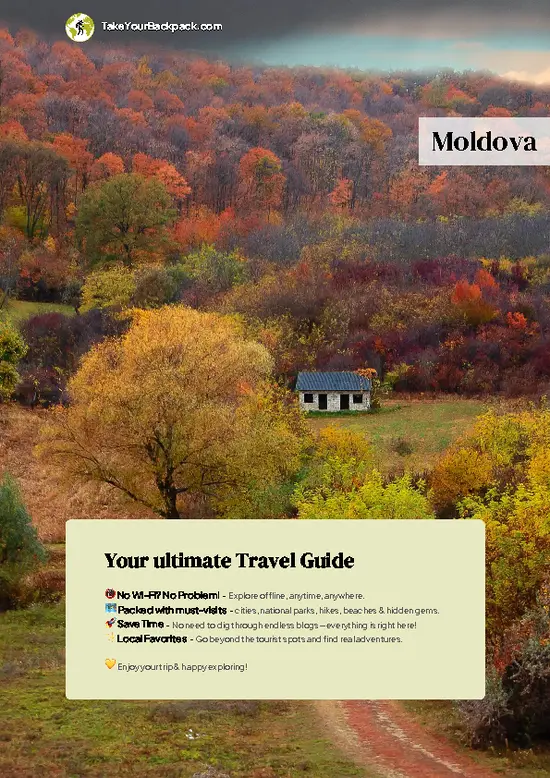
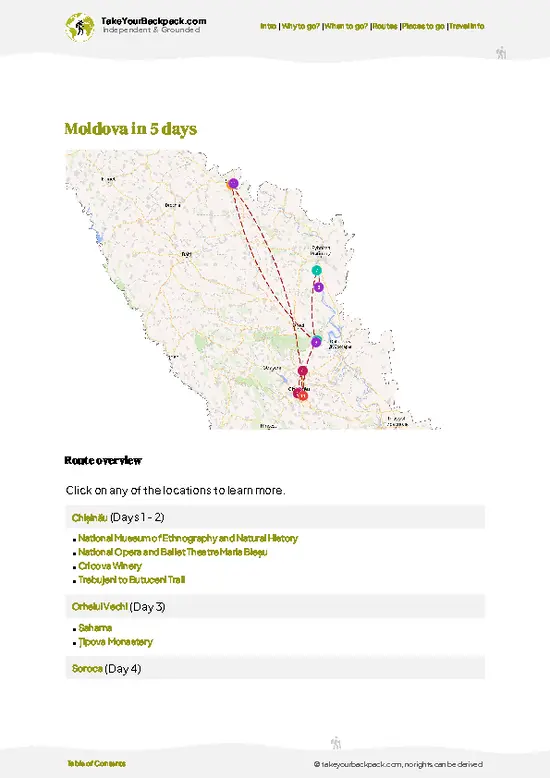
example page 0 from our offline Travel Guide for Moldova
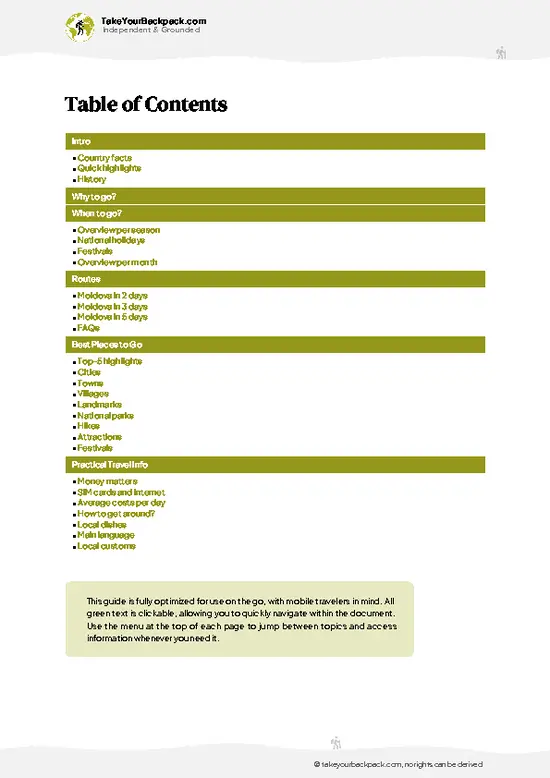
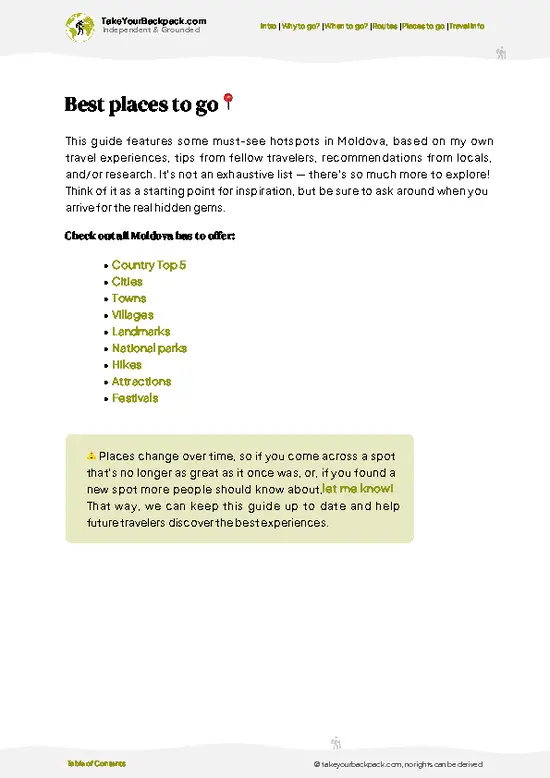
example page 1 from our offline Travel Guide for Moldova
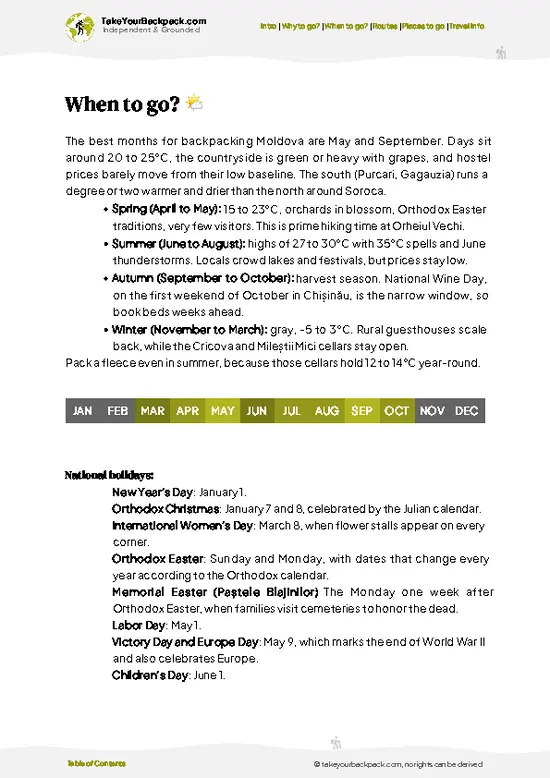
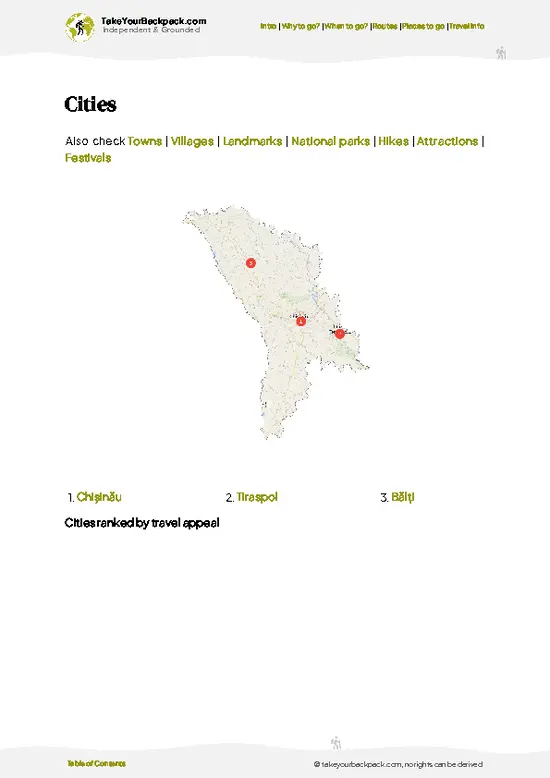
example page 2 from our offline Travel Guide for Moldova
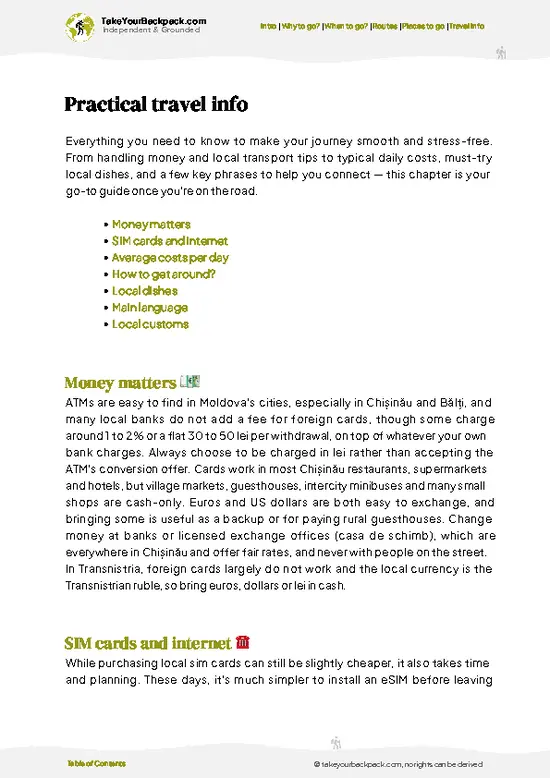
example page 3 from our offline Travel Guide for Moldova
example page 4 from our offline Travel Guide for Moldova
example page 5 from our offline Travel Guide for Moldova
example page 6 from our offline Travel Guide for Moldova
example page 7 from our offline Travel Guide for Moldova
The digital guide (210 pages) contains:-page digital guide:
✅ Ready-made 2, 3 & 5-day routes
✅ All 66 places ranked, so you skip the overrated ones
✅ Works offline, all in 1 guide
✅ Cities, national parks, landmarks, beaches
✅ How to get around
👉 Click to see all 30+ guide features

📅 Plan smarter in minutes, not weeks
✅ Month by month travel advice
✅ Festivals & national holidays
✅ Budget expectations

🗺️ Go to the right places, skip the overrated ones
✅ Honest pros & cons of destinations
✅ Top hikes, parks & viewpoints
✅ Lesser-known places most travelers miss
✅ Clear “worth it vs skip it” guidance

🛏️ Travel smoothly without rookie mistakes
✅ Best areas to stay
✅ Transport systems explained simply
✅ Common scams & safety advice
✅ SIM cards, money & practical tips

🌍 Understand the country, not just visit it
✅ Culture & traditions
✅ 52 Essential phrases & customs
✅ Festivals worth planning around
✅ Traveler-friendly historical context
✅ Insights that make places more meaningful

📱 Built for real travel conditions
✅ Fully downloadable PDF
✅ Works completely offline
✅ Optimized for phone use
✅ Useful in remote areas & buses
✅ All in 1 guide
Stop searching, start planning
Get instant access to your full guide. 30‑day money-back guarantee.


By proceeding you agree to our terms.
Sent to your inbox immediately after payment • 100% Secure Checkout
Best Backpacking Travel Advisor 2025 tourism awardBest Backpacking
Travel Advisor
2025
What others say about Take Your Backpack Guides:
⭐⭐⭐⭐⭐
Fantastic, amazing amount of information!
⭐⭐⭐⭐⭐
My goodness this is amazing, it's what I've been looking for hats off too you!
⭐⭐⭐⭐⭐
I think this is absolutely BRILLIANT
⭐⭐⭐⭐
Very complete and informative. It's still missing places, but I gotta to commend you
⭐⭐⭐⭐⭐
This is truly amazing, thank you, can't wait to explore it with my kids!
⭐⭐⭐⭐⭐
Awesome resource, thank you!
⭐⭐⭐⭐⭐
This is amazing! Can't wait to explore the ones I haven't seen
⭐⭐⭐⭐
I love this! Well done, great idea.
⭐⭐⭐⭐⭐
Thanks for taking the time to make this gem!
⭐⭐⭐⭐⭐
This might be the best website I've ever seen.
⭐⭐⭐⭐⭐
Congratulations, and thank you so much for your work; it's incredibly valuable.
⭐⭐⭐⭐
In all seriousness I think you did a great job pointing out the important spots
⭐⭐⭐⭐⭐
10/10 very good
⭐⭐⭐⭐⭐
As someone who's only just starting to visit regularly this is awesome, thank you.
⭐⭐⭐⭐
Thank you very much! I'm going to visit my dad, it's going to be very useful!
⭐⭐⭐⭐⭐
This is really cool! We'll be travelling for the first time and this definitely come in handy.
⭐⭐⭐⭐⭐
You are now our minister of culture, congratulations 👨‍💼
⭐⭐⭐⭐⭐
Just wanted to tell you that this is a pearl! Going to follow your recommendations.
⭐⭐⭐⭐⭐
This is so cool. I'll definitely be using the resource for my travels soon.
⭐⭐⭐⭐⭐
This is very impressive! Good work.
⭐⭐⭐⭐⭐
This is an amazing and informative site. Very well done!

🛏️ Where to stay?Where staying makes the most sense

Base yourself in Chișinău, because there is no accommodation inside the Codrii reserve and camping is not permitted within its protected core. The capital sits roughly 40 to 50 km east of the reserve, and its hostels are the cheapest and most social option, with dorm beds at about €8 to 16 a night and private rooms from €25 to 40. From there you reach the reserve by minibus in under an hour or so.

For something closer, look at the villages on the reserve’s edge. Lozova has the reserve’s visitor and administration buildings, and a few family guesthouses in the area charge around €20 to 35 a night, … read more 👉
Base yourself in Chișinău, because there is no accommodation inside the Codrii reserve and camping is not permitted within its protected core. The capital sits roughly 40 to 50 km east of the reserve, and its hostels are the cheapest and most social option, with dorm beds at about €8 to 16 a night and private rooms from €25 to 40. From there you reach the reserve by minibus in under an hour or so.

For something closer, look at the villages on the reserve’s edge. Lozova has the reserve’s visitor and administration buildings, and a few family guesthouses in the area charge around €20 to 35 a night, often with home-cooked meals for a few euros more. Căpriana, a short drive away, is known for its monastery, and rooms there tend to be simple and quiet. Book ahead by phone, since places are few and English is limited.

Strășeni, the nearest real town, has small hotels at about €25 to 45 a night, plus shops, ATMs and regular minibuses to Chișinău. If you want an early start on the forest trails, Lozova or Strășeni saves you the commute. Otherwise, Chișinău gives more choice for food, cash and onward transport.

👛 Costs (as of 6 November 2026)How expensive it really is

Codrii costs roughly €22 to 41 per person per day when you base yourself in Chișinău and visit the reserve on a day trip. Travelers pay in local currency, but the figures below are converted to euros.
CategoryBudget RangeLocal Reality
Entrance and guide€2 to 6A visitor permit is needed for the reserve, and a guide or ranger usually walks with you. Groups split the cost.
Accommodation (high season)€10 to 16Hostel dorm in Chișinău in summer. Low season drops to about €8 to 12. Village guesthouses near the reserve run €20 to 35.
Local transport€2 to 5Minibus from Chișinău to Lozova or Strășeni and back, plus a short taxi or walk to the entrance if needed.
Food and supplies€8 to 14Bakery snacks, a cafeteria lunch in Chișinău or Strășeni, and water. Bring a packed lunch, since there are no food stalls
… read more 👉
Codrii costs roughly €22 to 41 per person per day when you base yourself in Chișinău and visit the reserve on a day trip. Travelers pay in local currency, but the figures below are converted to euros.
CategoryBudget RangeLocal Reality
Entrance and guide€2 to 6A visitor permit is needed for the reserve, and a guide or ranger usually walks with you. Groups split the cost.
Accommodation (high season)€10 to 16Hostel dorm in Chișinău in summer. Low season drops to about €8 to 12. Village guesthouses near the reserve run €20 to 35.
Local transport€2 to 5Minibus from Chișinău to Lozova or Strășeni and back, plus a short taxi or walk to the entrance if needed.
Food and supplies€8 to 14Bakery snacks, a cafeteria lunch in Chișinău or Strășeni, and water. Bring a packed lunch, since there are no food stalls on the trails.
Total Daily Budget€22 to 41Higher end includes a guesthouse meal or a taxi to the trailhead.


source: moldova.travel
⚠️ Prices can change and everyone travels differently, so take this as a rough guide. Hope it helps you plan your adventure!

🥾 TrailsPlan your hike in Codrii: routes, terrain, and sights

Codrii is a walking destination for slow, short routes rather than long treks, and most outings are loops of a few hours through hilly broadleaf forest. Named, signposted trails are few, so the routes people actually do start at the reserve’s base in Lozova, follow forest tracks and ranger-led paths, and return the same way.
  • Guided ecotrail: Starts near the reserve office, usually 2 to 4 hours, easy to moderate. You pass old oaks, hornbeam and ash, with a ranger explaining what lives there.
  • Terrain: Rolling hills with dirt and clay tracks. After rain the clay turns slick and heavy, so boots with
… read more 👉
Codrii is a walking destination for slow, short routes rather than long treks, and most outings are loops of a few hours through hilly broadleaf forest. Named, signposted trails are few, so the routes people actually do start at the reserve’s base in Lozova, follow forest tracks and ranger-led paths, and return the same way.
  • Guided ecotrail: Starts near the reserve office, usually 2 to 4 hours, easy to moderate. You pass old oaks, hornbeam and ash, with a ranger explaining what lives there.
  • Terrain: Rolling hills with dirt and clay tracks. After rain the clay turns slick and heavy, so boots with grip matter more than fitness.
  • Wildlife: Roe deer, red deer, wild boar, foxes and many forest birds live here. Walking quietly in the morning gives the best chance of seeing something.
  • Difficulty: Mostly gentle climbs with a few steeper pitches on muddy slopes. Nothing technical, and children can manage the short loops.
  • Village and monastery walks: Quiet roads between Lozova and nearby villages let you extend a day with orchard views and a visit to Căpriana Monastery.
Getting to Codrii without a car takes planning. Minibuses from Chișinău reach Strășeni and surrounding villages, but the last stretch to the forest edge is often on foot or by taxi, and return services thin out in the afternoon. Contact the reserve before arriving, since access to the core zone is controlled and visits are usually arranged in advance. A small entrance or guide fee applies, paid in Moldovan lei. Crowds are not an issue; on a weekday you may share the forest with only a ranger and a school group. Bring water, insect repellent in summer and a rain layer, because shops are limited to village stores.
⚠️ Hiking info can sometimes be outdated or inaccurate. Before you hit the trail, check the latest conditions with locals. If you do spot anything that's off, I'd love to hear from you, so I can update it for fellow travelers.

🛡️ SafetyScams, Hazards, and Annoyances

Codrii is a protected forest with short, well-defined routes, and it is one of the easier places in Moldova to hike. The real issues are modest. Ticks are active from spring through early autumn, so wear long trousers, check your legs and shirt afterward, and use repellent. After rain, clay paths turn slick and steep sections become awkward, so wear shoes with grip rather than trail runners with worn soles. In summer, carry at least 1.5 liters of water, since there are no shops on the trails.

Because it is a strict reserve, you usually walk with a ranger or guide and stay on marked paths. That rule keeps you from getting lost in dense forest where phone signal can be patchy. Wild boar and deer live here but avoid people. If you see one, keep your distance, never feed it, and do not leave … read more 👉
Codrii is a protected forest with short, well-defined routes, and it is one of the easier places in Moldova to hike. The real issues are modest. Ticks are active from spring through early autumn, so wear long trousers, check your legs and shirt afterward, and use repellent. After rain, clay paths turn slick and steep sections become awkward, so wear shoes with grip rather than trail runners with worn soles. In summer, carry at least 1.5 liters of water, since there are no shops on the trails.

Because it is a strict reserve, you usually walk with a ranger or guide and stay on marked paths. That rule keeps you from getting lost in dense forest where phone signal can be patchy. Wild boar and deer live here but avoid people. If you see one, keep your distance, never feed it, and do not leave food scraps. Tell someone your plan, carry a charged phone, and finish well before dark.

FAQTraveler FAQ

Half a day to one full day is enough for Codrii. The marked ecological routes through the beech and oak forest take about 2 to 4 hours on foot, and the reserve sits roughly 40 to 50 km from Chișinău. Add the nearby Căpriana Monastery if you want a full day, or stay overnight in Lozova for a slower start.
Yes, you can reach Codrii without a car, though it takes a little planning. Minibuses (marshrutky) run from Chișinău to Strășeni and onward toward Lozova in about 45 to 75 minutes for roughly €1 to 2. From the village you can walk to the reserve entrance or take a short taxi ride, and it helps to arrange your guide in advance.
Codrii is a strict nature reserve, so a visitor permit is needed and you generally walk with a guide or ranger. Expect to pay roughly €2 to 6 per person depending on group size and route. Contact the reserve administration in Lozova before you go, since walk-in visits are not always accepted.
⚠️ Things can change over time, so always validate details locally before you go.

Other Moldovan national parks near Codrii

Explore more nearby:

  • Plaiul Fagului—Pale beech trunks, Codri ridges, snowdrop spring, copper autumn| 28 km away
  • Orhei National Park—Răut gorge, Butuceni lanes, cliff monastery, Golden Horde bath ruins| 55 km away
  • Iagorlîc—Strict scientific reserve, Dniester estuary, reed beds, migrating waterfowl| 72 km away

💡 Not sure where to go next?
Create a personalized itinerary for Moldova including Codrii and the places that fit your trip.

Generate my itinerary

👉 Discover all national parks

Or checkout all Moldova has to offer (think cities, towns, villages, national parks, hikes, beaches, festivals)
Country photo of Moldova

We 💚 feedbackWhat to keep in mind

Codrii works best as a half-day forest stop between Chișinău and the monasteries and vineyards of central Moldova. I would pair it with Căpriana Monastery in the morning, then continue to a winery or onward to Old Orhei the next day. Call the reserve ahead, pack lunch, and go on a weekday when the paths are silent.

✍️ Help improve this page!
The information on this page is based on in-depth research, insights shared by experienced travelers, and feedback from the local travel community in Moldova. While every effort is made to keep the information accurate and current, conditions can change — so if you spot anything incorrect or outdated, please get in touch.


🙋‍♂️ Give feedback

👋 Meet the founderWho’s Behind Take Your Backpack?

Johan, backpacker and founder of TakeYourBackpackHi, I’m Johan (Netherlands 🇳🇱), the creator of TakeYourBackpack. Over the past 30 years, I’ve backpacked through 88 countries across six continents, gaining extensive experience with independent travel, long-term trips, and overland routes.

This site is built on a combination of firsthand travel experience and carefully curated insights from other backpackers. Many guides are based on places I’ve personally visited, while others bring together tips, observations, and practical advice shared by trusted travelers I’ve met along the way.

The goal is to provide realistic, experience-driven guidance — not generic itineraries — so you can explore destinations with better context, clearer expectations, and more confidence.