v2.webp)
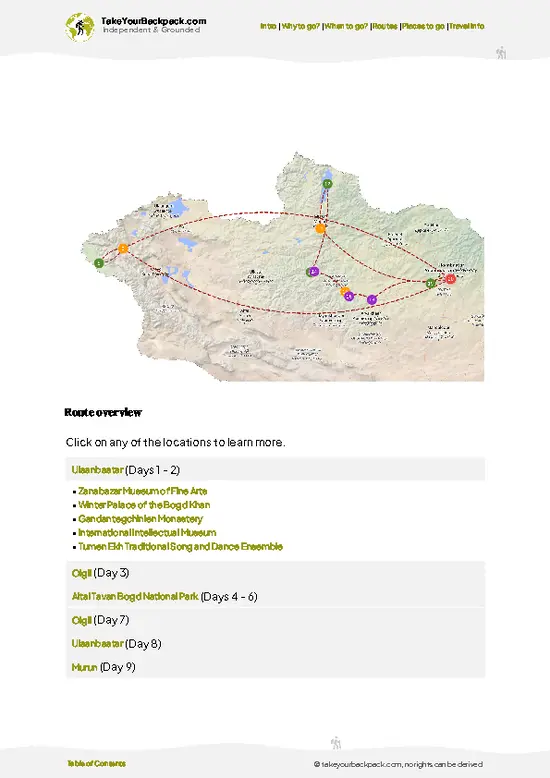
- Mongolian wrestling (Bokh) — The backbone of Naadam: raw, ritualized contests where wrestlers in distinctive open jackets and tight shorts square off without weight classes. Matches are short, explosive and full of traditional gestures and titles; winners earn huge local respect and the whole crowd gets invested in the characters and pageantry.
- Long-distance horse racing — Not the polished track races you see elsewhere but endurance sprints across the steppe, often with very young, lightweight jockeys. It’s loud, fast and communal: villagers line the route, families cheer for their horses, and the finish is a mad rush that really shows why horses matter so much in Mongolian life. (Personal favorite — nothing beats standing on the grass as a string of horses thunders by.)
- Archery — Team-based,
- Mongolian wrestling (Bokh) — The backbone of Naadam: raw, ritualized contests where wrestlers in distinctive open jackets and tight shorts square off without weight classes. Matches are short, explosive and full of traditional gestures and titles; winners earn huge local respect and the whole crowd gets invested in the characters and pageantry.
- Long-distance horse racing — Not the polished track races you see elsewhere but endurance sprints across the steppe, often with very young, lightweight jockeys. It’s loud, fast and communal: villagers line the route, families cheer for their horses, and the finish is a mad rush that really shows why horses matter so much in Mongolian life. (Personal favorite — nothing beats standing on the grass as a string of horses thunders by.)
- Archery — Team-based, traditional archery using wooden bows and tuned, hand-crafted arrows. It’s less about individual show-offs and more about rhythm, call-and-response scoring, and the thud of arrows hitting fur targets; watching local teams work together gives you a real sense of community skill and pride.
- Music, throat singing and the costumed pageant — The opening ceremonies and cultural stages are full of morin khuur (horsehead fiddle), khoomei (throat singing), and dancers in bright deels. It’s a sensory mix of sound and color that ties the athletic contests to centuries of storytelling, spirituality and regional identity.
- Food, drink and the steppe atmosphere — Part festival, part village reunion: stalls selling buuz (steamed dumplings), salty dairy products and airag (fermented mare’s milk), plus invited families hosting visitors in gers. Eating, drinking and swapping stories with locals after events is where the festival’s warmth lives—cheap, tasty and unforgettable.
Spotted a mistake or missing something? Contact us.


 Best Backpacking
.jpg) Hi, I’m Johan (Netherlands 🇳🇱), the creator of TakeYourBackpack. Over the past 3 decades, I’ve backpacked through 90+ countries across six continents, gaining extensive experience with independent travel, long-term trips, and overland routes.
Hi, I’m Johan (Netherlands 🇳🇱), the creator of TakeYourBackpack. Over the past 3 decades, I’ve backpacked through 90+ countries across six continents, gaining extensive experience with independent travel, long-term trips, and overland routes.