×

Mongolia🇲🇳 | festivalsThousand Camel Festivalcamel races, Gobi herders, Bactrian camels | things to do and best time to go

Explore NaadamExplore Tsagaan Sar

Backpacking in Thousand Camel
👍 Recommendedfestival ranked #5
By Johan Kruseman 🇳🇱 | Updated May 28, 2026

Thousand Camel Festival is not for people who need EDM stages, infinity pools, or guaranteed hot showers. It’s for backpackers who can handle cold wind, animal smells, and a lot of dust in exchange for something you can’t fake: real steppe culture in motion. Held near Dalanzadgad in the South Gobi, this winter festival revolves around Bactrian camels, herders, and the fight to keep nomadic life alive. Think throat singing over crackling speakers, horse-head fiddles, wrestling, camel polo, and families in thick deels cheering like it’s the World Cup. The crowd is mostly Mongolian with a thin ring of wide-eyed foreigners trying not to lose feeling in their toes. It usually runs a couple of days, and it’s worth it if you’d rather trade comfort for the raw, slightly chaotic edge of real desert life.

Discover everything you want to know in the 📖 Mongolia Travel Guide.


Get your Mongolia guide
70 ranked highlights, routes & tips, works offline (280 pages)
Loading the map 🌍
CLICK TO FILTER
cities
towns
villages
landmarks
national parks
hikes
attractions
festivals
regions
SHOW COUNTRY’S BESTSHOW ALL

✨ Why go?
Ranked #5 festival in Mongolia
Why visitors keep coming back

Backpackers flock to the Thousand Camel Festival in Mongolia for a reason. It’s not just about the camels; it’s about the social energy that crackles through the air. You’ll find yourself in a temporary community where travelers and locals mingle, sharing stories and laughter under the vast sky. This festival is a cultural immersion like no other, offering a glimpse into nomadic traditions that you won’t find in guidebooks.

Planning your route around this event isn’t just smart; it’s essential. The festival is often more affordable than similar events worldwide, allowing you to stretch your budget without sacrificing experience. Plus, it fits seamlessly into longer travel plans. Imagine trekking through the stunning landscapes of Mongolia, then landing in a vibrant festival that recharges … read more 👉
Backpackers flock to the Thousand Camel Festival in Mongolia for a reason. It’s not just about the camels; it’s about the social energy that crackles through the air. You’ll find yourself in a temporary community where travelers and locals mingle, sharing stories and laughter under the vast sky. This festival is a cultural immersion like no other, offering a glimpse into nomadic traditions that you won’t find in guidebooks.

Planning your route around this event isn’t just smart; it’s essential. The festival is often more affordable than similar events worldwide, allowing you to stretch your budget without sacrificing experience. Plus, it fits seamlessly into longer travel plans. Imagine trekking through the stunning landscapes of Mongolia, then landing in a vibrant festival that recharges your spirit.

By weaving the festival into your journey, you’re not just checking off a box; you’re enriching your adventure, preserving your energy and budget for the moments that truly matter.
Want to include Thousand Camel Festival in your Mongolia route?
Create a personalized Mongolia itinerary that includes Thousand Camel Festival and the places that fit your trip — based on your travel style, budget, and available time. Get your route in seconds.

Generate my trip

💡 HighlightsTop highlights of Thousand Camel

  • Camel Races — Seeing Bactrian camels thunder across the steppe is ridiculous fun: loud, dusty, and oddly graceful. Races are unpredictable (camels have personalities), so the drama never dies — crowds shout, handlers urge, and you get that real festival adrenaline. (Personal favorite.)
  • The Thousand-Camel Parade — A slow, impressive spectacle where herds, handlers and decorated camels move together like a living installation. It’s pure scale and texture: bells, colorful tack, dust plumes and the practiced choreography of nomadic herding all in one moment that’s very photogenic and humbling.
  • Traditional Music and Performances — Live throat singing, morin khuur (horse-head fiddle) and folk dances set against open sky — the acoustics and backdrop turn simple songs into spine-tingling experiences.
read more 👉
  • Camel Races — Seeing Bactrian camels thunder across the steppe is ridiculous fun: loud, dusty, and oddly graceful. Races are unpredictable (camels have personalities), so the drama never dies — crowds shout, handlers urge, and you get that real festival adrenaline. (Personal favorite.)
  • The Thousand-Camel Parade — A slow, impressive spectacle where herds, handlers and decorated camels move together like a living installation. It’s pure scale and texture: bells, colorful tack, dust plumes and the practiced choreography of nomadic herding all in one moment that’s very photogenic and humbling.
  • Traditional Music and Performances — Live throat singing, morin khuur (horse-head fiddle) and folk dances set against open sky — the acoustics and backdrop turn simple songs into spine-tingling experiences. Performances often celebrate camel life and steppe stories, so you’re hearing history, not just a show.
  • Hands-on Nomadic Experiences — You can sleep in a ger, try milking camels, sample camel milk products and learn basic herding or saddling. These activities cut past tourist gloss and let you taste (literally) how nomads live — simple, practical, and unforgettable up close.
  • Traditional Games and Camel Contests — Beyond races there are quirky competitions: beauty and strength contests, loading or packing challenges, and other camel-centric games alongside archery and wrestling. They’re playful, fiercely local, and a great way to see community pride and friendly rivalry.
Spotted a mistake or missing something? Contact us.

🌤️ When to go?When is the celebration of Thousand Camel Festival?


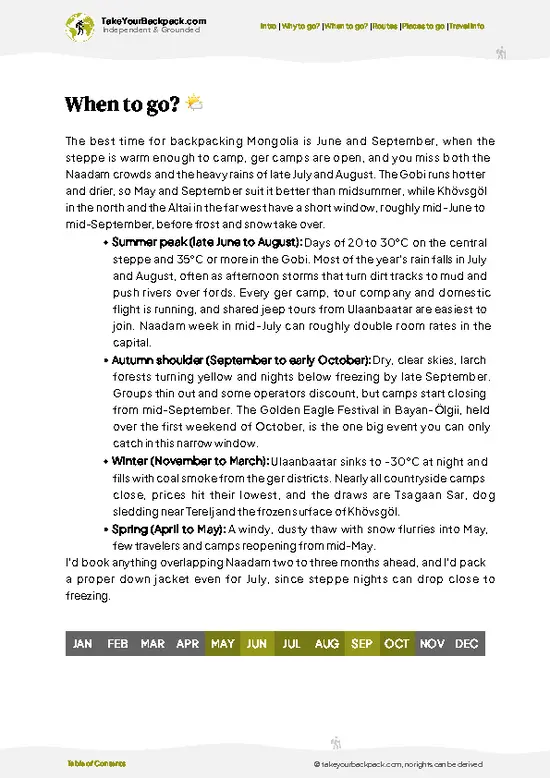
  • Weather: The festival takes place in late June or early July, when Mongolia’s weather is at its most forgiving. Expect daytime highs around 20-25°C (68-77°F), perfect for long days outside without overheating or freezing.

  • Temperature: Nights can still dip to 5-10°C (41-50°F), so pack layers. The sharp contrast between day and night means you’ll want a warm jacket for campfires and early mornings.

  • Daylight Hours: Summer in Mongolia means long days—up to 17 hours of daylight. This gives you plenty of time to soak in the festival’s events without rushing, but be ready for late sunsets that can mess with your sleep.

  • Crowds: The festival draws a mix of locals and tourists, but it’s not overrun. Arriving early in the festival window helps you avoid the busiest days and snag better spots
read more 👉

  • Weather: The festival takes place in late June or early July, when Mongolia’s weather is at its most forgiving. Expect daytime highs around 20-25°C (68-77°F), perfect for long days outside without overheating or freezing.

  • Temperature: Nights can still dip to 5-10°C (41-50°F), so pack layers. The sharp contrast between day and night means you’ll want a warm jacket for campfires and early mornings.

  • Daylight Hours: Summer in Mongolia means long days—up to 17 hours of daylight. This gives you plenty of time to soak in the festival’s events without rushing, but be ready for late sunsets that can mess with your sleep.

  • Crowds: The festival draws a mix of locals and tourists, but it’s not overrun. Arriving early in the festival window helps you avoid the busiest days and snag better spots for camping and viewing.

  • Seasonal Activities: This timing aligns with the peak of nomadic summer traditions—horse racing, camel beauty contests, and folk music. Missing this window means missing the heart of the cultural experience.

  • Price Fluctuations: Prices for accommodation and transport spike during the festival. Booking well in advance locks in better rates and saves you from last-minute premium charges.


Pro-tip: Aim for the first few days of the festival to catch cooler crowds, stable weather, and the freshest cultural energy—this is when the magic feels most raw and unfiltered.


source: climatestotravel.comJANJanuary: not recommended for travelingFEBFebruary: not recommended for travelingMARMarch: not recommended for travelingAPRApril: not recommended for travelingMAYMay: not recommended for travelingJUNJune: excellent for travelingJULJuly: not recommended for travelingAUGAugust: not recommended for travelingSEPSeptember: not recommended for travelingOCTOctober: not recommended for travelingNOVNovember: not recommended for travelingDECDecember: not recommended for traveling

✈️ The backpacker research shortcutMongolia Travel Guide

An offline-friendly backpacking guide with optimized travel routes, ranked highlights, transport advice, and the best areas to stay.
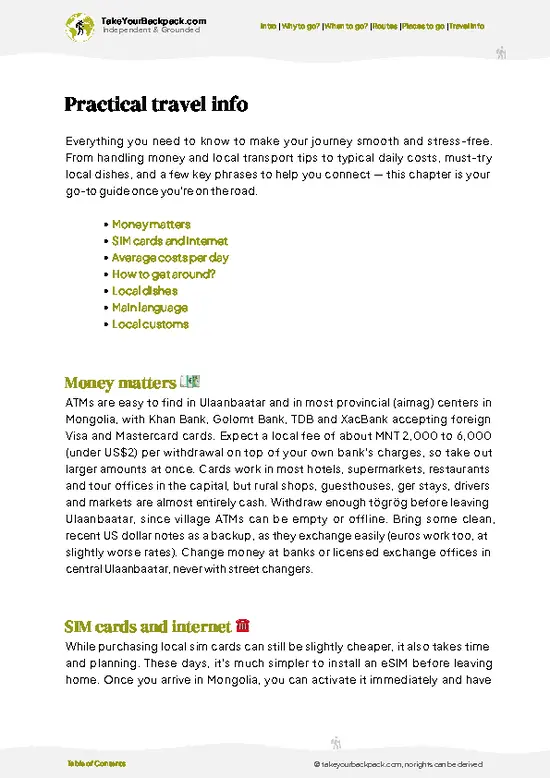
example page 0 from our offline Travel Guide for Mongolia
example page 1 from our offline Travel Guide for Mongolia
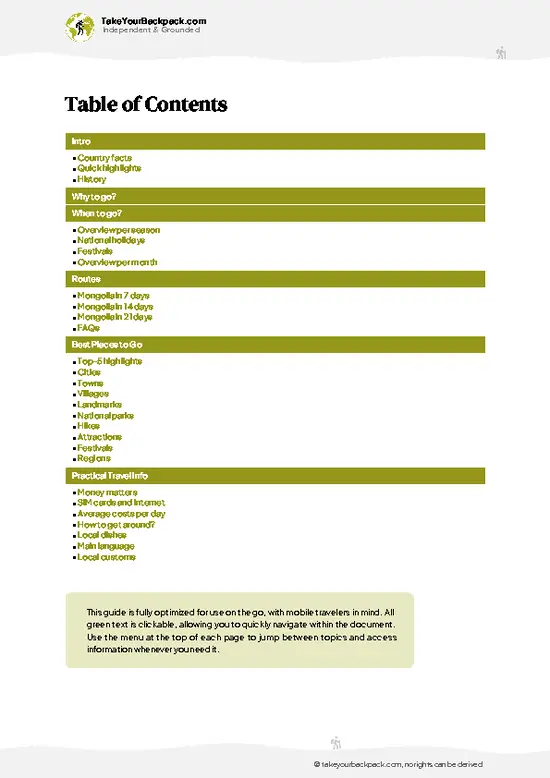
example page 2 from our offline Travel Guide for Mongolia
example page 3 from our offline Travel Guide for Mongolia
example page 4 from our offline Travel Guide for Mongolia
example page 5 from our offline Travel Guide for Mongolia
example page 6 from our offline Travel Guide for Mongolia
example page 7 from our offline Travel Guide for Mongolia
The digital guide (280 pages) contains:
70 highlights, ranked by travel appeal
Optimized 7, 14 & 21-day travel routes
Cities, national parks, landmarks, beaches
How to get around
Offline-friendly for travel without Wi-Fi
👉 Click to see all 30+ guide features

📅 Plan smarter in minutes, not weeks
Month by month travel advice
Festivals & national holidays
Budget expectations

🗺️ Go to the right places, skip the overrated ones
Honest pros & cons of destinations
Top hikes, parks & viewpoints
Lesser-known places most travelers miss
Clear “worth it vs skip it” guidance

🛏️ Travel smoothly without rookie mistakes
Best areas to stay
Transport systems explained simply
Common scams & safety advice
SIM cards, money & practical tips

🌍 Understand the country, not just visit it
Culture & traditions
52 Essential phrases & customs
Festivals worth planning around
Traveler-friendly historical context
Insights that make places more meaningful

📱 Built for real travel conditions
Fully downloadable PDF
Works completely offline
Optimized for phone use
Useful in remote areas & buses
Everything in one place
Save weeks of stressful planning
Get instant access to your full guide. 30‑day money-back guarantee.


By proceeding you agree to our terms.
Sent to your inbox immediately after payment • 100% Secure Checkout
Best Backpacking Travel Advisor 2025 tourism awardBest Backpacking
Travel Advisor
2025
What others say about Take Your Backpack Guides:
⭐⭐⭐⭐⭐
Fantastic, amazing amount of information!
⭐⭐⭐⭐⭐
My goodness this is amazing, it's what I've been looking for hats off too you!
⭐⭐⭐⭐⭐
I think this is absolutely BRILLIANT
⭐⭐⭐⭐
Very complete and informative. It's still missing places, but I gotta to commend you
⭐⭐⭐⭐⭐
This is truly amazing, thank you, can't wait to explore it with my kids!
⭐⭐⭐⭐⭐
Awesome resource, thank you!
⭐⭐⭐⭐⭐
This is amazing! Can't wait to explore the ones I haven't seen
⭐⭐⭐⭐
I love this! Well done, great idea.
⭐⭐⭐⭐⭐
Thanks for taking the time to make this gem!
⭐⭐⭐⭐⭐
This might be the best website I've ever seen.
⭐⭐⭐⭐⭐
Congratulations, and thank you so much for your work; it's incredibly valuable.
⭐⭐⭐⭐
In all seriousness I think you did a great job pointing out the important spots
⭐⭐⭐⭐⭐
10/10 very good
⭐⭐⭐⭐⭐
As someone who's only just starting to visit regularly this is awesome, thank you.
⭐⭐⭐⭐
Thank you very much! I'm going to visit my dad, it's going to be very useful!
⭐⭐⭐⭐⭐
This is really cool! We'll be travelling for the first time and this definitely come in handy.
⭐⭐⭐⭐⭐
You are now our minister of culture, congratulations 👨‍💼
⭐⭐⭐⭐⭐
Just wanted to tell you that this is a pearl! Going to follow your recommendations.
⭐⭐⭐⭐⭐
This is so cool. I'll definitely be using the resource for my travels soon.
⭐⭐⭐⭐⭐
This is very impressive! Good work.
⭐⭐⭐⭐⭐
This is an amazing and informative site. Very well done!

🛏️ Where to stay?Choosing the right base

When you’re gearing up for the Thousand Camel Festival in Mongolia, the right base can make all the difference. Head to the bustling town of Dalanzadgad. It’s the gateway to the Gobi Desert and a hub for backpackers. You’ll find a mix of cozy guesthouses and budget-friendly lodges, perfect for meeting fellow adventurers.

Stay close to the main square; it’s where the action is. You’ll have easy access to local eateries serving hearty meals that fuel your explorations. Plus, the vibrant atmosphere is contagious, making it easy to strike up conversations and share stories.

Another option is to … read more 👉
When you’re gearing up for the Thousand Camel Festival in Mongolia, the right base can make all the difference. Head to the bustling town of Dalanzadgad. It’s the gateway to the Gobi Desert and a hub for backpackers. You’ll find a mix of cozy guesthouses and budget-friendly lodges, perfect for meeting fellow adventurers.

Stay close to the main square; it’s where the action is. You’ll have easy access to local eateries serving hearty meals that fuel your explorations. Plus, the vibrant atmosphere is contagious, making it easy to strike up conversations and share stories.

Another option is to camp near the festival grounds. This brings you right into the heart of the event, surrounded by the sights and sounds of the camels and festivities. Just be prepared for the elements; it can get chilly at night.

Both options keep you safe and social, allowing you to preserve your energy and budget for the unforgettable moments that await. Embrace the challenge, and let the adventure unfold!

👛 Costs (as of 19 July 2025)Typical daily expenses

The Thousand Camel Festival in Mongolia is an exhilarating experience, but navigating the costs can be tricky. Here’s how to budget effectively for this adventure.
  • Festival Tickets: Expect to pay around €10 to €20 ($11 to $22) for entry. This fee typically covers access to all the main events, including camel races and cultural performances. Buy your tickets in advance if possible to avoid any last-minute price hikes.
  • Accommodation: Options vary widely. Dormitory beds in local guesthouses start at about €10 ($11) per night. If you prefer more privacy, private rooms can range from €20 to €50 ($22 to $55). Booking ahead is wise, especially during the festival when demand spikes.
  • Local Transport: Getting to the festival site can be a bit of a trek. Expect to spend around €5 to €15 ($6 to $17) on
read more 👉
The Thousand Camel Festival in Mongolia is an exhilarating experience, but navigating the costs can be tricky. Here’s how to budget effectively for this adventure.
  • Festival Tickets: Expect to pay around €10 to €20 ($11 to $22) for entry. This fee typically covers access to all the main events, including camel races and cultural performances. Buy your tickets in advance if possible to avoid any last-minute price hikes.
  • Accommodation: Options vary widely. Dormitory beds in local guesthouses start at about €10 ($11) per night. If you prefer more privacy, private rooms can range from €20 to €50 ($22 to $55). Booking ahead is wise, especially during the festival when demand spikes.
  • Local Transport: Getting to the festival site can be a bit of a trek. Expect to spend around €5 to €15 ($6 to $17) on shared taxis or buses from Ulaanbaatar to the festival location. Once there, walking is your best bet, but budget an extra €2 to €5 ($2 to $6) for local transport if needed.
  • Food & Drinks: Street food is your friend here. Meals can cost as little as €2 to €5 ($2 to $6), while sit-down meals at local eateries might run you €5 to €15 ($6 to $17). Don’t forget to factor in drinks; bottled water is about €0.50 ($0.55), but local beer can be around €1 to €3 ($1 to $3.30).
  • Miscellaneous Expenses: Always have a buffer for unexpected costs. Budget around €20 to €50 ($22 to $55) for souvenirs, extra activities, or any last-minute needs. This cushion will help you enjoy the festival without stress.

Planning ahead and knowing these costs can help you focus on the thrill of the festival rather than the financial surprises.
⚠️ Prices can change and everyone travels differently, so take this as a rough guide. Hope it helps you plan your adventure!

🍲 FoodLocal Flavors for Backpackers

At the **Thousand Camel Festival**, food and drinks are a vibrant part of the experience. You’ll find **mutton dumplings** (buuz) steaming in stalls, their savory aroma pulling you in. Don’t miss the chance to try **airag**, fermented mare’s milk. It’s a local specialty that’s both refreshing and a bit tangy—definitely an acquired taste, but worth it for the authenticity.

Festival stalls buzz with energy, and you’ll see locals sharing dishes, so don’t hesitate to join in. **Sharing is part of the culture** here; it’s a way to connect. Just be prepared for lines—patience is key. Cash is king at the festival; many vendors don’t accept cards, so stock up on tugrik before diving in.

Serving sizes can be generous, so pace yourself. Grab a few bites, savor the flavors, and soak in the atmosphere. … read more 👉
At the **Thousand Camel Festival**, food and drinks are a vibrant part of the experience. You’ll find **mutton dumplings** (buuz) steaming in stalls, their savory aroma pulling you in. Don’t miss the chance to try **airag**, fermented mare’s milk. It’s a local specialty that’s both refreshing and a bit tangy—definitely an acquired taste, but worth it for the authenticity.

Festival stalls buzz with energy, and you’ll see locals sharing dishes, so don’t hesitate to join in. **Sharing is part of the culture** here; it’s a way to connect. Just be prepared for lines—patience is key. Cash is king at the festival; many vendors don’t accept cards, so stock up on tugrik before diving in.

Serving sizes can be generous, so pace yourself. Grab a few bites, savor the flavors, and soak in the atmosphere. This isn’t just about eating; it’s about experiencing the heart of Mongolian culture. Each bite tells a story, and every sip of airag connects you deeper to the land and its people.

Other Mongolian festivals near Thousand Camel

Explore more nearby:

  • Gobi March—desert ultramarathon, endurance challenge, remote terrain| 21 km away
  • Yak Festival—yak races, herder skills, mountain pastures| 525 km away
  • Nomad Games—horseback archery, nomadic sports, steppe contests| 575 km away

💡 Not sure where to go next?
Create a personalized itinerary for Mongolia including Thousand Camel and the places that fit your trip.

Generate my itinerary

👉 Discover all festivals

Or checkout all Mongolia has to offer (think cities, towns, villages, national parks, hikes, beaches, festivals)
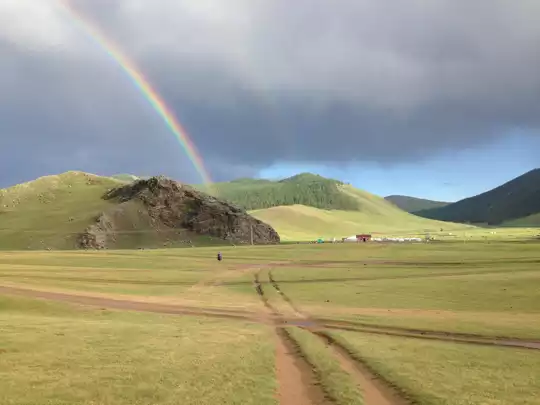
Country photo of Mongolia

We 💚 feedbackKey takeaways before you go

The Thousand Camel Festival is a wild ride through Mongolia’s heart, where the spirit of the nomadic culture pulses with every thundering hoofbeat. But brace yourself: the weather can flip on a dime, so pack layers and be ready for anything. Embrace the chaos; it’s part of the adventure. This festival isn’t just a spectacle; it’s a chance to dive deep into a world that feels untouched by time.

✈️ When did I visit Mongolia?
As part of my 1.5 year travel around the world trip, I visited Mongolia in July 2015. After a month of horse-riding and hitch-hiking I took the TransMongolia express to China.

✍️ Help improve this page!
The information on this page is based on my own backpacking experience in Mongolia, supplemented with up-to-date research and feedback from other travelers. Travel details can change, so if you notice anything outdated or incomplete, feel free to let me know.


🙋‍♂️ Give feedback

👋 Meet the founderWho’s Behind Take Your Backpack?

Johan, backpacker and founder of TakeYourBackpackHi, I’m Johan (Netherlands 🇳🇱), the creator of TakeYourBackpack. Over the past decade, I’ve backpacked through 80+ countries across six continents, gaining extensive experience with independent travel, long-term trips, and overland routes.

This site is built on a combination of firsthand travel experience and carefully curated insights from other backpackers. Many guides are based on places I’ve personally visited, while others bring together tips, observations, and practical advice shared by trusted travelers I’ve met along the way.

The goal is to provide realistic, experience-driven guidance — not generic itineraries — so you can explore destinations with better context, clearer expectations, and more confidence.

Get full Mongolia guide •
Instant download • 70 highlights • Full Offline guide