v2.webp)
The Right Hand of John the Baptist
Let’s cut through the hype: most people come for the relics, and this one is the headliner. Yes, the actual, physical right hand said to have baptized Jesus. You’ll see it displayed in a silver reliquary, guarded with the kind of reverence that makes even the most jaded traveler pause. Forget the Instagram filters—this is raw, centuries-old faith, and the line of pilgrims is real. If you’re expecting a quiet, meditative moment, brace yourself for the reality: it’s crowded, it’s intense, and it’s absolutely worth elbowing your way in for a glimpse. This is the kind of artifact that makes you rethink the word “legendary.”
The Skull of Saint Peter of Cetinje
Not as famous as the hand, but arguably more powerful for locals. The skull of Montenegro’s patron saint … read more 👉
Let’s cut through the hype: most people come for the relics, and this one is the headliner. Yes, the actual, physical right hand said to have baptized Jesus. You’ll see it displayed in a silver reliquary, guarded with the kind of reverence that makes even the most jaded traveler pause. Forget the Instagram filters—this is raw, centuries-old faith, and the line of pilgrims is real. If you’re expecting a quiet, meditative moment, brace yourself for the reality: it’s crowded, it’s intense, and it’s absolutely worth elbowing your way in for a glimpse. This is the kind of artifact that makes you rethink the word “legendary.”
The Skull of Saint Peter of Cetinje
Not as famous as the hand, but arguably more powerful for locals. The skull of Montenegro’s patron saint … read more 👉
The Right Hand of John the Baptist
Let’s cut through the hype: most people come for the relics, and this one is the headliner. Yes, the actual, physical right hand said to have baptized Jesus. You’ll see it displayed in a silver reliquary, guarded with the kind of reverence that makes even the most jaded traveler pause. Forget the Instagram filters—this is raw, centuries-old faith, and the line of pilgrims is real. If you’re expecting a quiet, meditative moment, brace yourself for the reality: it’s crowded, it’s intense, and it’s absolutely worth elbowing your way in for a glimpse. This is the kind of artifact that makes you rethink the word “legendary.”
The Skull of Saint Peter of Cetinje
Not as famous as the hand, but arguably more powerful for locals. The skull of Montenegro’s patron saint is kept in a separate, heavily guarded chamber. You won’t get to touch it, but you’ll feel the weight of history in the air—this is the spiritual heart of Montenegrin Orthodoxy. The monks don’t do theatrics; the reverence is quiet, almost stern. If you want to understand why Cetinje Monastery is more than a tourist stop, stand here for a minute and watch the locals. This is living tradition, not a museum piece.
Frescoes with Battle Scars
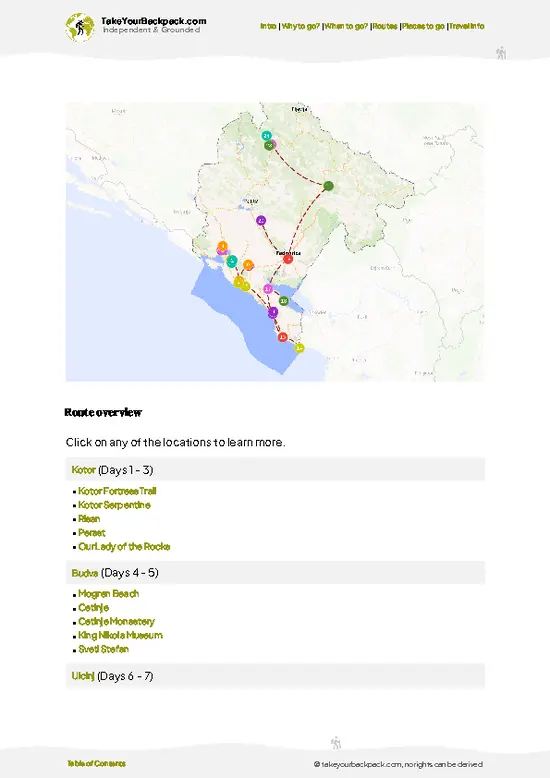
The walls here aren’t just pretty—they’re survivors. Cetinje Monastery has been burned, rebuilt, and bombarded more times than most European capitals. Look closely at the frescoes: you’ll spot scorch marks, bullet holes, and the kind of patchwork repairs that tell you this place has seen real violence. It’s not a sanitized, postcard-perfect church. It’s a living monument to resilience. If you’re tired of “pristine” religious sites that feel like theme parks, this is your antidote.
The Monastic Library
This is my personal favorite. The library is a treasure chest for anyone who geeks out over old books, maps, and manuscripts. You won’t get free rein—access is limited and you’ll need to arrange ahead for a proper look—but even a peek at the collection is worth it. Some of the oldest Cyrillic texts in the Balkans are stored here, and the smell alone (old parchment, beeswax, dust) is intoxicating. If you’re lucky, you might catch a monk willing to show off a centuries-old gospel or a hand-drawn map that predates Google by half a millennium.
The Morning Liturgy
Skip the midday crowds and show up early. The morning liturgy is not a performance for tourists—it’s the real deal, incense and all. The chanting echoes off stone walls, the congregation is mostly locals, and the atmosphere is thick with devotion. Even if you’re not religious, the sensory overload—smoke, candlelight, ancient hymns—will stick with you. This is the monastery at its most authentic, before the tour buses roll in.
Let’s cut through the hype: most people come for the relics, and this one is the headliner. Yes, the actual, physical right hand said to have baptized Jesus. You’ll see it displayed in a silver reliquary, guarded with the kind of reverence that makes even the most jaded traveler pause. Forget the Instagram filters—this is raw, centuries-old faith, and the line of pilgrims is real. If you’re expecting a quiet, meditative moment, brace yourself for the reality: it’s crowded, it’s intense, and it’s absolutely worth elbowing your way in for a glimpse. This is the kind of artifact that makes you rethink the word “legendary.”
The Skull of Saint Peter of Cetinje
Not as famous as the hand, but arguably more powerful for locals. The skull of Montenegro’s patron saint is kept in a separate, heavily guarded chamber. You won’t get to touch it, but you’ll feel the weight of history in the air—this is the spiritual heart of Montenegrin Orthodoxy. The monks don’t do theatrics; the reverence is quiet, almost stern. If you want to understand why Cetinje Monastery is more than a tourist stop, stand here for a minute and watch the locals. This is living tradition, not a museum piece.
Frescoes with Battle Scars
The walls here aren’t just pretty—they’re survivors. Cetinje Monastery has been burned, rebuilt, and bombarded more times than most European capitals. Look closely at the frescoes: you’ll spot scorch marks, bullet holes, and the kind of patchwork repairs that tell you this place has seen real violence. It’s not a sanitized, postcard-perfect church. It’s a living monument to resilience. If you’re tired of “pristine” religious sites that feel like theme parks, this is your antidote.
The Monastic Library
This is my personal favorite. The library is a treasure chest for anyone who geeks out over old books, maps, and manuscripts. You won’t get free rein—access is limited and you’ll need to arrange ahead for a proper look—but even a peek at the collection is worth it. Some of the oldest Cyrillic texts in the Balkans are stored here, and the smell alone (old parchment, beeswax, dust) is intoxicating. If you’re lucky, you might catch a monk willing to show off a centuries-old gospel or a hand-drawn map that predates Google by half a millennium.
The Morning Liturgy
Skip the midday crowds and show up early. The morning liturgy is not a performance for tourists—it’s the real deal, incense and all. The chanting echoes off stone walls, the congregation is mostly locals, and the atmosphere is thick with devotion. Even if you’re not religious, the sensory overload—smoke, candlelight, ancient hymns—will stick with you. This is the monastery at its most authentic, before the tour buses roll in.
Spotted a mistake or missing something? Contact us.

Unique local gastro experience in hills above Budva

TASTE OF MONTENEGRO - Gastro Private Tour of wine and food

1-Day Montenegro Hiking Tour to Durmitor National Park

SUP-board and kayak rental point: from 1 hour to full day

Canyoning Budva Drenovstica

Budva: 2-Hour «Night Lights» Kayak Tour

Try Scuba Diving in Budva: Boat Experience & Underwater Tunnels

Private Transfer from Budva or Becici to Dubrovnik airport

3.5-Hour Kayak Tour from Beсiсi to Sveti Stefan Island


 Best Backpacking
.jpg) Hi, I’m Johan (Netherlands 🇳🇱), the creator of TakeYourBackpack. Over the past 3 decades, I’ve backpacked through 90+ countries across six continents, gaining extensive experience with independent travel, long-term trips, and overland routes.
Hi, I’m Johan (Netherlands 🇳🇱), the creator of TakeYourBackpack. Over the past 3 decades, I’ve backpacked through 90+ countries across six continents, gaining extensive experience with independent travel, long-term trips, and overland routes.