v2.webp)


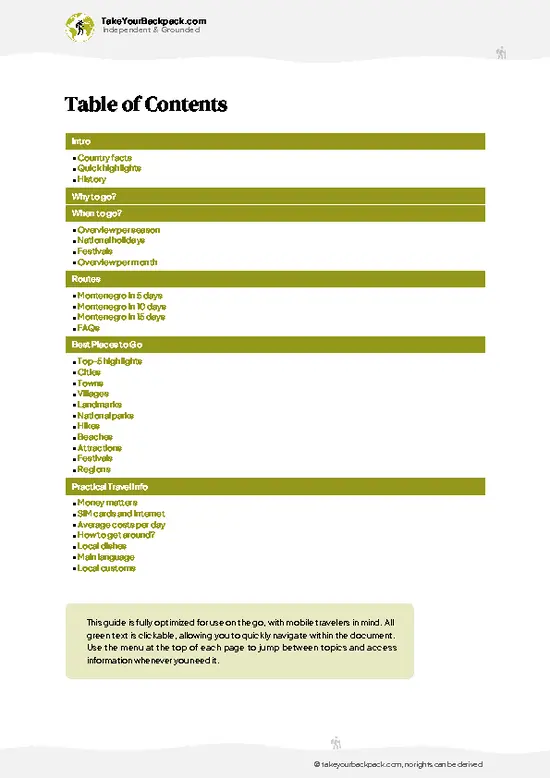
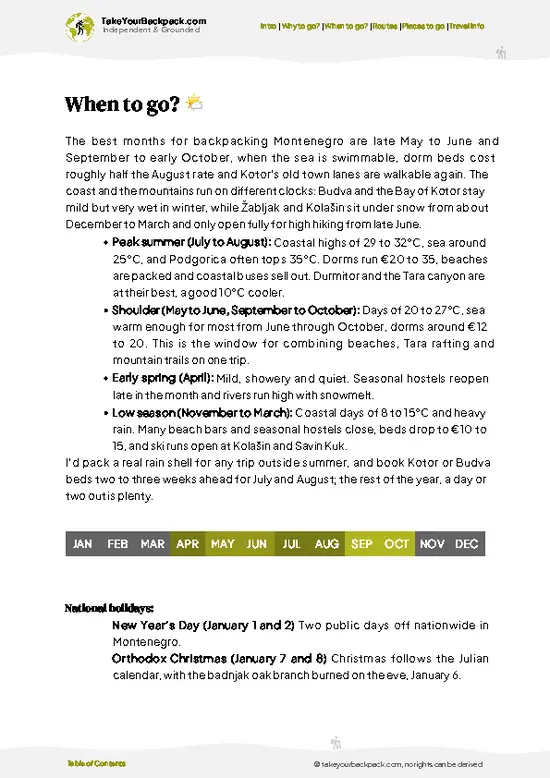
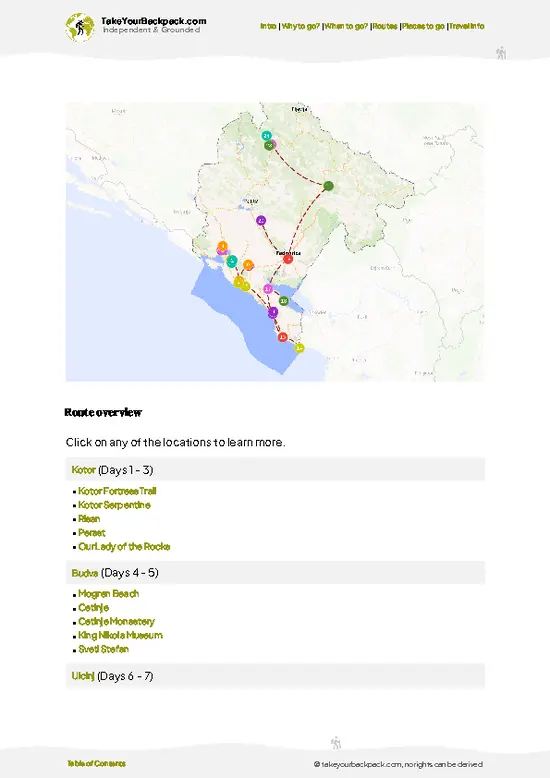

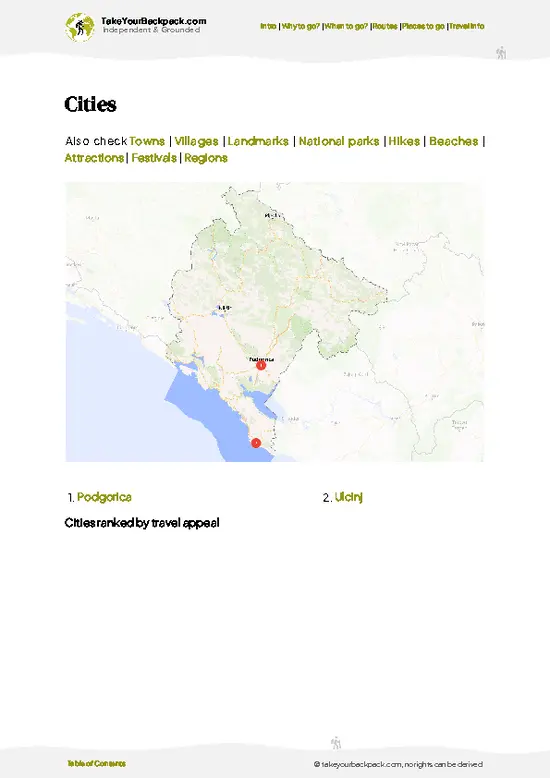
The Ship Models Room
Forget the dusty glass cases you’ve seen in lesser museums. Here, the ship models are the real showstoppers—painstakingly crafted, some centuries old, and each one a time capsule of Balkan naval ambition. You’ll see everything from Ottoman galleys to Yugoslav submarines, all in miniature but with a swagger that makes you want to sign up for a voyage. The detail is obsessive: rigging, cannons, and even tiny sailors frozen mid-task. If you’ve ever wondered what Montenegrin naval pride looks like, it’s right here, in wood and brass.
The Austro-Hungarian Torpedo
This isn’t a prop or a replica. It’s a hulking, real-deal torpedo from the Austro-Hungarian era, and it’s displayed with zero fanfare—just cold metal and a plaque. The museum doesn’t sugarcoat the region’s war-tangled … read more 👉
Forget the dusty glass cases you’ve seen in lesser museums. Here, the ship models are the real showstoppers—painstakingly crafted, some centuries old, and each one a time capsule of Balkan naval ambition. You’ll see everything from Ottoman galleys to Yugoslav submarines, all in miniature but with a swagger that makes you want to sign up for a voyage. The detail is obsessive: rigging, cannons, and even tiny sailors frozen mid-task. If you’ve ever wondered what Montenegrin naval pride looks like, it’s right here, in wood and brass.
The Austro-Hungarian Torpedo
This isn’t a prop or a replica. It’s a hulking, real-deal torpedo from the Austro-Hungarian era, and it’s displayed with zero fanfare—just cold metal and a plaque. The museum doesn’t sugarcoat the region’s war-tangled … read more 👉
The Ship Models Room
Forget the dusty glass cases you’ve seen in lesser museums. Here, the ship models are the real showstoppers—painstakingly crafted, some centuries old, and each one a time capsule of Balkan naval ambition. You’ll see everything from Ottoman galleys to Yugoslav submarines, all in miniature but with a swagger that makes you want to sign up for a voyage. The detail is obsessive: rigging, cannons, and even tiny sailors frozen mid-task. If you’ve ever wondered what Montenegrin naval pride looks like, it’s right here, in wood and brass.
The Austro-Hungarian Torpedo
This isn’t a prop or a replica. It’s a hulking, real-deal torpedo from the Austro-Hungarian era, and it’s displayed with zero fanfare—just cold metal and a plaque. The museum doesn’t sugarcoat the region’s war-tangled history, and standing next to this relic, you get a gut-level sense of how Kotor’s fate was shaped by naval power plays. It’s a rare, tactile connection to the era when Montenegro was a pawn and a player in European conflicts.
Admiral’s Uniforms and Medals
Here’s where the Instagrammers usually glaze over, but don’t make that mistake. The uniforms and medals are more than just fancy dress—they’re stitched with stories of Balkan intrigue, shifting alliances, and the kind of personal valor that doesn’t make it into travel brochures. Look closely and you’ll spot medals from empires that no longer exist, and uniforms tailored for admirals who navigated both literal and political storms. It’s a crash course in the region’s identity crisis, told in wool and brass.
The Maritime Maps Collection
Maps here aren’t just wall art—they’re battle plans, escape routes, and sometimes, desperate guesses. The collection spans centuries, showing how Montenegro’s coastline has been coveted, contested, and redrawn by everyone from Venetian traders to Cold War strategists. If you want to understand why Kotor’s bay is more than a pretty backdrop, spend time tracing the faded ink and plotting the old shipping lanes. This is the museum’s secret weapon for anyone who geeks out on geopolitics.
Personal Favorite: The Salvaged Artifacts from Shipwrecks
This is where the museum drops the Instagram mask and gets gritty. Plates fused by salt, navigational tools warped by decades underwater, and personal effects that hint at lives interrupted mid-journey. Each artifact is a little tragedy and a little miracle—proof that the Adriatic doesn’t give up its secrets easily. You can almost taste the salt and hear the creak of timbers. It’s the closest you’ll get to time travel without getting wet. If you only linger in one room, make it this one.
Forget the dusty glass cases you’ve seen in lesser museums. Here, the ship models are the real showstoppers—painstakingly crafted, some centuries old, and each one a time capsule of Balkan naval ambition. You’ll see everything from Ottoman galleys to Yugoslav submarines, all in miniature but with a swagger that makes you want to sign up for a voyage. The detail is obsessive: rigging, cannons, and even tiny sailors frozen mid-task. If you’ve ever wondered what Montenegrin naval pride looks like, it’s right here, in wood and brass.
The Austro-Hungarian Torpedo
This isn’t a prop or a replica. It’s a hulking, real-deal torpedo from the Austro-Hungarian era, and it’s displayed with zero fanfare—just cold metal and a plaque. The museum doesn’t sugarcoat the region’s war-tangled history, and standing next to this relic, you get a gut-level sense of how Kotor’s fate was shaped by naval power plays. It’s a rare, tactile connection to the era when Montenegro was a pawn and a player in European conflicts.
Admiral’s Uniforms and Medals
Here’s where the Instagrammers usually glaze over, but don’t make that mistake. The uniforms and medals are more than just fancy dress—they’re stitched with stories of Balkan intrigue, shifting alliances, and the kind of personal valor that doesn’t make it into travel brochures. Look closely and you’ll spot medals from empires that no longer exist, and uniforms tailored for admirals who navigated both literal and political storms. It’s a crash course in the region’s identity crisis, told in wool and brass.
The Maritime Maps Collection
Maps here aren’t just wall art—they’re battle plans, escape routes, and sometimes, desperate guesses. The collection spans centuries, showing how Montenegro’s coastline has been coveted, contested, and redrawn by everyone from Venetian traders to Cold War strategists. If you want to understand why Kotor’s bay is more than a pretty backdrop, spend time tracing the faded ink and plotting the old shipping lanes. This is the museum’s secret weapon for anyone who geeks out on geopolitics.
Personal Favorite: The Salvaged Artifacts from Shipwrecks
This is where the museum drops the Instagram mask and gets gritty. Plates fused by salt, navigational tools warped by decades underwater, and personal effects that hint at lives interrupted mid-journey. Each artifact is a little tragedy and a little miracle—proof that the Adriatic doesn’t give up its secrets easily. You can almost taste the salt and hear the creak of timbers. It’s the closest you’ll get to time travel without getting wet. If you only linger in one room, make it this one.
Spotted a mistake or missing something? Contact us.

Private tour: Homemade food and wine tasting at my family home

Kotor private cooking class with lunch and Old town guided tour

Lady of the Rocks & Perast Old Town Private Tour (up to 5 people)

Exciting And Historical Perast - Private tour

Perast Luxury private tour -Our Lady of the Rocks and Blue Cave

Private National Park Lovcen with food and wine tasting

Kotor - Perast | Unforgettable Montenegro Experience

TASTE OF MONTENEGRO - Gastro Private Tour of wine and food

Blue Cave & Perast Private Boat Tour from Herceg Novi (3h 30min)


 Best Backpacking
.jpg) Hi, I’m Johan (Netherlands 🇳🇱), the creator of TakeYourBackpack. Over the past 3 decades, I’ve backpacked through 90+ countries across six continents, gaining extensive experience with independent travel, long-term trips, and overland routes.
Hi, I’m Johan (Netherlands 🇳🇱), the creator of TakeYourBackpack. Over the past 3 decades, I’ve backpacked through 90+ countries across six continents, gaining extensive experience with independent travel, long-term trips, and overland routes.