×

Montenegro🇲🇪 | attractionsKing Nikola MuseumRoyal residence, period interiors, dynastic artifacts | things to do and best time to go

Explore Cetinje MonasteryExplore Maritime Museum of Montenegro

Backpacking in King Nikola Museum
👍 Recommendedattraction ranked #4
By Johan Kruseman 🇳🇱 | Updated May 31, 2026

Your boots echo on parquet older than your grandparents. The air smells faintly of beeswax and old paper. Sunlight slants through tall windows, glinting off a glass case stuffed with medals and a moth-eaten military jacket. You’re standing in the middle of King Nikola Museum, right in the heart of Cetinje—Montenegro’s old royal capital, not the coastal party zone or the mountain wilds.

Here’s the straight talk: King Nikola Museum is not going to blow up your Instagram. There’s no marble staircase or gold-leaf ceiling. But if you want to feel Montenegro’s soul, this is where you start. You get the real story—how a tiny Balkan kingdom punched above its weight, how its royal family lived, loved, and schemed. It’s cheap, rarely crowded, and you can actually linger in the rooms where history happened. Compared to Kotor’s cruise-ship mobs or Durmitor’s adrenaline circus, Cetinje is low-key, almost stubbornly un-touristy. The wow-factor is subtle: it’s in the details, the creak of the floor, the faded family photos, the sense that you’re trespassing in someone’s memory.

Discover everything you want to know in the 📖 Montenegro Travel Guide.
Loading the map 🌍
CLICK TO FILTER
cities
towns
villages
landmarks
national parks
hikes
beaches
attractions
festivals
regions
SHOW COUNTRY’S BESTSHOW ALL

✨ Why go?
Ranked #4 attraction in Montenegro
Reasons people choose to visit here

The King Nikola Museum in Montenegro isn’t just another pretty building to snap for your feed—it’s a checkpoint in understanding the country’s soul. Sure, it draws crowds, especially in peak season, and the entry fee isn’t exactly pocket change for a backpacker. But here’s the kicker: this place is a deep dive into Montenegro’s turbulent past and its fight for identity, all wrapped up in the story of King Nikola, a figure who shaped modern Montenegro. The museum’s collection isn’t just dusty relics; it’s a narrative of resilience, monarchy, and national pride that you won’t get from a quick stroll through the old town. For backpackers threading their way through the Balkans, stopping here is like hitting a milestone—an anchor point that connects history with the present. It’s not adrenaline-pumping, … read more 👉
The King Nikola Museum in Montenegro isn’t just another pretty building to snap for your feed—it’s a checkpoint in understanding the country’s soul. Sure, it draws crowds, especially in peak season, and the entry fee isn’t exactly pocket change for a backpacker. But here’s the kicker: this place is a deep dive into Montenegro’s turbulent past and its fight for identity, all wrapped up in the story of King Nikola, a figure who shaped modern Montenegro. The museum’s collection isn’t just dusty relics; it’s a narrative of resilience, monarchy, and national pride that you won’t get from a quick stroll through the old town. For backpackers threading their way through the Balkans, stopping here is like hitting a milestone—an anchor point that connects history with the present. It’s not adrenaline-pumping, but the intellectual payoff is huge. The effort to get here, navigate the crowds, and pay the price is rewarded by a richer understanding of Montenegro beyond the beaches and fjords. If you want to move past the postcard version of Montenegro and grasp what really makes this country tick, the King Nikola Museum is non-negotiable.
Want to include King Nikola Museum in your Montenegro route?
Create a personalized Montenegro itinerary that includes King Nikola Museum and the places that fit your trip — based on your travel style, budget, and available time. Get your route in seconds.

Generate my trip

💡 HighlightsTop highlights of King Nikola Museum

The Royal Apartments
Forget the velvet ropes and sterile glass cases you get in most palaces. King Nikola’s private quarters are a time capsule of Balkan royalty, preserved with a kind of lived-in intimacy that’s rare in European museums. You’ll see the king’s study, his daughter’s bedroom, and the family’s actual possessions—right down to the travel trunks and personal knickknacks. The faded grandeur isn’t staged; it’s the real deal, and it’s a crash course in how Montenegro’s royal family actually lived (and squabbled). If you want to understand Balkan history, start by standing in the rooms where the decisions—and the drama—actually happened.

The Weapons Collection
This isn’t your average display of rusty sabers. The museum’s arsenal is a wild, almost cinematic mix of Montenegrin, Ottoman, … read more 👉
The Royal Apartments
Forget the velvet ropes and sterile glass cases you get in most palaces. King Nikola’s private quarters are a time capsule of Balkan royalty, preserved with a kind of lived-in intimacy that’s rare in European museums. You’ll see the king’s study, his daughter’s bedroom, and the family’s actual possessions—right down to the travel trunks and personal knickknacks. The faded grandeur isn’t staged; it’s the real deal, and it’s a crash course in how Montenegro’s royal family actually lived (and squabbled). If you want to understand Balkan history, start by standing in the rooms where the decisions—and the drama—actually happened.

The Weapons Collection
This isn’t your average display of rusty sabers. The museum’s arsenal is a wild, almost cinematic mix of Montenegrin, Ottoman, and European weaponry. Rifles with mother-of-pearl inlays, ceremonial swords, and pistols that look like they belong in a Bond film—each piece tells a story of alliances, betrayals, and the constant threat of invasion. It’s a reminder that Montenegro’s royal court wasn’t just about tea and diplomacy; it was about survival. If you’re a fan of military history or just appreciate craftsmanship with a side of danger, this room delivers.

The Royal Carriage
Parked in the courtyard like a forgotten movie prop, King Nikola’s carriage is a showstopper. It’s not just a relic; it’s a symbol of Montenegro’s brief, audacious flirtation with European high society. The carriage is ornate but not over-the-top, and you can almost picture it rattling down the streets of Cetinje, carrying diplomats and royalty through a country that was always punching above its weight. It’s a physical reminder that Montenegro’s monarchy was both fiercely local and determined to play on the world stage.

The Diplomatic Gifts
Here’s where the museum gets weird—in the best way. The collection of gifts from foreign dignitaries is a crash course in 19th-century power networking. You’ll find everything from Fabergé eggs to bizarre, over-the-top tokens from Russia, France, and beyond. Some are beautiful, some are just plain odd, but all of them are proof that Montenegro, for a brief moment, was a player in the great European game. This is my personal favorite: it’s a room full of stories, ego, and the kind of international intrigue you can’t fake.

The Family Portraits
Skip the Instagram filters—these portraits are the real face of Montenegro’s royal family. Painted with all the pride, insecurity, and ambition you’d expect from a dynasty trying to carve out its place in history, they’re more revealing than any official biography. Look closely and you’ll see the tension between tradition and modernity, the weight of expectation, and the stubborn streak that still defines Montenegro today.
Spotted a mistake or missing something? Contact us.

Things to do near King Nikola Museum

Ratings based on Tripadvisor reviews. When you book through this link, you support our work at no extra cost to you.

🌤️ When to go?Choosing the right time of year


  • Weather: The best weather hits between May and September. Expect warm, dry days perfect for wandering the museum without sweating buckets—temperatures hover around 20-28°C (68-82°F). Winters are cold and damp, not ideal for a relaxed visit.

  • Temperature: Summer months (June to August) bring highs of 28°C (82°F), but the museum’s indoor setting means you won’t be melting in the heat. Spring and autumn offer cooler, more comfortable temps around 15-22°C (59-72°F), ideal if you want to combine sightseeing with outdoor strolls.

  • Daylight Hours: Long summer days stretch daylight to about 14-15 hours, giving you plenty of time to explore. In winter, daylight shrinks to 8-9 hours, which can cramp your sightseeing plans if you’re on a tight schedule.

  • Crowds: July and August are peak tourist
read more 👉

  • Weather: The best weather hits between May and September. Expect warm, dry days perfect for wandering the museum without sweating buckets—temperatures hover around 20-28°C (68-82°F). Winters are cold and damp, not ideal for a relaxed visit.

  • Temperature: Summer months (June to August) bring highs of 28°C (82°F), but the museum’s indoor setting means you won’t be melting in the heat. Spring and autumn offer cooler, more comfortable temps around 15-22°C (59-72°F), ideal if you want to combine sightseeing with outdoor strolls.

  • Daylight Hours: Long summer days stretch daylight to about 14-15 hours, giving you plenty of time to explore. In winter, daylight shrinks to 8-9 hours, which can cramp your sightseeing plans if you’re on a tight schedule.

  • Crowds: July and August are peak tourist months, so expect more visitors and a less intimate experience. May, June, and September strike a better balance—fewer crowds but still great weather.

  • Seasonal Activities: Summer festivals and cultural events in nearby towns add flavor to your visit, but the museum itself stays consistent year-round. Winter brings a quiet, reflective atmosphere but fewer extras.

  • Price Fluctuations: Entrance fees stay steady, but accommodation and transport costs spike in summer. Booking in shoulder seasons like May or September can save you money without sacrificing the experience.


Pro-tip: Aim for late spring or early autumn—good weather, manageable crowds, and wallet-friendly prices make this the sweet spot for truly soaking in King Nikola Museum’s vibe without the tourist circus.


source: climatestotravel.comJANJanuary: below average for travelingFEBFebruary: below average for travelingMARMarch: fair for travelingAPRApril: good for travelingMAYMay: excellent for travelingJUNJune: highly recommended for travelingJULJuly: good for travelingAUGAugust: good for travelingSEPSeptember: excellent for travelingOCTOctober: highly recommended for travelingNOVNovember: fair for travelingDECDecember: below average for traveling
montenegro-attraction-king-nikola-museum
© Google |

✈️ The backpacker research shortcutMontenegro Travel Guide

An offline-friendly backpacking guide with optimized travel routes, ranked highlights, transport advice, and the best areas to stay.
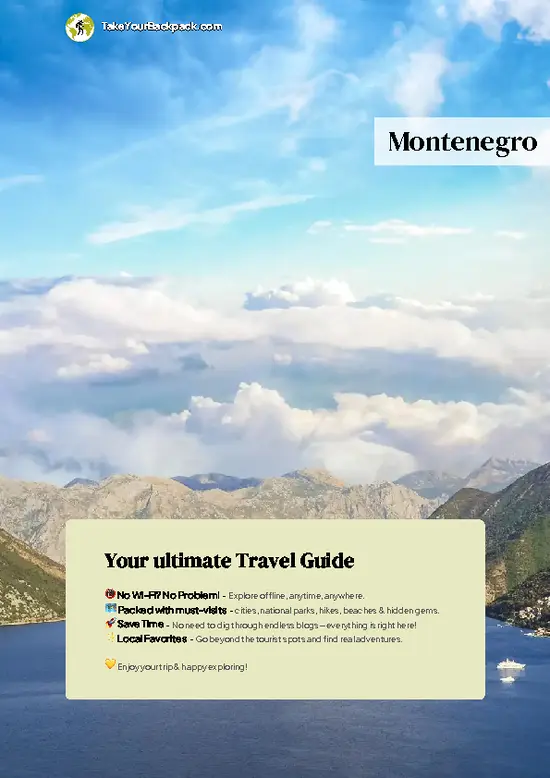
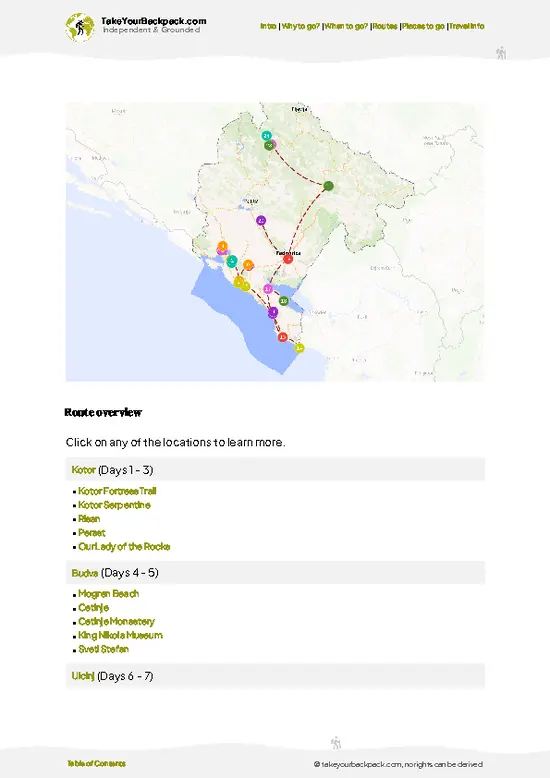
example page 0 from our offline Travel Guide for Montenegro
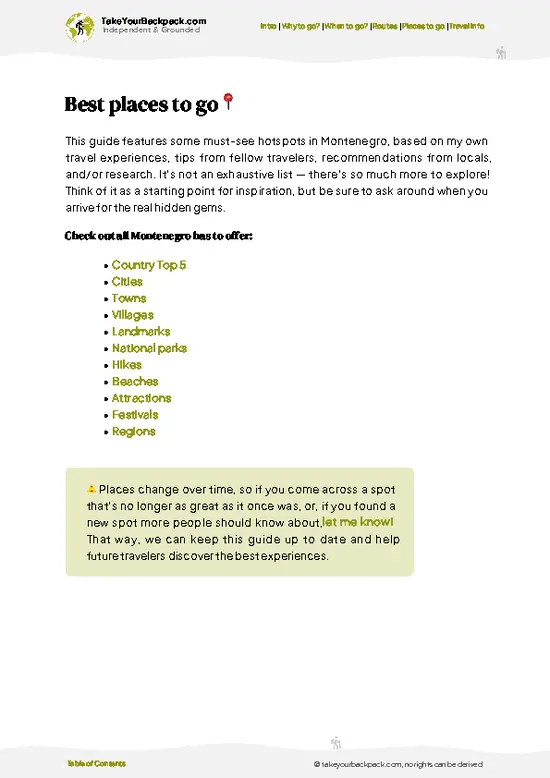
example page 1 from our offline Travel Guide for Montenegro
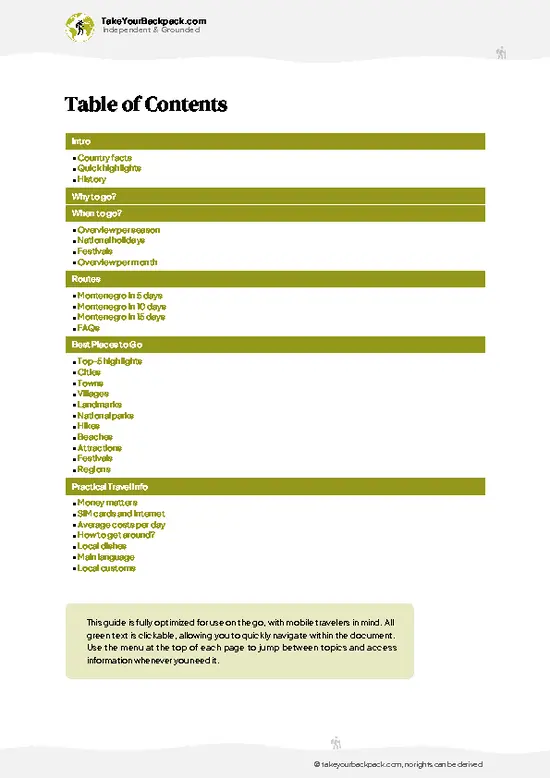
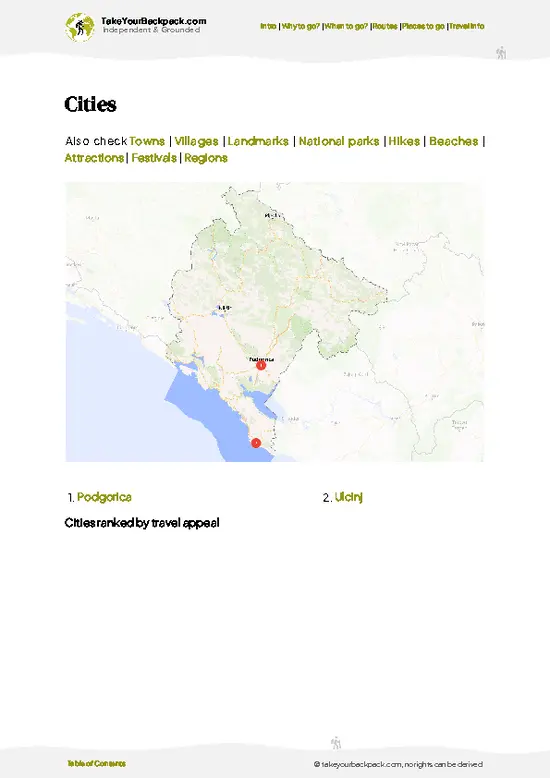
example page 2 from our offline Travel Guide for Montenegro
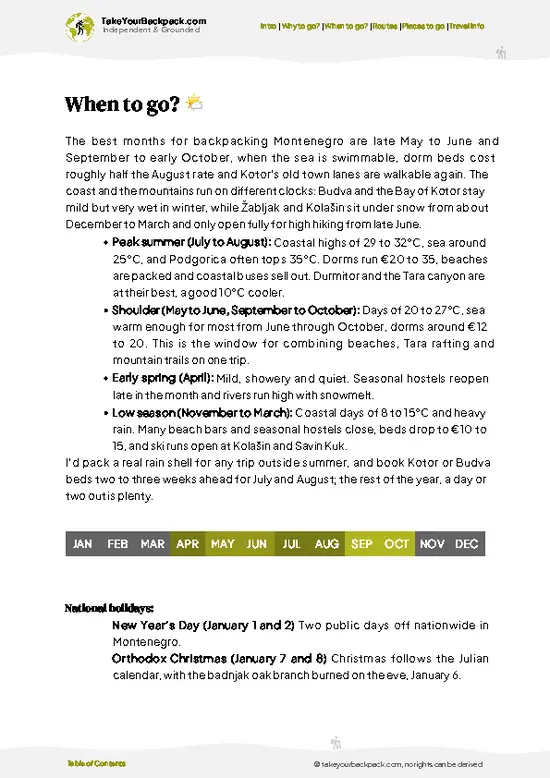
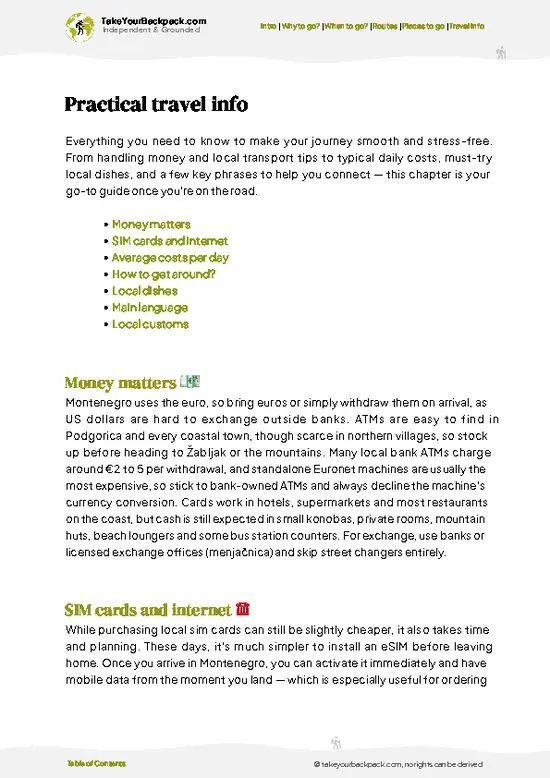
example page 3 from our offline Travel Guide for Montenegro
example page 4 from our offline Travel Guide for Montenegro
example page 5 from our offline Travel Guide for Montenegro
example page 6 from our offline Travel Guide for Montenegro
example page 7 from our offline Travel Guide for Montenegro
The digital guide (250 pages) contains:
64 highlights, ranked by travel appeal
Optimized 5, 10 & 15-day travel routes
Cities, national parks, landmarks, beaches
How to get around
Offline-friendly for travel without Wi-Fi
👉 Click to see all 30+ guide features

📅 Plan smarter in minutes, not weeks
Month by month travel advice
Festivals & national holidays
Budget expectations

🗺️ Go to the right places, skip the overrated ones
Honest pros & cons of destinations
Top hikes, parks & viewpoints
Lesser-known places most travelers miss
Clear “worth it vs skip it” guidance

🛏️ Travel smoothly without rookie mistakes
Best areas to stay
Transport systems explained simply
Common scams & safety advice
SIM cards, money & practical tips

🌍 Understand the country, not just visit it
Culture & traditions
52 Essential phrases & customs
Festivals worth planning around
Traveler-friendly historical context
Insights that make places more meaningful

📱 Built for real travel conditions
Fully downloadable PDF
Works completely offline
Optimized for phone use
Useful in remote areas & buses
Everything in one place
Save weeks of stressful planning
Get instant access to your full guide. 30‑day money-back guarantee.


By proceeding you agree to our terms.
Sent to your inbox immediately after payment • 100% Secure Checkout
Best Backpacking Travel Advisor 2025 tourism awardBest Backpacking
Travel Advisor
2025
What others say about Take Your Backpack Guides:
⭐⭐⭐⭐⭐
Fantastic, amazing amount of information!
⭐⭐⭐⭐⭐
My goodness this is amazing, it's what I've been looking for hats off too you!
⭐⭐⭐⭐⭐
I think this is absolutely BRILLIANT
⭐⭐⭐⭐
Very complete and informative. It's still missing places, but I gotta to commend you
⭐⭐⭐⭐⭐
This is truly amazing, thank you, can't wait to explore it with my kids!
⭐⭐⭐⭐⭐
Awesome resource, thank you!
⭐⭐⭐⭐⭐
This is amazing! Can't wait to explore the ones I haven't seen
⭐⭐⭐⭐
I love this! Well done, great idea.
⭐⭐⭐⭐⭐
Thanks for taking the time to make this gem!
⭐⭐⭐⭐⭐
This might be the best website I've ever seen.
⭐⭐⭐⭐⭐
Congratulations, and thank you so much for your work; it's incredibly valuable.
⭐⭐⭐⭐
In all seriousness I think you did a great job pointing out the important spots
⭐⭐⭐⭐⭐
10/10 very good
⭐⭐⭐⭐⭐
As someone who's only just starting to visit regularly this is awesome, thank you.
⭐⭐⭐⭐
Thank you very much! I'm going to visit my dad, it's going to be very useful!
⭐⭐⭐⭐⭐
This is really cool! We'll be travelling for the first time and this definitely come in handy.
⭐⭐⭐⭐⭐
You are now our minister of culture, congratulations 👨‍💼
⭐⭐⭐⭐⭐
Just wanted to tell you that this is a pearl! Going to follow your recommendations.
⭐⭐⭐⭐⭐
This is so cool. I'll definitely be using the resource for my travels soon.
⭐⭐⭐⭐⭐
This is very impressive! Good work.
⭐⭐⭐⭐⭐
This is an amazing and informative site. Very well done!

🛏️ Where to stay?Choosing the right base

If you’re backpacking to see the King Nikola Museum in Cetinje, Montenegro, brace yourself for a reality check: this isn’t a bustling tourist hub with endless nightlife or flashy hostels. The crowds are manageable, but don’t expect a party scene. The real draw here is the town’s quiet charm and deep history, not Instagrammable chaos.

For budget travelers and solo backpackers, the best place to stay is the central Cetinje area, within walking distance of the museum. This neighborhood is safe, with a low-key vibe that invites you to slow down and soak in the old-world atmosphere. You’ll find small … read more 👉
If you’re backpacking to see the King Nikola Museum in Cetinje, Montenegro, brace yourself for a reality check: this isn’t a bustling tourist hub with endless nightlife or flashy hostels. The crowds are manageable, but don’t expect a party scene. The real draw here is the town’s quiet charm and deep history, not Instagrammable chaos.

For budget travelers and solo backpackers, the best place to stay is the central Cetinje area, within walking distance of the museum. This neighborhood is safe, with a low-key vibe that invites you to slow down and soak in the old-world atmosphere. You’ll find small guesthouses and family-run pensions that offer genuine local hospitality without the tourist markup. It’s where you meet other travelers who came for the culture, not just the cheap bed.

Staying close means you can wander the streets early morning or late evening when the town feels like it’s holding its breath—perfect for those moments when the history really hits you. Plus, you’re near cafes where locals gather, giving you a chance to connect beyond the usual tourist bubble. This is the real Montenegro, stripped of hype but rich in character.

👛 Costs (as of 4 December 2025)Typical daily expenses

As of the most recent estimates, the Museum of King Nikola in Cetinje, Montenegro, charges €8 for adult admission. A collective ticket for all museum units, including the King Nikola Museum and Njegoš's Mausoleum, is available for €20. Reduced rates apply for pupils and students, with tickets priced at €4 for the King Nikola Museum and €10 for the collective ticket. Children up to 12 years old, citizens of Cetinje, ICOM members, and organized visits to Montenegrin primary and secondary schools receive free admission. Additional fees may apply for special events or extraordinary openings.

source: en.narodnimuzej.me
⚠️ Prices can change and everyone travels differently, so take this as a rough guide. Hope it helps you plan your adventure!

Other Montenegrin attractions near King Nikola Museum

Explore more nearby:


💡 Not sure where to go next?
Create a personalized itinerary for Montenegro including King Nikola Museum and the places that fit your trip.

Generate my itinerary

👉 Discover all attractions

Or checkout all Montenegro has to offer (think cities, towns, villages, national parks, hikes, beaches, festivals)
Country photo of Montenegro

We 💚 feedbackWhat to keep in mind

The King Nikola Museum isn’t some overhyped tourist trap, but it’s not a bustling hotspot either—expect a quiet, almost reverent atmosphere. The real draw here is the chance to step into Montenegro’s royal past through artifacts that feel surprisingly personal, not just dusty relics. If you’re after flashy displays or crowds, look elsewhere. But if you want a slice of history that’s intimate and thoughtfully preserved, this spot quietly delivers.

✈️ When did I visit Montenegro?
In October 2025 I have walked the Peaks of the Balcan, crossing Albania, Kosovo and Montenegro.

✍️ Help improve this page!
The information on this page is based on my own backpacking experience in Montenegro, supplemented with up-to-date research and feedback from other travelers. Travel details can change, so if you notice anything outdated or incomplete, feel free to let me know.


🙋‍♂️ Give feedback

👋 Meet the founderWho’s Behind Take Your Backpack?

Johan, backpacker and founder of TakeYourBackpackHi, I’m Johan (Netherlands 🇳🇱), the creator of TakeYourBackpack. Over the past decade, I’ve backpacked through 80+ countries across six continents, gaining extensive experience with independent travel, long-term trips, and overland routes.

This site is built on a combination of firsthand travel experience and carefully curated insights from other backpackers. Many guides are based on places I’ve personally visited, while others bring together tips, observations, and practical advice shared by trusted travelers I’ve met along the way.

The goal is to provide realistic, experience-driven guidance — not generic itineraries — so you can explore destinations with better context, clearer expectations, and more confidence.

Get full Montenegro guide •
Instant download • 64 highlights • Full Offline guide