×

Morocco🇲🇦 | national parksJebel Saghro National Parkeroded mesas, basalt towers, semi-arid valleys | things to do and best time to go

Explore Jebel Siroua National ParkExplore Jebel Bani National Park

Backpacking in Jebel Saghro
By Johan Kruseman 🇳🇱 | Updated October 15, 2026

Most travelers only realize after the fact that Jebel Saghro’s real gift is its emptiness—no crowds, no touts, just raw space to breathe. Tucked between the High Atlas and the Sahara’s edge in southeastern Morocco, this park is a relief from the tourist conveyor belt. The trails are rough, the scenery is all volcanic drama and silence, and you’ll spot nomads and goats more often than other hikers. It’s cheaper and wilder than Todra or Dades, but don’t expect marked paths or easy transport. Bring your own tent or trust a local auberge; either way, you’ll earn every sunrise.

Discover everything you want to know in the 📖 Morocco Travel Guide.


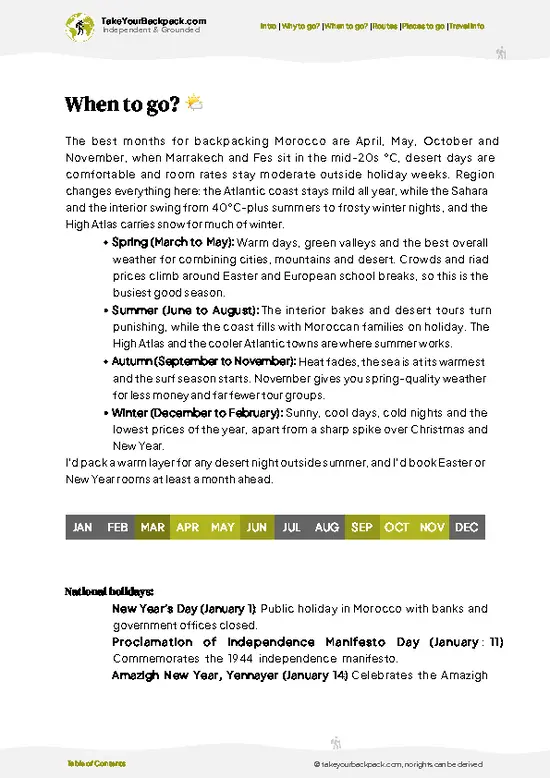
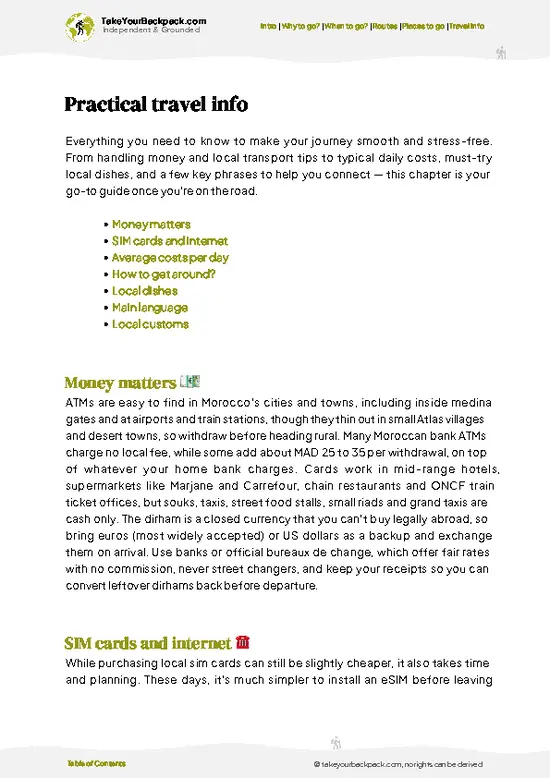
example page 0 from our offline Travel Guide for Morocco
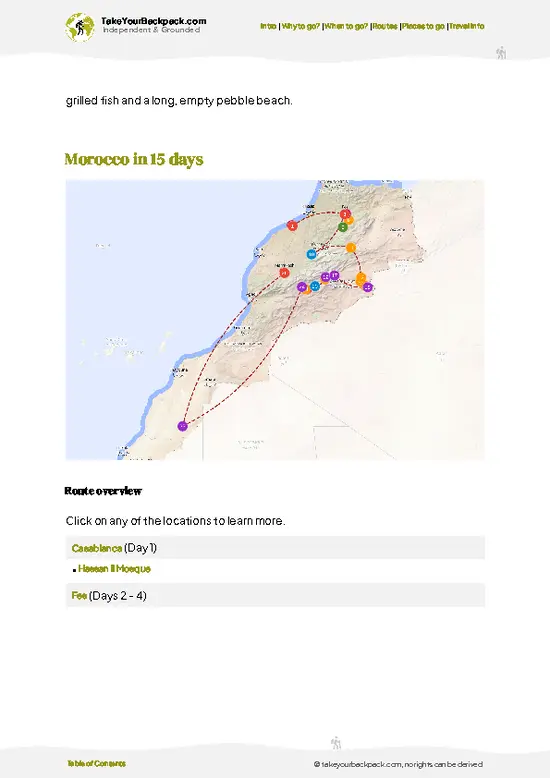
example page 1 from our offline Travel Guide for Morocco
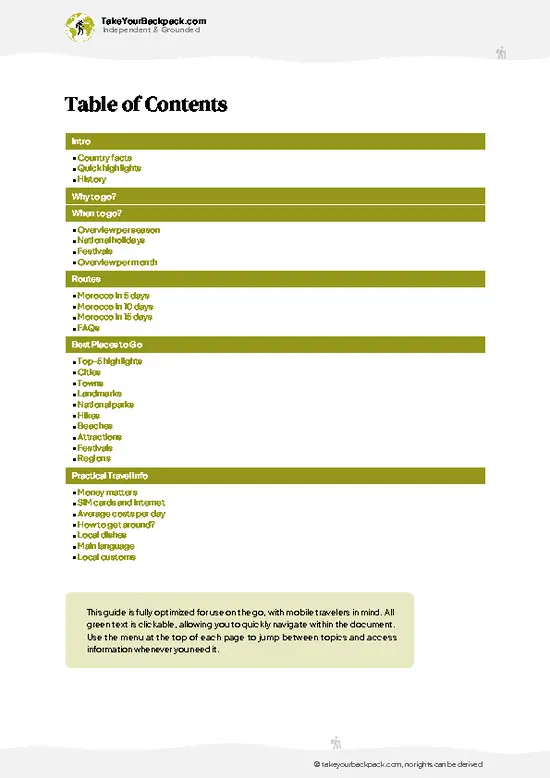
example page 2 from our offline Travel Guide for Morocco
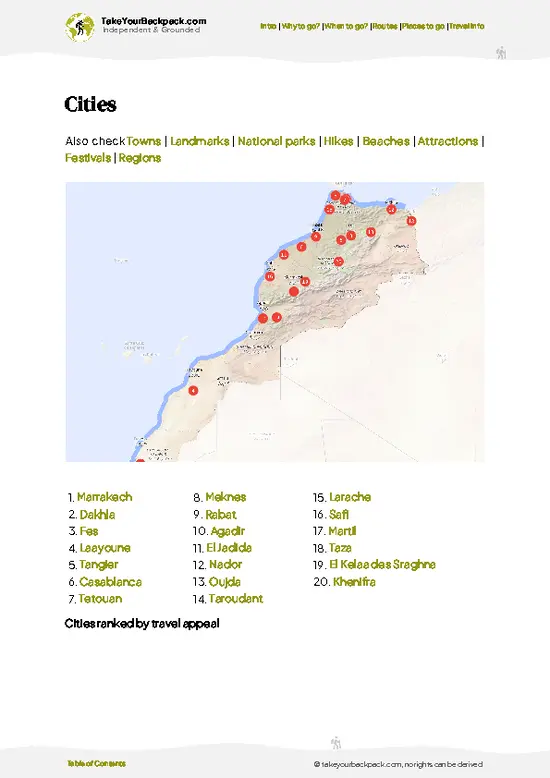
example page 3 from our offline Travel Guide for Morocco
example page 4 from our offline Travel Guide for Morocco
example page 5 from our offline Travel Guide for Morocco
example page 6 from our offline Travel Guide for Morocco
example page 7 from our offline Travel Guide for Morocco
Loading the map 🌍
CLICK TO FILTER
cities
towns
landmarks
national parks
hikes
beaches
attractions
festivals
regions
SHOW COUNTRY’S BESTSHOW ALL

✨ Why go?
Ranked #99 national park in Morocco
What makes it a must-see national park

Backpackers flock to Jebel Saghro National Park for its blend of independent exploration and stunning landscapes. The park offers a variety of trails, from easy walks to challenging scrambles, catering to all skill levels. This is a haven for self-guided travelers; well-marked paths allow you to navigate without the need for a tour.

Budget-conscious adventurers appreciate the camping options and nearby hostels, which keep costs low while providing a base for exploration. The park’s remote beauty means fewer crowds, allowing for a more intimate experience with nature. Just be prepared for the weather shifts—it can change quickly, so pack accordingly. This is where you’ll find the essence of Morocco without the tourist traps.

💡 HighlightsEssential experiences to have while exploring Jebel Saghro

  • Jagged ridgelines and lunar rockscape: The Saghro massif is all weathered volcanic rock and serrated peaks — think rust-colored cliffs, natural arches and slabs that look more lunar than Moroccan. It’s the park’s signature scenery and why photographers and geology nerds linger here.
  • Deep gorges and seasonal wadis: Narrow canyons cut through the stone, with sudden pockets of shade and tiny waterfalls after rains. Hiking down a wadi feels like entering a secret world — perfect for scrambling, route-finding, and dramatic light at midday or late afternoon.
  • Multi-day trekking routes and high passes: There are no paved promenades here — just old mule tracks and ridgelines that reward you with long, quiet days of walking. Routes vary from short canyon hikes to multi-day loops between villages
… read more 👉
  • Jagged ridgelines and lunar rockscape: The Saghro massif is all weathered volcanic rock and serrated peaks — think rust-colored cliffs, natural arches and slabs that look more lunar than Moroccan. It’s the park’s signature scenery and why photographers and geology nerds linger here.
  • Deep gorges and seasonal wadis: Narrow canyons cut through the stone, with sudden pockets of shade and tiny waterfalls after rains. Hiking down a wadi feels like entering a secret world — perfect for scrambling, route-finding, and dramatic light at midday or late afternoon.
  • Multi-day trekking routes and high passes: There are no paved promenades here — just old mule tracks and ridgelines that reward you with long, quiet days of walking. Routes vary from short canyon hikes to multi-day loops between villages and high cols; remoteness is the main attraction.
  • Berber villages and nomadic life: Tiny stone villages and seasonal shepherd camps dot the valleys. You’ll meet Aït Atta and other local peoples, share tea, sleep in simple gîtes or tents, and get real insight into living with scarce water and huge skies.
  • Palm oases and green valley floors: Where water collects, date palms and irrigated plots appear like little islands of green. These oases are beautiful contrasts to the surrounding rock and essential for wildlife and villages alike.
  • Rock-dwelling wildlife and raptors: Expect to spot cliff-loving birds of prey, small desert mammals and the occasional hardy ungulate sheltering on ledges. Wildlife is shy and sparse — spotting something feels earned — especially at dawn and dusk.
  • Dark skies and stargazing: Light pollution is almost non-existent. After a day of dusty hikes, the night sky explodes — Milky Way, shooting stars and a silence that makes the view feel private.
  • Personal favorite — sunset from a ridge above the gorges: Climb a short ridge late afternoon, watch the cliffs turn copper and the shadows stretch into the canyons. It’s simple, free, and the kind of moment that sticks with you on long, budget trips.
Spotted a mistake or missing something? Contact us.

Things to do near Jebel Saghro National Park

Ratings based on Tripadvisor reviews. When you book through this link, you support our work at no extra cost to you.

🌤️ When to go?Best time to explore Jebel Saghro

  • Weather: Spring (March to May) and autumn (September to November) offer mild, dry conditions. Summers scorch with daytime highs often exceeding 40°C (104°F), making trekking exhausting and risky.
  • Temperature: Winter nights can drop below freezing, around 0°C (32°F), so pack layers. Daytime temps hover around 15°C (59°F), comfortable but chilly in shade.
  • Daylight Hours: Longer days in spring and autumn provide 11-13 hours of light, perfect for extended hikes without rushing.
  • Crowds: The park sees fewer visitors overall, but spring attracts local trekkers. Avoid peak Moroccan holidays to dodge small spikes in crowding.
  • Seasonal Activities: Spring blooms bring wildflowers and better water sources; autumn offers clearer skies for stargazing and cooler trekking.
  • Price Fluctuations: Off-peak
… read more 👉
  • Weather: Spring (March to May) and autumn (September to November) offer mild, dry conditions. Summers scorch with daytime highs often exceeding 40°C (104°F), making trekking exhausting and risky.
  • Temperature: Winter nights can drop below freezing, around 0°C (32°F), so pack layers. Daytime temps hover around 15°C (59°F), comfortable but chilly in shade.
  • Daylight Hours: Longer days in spring and autumn provide 11-13 hours of light, perfect for extended hikes without rushing.
  • Crowds: The park sees fewer visitors overall, but spring attracts local trekkers. Avoid peak Moroccan holidays to dodge small spikes in crowding.
  • Seasonal Activities: Spring blooms bring wildflowers and better water sources; autumn offers clearer skies for stargazing and cooler trekking.
  • Price Fluctuations: Off-peak seasons (winter and summer) see lower accommodation and guide fees, but harsh weather can limit access and enjoyment.
Pro-tip: Aim for late March or early October—temperatures are bearable, trails are quiet, and you’ll save energy for the park’s raw, rugged beauty rather than battling weather or crowds.


source: climatestotravel.comJANJanuary: fair for travelingFEBFebruary: fair for travelingMARMarch: highly recommended for travelingAPRApril: excellent for travelingMAYMay: highly recommended for travelingJUNJune: fair for travelingJULJuly: below average for travelingAUGAugust: below average for travelingSEPSeptember: highly recommended for travelingOCTOctober: excellent for travelingNOVNovember: highly recommended for travelingDECDecember: fair for traveling
when-to-go

✈️ The backpacker research shortcutMorocco Travel Guide

An offline-friendly backpacking guide with optimized travel routes, ranked highlights, transport advice, and the best areas to stay.
example page 0 from our offline Travel Guide for Morocco
example page 1 from our offline Travel Guide for Morocco
example page 2 from our offline Travel Guide for Morocco
example page 3 from our offline Travel Guide for Morocco
example page 4 from our offline Travel Guide for Morocco
example page 5 from our offline Travel Guide for Morocco
example page 6 from our offline Travel Guide for Morocco
example page 7 from our offline Travel Guide for Morocco
The digital guide (424 pages) contains:
✅ 112 highlights, ranked by travel appeal
✅ Optimized 5, 10 & 15-day travel routes
✅ Cities, national parks, landmarks, beaches
✅ How to get around
✅ Offline-friendly for travel without Wi-Fi
👉 Click to see all 30+ guide features

📅 Plan smarter in minutes, not weeks
✅ Month by month travel advice
✅ Festivals & national holidays
✅ Budget expectations

🗺️ Go to the right places, skip the overrated ones
✅ Honest pros & cons of destinations
✅ Top hikes, parks & viewpoints
✅ Lesser-known places most travelers miss
✅ Clear “worth it vs skip it” guidance

🛏️ Travel smoothly without rookie mistakes
✅ Best areas to stay
✅ Transport systems explained simply
✅ Common scams & safety advice
✅ SIM cards, money & practical tips

🌍 Understand the country, not just visit it
✅ Culture & traditions
✅ 52 Essential phrases & customs
✅ Festivals worth planning around
✅ Traveler-friendly historical context
✅ Insights that make places more meaningful

📱 Built for real travel conditions
✅ Fully downloadable PDF
✅ Works completely offline
✅ Optimized for phone use
✅ Useful in remote areas & buses
✅ Everything in one place
Stop searching, start planning
Get instant access to your full guide. 30‑day money-back guarantee.
+ Add another guide for just

By proceeding you agree to our terms.
Sent to your inbox immediately after payment • 100% Secure Checkout
Best Backpacking Travel Advisor 2025 tourism awardBest Backpacking
Travel Advisor
2025
What others say about Take Your Backpack Guides:
⭐⭐⭐⭐⭐
Fantastic, amazing amount of information!
⭐⭐⭐⭐⭐
My goodness this is amazing, it's what I've been looking for hats off too you!
⭐⭐⭐⭐⭐
I think this is absolutely BRILLIANT
⭐⭐⭐⭐
Very complete and informative. It's still missing places, but I gotta to commend you
⭐⭐⭐⭐⭐
This is truly amazing, thank you, can't wait to explore it with my kids!
⭐⭐⭐⭐⭐
Awesome resource, thank you!
⭐⭐⭐⭐⭐
This is amazing! Can't wait to explore the ones I haven't seen
⭐⭐⭐⭐
I love this! Well done, great idea.
⭐⭐⭐⭐⭐
Thanks for taking the time to make this gem!
⭐⭐⭐⭐⭐
This might be the best website I've ever seen.
⭐⭐⭐⭐⭐
Congratulations, and thank you so much for your work; it's incredibly valuable.
⭐⭐⭐⭐
In all seriousness I think you did a great job pointing out the important spots
⭐⭐⭐⭐⭐
10/10 very good
⭐⭐⭐⭐⭐
As someone who's only just starting to visit regularly this is awesome, thank you.
⭐⭐⭐⭐
Thank you very much! I'm going to visit my dad, it's going to be very useful!
⭐⭐⭐⭐⭐
This is really cool! We'll be travelling for the first time and this definitely come in handy.
⭐⭐⭐⭐⭐
You are now our minister of culture, congratulations 👨‍💼
⭐⭐⭐⭐⭐
Just wanted to tell you that this is a pearl! Going to follow your recommendations.
⭐⭐⭐⭐⭐
This is so cool. I'll definitely be using the resource for my travels soon.
⭐⭐⭐⭐⭐
This is very impressive! Good work.
⭐⭐⭐⭐⭐
This is an amazing and informative site. Very well done!

🛏️ Where to stay?Best areas and accommodation options

For backpackers heading to Jebel Saghro National Park, options are limited but solid. There aren’t accommodations directly inside the park, but nearby towns like Nkob and Tazzarine offer a few budget-friendly choices.

In Nkob, check out the local guesthouses. They provide a cozy atmosphere and a chance to connect with locals. Tazzarine has a couple of simple hotels that cater to hikers, often with meals included.

If you’re looking for something a bit more adventurous, consider camping. Just be sure to ask locals about safe spots.

Keep in mind that the region can be remote, so stock up on … read more 👉
For backpackers heading to Jebel Saghro National Park, options are limited but solid. There aren’t accommodations directly inside the park, but nearby towns like Nkob and Tazzarine offer a few budget-friendly choices.

In Nkob, check out the local guesthouses. They provide a cozy atmosphere and a chance to connect with locals. Tazzarine has a couple of simple hotels that cater to hikers, often with meals included.

If you’re looking for something a bit more adventurous, consider camping. Just be sure to ask locals about safe spots.

Keep in mind that the region can be remote, so stock up on supplies before heading out. This way, you’ll save energy and budget for the experiences that truly matter—like those breathtaking views and the thrill of the trail.

👛 Costs (as of 15 October 2026)What things cost and how to budget

Visiting Jebel Saghro National Park in Morocco can be a rewarding experience, but it’s essential to be aware of the costs involved to avoid surprises.

Entrance fees to the park typically range from €5 to €10 per person. This fee grants you access to the stunning landscapes and hiking trails. However, if you plan to camp, expect to pay an additional €5 to €15 per night for a designated camping area.

Guided tours are popular for those wanting to explore deeper. Prices for these can vary significantly. A half-day tour might cost around €30 to €50, while a full-day tour can range from €60 to €100, depending on the guide’s experience and the inclusions.

Food and water are other considerations. If you’re dining in local eateries, budget about €5 to €15 per meal. Stocking up on snacks and water … read more 👉
Visiting Jebel Saghro National Park in Morocco can be a rewarding experience, but it’s essential to be aware of the costs involved to avoid surprises.

Entrance fees to the park typically range from €5 to €10 per person. This fee grants you access to the stunning landscapes and hiking trails. However, if you plan to camp, expect to pay an additional €5 to €15 per night for a designated camping area.

Guided tours are popular for those wanting to explore deeper. Prices for these can vary significantly. A half-day tour might cost around €30 to €50, while a full-day tour can range from €60 to €100, depending on the guide’s experience and the inclusions.

Food and water are other considerations. If you’re dining in local eateries, budget about €5 to €15 per meal. Stocking up on snacks and water at local shops will cost around €1 to €3 for basic supplies.

Transportation to and from the park is another factor. If you’re using public transport, expect to pay around €10 to €20 for a bus ride from nearby towns. Hiring a private taxi can set you back €50 or more, depending on your starting point.

Plan for these costs to keep your budget in check. This way, you can focus on enjoying the park’s beauty without financial stress.


source: visitmorocco.com
⚠️ Prices can change and everyone travels differently, so take this as a rough guide. Hope it helps you plan your adventure!

🥾 TrailsWhere to hike in Jebel Saghro: trails for every level

Jebel Saghro National Park is a hidden gem in Morocco, offering a mix of rugged landscapes and stunning vistas. The park’s terrain is a blend of volcanic rock formations, deep valleys, and dramatic cliffs, making it a paradise for those who love to hike away from the usual tourist trails. Expect to encounter diverse wildlife, including Barbary macaques and various bird species, adding a bit of life to your trek.

One of the standout trails is the Jebel Saghro Circuit, which gives you a taste of everything the park has to offer. Here are the details:
  • Length: 65 km
  • Estimated Duration: 5-7 days
  • Difficulty
… read more 👉
Jebel Saghro National Park is a hidden gem in Morocco, offering a mix of rugged landscapes and stunning vistas. The park’s terrain is a blend of volcanic rock formations, deep valleys, and dramatic cliffs, making it a paradise for those who love to hike away from the usual tourist trails. Expect to encounter diverse wildlife, including Barbary macaques and various bird species, adding a bit of life to your trek.

One of the standout trails is the Jebel Saghro Circuit, which gives you a taste of everything the park has to offer. Here are the details:
  • Length: 65 km
  • Estimated Duration: 5-7 days
  • Difficulty Level: Moderate to Challenging
  • Key Features: Stunning views of the volcanic formations, traditional Berber villages, and the chance to camp under the stars.
  • Terrain: Rocky paths, some steep ascents, and occasional river crossings.

Getting to the park can be a bit of an adventure in itself. While public transport options exist, they might not be the most straightforward. You can catch a bus to nearby towns like Tinerhir, then arrange for a taxi or shared ride to the park entrance. It’s usually not overcrowded, so you can enjoy the peace of nature without feeling like you’re in a line for a ride at an amusement park. As for entrance fees, they’re pretty reasonable, but it’s always good to check in advance to avoid any surprises.
⚠️ Hiking info can sometimes be outdated or inaccurate. Before you hit the trail, check the latest conditions with locals. If you do spot anything that's off, I'd love to hear from you, so I can update it for fellow travelers.

🛡️ SafetyScams, Hazards, and Annoyances

Jebel Saghro National Park offers a rewarding experience, but it’s wise to stay grounded. Weather can shift quickly; mornings might be cool, but afternoons can heat up. Dress in layers and stay hydrated. The terrain varies—some trails are steep and rocky, so good footwear is essential. Navigation can be tricky; a reliable map or GPS is your friend.

Wildlife is generally shy, but keep a respectful distance from any animals you encounter. Be aware of your surroundings, especially near water sources. Prepare for the unexpected, like sudden river crossings after rain. With thoughtful planning, you can focus on the beauty around you without unnecessary stress.

FAQCommon questions from travelers

3 to 4 days are recommended to explore Jebel Saghro National Park thoroughly, allowing time for trekking and acclimatization to the rugged terrain.
No, visiting Jebel Saghro National Park without a car is difficult due to its remote location and limited public transport options; a 4x4 vehicle or organized tour is advisable.
There is no official entrance fee or permit required to enter Jebel Saghro National Park, but hiring a local guide is strongly recommended for safety and navigation.
⚠️ Things can change over time, so always validate details locally before you go.

Other Moroccan national parks near Jebel Saghro

Explore more nearby:


💡 Not sure where to go next?
Create a personalized itinerary for Morocco including Jebel Saghro and the places that fit your trip.

Generate my itinerary

👉 Discover all national parks

Or checkout all Morocco has to offer (think cities, towns, villages, national parks, hikes, beaches, festivals)
Country photo of Morocco

We 💚 feedbackSumming up the experience

Jebel Saghro National Park is a treasure for those who crave solitude and rugged beauty. The stark landscapes and unique rock formations offer a refreshing escape from the usual tourist trails. Just be prepared for the lack of amenities—bring enough supplies and water. It’s worth it to experience the raw, unfiltered essence of Morocco.

✈️ When did I visit Morocco?
In October 2011, I backpacked Morocco for two weeks, with climbing the Mount Toubkal in summer clothing as a highlight.

✍️ Help improve this page!
The information on this page is based on my own backpacking experience in Morocco, supplemented with up-to-date research and feedback from other travelers. Travel details can change, so if you notice anything outdated or incomplete, feel free to let me know.


🙋‍♂️ Give feedback

👋 Meet the founderWho’s Behind Take Your Backpack?

Johan, backpacker and founder of TakeYourBackpackHi, I’m Johan (Netherlands 🇳🇱), the creator of TakeYourBackpack. Over the past 3 decades, I’ve backpacked through 90+ countries across six continents, gaining extensive experience with independent travel, long-term trips, and overland routes.

This site is built on a combination of firsthand travel experience and carefully curated insights from other backpackers. Many guides are based on places I’ve personally visited, while others bring together tips, observations, and practical advice shared by trusted travelers I’ve met along the way.

The goal is to provide realistic, experience-driven guidance — not generic itineraries — so you can explore destinations with better context, clearer expectations, and more confidence.