×

Morocco🇲🇦 | beachesPlage de Foum El OuedRiver-mouth lagoon, flamingos, far-south promenade, grilled fish stalls | things to do and best time to go

Explore Legzira BeachExplore Saidia Beach

Backpacking in Plage de Foum El Oued
👀 For curious travelersbeach ranked #6
By Johan Kruseman 🇳🇱 | Updated October 22, 2026

The Atlantic hit the sand in a long, flat slap, and I was surprised to see a wide, almost empty promenade where I had expected a fishing-village scrum. Plage de Foum El Oued sits in Morocco’s far south, west of Laayoune, where the Oued Saquia el Hamra reaches the sea. The sand is broad and pale, and the water is rough. Swim only in the calm patches near the river mouth, and skip the open surf. The lagoon and dunes give you big, flat views and flamingos on a good day. Cleanliness is mixed, with litter near the cafés. Food is cheap grilled fish and tagines, and rooms are basic. There are no dive or snorkel prospects. Compared with busy Tarfaya to the north, it feels more open, though far less rugged.

Discover everything you want to know in the 📖 Morocco Travel Guide.


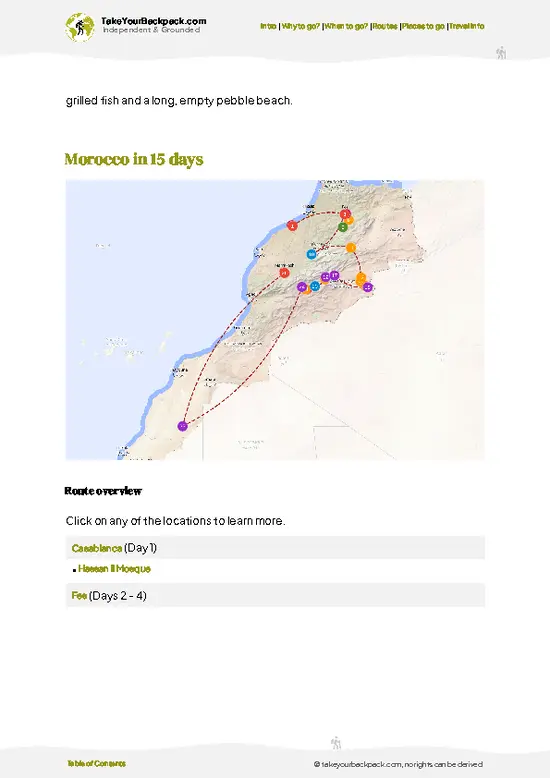
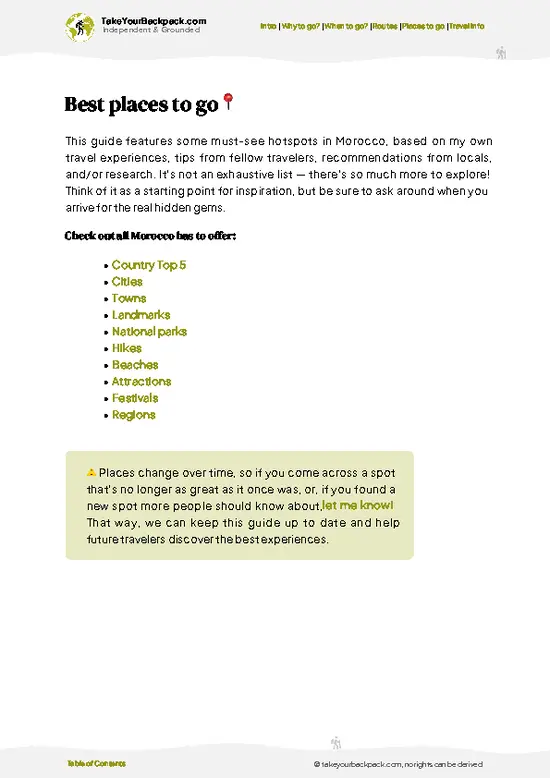
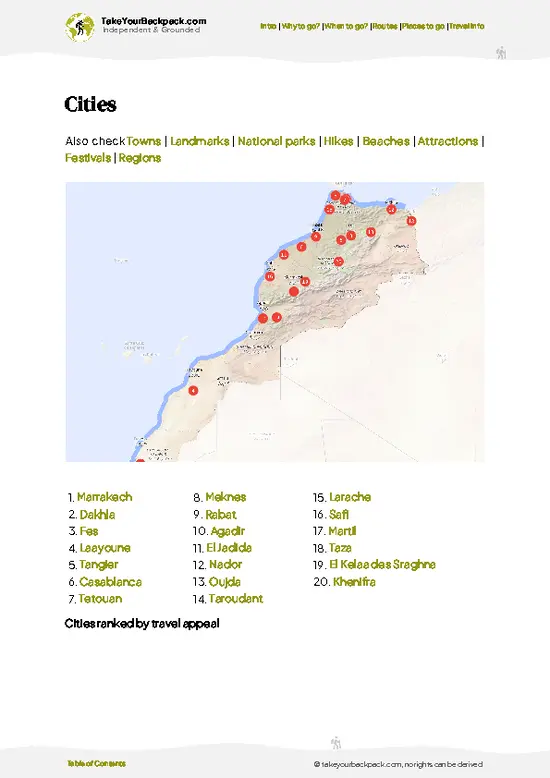
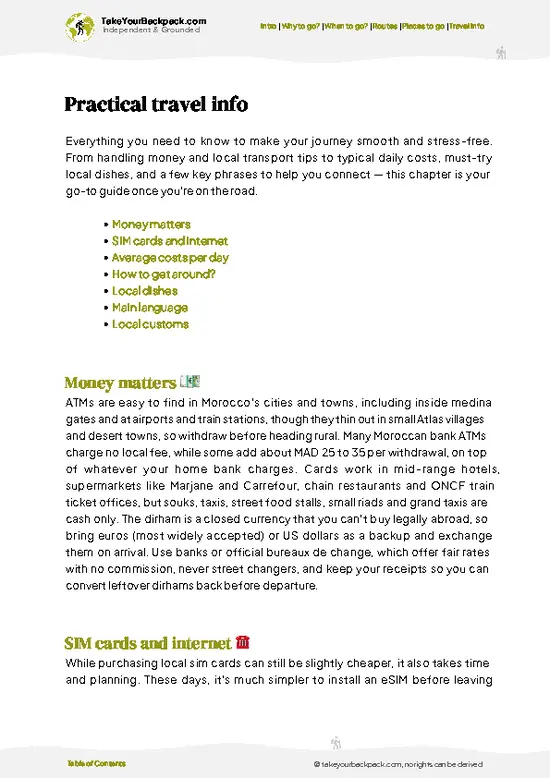
example page 0 from our offline Travel Guide for Morocco
example page 1 from our offline Travel Guide for Morocco
example page 2 from our offline Travel Guide for Morocco
example page 3 from our offline Travel Guide for Morocco
example page 4 from our offline Travel Guide for Morocco
example page 5 from our offline Travel Guide for Morocco
example page 6 from our offline Travel Guide for Morocco
example page 7 from our offline Travel Guide for Morocco
Loading the map 🌍
CLICK TO FILTER
cities
towns
landmarks
national parks
hikes
beaches
attractions
festivals
regions
SHOW COUNTRY’S BESTSHOW ALL

✨ Why go?
Ranked #6 beach in Morocco
What makes this beach worth visiting

Plage de Foum El Oued earns its stop because it is the only real coastal break on the long desert road around Laayoune. Backpackers come for the Oued Saquia el Hamra river mouth, where fresh and salt water meet and birds gather on the flats, a scene you will not find along the straight highway stretches. The beach also works as a connector. Laayoune is the nearest base, so you can ride out, eat fish at a simple stall, and walk the sand without a tour. The Atlantic surf here draws local kitesurfers and surfers, and the wind is steady enough to watch them for an hour. Evenings are low-key. Families picnic, locals play football, and the promenade fills slowly. You come here for space, cheap seafood and a breather between Saharan towns. Do not expect nightlife.

💡 HighlightsKey sights and experiences for travelers

  1. Oued Saquia el Hamra river mouth: the beach’s signature, where the river meets the Atlantic in a shallow lagoon. Walk the sandbars at low tide and watch waders feed.
  2. Flamingo and bird watching: the lagoon and wetland edges attract flamingos, herons and gulls in season. Bring binoculars and arrive early, when the light is soft and the flats are quiet.
  3. Kitesurfing and surf watching: strong Atlantic winds make this a spot for local riders. Even from the sand, you can watch jumps and wipeouts with a cheap coffee in hand.
  4. Beachfront grilled fish stalls: simple eateries along the front serve fresh catch with bread and salad. It is the best-value meal in the area.
  5. Sunset promenade stroll: the wide seafront walk fills with families and joggers in the evening. It gives you the local rhythm and long Atlantic
… read more 👉
  1. Oued Saquia el Hamra river mouth: the beach’s signature, where the river meets the Atlantic in a shallow lagoon. Walk the sandbars at low tide and watch waders feed.
  2. Flamingo and bird watching: the lagoon and wetland edges attract flamingos, herons and gulls in season. Bring binoculars and arrive early, when the light is soft and the flats are quiet.
  3. Kitesurfing and surf watching: strong Atlantic winds make this a spot for local riders. Even from the sand, you can watch jumps and wipeouts with a cheap coffee in hand.
  4. Beachfront grilled fish stalls: simple eateries along the front serve fresh catch with bread and salad. It is the best-value meal in the area.
  5. Sunset promenade stroll: the wide seafront walk fills with families and joggers in the evening. It gives you the local rhythm and long Atlantic views without a plan.
Plan on three to four hours to see all of it, or a relaxed half day if you add a long meal.
Spotted a mistake or missing something? Contact us.

🌤️ When to go?Choosing the right time of year

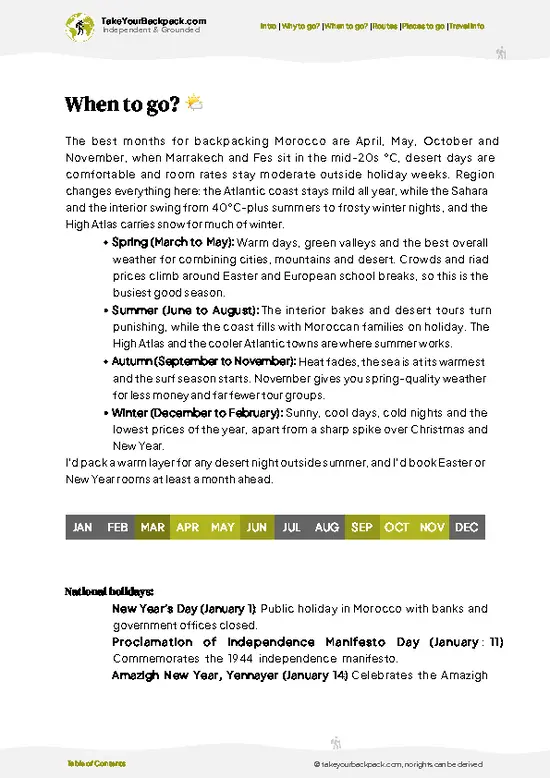
  • Winter (December to February): Days reach 20 to 23°C (68 to 73°F) and nights drop to 11 to 14°C (52 to 57°F). Daylight lasts about 10 to 11 hours. Water sits near 17 to 19°C (63 to 66°F), so you want a thin wetsuit for long swims.
  • Spring (March to May): Highs of 23 to 27°C (73 to 81°F) and the steadiest sunshine. Windsurfers and kitesurfers arrive for the thermal winds, and prices on rooms creep up.
  • Summer (June to September): Laayoune's inland heat can reach 35°C (95°F) or more, while the coast stays at 26 to 30°C (79 to 86°F) with a persistent haze. Moroccan holidaymakers fill the beach in July and August, and rates peak.
  • Autumn (October to November): Highs of 24 to 27°C (75 to 81°F), warm water, and thin crowds. Rain is rare but possible.
Aim for late October or April to dodge both the crowds and the chill.

source: climatestotravel.comJANJanuary: fair for travelingFEBFebruary: fair for travelingMARMarch: highly recommended for travelingAPRApril: excellent for travelingMAYMay: highly recommended for travelingJUNJune: good for travelingJULJuly: fair for travelingAUGAugust: fair for travelingSEPSeptember: highly recommended for travelingOCTOctober: excellent for travelingNOVNovember: highly recommended for travelingDECDecember: fair for traveling
when-to-go

✈️ The backpacker research shortcutMorocco Travel Guide

An offline-friendly backpacking guide with optimized travel routes, ranked highlights, transport advice, and the best areas to stay.
example page 0 from our offline Travel Guide for Morocco
example page 1 from our offline Travel Guide for Morocco
example page 2 from our offline Travel Guide for Morocco
example page 3 from our offline Travel Guide for Morocco
example page 4 from our offline Travel Guide for Morocco
example page 5 from our offline Travel Guide for Morocco
example page 6 from our offline Travel Guide for Morocco
example page 7 from our offline Travel Guide for Morocco
The digital guide (424 pages) contains:
✅ 112 highlights, ranked by travel appeal
✅ Optimized 5, 10 & 15-day travel routes
✅ Cities, national parks, landmarks, beaches
✅ How to get around
✅ Offline-friendly for travel without Wi-Fi
👉 Click to see all 30+ guide features

📅 Plan smarter in minutes, not weeks
✅ Month by month travel advice
✅ Festivals & national holidays
✅ Budget expectations

🗺️ Go to the right places, skip the overrated ones
✅ Honest pros & cons of destinations
✅ Top hikes, parks & viewpoints
✅ Lesser-known places most travelers miss
✅ Clear “worth it vs skip it” guidance

🛏️ Travel smoothly without rookie mistakes
✅ Best areas to stay
✅ Transport systems explained simply
✅ Common scams & safety advice
✅ SIM cards, money & practical tips

🌍 Understand the country, not just visit it
✅ Culture & traditions
✅ 52 Essential phrases & customs
✅ Festivals worth planning around
✅ Traveler-friendly historical context
✅ Insights that make places more meaningful

📱 Built for real travel conditions
✅ Fully downloadable PDF
✅ Works completely offline
✅ Optimized for phone use
✅ Useful in remote areas & buses
✅ Everything in one place
Stop searching, start planning
Get instant access to your full guide. 30‑day money-back guarantee.
+ Add another guide for just

By proceeding you agree to our terms.
Sent to your inbox immediately after payment • 100% Secure Checkout
Best Backpacking Travel Advisor 2025 tourism awardBest Backpacking
Travel Advisor
2025
What others say about Take Your Backpack Guides:
⭐⭐⭐⭐⭐
Fantastic, amazing amount of information!
⭐⭐⭐⭐⭐
My goodness this is amazing, it's what I've been looking for hats off too you!
⭐⭐⭐⭐⭐
I think this is absolutely BRILLIANT
⭐⭐⭐⭐
Very complete and informative. It's still missing places, but I gotta to commend you
⭐⭐⭐⭐⭐
This is truly amazing, thank you, can't wait to explore it with my kids!
⭐⭐⭐⭐⭐
Awesome resource, thank you!
⭐⭐⭐⭐⭐
This is amazing! Can't wait to explore the ones I haven't seen
⭐⭐⭐⭐
I love this! Well done, great idea.
⭐⭐⭐⭐⭐
Thanks for taking the time to make this gem!
⭐⭐⭐⭐⭐
This might be the best website I've ever seen.
⭐⭐⭐⭐⭐
Congratulations, and thank you so much for your work; it's incredibly valuable.
⭐⭐⭐⭐
In all seriousness I think you did a great job pointing out the important spots
⭐⭐⭐⭐⭐
10/10 very good
⭐⭐⭐⭐⭐
As someone who's only just starting to visit regularly this is awesome, thank you.
⭐⭐⭐⭐
Thank you very much! I'm going to visit my dad, it's going to be very useful!
⭐⭐⭐⭐⭐
This is really cool! We'll be travelling for the first time and this definitely come in handy.
⭐⭐⭐⭐⭐
You are now our minister of culture, congratulations 👨‍💼
⭐⭐⭐⭐⭐
Just wanted to tell you that this is a pearl! Going to follow your recommendations.
⭐⭐⭐⭐⭐
This is so cool. I'll definitely be using the resource for my travels soon.
⭐⭐⭐⭐⭐
This is very impressive! Good work.
⭐⭐⭐⭐⭐
This is an amazing and informative site. Very well done!

🛏️ Where to stay?Where staying makes the most sense

The village of Foum El Oued, right on the beach, is the practical base, with the city of Laayoune about 25 kilometers (15 miles) inland as the alternative. Staying in the village puts you a few minutes' walk from the sand, the fishing harbor and the seafront cafés where grilled fish is the main order. It is quiet, small and mostly local, so social energy comes from chatting with fishermen and the occasional kitesurfer rather than from a party scene. Expect simple guesthouses and rental apartments, and book ahead in July and August when families from across the country take every bed.

Laayoune … read more 👉
The village of Foum El Oued, right on the beach, is the practical base, with the city of Laayoune about 25 kilometers (15 miles) inland as the alternative. Staying in the village puts you a few minutes' walk from the sand, the fishing harbor and the seafront cafés where grilled fish is the main order. It is quiet, small and mostly local, so social energy comes from chatting with fishermen and the occasional kitesurfer rather than from a party scene. Expect simple guesthouses and rental apartments, and book ahead in July and August when families from across the country take every bed.

Laayoune itself has more choice, with budget hotels around the central avenues, supermarkets, ATMs and the bus station. It suits you if you arrive by long-distance bus or need supplies. You will need a taxi to reach the coast, and sharing one with other travelers cuts the cost. Solo travelers will find the city easier for meeting other people than the village. Both areas are calm, and the village feels especially relaxed after dark.

🛡️ SafetyStaying Safe: What Travelers Should Know

Plage de Foum El Oued is a wide, open Atlantic beach where the main issues are cold water, strong wind and surf, and rarely crime. Waves roll in with real energy, and currents can pull along the shore, especially near the river mouth and at the changing tides. Swim where you see local families, stay in waist-deep water if you are unsure, and avoid going out alone when the swell is up. Lifeguard cover is limited, so don't count on it. Marine life is not a concern for most visitors.

The sun and wind are the bigger daily factor. Afternoon breezes pick up and kick sand, and the haze can hide how strong the UV is, so bring sunscreen and a hat. Petty theft is uncommon, but keep your phone and cash with you instead of leaving them on the sand while you swim.

FAQCommon questions from travelers

Laayoune is the gateway, and Plage de Foum El Oued lies about 25 kilometers (15 miles) southwest of it on a paved road. A petit taxi or shared taxi from the city takes roughly 25 to 30 minutes and costs about US$10 to 20 for the car. Laayoune has an airport with flights from Casablanca (around 2 hours) and long-distance buses from Agadir and Dakhla.
Plage de Foum El Oued suits swimming on calm days and is a known spot for windsurfing and kitesurfing thanks to steady Atlantic winds, mostly from spring to autumn. Water temperatures of 17 to 22°C (63 to 72°F) make a thin wetsuit useful. Snorkeling is poor because of limited visibility and sandy bottoms, and currents mean you should swim near other people.
Yes, Plage de Foum El Oued is free to enter, with no gate or ticket for the beach. You pay only for extras such as a sunbed or umbrella, usually around US$2 to 5, and for food at the seafront cafés. Parking is informal and usually costs a small tip of about US$1.
⚠️ Things can change over time, so always validate details locally before you go.

Other Moroccan beaches near Plage de Foum El Oued

Explore more nearby:

  • Legzira Beach—Red sandstone arches, striped cliffs, tidal flats, overnight camping| 408 km away
  • Plage de El Argoub—Flat lagoon kitesurfing, afternoon wind, flamingo flats, white dune sandbank| 468 km away
  • Taghazout Beach—Beginner surf break, Anchor Point, fishing harbor, rooftop yoga| 519 km away

💡 Not sure where to go next?
Create a personalized itinerary for Morocco including Plage de Foum El Oued and the places that fit your trip.

Generate my itinerary

👉 Discover all beaches

Or checkout all Morocco has to offer (think cities, towns, villages, national parks, hikes, beaches, festivals)
Country photo of Morocco

We 💚 feedbackSumming up the experience

Plage de Foum El Oued works best as a half-day break from Laayoune, paired with a night in town and an onward push toward Dakhla or north to Tarfaya. I would bring a windbreaker and eat early at the fish stalls, then skip swimming unless the water is calm.

✈️ When did I visit Morocco?
In October 2011, I backpacked Morocco for two weeks, with climbing the Mount Toubkal in summer clothing as a highlight.

✍️ Help improve this page!
The information on this page is based on my own backpacking experience in Morocco, supplemented with up-to-date research and feedback from other travelers. Travel details can change, so if you notice anything outdated or incomplete, feel free to let me know.


🙋‍♂️ Give feedback

👋 Meet the founderWho’s Behind Take Your Backpack?

Johan, backpacker and founder of TakeYourBackpackHi, I’m Johan (Netherlands 🇳🇱), the creator of TakeYourBackpack. Over the past 3 decades, I’ve backpacked through 90+ countries across six continents, gaining extensive experience with independent travel, long-term trips, and overland routes.

This site is built on a combination of firsthand travel experience and carefully curated insights from other backpackers. Many guides are based on places I’ve personally visited, while others bring together tips, observations, and practical advice shared by trusted travelers I’ve met along the way.

The goal is to provide realistic, experience-driven guidance — not generic itineraries — so you can explore destinations with better context, clearer expectations, and more confidence.