×

Mozambique🇲🇿 | attractionsFEIMA Craft MarketMakonde carvings, capulana cloth, batik, bargaining | things to do and best time to go

Explore Maputo Central Railway StationExplore Maputo Fortress

Backpacking in FEIMA Craft Market
👌 Worth visitingattraction ranked #12
By Johan Kruseman 🇳🇱 | Updated October 22, 2026

Forty-odd stalls sit within a few steps of each other, so you can compare prices on carvings, batik and baskets in one loop without a taxi. FEIMA Craft Market is in Maputo, the capital of Mozambique, on the Parque dos Continuadores side of town near the Avenida 25 de Setembro. Expect sellers who call out and haggle hard, plus tourist-inflated opening prices, so counter low and smile. Entry costs nothing, and the real draw is the work itself: Makonde ebony figures, painted tin toys, capulana cloth and hand-woven bags. Weekends get crowded, and heat bakes the yard by midday. Shoppers who love bargaining and souvenirs with a maker's name behind them will have a blast. Anyone who hates haggling should skip it.

Discover everything you want to know in the 📖 Mozambique Travel Guide.


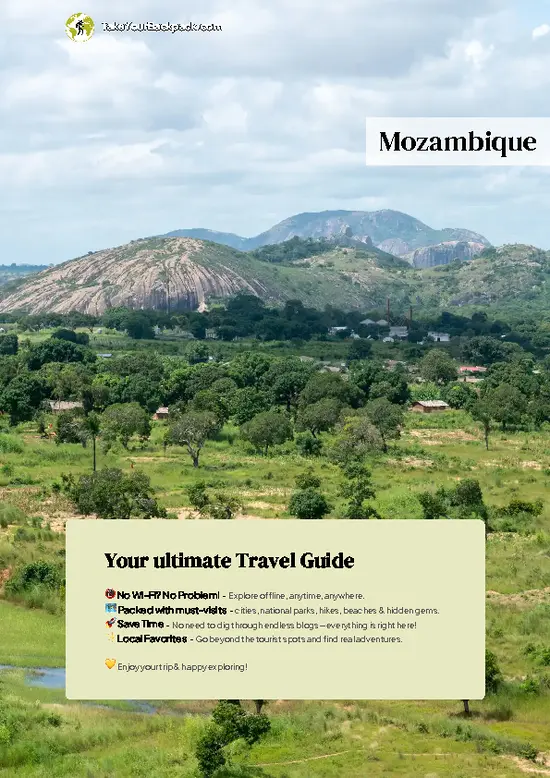
example page 0 from our offline Travel Guide for Mozambique
example page 1 from our offline Travel Guide for Mozambique
example page 2 from our offline Travel Guide for Mozambique
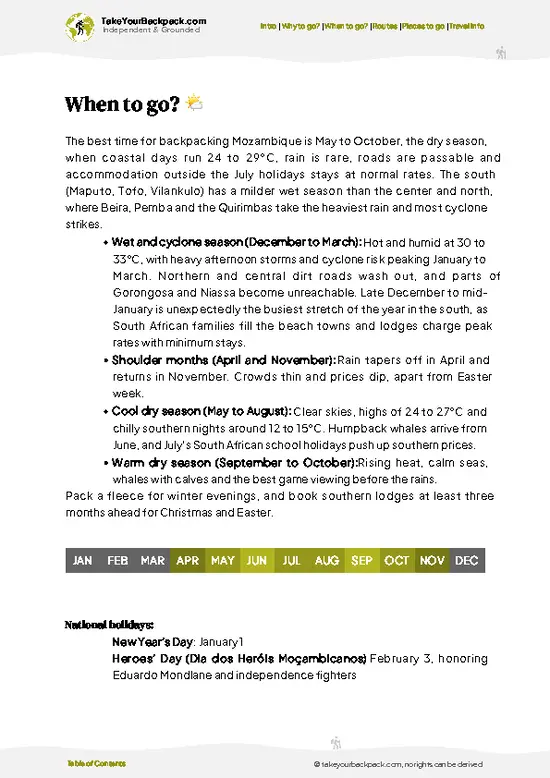
example page 3 from our offline Travel Guide for Mozambique
example page 4 from our offline Travel Guide for Mozambique
example page 5 from our offline Travel Guide for Mozambique
example page 6 from our offline Travel Guide for Mozambique
example page 7 from our offline Travel Guide for Mozambique
Loading the map 🌍
CLICK TO FILTER
cities
towns
national parks
hikes
beaches
attractions
festivals
regions
SHOW COUNTRY’S BESTSHOW ALL

✨ Why go?
Ranked #12 attraction in Mozambique
What makes it a must-see attraction

FEIMA Craft Market gathers Mozambican craft traditions in one walkable spot, so you can compare work from different regions without crossing the country. Makonde-style ebony and blackwood carvings sit beside colorful capulana cloth and hand-painted batik, and the sellers often know exactly who made what. That context turns shopping into a quick lesson in local art.

It also fits neatly into a Maputo day. You can browse in the morning, then roam on to the nearby neighborhoods and museums. If you want souvenirs that are more personal than a fridge magnet, this is where I would spend an hour or two, and where I would practice friendly, patient bargaining before heading to bigger purchases elsewhere.

💡 HighlightsPlaces and moments you shouldn't skip

  1. Wood carvings: Rows of carved figures, masks and animals, many in the Makonde tradition, dominate the stalls. Look for the dense, dark wood and fine detail.
  2. Capulana fabrics: Stacks of bright wrap cloth, sold by the length, show the patterns Mozambicans wear daily.
  3. Batik and paintings: Local artists sell scenes of markets, dancers and village life, often small enough to roll into a pack.
  4. Basketry and weaving: Straw baskets, mats and bags are lightweight and practical, a good buy for carry-on luggage.
  5. Beaded jewelry: Bracelets and necklaces in bold colors make easy gifts and are simple to bargain for in bundles.
  6. Metal and recycled art: Some sellers make sculptures and toys from scrap metal and wire, a distinctly Mozambican creative streak.
  7. Bargaining with the makers: Chatting with artisans about
… read more 👉
  1. Wood carvings: Rows of carved figures, masks and animals, many in the Makonde tradition, dominate the stalls. Look for the dense, dark wood and fine detail.
  2. Capulana fabrics: Stacks of bright wrap cloth, sold by the length, show the patterns Mozambicans wear daily.
  3. Batik and paintings: Local artists sell scenes of markets, dancers and village life, often small enough to roll into a pack.
  4. Basketry and weaving: Straw baskets, mats and bags are lightweight and practical, a good buy for carry-on luggage.
  5. Beaded jewelry: Bracelets and necklaces in bold colors make easy gifts and are simple to bargain for in bundles.
  6. Metal and recycled art: Some sellers make sculptures and toys from scrap metal and wire, a distinctly Mozambican creative streak.
  7. Bargaining with the makers: Chatting with artisans about technique often gets you a better price and a better story than any label could.
The wood carvings and the capulana fabrics combine well in one morning, since you can pick a carving, then find a cloth to wrap it in.
Spotted a mistake or missing something? Contact us.

Things to do around FEIMA Craft Market

Ratings based on Tripadvisor reviews. When you book through this link, you support our work at no extra cost to you.

🌤️ When to go?Weather, crowds, and seasonal trade-offs

  • Cool Dry Season (May to September): Maputo sits at about 17 to 26°C (63 to 79°F), with dry mornings that suit a long wander through the stalls. Weekends fill up with locals and weekend visitors.
  • Hot Wet Season (November to March): Expect 23 to 32°C (73 to 90°F), sticky afternoons and sudden downpours. The market is partly open-air, so stalls cover up and shoppers scatter. Haggling gets easier when trade is slow.
  • Shoulder Months (April, October): Around 20 to 29°C (68 to 84°F), lighter crowds and little rain.
  • Holiday Peaks (December, July): Crowds swell and craft prices creep up, as do beds in the city.
Arrive by late morning, before the midday heat and before vendors start packing up.

source: climatestotravel.comJANJanuary: fair for travelingFEBFebruary: fair for travelingMARMarch: fair for travelingAPRApril: fair for travelingMAYMay: highly recommended for travelingJUNJune: highly recommended for travelingJULJuly: good for travelingAUGAugust: good for travelingSEPSeptember: good for travelingOCTOctober: highly recommended for travelingNOVNovember: fair for travelingDECDecember: fair for traveling
when-to-go

✈️ The backpacker research shortcutMozambique Travel Guide

An offline-friendly backpacking guide with optimized travel routes, ranked highlights, transport advice, and the best areas to stay.
example page 0 from our offline Travel Guide for Mozambique
example page 1 from our offline Travel Guide for Mozambique
example page 2 from our offline Travel Guide for Mozambique
example page 3 from our offline Travel Guide for Mozambique
example page 4 from our offline Travel Guide for Mozambique
example page 5 from our offline Travel Guide for Mozambique
example page 6 from our offline Travel Guide for Mozambique
example page 7 from our offline Travel Guide for Mozambique
The digital guide (324 pages) contains:
✅ 78 highlights, ranked by travel appeal
✅ Optimized 5, 10 & 15-day travel routes
✅ Cities, national parks, landmarks, beaches
✅ How to get around
✅ Offline-friendly for travel without Wi-Fi
👉 Click to see all 30+ guide features

📅 Plan smarter in minutes, not weeks
✅ Month by month travel advice
✅ Festivals & national holidays
✅ Budget expectations

🗺️ Go to the right places, skip the overrated ones
✅ Honest pros & cons of destinations
✅ Top hikes, parks & viewpoints
✅ Lesser-known places most travelers miss
✅ Clear “worth it vs skip it” guidance

🛏️ Travel smoothly without rookie mistakes
✅ Best areas to stay
✅ Transport systems explained simply
✅ Common scams & safety advice
✅ SIM cards, money & practical tips

🌍 Understand the country, not just visit it
✅ Culture & traditions
✅ 52 Essential phrases & customs
✅ Festivals worth planning around
✅ Traveler-friendly historical context
✅ Insights that make places more meaningful

📱 Built for real travel conditions
✅ Fully downloadable PDF
✅ Works completely offline
✅ Optimized for phone use
✅ Useful in remote areas & buses
✅ Everything in one place
Stop searching, start planning
Get instant access to your full guide. 30‑day money-back guarantee.
+ Add another guide for just

By proceeding you agree to our terms.
Sent to your inbox immediately after payment • 100% Secure Checkout
Best Backpacking Travel Advisor 2025 tourism awardBest Backpacking
Travel Advisor
2025
What others say about Take Your Backpack Guides:
⭐⭐⭐⭐⭐
Fantastic, amazing amount of information!
⭐⭐⭐⭐⭐
My goodness this is amazing, it's what I've been looking for hats off too you!
⭐⭐⭐⭐⭐
I think this is absolutely BRILLIANT
⭐⭐⭐⭐
Very complete and informative. It's still missing places, but I gotta to commend you
⭐⭐⭐⭐⭐
This is truly amazing, thank you, can't wait to explore it with my kids!
⭐⭐⭐⭐⭐
Awesome resource, thank you!
⭐⭐⭐⭐⭐
This is amazing! Can't wait to explore the ones I haven't seen
⭐⭐⭐⭐
I love this! Well done, great idea.
⭐⭐⭐⭐⭐
Thanks for taking the time to make this gem!
⭐⭐⭐⭐⭐
This might be the best website I've ever seen.
⭐⭐⭐⭐⭐
Congratulations, and thank you so much for your work; it's incredibly valuable.
⭐⭐⭐⭐
In all seriousness I think you did a great job pointing out the important spots
⭐⭐⭐⭐⭐
10/10 very good
⭐⭐⭐⭐⭐
As someone who's only just starting to visit regularly this is awesome, thank you.
⭐⭐⭐⭐
Thank you very much! I'm going to visit my dad, it's going to be very useful!
⭐⭐⭐⭐⭐
This is really cool! We'll be travelling for the first time and this definitely come in handy.
⭐⭐⭐⭐⭐
You are now our minister of culture, congratulations 👨‍💼
⭐⭐⭐⭐⭐
Just wanted to tell you that this is a pearl! Going to follow your recommendations.
⭐⭐⭐⭐⭐
This is so cool. I'll definitely be using the resource for my travels soon.
⭐⭐⭐⭐⭐
This is very impressive! Good work.
⭐⭐⭐⭐⭐
This is an amazing and informative site. Very well done!

🛏️ Where to stay?Best areas to stay in Mozambique

The Polana and Sommerschield area is the most practical base, with the market roughly 2 to 4 kilometers away (a 10 to 15 minute ride). Streets are leafy, embassies keep security visible, and a handful of backpacker-friendly guesthouses and dorms gather here, so you meet other travelers over breakfast and swap tips on onward buses.

Baixa, the downtown grid near the train station and the Praça da Independência, is cheaper and closer to the cafes, the fish market and the ferry to Catembe. It is livelier but needs more care after dark, so take a taxi or ride-hailing car at night rather than walking. … read more 👉
The Polana and Sommerschield area is the most practical base, with the market roughly 2 to 4 kilometers away (a 10 to 15 minute ride). Streets are leafy, embassies keep security visible, and a handful of backpacker-friendly guesthouses and dorms gather here, so you meet other travelers over breakfast and swap tips on onward buses.

Baixa, the downtown grid near the train station and the Praça da Independência, is cheaper and closer to the cafes, the fish market and the ferry to Catembe. It is livelier but needs more care after dark, so take a taxi or ride-hailing car at night rather than walking.

Alto Maé suits those watching costs and sits near the central market, though it has fewer social options. Wherever you sleep, pick a place with a lockable bag room and book ahead in July and December.

👛 Costs (as of 22 October 2026)How expensive it really is

A day around FEIMA Craft Market costs about US$31 to 62 for a backpacker, with the market itself free to enter. Prices are paid in meticais, and cash is king at the stalls.
CategoryBudget RangeLocal Reality
EntryFreeNo ticket, just walk in
Accommodation (high season)US$15 to 25Dorm bed or basic guesthouse room in Polana or Baixa
TransportUS$3 to 8Chapa minibus is cheap, ride-hailing or taxi costs more but is easier with bags
Food and drinkUS$8 to 14Grilled chicken, prawns or street snacks, plus coffee
Crafts and souvenirsUS$5 to 15Batiks, carved wood, beaded items; bargain politely, start near half the asking price
Total Daily BudgetUS$31 to 62Roughly US$46 for a typical day
⚠️ Prices can change and everyone travels differently, so take this as a rough guide. Hope it helps you plan your adventure!

FAQFrequently asked questions about FEIMA Craft Market

Plan on one to two hours at FEIMA Craft Market, which is enough to circle the stalls and bargain without rushing. Add another hour if you plan to eat at the nearby food stands. Arrive in the morning, when it is cooler and vendors are fully set up.
Yes, FEIMA Craft Market is worth it because there is no entrance fee at all. You pay only for what you buy, and handmade items such as batik cloth, carvings and beadwork typically run US$5 to 30 after bargaining. Prices are usually lower than in downtown souvenir shops.
FEIMA Craft Market is in Maputo, around 3 to 6 kilometers from the downtown Baixa, so a taxi or ride-hailing car takes 10 to 20 minutes and costs roughly US$3 to 6. Chapa minibuses cost under US$1 but are crowded and hard to follow for newcomers. Ask your guesthouse to confirm the stop or to call a taxi for the return.
⚠️ Things can change over time, so always validate details locally before you go.

Other Mozambican attractions near FEIMA Craft Market

Explore more nearby:


💡 Not sure where to go next?
Create a personalized itinerary for Mozambique including FEIMA Craft Market and the places that fit your trip.

Generate my itinerary

👉 Discover all attractions

Or checkout all Mozambique has to offer (think cities, towns, villages, national parks, hikes, beaches, festivals)
Country photo of Mozambique

We 💚 feedbackParting advice and final tips

FEIMA Craft Market is at its best on a weekday morning, when stalls are freshly arranged and sellers have time to chat. I would go early, carry small notes, and leave the big purchase for a second lap once you know the going prices.

✍️ Help improve this page!
The information on this page is based on in-depth research, insights shared by experienced travelers, and feedback from the local travel community in Mozambique. While every effort is made to keep the information accurate and current, conditions can change — so if you spot anything incorrect or outdated, please get in touch.


🙋‍♂️ Give feedback

👋 Meet the founderWho’s Behind Take Your Backpack?

Johan, backpacker and founder of TakeYourBackpackHi, I’m Johan (Netherlands 🇳🇱), the creator of TakeYourBackpack. Over the past 3 decades, I’ve backpacked through 90+ countries across six continents, gaining extensive experience with independent travel, long-term trips, and overland routes.

This site is built on a combination of firsthand travel experience and carefully curated insights from other backpackers. Many guides are based on places I’ve personally visited, while others bring together tips, observations, and practical advice shared by trusted travelers I’ve met along the way.

The goal is to provide realistic, experience-driven guidance — not generic itineraries — so you can explore destinations with better context, clearer expectations, and more confidence.