

The Grand Facade and Dome
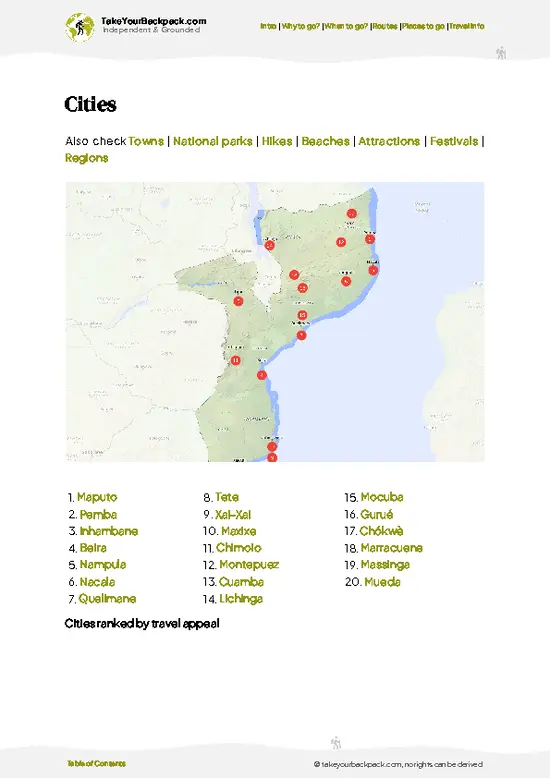
Let’s get real: most people come for the photo, and yes, the station’s green copper dome and sweeping facade are as dramatic in person as they look online. But here’s the truth—stand under that dome at dusk, when the city’s chaos softens, and you’ll feel the weight of a century’s worth of arrivals and departures. It’s not just a backdrop; it’s a living piece of colonial-era ambition, designed by an associate of Gustave Eiffel. No, Eiffel didn’t design it himself—don’t let anyone sell you that myth—but the ironwork and symmetry have his fingerprints all over them. The station is a monument to Mozambique’s complicated past, and it’s still the city’s unofficial living room.
Platform People-Watching
Forget the empty Instagram shots. The real show is on the platforms. This … read more 👉
Let’s get real: most people come for the photo, and yes, the station’s green copper dome and sweeping facade are as dramatic in person as they look online. But here’s the truth—stand under that dome at dusk, when the city’s chaos softens, and you’ll feel the weight of a century’s worth of arrivals and departures. It’s not just a backdrop; it’s a living piece of colonial-era ambition, designed by an associate of Gustave Eiffel. No, Eiffel didn’t design it himself—don’t let anyone sell you that myth—but the ironwork and symmetry have his fingerprints all over them. The station is a monument to Mozambique’s complicated past, and it’s still the city’s unofficial living room.
Platform People-Watching
Forget the empty Instagram shots. The real show is on the platforms. This … read more 👉
The Grand Facade and Dome
Let’s get real: most people come for the photo, and yes, the station’s green copper dome and sweeping facade are as dramatic in person as they look online. But here’s the truth—stand under that dome at dusk, when the city’s chaos softens, and you’ll feel the weight of a century’s worth of arrivals and departures. It’s not just a backdrop; it’s a living piece of colonial-era ambition, designed by an associate of Gustave Eiffel. No, Eiffel didn’t design it himself—don’t let anyone sell you that myth—but the ironwork and symmetry have his fingerprints all over them. The station is a monument to Mozambique’s complicated past, and it’s still the city’s unofficial living room.
Platform People-Watching
Forget the empty Instagram shots. The real show is on the platforms. This is where Maputo’s pulse is loudest: vendors hawking samosas and cashews, travelers hauling sacks of produce, and the occasional jazz musician busking for coins. You’ll see businessmen in pressed shirts, barefoot kids, and grandmothers in capulanas all sharing the same benches. It’s a cross-section of Mozambican life, unscripted and unfiltered. If you want to understand the city, spend an hour just watching the world go by.
The Kulungwana Art Gallery
Tucked inside the station, this gallery is easy to miss—and that’s a mistake. Kulungwana showcases contemporary Mozambican artists, from bold canvases to intricate sculpture. The contrast between the colonial bones of the building and the raw, modern energy of the art is electric. You’ll find pieces that challenge, provoke, and celebrate Mozambican identity. It’s a crash course in the country’s creative scene, and a reminder that Maputo is more than its past.
Live Music Nights
If you’re lucky (or plan ahead), catch one of the live music events hosted in the station’s main hall. The acoustics are surprisingly good, and the vibe is pure Maputo: a swirl of jazz, marrabenta, and Afro-fusion that spills out onto the marble floors. These nights draw a crowd that’s equal parts local and traveler, and the energy is contagious. It’s not a tourist show—it’s a city celebrating itself, and you’re invited.
Railway Museum
Don’t expect a slick, curated experience—this is old-school, slightly dusty, and all the better for it. The museum is a jumble of vintage locomotives, antique tickets, and faded photographs. It’s a time capsule of colonial ambition and post-independence resilience. If you’re a train nerd, you’ll geek out over the details. If you’re not, you’ll still walk away with a sense of how the rails shaped Mozambique’s destiny.
Sunset from the Steps
Here’s the move: grab a cold 2M beer from a nearby kiosk, sit on the station steps, and watch the city change color as the sun drops behind the palm trees. It’s not glamorous, but it’s honest. You’ll share the moment with commuters, street kids, and the odd stray dog. No filter needed—just Maputo, raw and real.
Let’s get real: most people come for the photo, and yes, the station’s green copper dome and sweeping facade are as dramatic in person as they look online. But here’s the truth—stand under that dome at dusk, when the city’s chaos softens, and you’ll feel the weight of a century’s worth of arrivals and departures. It’s not just a backdrop; it’s a living piece of colonial-era ambition, designed by an associate of Gustave Eiffel. No, Eiffel didn’t design it himself—don’t let anyone sell you that myth—but the ironwork and symmetry have his fingerprints all over them. The station is a monument to Mozambique’s complicated past, and it’s still the city’s unofficial living room.
Platform People-Watching
Forget the empty Instagram shots. The real show is on the platforms. This is where Maputo’s pulse is loudest: vendors hawking samosas and cashews, travelers hauling sacks of produce, and the occasional jazz musician busking for coins. You’ll see businessmen in pressed shirts, barefoot kids, and grandmothers in capulanas all sharing the same benches. It’s a cross-section of Mozambican life, unscripted and unfiltered. If you want to understand the city, spend an hour just watching the world go by.
The Kulungwana Art Gallery
Tucked inside the station, this gallery is easy to miss—and that’s a mistake. Kulungwana showcases contemporary Mozambican artists, from bold canvases to intricate sculpture. The contrast between the colonial bones of the building and the raw, modern energy of the art is electric. You’ll find pieces that challenge, provoke, and celebrate Mozambican identity. It’s a crash course in the country’s creative scene, and a reminder that Maputo is more than its past.
Live Music Nights
If you’re lucky (or plan ahead), catch one of the live music events hosted in the station’s main hall. The acoustics are surprisingly good, and the vibe is pure Maputo: a swirl of jazz, marrabenta, and Afro-fusion that spills out onto the marble floors. These nights draw a crowd that’s equal parts local and traveler, and the energy is contagious. It’s not a tourist show—it’s a city celebrating itself, and you’re invited.
Railway Museum
Don’t expect a slick, curated experience—this is old-school, slightly dusty, and all the better for it. The museum is a jumble of vintage locomotives, antique tickets, and faded photographs. It’s a time capsule of colonial ambition and post-independence resilience. If you’re a train nerd, you’ll geek out over the details. If you’re not, you’ll still walk away with a sense of how the rails shaped Mozambique’s destiny.
Sunset from the Steps
Here’s the move: grab a cold 2M beer from a nearby kiosk, sit on the station steps, and watch the city change color as the sun drops behind the palm trees. It’s not glamorous, but it’s honest. You’ll share the moment with commuters, street kids, and the odd stray dog. No filter needed—just Maputo, raw and real.
Spotted a mistake or missing something? Contact us.
v2.webp)


Best Backpacking
Hi, I’m Johan (Netherlands 🇳🇱), the creator of TakeYourBackpack. Over the past decade, I’ve backpacked through 80+ countries across six continents, gaining extensive experience with independent travel, long-term trips, and overland routes.