




The Ramparts and Ocean Views
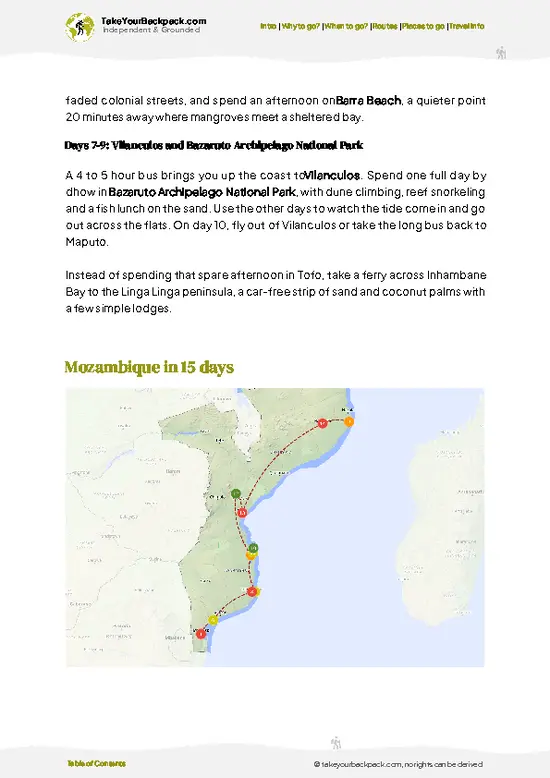
Let’s get real: you’re not coming to Fort São Sebastião for a sterile museum experience. You’re here to stand on thick, centuries-old ramparts and stare out at the Indian Ocean, feeling the wind that Portuguese sailors once cursed and prayed to. The views are raw and cinematic—no filter needed, no crowd control barriers to ruin your shot. You’ll see dhows gliding past, kids fishing off the rocks, and the kind of horizon that makes you forget your phone exists. This is the fort’s main event, and it’s worth every step up those battered stone stairs.
The Chapel of Nossa Senhora de Baluarte
This isn’t just another old church. It’s the oldest European building in the Southern Hemisphere, and it sits just outside the fort’s walls, battered by salt and time. Step inside … read more 👉
Let’s get real: you’re not coming to Fort São Sebastião for a sterile museum experience. You’re here to stand on thick, centuries-old ramparts and stare out at the Indian Ocean, feeling the wind that Portuguese sailors once cursed and prayed to. The views are raw and cinematic—no filter needed, no crowd control barriers to ruin your shot. You’ll see dhows gliding past, kids fishing off the rocks, and the kind of horizon that makes you forget your phone exists. This is the fort’s main event, and it’s worth every step up those battered stone stairs.
The Chapel of Nossa Senhora de Baluarte
This isn’t just another old church. It’s the oldest European building in the Southern Hemisphere, and it sits just outside the fort’s walls, battered by salt and time. Step inside … read more 👉
The Ramparts and Ocean Views
Let’s get real: you’re not coming to Fort São Sebastião for a sterile museum experience. You’re here to stand on thick, centuries-old ramparts and stare out at the Indian Ocean, feeling the wind that Portuguese sailors once cursed and prayed to. The views are raw and cinematic—no filter needed, no crowd control barriers to ruin your shot. You’ll see dhows gliding past, kids fishing off the rocks, and the kind of horizon that makes you forget your phone exists. This is the fort’s main event, and it’s worth every step up those battered stone stairs.
The Chapel of Nossa Senhora de Baluarte
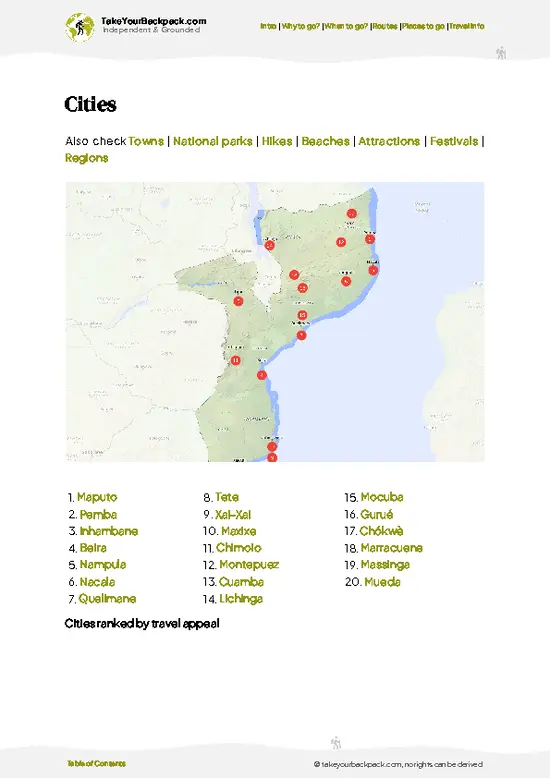
This isn’t just another old church. It’s the oldest European building in the Southern Hemisphere, and it sits just outside the fort’s walls, battered by salt and time. Step inside and you’ll find a space so simple and stark it feels almost prehistoric—whitewashed walls, a stone altar, and the echo of centuries of whispered prayers. The real magic is the light: late afternoon sun slants through the tiny windows, turning the chapel into a living photograph. If you’re chasing authenticity, this is it.
The Cannons and Defensive Architecture
Forget the Instagrammers posing with rusty cannons—these are the real deal, left behind by centuries of colonial paranoia. Walk the perimeter and you’ll see how the fort was designed to repel invaders from every angle. The cannons are still aimed at the sea, and if you let your imagination off the leash, you can almost hear the chaos of a 17th-century siege. It’s hands-on history, not a sanitized diorama.
The Underground Cisterns
Most visitors miss this one, and that’s a mistake. The fort’s underground cisterns are cool, dark, and echo with the drip of water—an engineering marvel that kept the garrison alive during sieges. Descend into the gloom and you’ll get a visceral sense of what it took to survive here. It’s not glamorous, but it’s unforgettable in the way that matters: you’ll remember the chill on your skin and the silence long after you leave.
The Patina of Time
Here’s the truth: Fort São Sebastião isn’t polished. The walls are scabbed with lichen, the paint is peeling, and the place smells of salt and old stone. But that’s the point. Every crack and stain is a badge of survival. You’re not walking through a theme park; you’re moving through a living relic that’s shrugged off centuries of storms, wars, and neglect. The fort’s authenticity is its entertainment—if you want something shiny, look elsewhere. If you want the real story, it’s written in these walls.
Let’s get real: you’re not coming to Fort São Sebastião for a sterile museum experience. You’re here to stand on thick, centuries-old ramparts and stare out at the Indian Ocean, feeling the wind that Portuguese sailors once cursed and prayed to. The views are raw and cinematic—no filter needed, no crowd control barriers to ruin your shot. You’ll see dhows gliding past, kids fishing off the rocks, and the kind of horizon that makes you forget your phone exists. This is the fort’s main event, and it’s worth every step up those battered stone stairs.
The Chapel of Nossa Senhora de Baluarte
This isn’t just another old church. It’s the oldest European building in the Southern Hemisphere, and it sits just outside the fort’s walls, battered by salt and time. Step inside and you’ll find a space so simple and stark it feels almost prehistoric—whitewashed walls, a stone altar, and the echo of centuries of whispered prayers. The real magic is the light: late afternoon sun slants through the tiny windows, turning the chapel into a living photograph. If you’re chasing authenticity, this is it.
The Cannons and Defensive Architecture
Forget the Instagrammers posing with rusty cannons—these are the real deal, left behind by centuries of colonial paranoia. Walk the perimeter and you’ll see how the fort was designed to repel invaders from every angle. The cannons are still aimed at the sea, and if you let your imagination off the leash, you can almost hear the chaos of a 17th-century siege. It’s hands-on history, not a sanitized diorama.
The Underground Cisterns
Most visitors miss this one, and that’s a mistake. The fort’s underground cisterns are cool, dark, and echo with the drip of water—an engineering marvel that kept the garrison alive during sieges. Descend into the gloom and you’ll get a visceral sense of what it took to survive here. It’s not glamorous, but it’s unforgettable in the way that matters: you’ll remember the chill on your skin and the silence long after you leave.
The Patina of Time
Here’s the truth: Fort São Sebastião isn’t polished. The walls are scabbed with lichen, the paint is peeling, and the place smells of salt and old stone. But that’s the point. Every crack and stain is a badge of survival. You’re not walking through a theme park; you’re moving through a living relic that’s shrugged off centuries of storms, wars, and neglect. The fort’s authenticity is its entertainment—if you want something shiny, look elsewhere. If you want the real story, it’s written in these walls.
Spotted a mistake or missing something? Contact us.
v2.webp)

Best Backpacking
Hi, I’m Johan (Netherlands 🇳🇱), the creator of TakeYourBackpack. Over the past decade, I’ve backpacked through 80+ countries across six continents, gaining extensive experience with independent travel, long-term trips, and overland routes.