

The Walk Across the Tidal Causeway
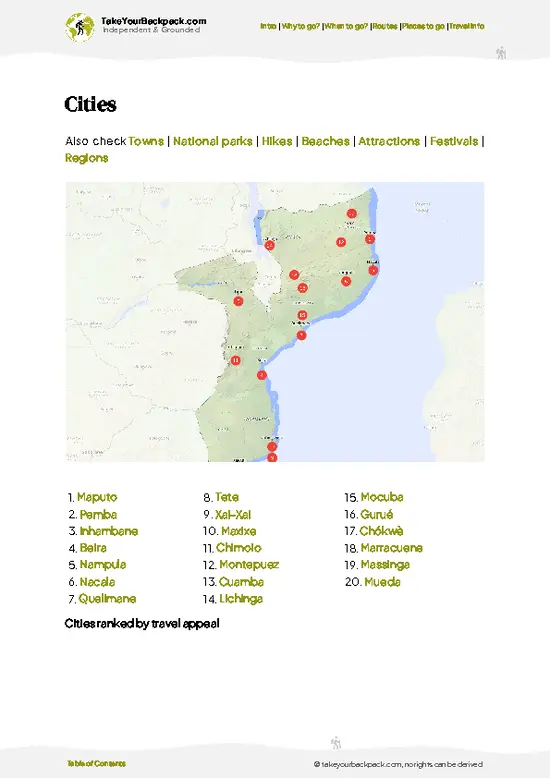
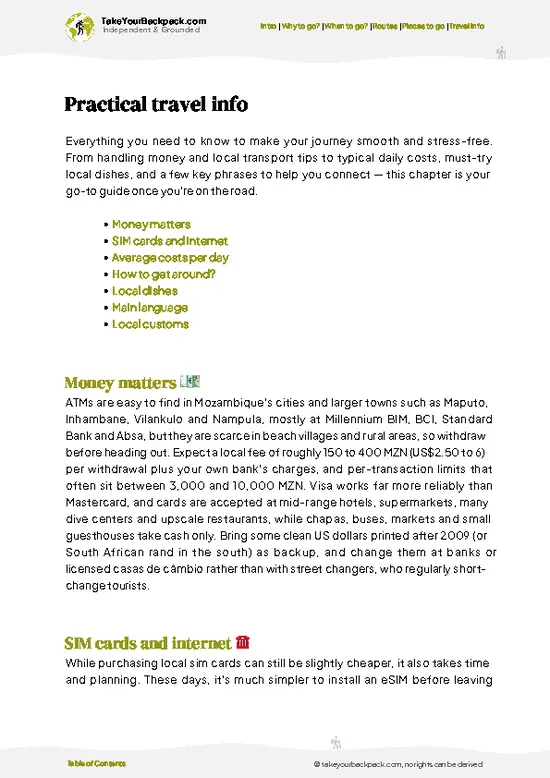
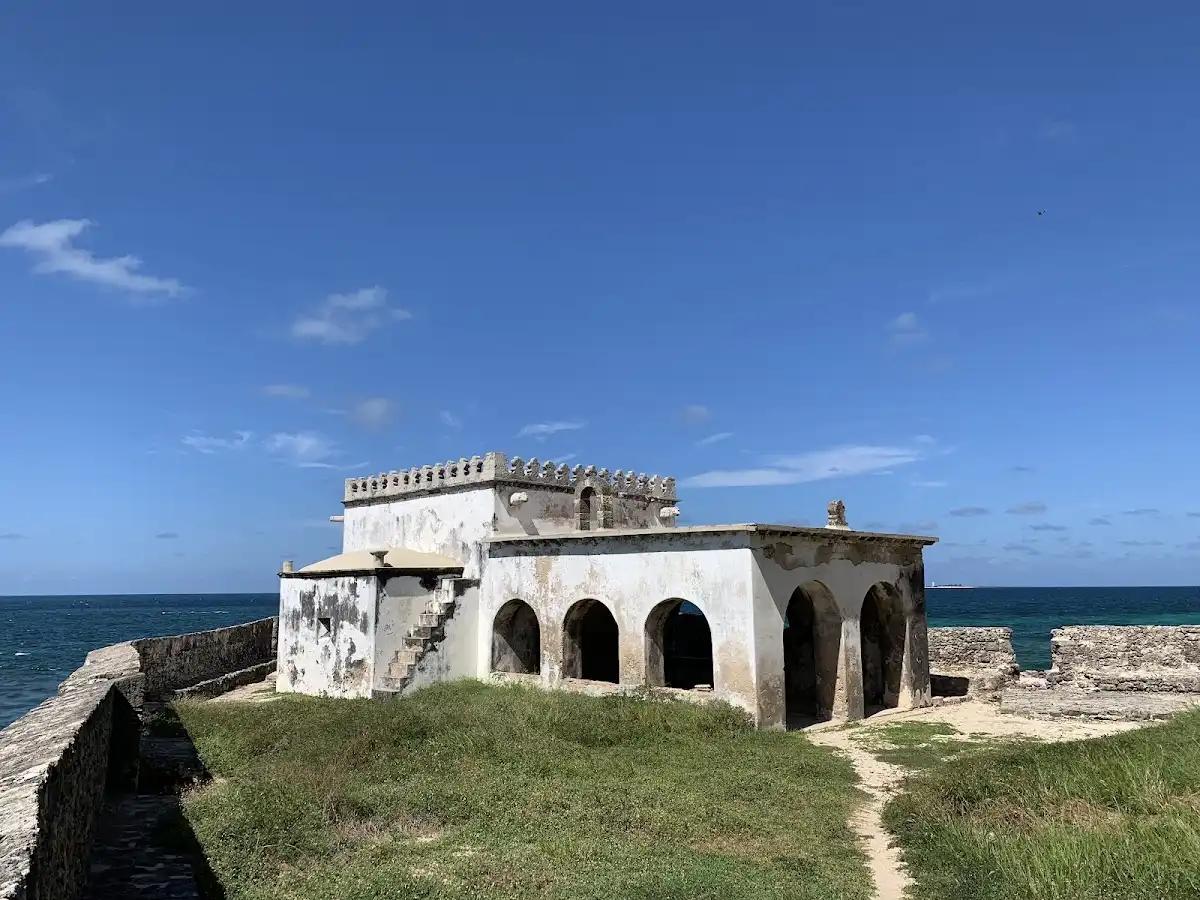
Forget the Instagram drone shots—this is the real adventure. Twice a day, the tide pulls back and reveals a rough, barnacled causeway stretching from the tip of Ilha de Moçambique out to the chapel. You’re not gliding over a manicured boardwalk; you’re picking your way across slippery rocks, dodging tidal pools, and feeling the Atlantic wind slap your face. It’s a test of timing and balance, and if you get it wrong, you’re wading back with soaked boots and a sheepish grin. But when you get it right, you’re walking a path that’s been used for centuries, with the Indian Ocean on both sides and the island shrinking behind you. It’s as close as you’ll get to time travel without a DeLorean.
The Oldest European Building in the Southern Hemisphere
This isn’t just … read more 👉
Forget the Instagram drone shots—this is the real adventure. Twice a day, the tide pulls back and reveals a rough, barnacled causeway stretching from the tip of Ilha de Moçambique out to the chapel. You’re not gliding over a manicured boardwalk; you’re picking your way across slippery rocks, dodging tidal pools, and feeling the Atlantic wind slap your face. It’s a test of timing and balance, and if you get it wrong, you’re wading back with soaked boots and a sheepish grin. But when you get it right, you’re walking a path that’s been used for centuries, with the Indian Ocean on both sides and the island shrinking behind you. It’s as close as you’ll get to time travel without a DeLorean.
The Oldest European Building in the Southern Hemisphere
This isn’t just … read more 👉
The Walk Across the Tidal Causeway
Forget the Instagram drone shots—this is the real adventure. Twice a day, the tide pulls back and reveals a rough, barnacled causeway stretching from the tip of Ilha de Moçambique out to the chapel. You’re not gliding over a manicured boardwalk; you’re picking your way across slippery rocks, dodging tidal pools, and feeling the Atlantic wind slap your face. It’s a test of timing and balance, and if you get it wrong, you’re wading back with soaked boots and a sheepish grin. But when you get it right, you’re walking a path that’s been used for centuries, with the Indian Ocean on both sides and the island shrinking behind you. It’s as close as you’ll get to time travel without a DeLorean.
The Oldest European Building in the Southern Hemisphere
This isn’t just another whitewashed relic. Built in 1522, the chapel is the oldest standing European building south of the equator. The stone walls are battered by salt, wind, and five centuries of history. You can run your fingers over the graffiti carved by bored Portuguese soldiers, or spot the faded blue paint that’s somehow survived the sun. There’s no velvet rope, no glass case—just raw, living history. You’re not just looking at the past; you’re standing inside it.
360-Degree Ocean Views
Climb the low walls and you’ll get a panorama that’s all drama, no filter. To the east, the endless blue of the Indian Ocean. To the west, the coral-stone jumble of Ilha de Moçambique, with its crumbling colonial mansions and the distant hum of daily life. If you’re lucky, you’ll spot local fishermen poling their dhows through the shallows, sails patched and proud. Sunrise and sunset here aren’t just pretty—they’re cinematic. Bring a hat, bring water, and bring your sense of awe.
Solitude (If You Time It Right)
Here’s the blunt truth: most tourists snap a photo from the fort and never bother with the walk. That means if you hit the causeway at low tide, especially early or late in the day, you might have the chapel entirely to yourself. No crowds, no hawkers, just the sound of waves and your own footsteps echoing off ancient stone. It’s rare to find a UNESCO site where you can actually hear yourself think. This is one of them.
The Spiritual Weight of the Place
You don’t have to be religious to feel it. The chapel is tiny, simple, and battered by centuries of storms, but step inside and there’s a hush that’s almost physical. The air smells of salt and candle wax. The altar is chipped, the benches are rough, and the silence is absolute. It’s a place that makes you pause, whether you’re a believer or just a traveler looking for a moment of real connection. This isn’t the kind of magic you can hashtag. It’s the kind that lingers long after you leave.
Forget the Instagram drone shots—this is the real adventure. Twice a day, the tide pulls back and reveals a rough, barnacled causeway stretching from the tip of Ilha de Moçambique out to the chapel. You’re not gliding over a manicured boardwalk; you’re picking your way across slippery rocks, dodging tidal pools, and feeling the Atlantic wind slap your face. It’s a test of timing and balance, and if you get it wrong, you’re wading back with soaked boots and a sheepish grin. But when you get it right, you’re walking a path that’s been used for centuries, with the Indian Ocean on both sides and the island shrinking behind you. It’s as close as you’ll get to time travel without a DeLorean.
The Oldest European Building in the Southern Hemisphere
This isn’t just another whitewashed relic. Built in 1522, the chapel is the oldest standing European building south of the equator. The stone walls are battered by salt, wind, and five centuries of history. You can run your fingers over the graffiti carved by bored Portuguese soldiers, or spot the faded blue paint that’s somehow survived the sun. There’s no velvet rope, no glass case—just raw, living history. You’re not just looking at the past; you’re standing inside it.
360-Degree Ocean Views
Climb the low walls and you’ll get a panorama that’s all drama, no filter. To the east, the endless blue of the Indian Ocean. To the west, the coral-stone jumble of Ilha de Moçambique, with its crumbling colonial mansions and the distant hum of daily life. If you’re lucky, you’ll spot local fishermen poling their dhows through the shallows, sails patched and proud. Sunrise and sunset here aren’t just pretty—they’re cinematic. Bring a hat, bring water, and bring your sense of awe.
Solitude (If You Time It Right)
Here’s the blunt truth: most tourists snap a photo from the fort and never bother with the walk. That means if you hit the causeway at low tide, especially early or late in the day, you might have the chapel entirely to yourself. No crowds, no hawkers, just the sound of waves and your own footsteps echoing off ancient stone. It’s rare to find a UNESCO site where you can actually hear yourself think. This is one of them.
The Spiritual Weight of the Place
You don’t have to be religious to feel it. The chapel is tiny, simple, and battered by centuries of storms, but step inside and there’s a hush that’s almost physical. The air smells of salt and candle wax. The altar is chipped, the benches are rough, and the silence is absolute. It’s a place that makes you pause, whether you’re a believer or just a traveler looking for a moment of real connection. This isn’t the kind of magic you can hashtag. It’s the kind that lingers long after you leave.
Spotted a mistake or missing something? Contact us.
v2.webp)

Best Backpacking
Hi, I’m Johan (Netherlands 🇳🇱), the creator of TakeYourBackpack. Over the past decade, I’ve backpacked through 80+ countries across six continents, gaining extensive experience with independent travel, long-term trips, and overland routes.