×

Myanmar🇲🇲 | townsBagantemple plains, sunrise views, horse carts | things to do and best time to go

Explore HanthawaddyExplore Kalaw

Backpacking in Bagan
🏆 Top picktown ranked #1
By Johan Kruseman 🇳🇱 | Updated June 11, 2026

Your first real fork in Bagan is this: do you treat it as a quick “see the temples and go” stop, or slow down and live inside the landscape for a few days. That choice matters, because Bagan isn’t just a site; it’s a rhythm of dawn chill on your skin, dust in your sandals, and the low thrum of e-bikes weaving between pagodas. Bagan sits in central Myanmar, on a dry plain along a broad, brown stretch of the Ayeyarwady River.

For backpackers, it’s a pilgrimage stop more than a town you “hang out” in. New, Old, and Nyaung-U Bagan together feel spread out, sleepy, and slightly staged, but the temple plain at sunrise earns every bus hour it takes to get here. It’s easy enough to reach by long-distance bus from Mandalay or Yangon, then you’re on e-bikes or taxis; walking between sights is unrealistic. Social life clusters in a few hostels and simple restaurants, so you’ll meet other travelers, but nights are quiet, not party-heavy. Compared with Mandalay or Yangon, Bagan is calmer, more scenic, less practical, and more single-purpose: you come for the archaeology and atmosphere, not for city life. Costs are mid-range for Myanmar, with the temple zone fee and transport adding up, and safety issues are more about road dust and dark rural lanes than classic big-city crime.

Discover everything you want to know in the 📖 Myanmar Travel Guide.
Safety warning

The current risk level for Myanmar is high. Check the advice before going.


Get your Myanmar guide
110 ranked highlights, routes & tips, works offline (405 pages)
Loading the map 🌍
CLICK TO FILTER
cities
towns
landmarks
national parks
hikes
beaches
attractions
festivals
regions
SHOW COUNTRY’S BESTSHOW ALL

✨ Why go?
Ranked #1 town in Myanmar
What makes it a must-see town

Bagan is a backpacker’s hub that draws travelers for its convenience and authenticity. Nestled between ancient temples and the Irrawaddy River, it serves as a perfect base for exploring the surrounding hikes and cultural sites. The walkable streets are lined with small-scale hostels and guesthouses, offering a cozy atmosphere where you can easily strike up conversations with fellow travelers.

Many backpackers linger here for a few days, soaking in the local food experiences—think spicy curries and fresh fruit shakes from street vendors. The vibe is friendly and relaxed, ideal for solo travelers or those in small groups looking to connect. While some may pop in for a quick visit, the charm of Bagan often encourages a longer stay.

The sunset views over the temples are a reward for those … read more 👉
Bagan is a backpacker’s hub that draws travelers for its convenience and authenticity. Nestled between ancient temples and the Irrawaddy River, it serves as a perfect base for exploring the surrounding hikes and cultural sites. The walkable streets are lined with small-scale hostels and guesthouses, offering a cozy atmosphere where you can easily strike up conversations with fellow travelers.

Many backpackers linger here for a few days, soaking in the local food experiences—think spicy curries and fresh fruit shakes from street vendors. The vibe is friendly and relaxed, ideal for solo travelers or those in small groups looking to connect. While some may pop in for a quick visit, the charm of Bagan often encourages a longer stay.

The sunset views over the temples are a reward for those who take the time to explore. You’ll find that the early mornings are peaceful, perfect for quiet reflection or a leisurely bike ride. This isn’t a party town; it’s about slow travel and immersing yourself in the rich tapestry of local life. If you appreciate a blend of culture and nature, Bagan is your spot.
Want to include Bagan in your Myanmar route?
Create a personalized Myanmar itinerary that includes Bagan and the places that fit your trip — based on your travel style, budget, and available time. Get your route in seconds.

Generate my trip

💡 HighlightsDon't-miss highlights and experiences

  • Ananda Temple — The one everyone pictures: well-preserved 11th-century architecture, four standing Buddhas, and a real pulse of worshippers and monks that feels alive rather than staged; great for morning light and people-watching.
  • Dhammayangyi Temple — The biggest and most brooding brick temple in Bagan; even if you can’t access every interior chamber, its perfect brickwork and the legend of its rushed construction make it worth standing in front of and imagining the scale.
  • Shwezigon Pagoda — A prototype for Burmese stupas and an active pilgrimage spot; the gilded dome, morning chanting, and surrounding market stalls give a genuine slice of local religious life.
  • Sulamani Temple — Smaller than Ananda but more intimate: elegant stucco work, faded frescoes, and a quieter roofline for a
read more 👉
  • Ananda Temple — The one everyone pictures: well-preserved 11th-century architecture, four standing Buddhas, and a real pulse of worshippers and monks that feels alive rather than staged; great for morning light and people-watching.
  • Dhammayangyi Temple — The biggest and most brooding brick temple in Bagan; even if you can’t access every interior chamber, its perfect brickwork and the legend of its rushed construction make it worth standing in front of and imagining the scale.
  • Shwezigon Pagoda — A prototype for Burmese stupas and an active pilgrimage spot; the gilded dome, morning chanting, and surrounding market stalls give a genuine slice of local religious life.
  • Sulamani Temple — Smaller than Ananda but more intimate: elegant stucco work, faded frescoes, and a quieter roofline for a less-crowded view across the plain at sunset or after the tours leave.
  • Thatbyinnyu Temple — The tallest temple on the plain; the height and layered terraces give one of the best senses of how Bagan’s skyline was built — majestic from afar and impressive up close (check current stair access).
  • Htilominlo Temple — Known for finely carved plaster and old murals, this tall brick temple sits on a busy lane but rewards close inspection of details many tourists rush past.
  • Gawdawpalin Temple — Two-story, slightly squat and powerful; it’s an atmospheric place to watch the late-afternoon light turn the bricks orange and hear the bells echo across the plain.
  • Manuha Temple — Small but emotionally striking: cramped halls, a giant reclining Buddha and a real backstory about a captive Mon king — the scale and story hit different in person.
  • Bupaya Pagoda — The iconic bulbous stupa sitting right on the Ayeyarwady riverbank; perfect for a riverside stroll and sunset reflections — very accessible and a classic photo stop.
  • Mingalazedi Pagoda — A late-period, tiered brick monument with a distinct silhouette and great vantage points; less crowded than Ananda but full of character and history from Bagan’s final centuries.
A few great day trips just outside Bagan: Mount Popa (my personal favorite), the quiet teak monasteries and Yoke Thein temple at Salay, and the lively Nyaung U market and river villages — all easily doable from Bagan in a day.
Spotted a mistake or missing something? Contact us.

Things to do around Bagan

Ratings based on Tripadvisor reviews. When you book through this link, you support our work at no extra cost to you.

🏘️ NeighborhoodsHow different areas shape the experience

Bagan is a mesmerizing blend of ancient temples and vibrant local life. Each neighborhood offers a unique flavor, making it essential to choose wisely for your stay.

Nyaung U: This is the backpacker hub. It’s buzzing with energy, filled with budget guesthouses and street food stalls. The vibe is casual, perfect for mingling with fellow travelers. You can easily walk to the Nyaung U market for fresh produce and local snacks. Nightlife is laid-back, with a few bars offering live music. Transport options are plentiful, with easy access to bike rentals for temple-hopping. Ideal for short stays, but you might find yourself lingering longer.

Old Bagan: This area is steeped in history. Staying here means waking up to the sight of ancient pagodas bathed in morning light. It’s quieter, making it … read more 👉
Bagan is a mesmerizing blend of ancient temples and vibrant local life. Each neighborhood offers a unique flavor, making it essential to choose wisely for your stay.

Nyaung U: This is the backpacker hub. It’s buzzing with energy, filled with budget guesthouses and street food stalls. The vibe is casual, perfect for mingling with fellow travelers. You can easily walk to the Nyaung U market for fresh produce and local snacks. Nightlife is laid-back, with a few bars offering live music. Transport options are plentiful, with easy access to bike rentals for temple-hopping. Ideal for short stays, but you might find yourself lingering longer.

Old Bagan: This area is steeped in history. Staying here means waking up to the sight of ancient pagodas bathed in morning light. It’s quieter, making it perfect for those seeking a reflective experience. Accommodations range from mid-range hotels to upscale options. While it’s less walkable than Nyaung U, the proximity to major temples makes it worthwhile. Perfect for longer stays if you want to soak in the culture.

New Bagan: A blend of modernity and tradition. Here, you’ll find a mix of guesthouses and restaurants. The atmosphere is relaxed, with a focus on local art and crafts. It’s a bit further from the main temple zone, but bike rentals are easy to find. Nightlife is minimal, making it ideal for those who prefer a peaceful retreat. Great for longer stays, especially if you want to explore the local scene.

Choose your neighborhood wisely, and you’ll unlock the best of Bagan’s charm.

⌛️ 1 dayHow to make the most of one day

Bagan, Myanmar, is a tapestry of ancient temples and vibrant culture, where the air is thick with the scent of incense and the whispers of history. This UNESCO World Heritage site boasts over 2,000 temples, each telling a story of a bygone era. The golden spires glint in the morning sun, inviting you to explore their secrets.

Start your day early. The sunrise over the temples is a sight that feels almost sacred. Head to the Shwesandaw Pagoda, where you can climb to the top and witness the sun painting the sky in hues of orange and pink. The chill of the morning air is refreshing, and the quiet hum of the waking town adds to the magic. Bring a thermos of coffee; it’s a simple pleasure that elevates the moment.

After soaking in the view, wander through the nearby village of New Bagan. This … read more 👉
Bagan, Myanmar, is a tapestry of ancient temples and vibrant culture, where the air is thick with the scent of incense and the whispers of history. This UNESCO World Heritage site boasts over 2,000 temples, each telling a story of a bygone era. The golden spires glint in the morning sun, inviting you to explore their secrets.

Start your day early. The sunrise over the temples is a sight that feels almost sacred. Head to the Shwesandaw Pagoda, where you can climb to the top and witness the sun painting the sky in hues of orange and pink. The chill of the morning air is refreshing, and the quiet hum of the waking town adds to the magic. Bring a thermos of coffee; it’s a simple pleasure that elevates the moment.

After soaking in the view, wander through the nearby village of New Bagan. This area is often overlooked by tourists, but it’s a treasure trove of local life. The streets are lined with small shops selling handmade crafts and fresh produce. Stop by a local tea shop for a cup of sweet Burmese tea and a plate of mohinga, a traditional fish soup that warms the soul.

In the afternoon, make your way to Ananda Temple, one of the most iconic structures in Bagan. The intricate carvings and serene Buddha statues inside are breathtaking. Spend time here, absorbing the atmosphere. Then, take a leisurely bike ride through the temple-studded plains. The gentle breeze and the sound of your tires on the dirt paths create a rhythm that feels meditative.

As evening approaches, head to the banks of the Irrawaddy River. Find a quiet spot to watch the sunset, perhaps with a local snack of grilled corn. The sky transforms into a canvas of colors, and the reflections on the water are mesmerizing. This is the moment to reflect on your day, feeling the pulse of Bagan in your veins.

In just one day, you’ve tasted the essence of Bagan—its history, its people, and its breathtaking landscapes. Each experience, from the sunrise to the sunset, weaves together a narrative that lingers long after you leave.
Turn your Bagan visit into an Myanmar adventure
Build a complete Myanmar route with Bagan, hidden gems, must-see destinations, and realistic travel times included.

Generate my trip

🌤️ When to go?Choosing the right time of year


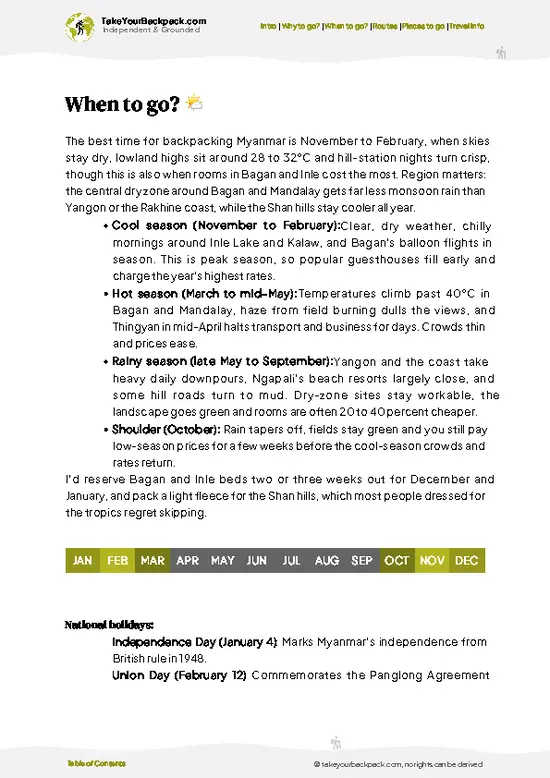
  • Weather: The dry season from November to February is your best bet. Expect clear skies and minimal rain, which means dusty trails but no mud to slow you down. Temperatures hover between 20-30°C (68-86°F), perfect for long days of temple-hopping without overheating.

  • Temperature: Daytime warmth is comfortable, but nights can dip to around 15°C (59°F), so pack a light jacket. Avoid the scorching heat of April and May when temps can spike above 40°C (104°F), turning your trek into a sweat marathon.

  • Daylight Hours: Around 11 to 12 hours of daylight during the dry season give you plenty of time to explore. Sunrise and sunset are magical here, bathing the ancient pagodas in golden light—prime moments for photos and quiet reflection.

  • Crowds: Peak tourist season aligns with the dry months,
read more 👉

  • Weather: The dry season from November to February is your best bet. Expect clear skies and minimal rain, which means dusty trails but no mud to slow you down. Temperatures hover between 20-30°C (68-86°F), perfect for long days of temple-hopping without overheating.

  • Temperature: Daytime warmth is comfortable, but nights can dip to around 15°C (59°F), so pack a light jacket. Avoid the scorching heat of April and May when temps can spike above 40°C (104°F), turning your trek into a sweat marathon.

  • Daylight Hours: Around 11 to 12 hours of daylight during the dry season give you plenty of time to explore. Sunrise and sunset are magical here, bathing the ancient pagodas in golden light—prime moments for photos and quiet reflection.

  • Crowds: Peak tourist season aligns with the dry months, so expect more visitors, especially around New Year. If you want fewer people, aim for late November or early February when the crowds thin but the weather stays friendly.

  • Seasonal Activities: The full moon festival in November lights up the town with local celebrations—an immersive cultural experience worth timing your visit for. Outside of festival times, the calm lets you soak in the landscape without distractions.

  • Price Fluctuations: Accommodation and tours spike during peak season. Booking ahead can save you a premium. Off-season (May to October) sees lower prices but comes with heavy monsoon rains, which can limit access to key sites.


Pro-tip: Arrive just before sunrise to catch the temples glowing in soft morning light—this quiet, cool hour rewards early risers with a moment that feels like your own secret.


source: climatestotravel.comJANJanuary: excellent for travelingFEBFebruary: highly recommended for travelingMARMarch: good for travelingAPRApril: fair for travelingMAYMay: below average for travelingJUNJune: below average for travelingJULJuly: below average for travelingAUGAugust: below average for travelingSEPSeptember: below average for travelingOCTOctober: fair for travelingNOVNovember: excellent for travelingDECDecember: excellent for traveling
when-to-go

✈️ The backpacker research shortcutMyanmar Travel Guide

An offline-friendly backpacking guide with optimized travel routes, ranked highlights, transport advice, and the best areas to stay.
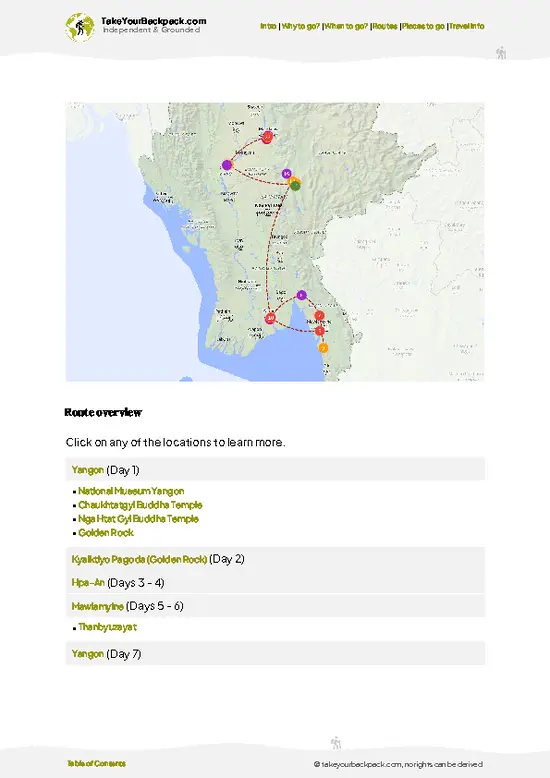
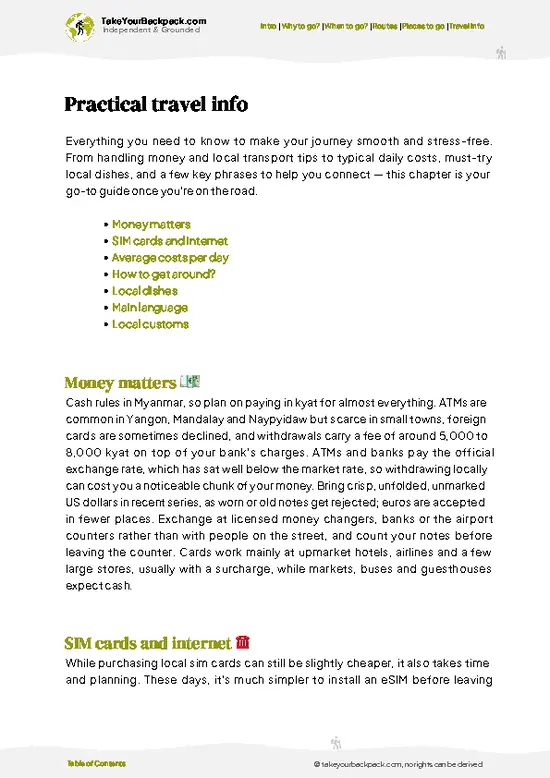
example page 0 from our offline Travel Guide for Myanmar
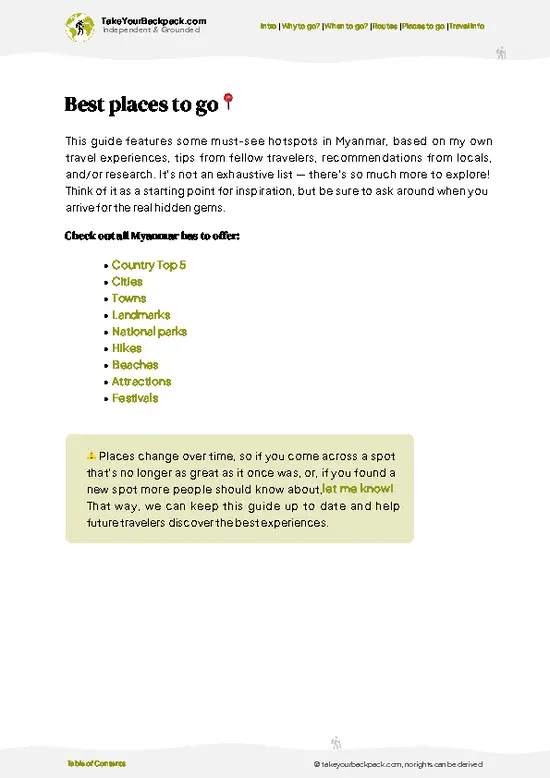
example page 1 from our offline Travel Guide for Myanmar
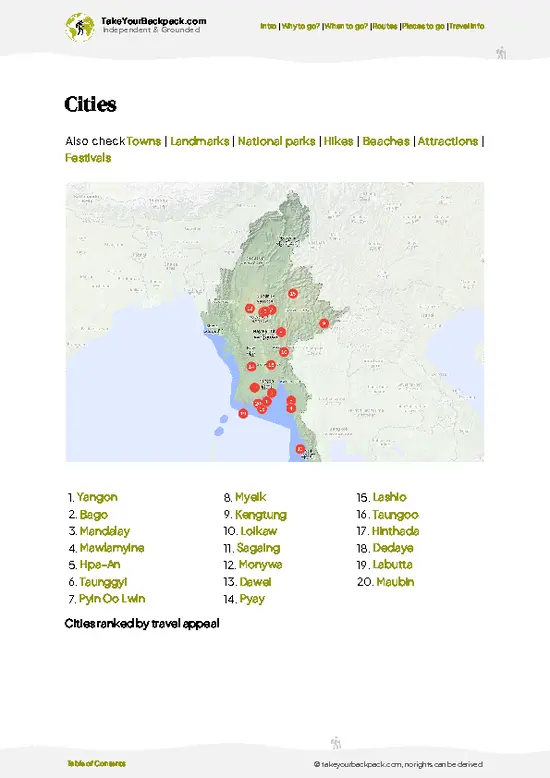
example page 2 from our offline Travel Guide for Myanmar
example page 3 from our offline Travel Guide for Myanmar
example page 4 from our offline Travel Guide for Myanmar
example page 5 from our offline Travel Guide for Myanmar
example page 6 from our offline Travel Guide for Myanmar
example page 7 from our offline Travel Guide for Myanmar
The digital guide (405 pages) contains:
110 highlights, ranked by travel appeal
Optimized 5, 10 & 15-day travel routes
Cities, national parks, landmarks, beaches
How to get around
Offline-friendly for travel without Wi-Fi
👉 Click to see all 30+ guide features

📅 Plan smarter in minutes, not weeks
Month by month travel advice
Festivals & national holidays
Budget expectations

🗺️ Go to the right places, skip the overrated ones
Honest pros & cons of destinations
Top hikes, parks & viewpoints
Lesser-known places most travelers miss
Clear “worth it vs skip it” guidance

🛏️ Travel smoothly without rookie mistakes
Best areas to stay
Transport systems explained simply
Common scams & safety advice
SIM cards, money & practical tips

🌍 Understand the country, not just visit it
Culture & traditions
52 Essential phrases & customs
Festivals worth planning around
Traveler-friendly historical context
Insights that make places more meaningful

📱 Built for real travel conditions
Fully downloadable PDF
Works completely offline
Optimized for phone use
Useful in remote areas & buses
Everything in one place
Save weeks of stressful planning
Get instant access to your full guide. 30‑day money-back guarantee.


By proceeding you agree to our terms.
Sent to your inbox immediately after payment • 100% Secure Checkout
Best Backpacking Travel Advisor 2025 tourism awardBest Backpacking
Travel Advisor
2025
What others say about Take Your Backpack Guides:
⭐⭐⭐⭐⭐
Fantastic, amazing amount of information!
⭐⭐⭐⭐⭐
My goodness this is amazing, it's what I've been looking for hats off too you!
⭐⭐⭐⭐⭐
I think this is absolutely BRILLIANT
⭐⭐⭐⭐
Very complete and informative. It's still missing places, but I gotta to commend you
⭐⭐⭐⭐⭐
This is truly amazing, thank you, can't wait to explore it with my kids!
⭐⭐⭐⭐⭐
Awesome resource, thank you!
⭐⭐⭐⭐⭐
This is amazing! Can't wait to explore the ones I haven't seen
⭐⭐⭐⭐
I love this! Well done, great idea.
⭐⭐⭐⭐⭐
Thanks for taking the time to make this gem!
⭐⭐⭐⭐⭐
This might be the best website I've ever seen.
⭐⭐⭐⭐⭐
Congratulations, and thank you so much for your work; it's incredibly valuable.
⭐⭐⭐⭐
In all seriousness I think you did a great job pointing out the important spots
⭐⭐⭐⭐⭐
10/10 very good
⭐⭐⭐⭐⭐
As someone who's only just starting to visit regularly this is awesome, thank you.
⭐⭐⭐⭐
Thank you very much! I'm going to visit my dad, it's going to be very useful!
⭐⭐⭐⭐⭐
This is really cool! We'll be travelling for the first time and this definitely come in handy.
⭐⭐⭐⭐⭐
You are now our minister of culture, congratulations 👨‍💼
⭐⭐⭐⭐⭐
Just wanted to tell you that this is a pearl! Going to follow your recommendations.
⭐⭐⭐⭐⭐
This is so cool. I'll definitely be using the resource for my travels soon.
⭐⭐⭐⭐⭐
This is very impressive! Good work.
⭐⭐⭐⭐⭐
This is an amazing and informative site. Very well done!

🛏️ Where to stay?How to pick the right area

Bagan’s backpacker scene centers around New Bagan and Old Bagan, each offering a distinct vibe that shapes your experience. New Bagan is the go-to for budget travelers craving a social atmosphere. The streets here hum with the buzz of guesthouses, cafes, and bike rental shops, making it easy to connect with fellow adventurers over a cold drink after a day chasing temples. The light here is softer, filtered through dusty trees and the occasional temple silhouette, which feels like a quiet invitation to slow down and swap stories. Hostels and budget stays cluster here, so you’re never far from a … read more 👉
Bagan’s backpacker scene centers around New Bagan and Old Bagan, each offering a distinct vibe that shapes your experience. New Bagan is the go-to for budget travelers craving a social atmosphere. The streets here hum with the buzz of guesthouses, cafes, and bike rental shops, making it easy to connect with fellow adventurers over a cold drink after a day chasing temples. The light here is softer, filtered through dusty trees and the occasional temple silhouette, which feels like a quiet invitation to slow down and swap stories. Hostels and budget stays cluster here, so you’re never far from a communal vibe without sacrificing safety or comfort.

Old Bagan, by contrast, is quieter and more atmospheric, with temples literally steps from your door. It’s less about nightlife and more about waking up to the scent of incense and the golden glow of sunrise hitting ancient pagodas. While hostels are fewer, the area’s calm draws travelers who want to soak in the history without the buzz of crowds. Staying here means embracing a slower rhythm, where your social life might be more about shared temple visits than hostel bars.

Compared to newer developments or the busier Nyaung U, these two areas balance safety, accessibility, and the chance to meet like-minded travelers. New Bagan for connection and convenience; Old Bagan for immersion and quiet reflection. Both keep you close to the heart of Bagan’s magic, but your choice shapes how you live it.

🚌 Getting aroundHow to get from A to B

Bagan moves at the pace of the sun and the wind, not the clock. Dawn spills gold over thousands of ancient temples, and the town wakes slowly, with a gentle hum of scooters and the occasional clatter of horse-drawn carts. There’s no rush here—just a rhythm that blends dusty paths, temple shadows, and the scent of wood smoke from early morning fires. You won’t find rigid schedules or strict timetables; instead, you navigate by intuition, the sun’s position, and the occasional friendly nod from a local. This is a place where the journey is as much about soaking in the atmosphere as it is about getting from A to B. Knowing how to move through Bagan’s landscape efficiently means embracing its laid-back flow while choosing the right transit mode for your budget and energy.


  • Walking: The most
read more 👉
Bagan moves at the pace of the sun and the wind, not the clock. Dawn spills gold over thousands of ancient temples, and the town wakes slowly, with a gentle hum of scooters and the occasional clatter of horse-drawn carts. There’s no rush here—just a rhythm that blends dusty paths, temple shadows, and the scent of wood smoke from early morning fires. You won’t find rigid schedules or strict timetables; instead, you navigate by intuition, the sun’s position, and the occasional friendly nod from a local. This is a place where the journey is as much about soaking in the atmosphere as it is about getting from A to B. Knowing how to move through Bagan’s landscape efficiently means embracing its laid-back flow while choosing the right transit mode for your budget and energy.


  • Walking: The most straightforward and immersive way to explore Bagan’s temple plains. Early mornings and late afternoons offer cooler temperatures and softer light, perfect for wandering between pagodas. Distances can be deceptive—temples are spread out, so be ready for 3-5 kilometers if you want to cover a cluster. No cost, but bring sturdy shoes and water.


  • Electric Bike (E-bike) Rental: The budget traveler’s best friend for covering more ground without breaking a sweat. Rentals typically run around $6-8 per day. Most shops open by 7 AM, and you can keep the bike until sunset. E-bikes glide silently over dusty paths, letting you chase the sunrise or sunset light with ease. Just watch out for uneven terrain and loose gravel.


  • Traditional Bicycle: Cheaper than e-bikes (around $2-3 per day), but expect a workout. Ideal if you want to slow down and feel the breeze, but the heat and dust can wear you down quickly. Best used in the cooler parts of the day. No fixed return time, but plan your route to avoid the midday sun.


  • Horse Cart: A charming, slower option that connects you to local culture. Prices vary but expect around $10-15 for a few hours. Horse carts follow no strict schedule—they’re available on demand and perfect for short trips between temples or to the nearby village. The ride is bumpy and dusty but offers a unique perspective on the landscape and local life.


  • Local Bus: Limited and irregular, mostly serving routes between Nyaung U (the main town) and nearby villages. Fares are low, under $1, but schedules are unpredictable and buses can be crowded and hot. Not recommended for temple hopping but useful if you want to venture beyond the main tourist areas on a tight budget.

👛 Costs (as of 2 February 2026)Travel costs and budget guide for Bagan

Backpacking in Bagan, Myanmar, means stepping into a landscape where ancient temples rise from dusty plains under a sky that shifts from soft gold to fiery orange. But before you lose yourself in that light, here’s what it realistically costs to keep your adventure rolling.
  • Dorm Accommodation: Dorm beds in Bagan typically run between $5 and $10 per night. These are basic but clean guesthouses or hostels, often with a fan rather than air conditioning. The simplicity matches the town’s slow pace, and you’ll find yourself waking up to the scent of dry earth and incense from nearby temples.
  • Meals: Street food and local eateries offer meals for $1.50 to $3. Think steaming bowls of mohinga (fish noodle soup) or plates of fried rice with fresh herbs. Western-style cafes or tourist spots push prices
read more 👉
Backpacking in Bagan, Myanmar, means stepping into a landscape where ancient temples rise from dusty plains under a sky that shifts from soft gold to fiery orange. But before you lose yourself in that light, here’s what it realistically costs to keep your adventure rolling.
  • Dorm Accommodation: Dorm beds in Bagan typically run between $5 and $10 per night. These are basic but clean guesthouses or hostels, often with a fan rather than air conditioning. The simplicity matches the town’s slow pace, and you’ll find yourself waking up to the scent of dry earth and incense from nearby temples.
  • Meals: Street food and local eateries offer meals for $1.50 to $3. Think steaming bowls of mohinga (fish noodle soup) or plates of fried rice with fresh herbs. Western-style cafes or tourist spots push prices closer to $5-$7, but the local flavors are worth the hunt and the savings.
  • Local Transport: Getting around Bagan is mostly by bicycle or e-bike rental, which costs about $5 to $8 per day. This is the best way to catch the light on the temples at dawn or dusk. Taxis or horse carts are available but pricier and less flexible, usually $10 or more for short trips.
  • Basic Activities/Entry Fees: The main expense here is the Bagan Archaeological Zone ticket, mandatory for all visitors, costing around $20 for a 5-day pass. This fee grants access to hundreds of temples and pagodas, making it a solid investment for the full experience. Other activities, like guided tours or boat rides on the Irrawaddy River, range from $10 to $25 depending on the length and exclusivity.
  • Miscellaneous Expenses: Water, snacks, and small souvenirs typically add up to $2-$5 daily. Bottled water is essential in the dry heat, and local markets offer inexpensive crafts if you want a tangible memory without breaking the bank.

All told, you’re looking at roughly $35 to $50 per day to backpack comfortably in Bagan. This budget covers the essentials without skimping on the experience—letting you soak in the dusty air, the temple shadows, and the quiet moments that make Bagan more than just a stop on the map.


source: myanmar.travel
⚠️ Prices can change and everyone travels differently, so take this as a rough guide. Hope it helps you plan your adventure!

🚌 Day tripsEasy escapes and nearby places

Bagan is a backpacker’s dream, not just for its iconic temples but also as a launchpad for unforgettable day trips. The landscape is a patchwork of ancient pagodas, dusty roads, and vibrant local life. Here’s how to make the most of your time.

**Mount Popa Adventure**
Just an hour’s drive from Bagan, Mount Popa is a sacred site that offers a blend of spirituality and stunning views. The climb up the 777 steps is a workout, but the reward is a panoramic vista of the surrounding plains and the chance to witness local monks in their daily rituals. Aim for early morning to avoid the heat and catch the sunrise illuminating the peaks. Expect to spend around $10 for transport and entrance fees. Many first-timers underestimate the climb; wear sturdy shoes and bring plenty of water.


**Salay … read more 👉
Bagan is a backpacker’s dream, not just for its iconic temples but also as a launchpad for unforgettable day trips. The landscape is a patchwork of ancient pagodas, dusty roads, and vibrant local life. Here’s how to make the most of your time.

**Mount Popa Adventure**
Just an hour’s drive from Bagan, Mount Popa is a sacred site that offers a blend of spirituality and stunning views. The climb up the 777 steps is a workout, but the reward is a panoramic vista of the surrounding plains and the chance to witness local monks in their daily rituals. Aim for early morning to avoid the heat and catch the sunrise illuminating the peaks. Expect to spend around $10 for transport and entrance fees. Many first-timers underestimate the climb; wear sturdy shoes and bring plenty of water.


**Salay Heritage**
A two-hour journey from Bagan, Salay is a charming town that feels like a step back in time. The highlight is the impressive Yoke Sone Kyaung monastery, adorned with intricate wood carvings. The ride there is scenic, with lush fields and local life unfolding around you. Budget about $15 for transport and snacks. Visit during the cooler months, as the heat can be intense. A common mistake is rushing through; take your time to soak in the atmosphere and chat with locals.


**Inle Lake Day Trip**
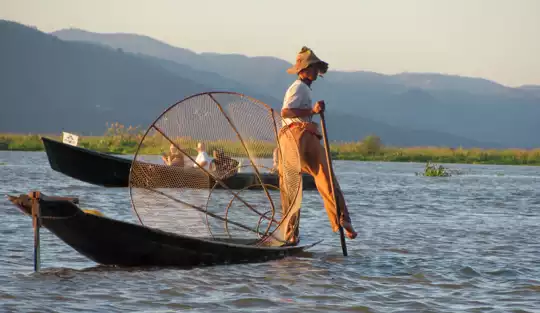
While a bit further at around 5 hours, Inle Lake is worth the trek for its unique floating gardens and stilt houses. You can hire a boat for about $20 to explore the lake, visiting local markets and witnessing traditional fishing techniques. The best time to go is during the dry season, from November to February, when the weather is pleasant. Many backpackers overlook the early start; leaving Bagan at dawn maximizes your time on the lake.
👉 Explore Inle Lake

**Kyauk Myaung Pottery Village**
Just a 30-minute ride from Bagan, this village is famous for its pottery. Watching artisans shape clay into beautiful pots is mesmerizing. You can even try your hand at it for a small fee. The trip costs around $5 for transport. Go in the late afternoon when the light casts a warm glow over the village. A common misstep is not engaging with the locals; they love sharing their craft and stories.


**Nyaung U Market**
A quick jaunt from Bagan, this bustling market is a sensory overload of colors, scents, and sounds. You can find everything from fresh produce to handmade crafts. Spend a couple of hours wandering and sampling local snacks. The market is best visited in the morning when it’s lively and fresh. Budget around $5 for transport and snacks. First-timers often miss the chance to bargain; don’t hesitate to haggle for a better price!
Want to know what more Myanmar offers?
The Myanmar Travel Guide describes 110 highlights, from cities to national parks, from beaches to hikes

Get the Travel Guide -

🛡️ SafetySafety Tips and Common Scams in Bagan

Bagan is generally safe, but a few practical tips can enhance your experience. The sun-drenched temples are stunning, but be mindful of your surroundings, especially in crowded areas like the market. Keep your belongings close; petty theft can happen, particularly in busier spots.

If you’re traveling solo, consider your evening plans. While the town feels peaceful, it’s wise to avoid wandering too far from well-lit areas after dark. Stick to the main roads and don’t hesitate to ask locals for directions if you feel uncertain.

Scams are rare, but be cautious with unofficial guides offering tours. Always verify credentials and agree on prices upfront. Street vendors can be persistent, but a polite “no, thank you” usually suffices.

Overall, carry yourself with confidence. A friendly smile … read more 👉
Bagan is generally safe, but a few practical tips can enhance your experience. The sun-drenched temples are stunning, but be mindful of your surroundings, especially in crowded areas like the market. Keep your belongings close; petty theft can happen, particularly in busier spots.

If you’re traveling solo, consider your evening plans. While the town feels peaceful, it’s wise to avoid wandering too far from well-lit areas after dark. Stick to the main roads and don’t hesitate to ask locals for directions if you feel uncertain.

Scams are rare, but be cautious with unofficial guides offering tours. Always verify credentials and agree on prices upfront. Street vendors can be persistent, but a polite “no, thank you” usually suffices.

Overall, carry yourself with confidence. A friendly smile and a respectful attitude go a long way in connecting with locals and navigating any minor annoyances. Embrace the journey; the rewards are well worth it.

Other Burmese towns near Bagan

Explore more nearby:

  • Ywangan—coffee farms, Shan plateau, mountain air| 160 km away
  • Kalaw—pine forests, trekking hub, hill tribe markets| 184 km away
  • Mrauk U—stone temples, rural villages, misty plains| 190 km away

💡 Not sure where to go next?
Create a personalized itinerary for Myanmar including Bagan and the places that fit your trip.

Generate my itinerary

👉 Discover all towns

Or checkout all Myanmar has to offer (think cities, towns, villages, national parks, hikes, beaches, festivals)
Country photo of Myanmar

We 💚 feedbackFinal thoughts on visiting Bagan

Bagan’s ancient temples whisper stories of a time long past, their weathered stones warmed by the golden sun. You’ll feel the magic as you cycle through the ruins, the scent of earth and incense mingling in the air. But be ready for the heat; it can be relentless. Hydration is key. Embrace the sweat—it’s part of the journey. The payoff? Those breathtaking sunsets over the pagodas are worth every drop.

✈️ When did I visit Myanmar?
In November 2013 I backpacked through Myanmar, bringing a full stack of pristine dollar bills as they had no ATMs back then.

✍️ Help improve this page!
The information on this page is based on my own backpacking experience in Myanmar, supplemented with up-to-date research and feedback from other travelers. Travel details can change, so if you notice anything outdated or incomplete, feel free to let me know.


🙋‍♂️ Give feedback

👋 Meet the founderWho’s Behind Take Your Backpack?

Johan, backpacker and founder of TakeYourBackpackHi, I’m Johan (Netherlands 🇳🇱), the creator of TakeYourBackpack. Over the past decade, I’ve backpacked through 80+ countries across six continents, gaining extensive experience with independent travel, long-term trips, and overland routes.

This site is built on a combination of firsthand travel experience and carefully curated insights from other backpackers. Many guides are based on places I’ve personally visited, while others bring together tips, observations, and practical advice shared by trusted travelers I’ve met along the way.

The goal is to provide realistic, experience-driven guidance — not generic itineraries — so you can explore destinations with better context, clearer expectations, and more confidence.

Get full Myanmar guide •
Instant download • 110 highlights • Full Offline guide