×

Myanmar🇲🇲 | townsKalawpine forests, trekking hub, hill tribe markets | things to do and best time to go

Explore BaganExplore Kawthoung

Backpacking in Kalaw
🏆 Top picktown ranked #2
By Johan Kruseman 🇳🇱 | Updated June 11, 2026

Your first real decision with Kalaw is simple but important: do you just crash here for a night before the Inle Lake trek, or do you actually give the town a full day or two. That choice matters, because Kalaw is where you tune your body and your expectations before you start walking. Kalaw sits in Myanmar’s Shan hills, west of Inle Lake and east of the central plains around Meiktila, high enough that the air feels cooler and pine-scented at dusk. The town itself is low-key: a compact, walkable center with crumbling colonial houses, a small market, and pagodas on nearby hills that glow gold in the late-afternoon haze. It works best as a base for trekking and village walks rather than as a standalone city break. Buses from Bagan, Mandalay, and Yangon roll in easily enough; the old train line is slower but atmospheric. You can walk most places, with tuk-tuks or shared taxis only really needed for trailheads or outlying monasteries. Evenings are quiet, more chapati-and-tea than bar crawl, but a handful of hostels and teahouse-style cafés make it easy to meet other trekkers comparing routes to Inle. Costs are moderate by Myanmar standards, with trekking the main splurge and everything else—noodle stalls, samosas, simple guesthouses—staying friendly to a backpacker budget. Safety is generally fine in town, though you feel the political tension more than in tourist-heavy Nyaung Shwe by Inle. Compared to Inle’s lakeside bustle, Kalaw feels cooler, calmer, and more local; compared to dusty junction towns on the highway, it’s far more scenic and worth the detour, but only if you actually use it as a launchpad into the hills rather than expecting big-city energy.

Discover everything you want to know in the 📖 Myanmar Travel Guide.
Safety warning

The current risk level for Myanmar is high. Check the advice before going.


Get your Myanmar guide
110 ranked highlights, routes & tips, works offline (405 pages)
Loading the map 🌍
CLICK TO FILTER
cities
towns
landmarks
national parks
hikes
beaches
attractions
festivals
regions
SHOW COUNTRY’S BESTSHOW ALL

✨ Why go?
Ranked #2 town in Myanmar
What sets this place apart

Kalaw is a backpacker’s hub that serves as a strategic launchpad for the surrounding hiking trails and cultural experiences. Nestled in the hills, its cool climate offers a refreshing break from the heat of lower Myanmar. The town’s walkable streets are lined with small-scale hostels and guesthouses, where you can find a cozy bed and a friendly chat. You’ll smell the aroma of local street food wafting through the air, inviting you to try everything from noodle soups to savory snacks.

Most travelers tend to stay for a few days, soaking in the laid-back atmosphere that encourages connection. It’s a place where slow travelers and solo adventurers can mingle over a shared meal or plan their next trek. The vibe is friendly but not overwhelming; you won’t find a bustling nightlife scene here. Instead, … read more 👉
Kalaw is a backpacker’s hub that serves as a strategic launchpad for the surrounding hiking trails and cultural experiences. Nestled in the hills, its cool climate offers a refreshing break from the heat of lower Myanmar. The town’s walkable streets are lined with small-scale hostels and guesthouses, where you can find a cozy bed and a friendly chat. You’ll smell the aroma of local street food wafting through the air, inviting you to try everything from noodle soups to savory snacks.

Most travelers tend to stay for a few days, soaking in the laid-back atmosphere that encourages connection. It’s a place where slow travelers and solo adventurers can mingle over a shared meal or plan their next trek. The vibe is friendly but not overwhelming; you won’t find a bustling nightlife scene here. Instead, it’s about the community and the nature that surrounds you. If you’re looking for a spot to recharge before hitting the trails or to immerse yourself in local culture, Kalaw is a perfect fit. Just remember, it’s not about rushing through; it’s about savoring the journey.
Want to include Kalaw in your Myanmar route?
Create a personalized Myanmar itinerary that includes Kalaw and the places that fit your trip — based on your travel style, budget, and available time. Get your route in seconds.

Generate my trip

💡 HighlightsPlaces and moments you shouldn't skip

  • Kalaw Morning Market — A chaotic, colorful market where Shan, Palaung and Pa'o traders sell vegetables, dried goods, textiles and fresh tea leaf salad; best early in the morning to watch local life, sample cheap street food and see the region's produce before it heads to bigger towns.
  • Kalaw Railway Station — The small, old narrow-gauge station is one of the town's living pieces of history: slow local trains arrive and depart, the platform is great for people-watching, and the station atmosphere still feels like a throwback to the hill-station days.
  • Pine Forest & Sunset Ridge — Walkable pines encircle the town and lift you above the rooftops for clean air and a simple sunset; locals use these trails for quick hikes and picnics, and the scent of pine makes Kalaw feel different
read more 👉
  • Kalaw Morning Market — A chaotic, colorful market where Shan, Palaung and Pa'o traders sell vegetables, dried goods, textiles and fresh tea leaf salad; best early in the morning to watch local life, sample cheap street food and see the region's produce before it heads to bigger towns.
  • Kalaw Railway Station — The small, old narrow-gauge station is one of the town's living pieces of history: slow local trains arrive and depart, the platform is great for people-watching, and the station atmosphere still feels like a throwback to the hill-station days.
  • Pine Forest & Sunset Ridge — Walkable pines encircle the town and lift you above the rooftops for clean air and a simple sunset; locals use these trails for quick hikes and picnics, and the scent of pine makes Kalaw feel different from the lowlands.
  • Colonial Hill-Station Architecture (Main Street & Bungalows) — Stroll the streets to see weathered British bungalows, shuttered facades and old guesthouses — they tell the story of Kalaw as a former colonial retreat and make for pleasing, easy photo walks.
  • Town Hill Monastery & Viewpoint — A compact monastery complex up a short climb where you can quietly observe monk life, rings of novice alms, and grab a broad view over paddy terraces and distant hills without leaving town.
  • Local Tea Houses & Street-Food Alleys — The low, wooden tea shops around the market are social hubs: cheap tea, noodles, Shan snacks and grilled meats, where you can eat like a local and overhear Shan language and gossip over little lacquer cups.
  • Handicraft & Embroidery Workshops — Small, family-run shops and workshops around town sell Shan textiles, embroidered bags and woven belts; many are honest, walk-in places where you can watch artisans embroider or mend and buy directly from makers.
  • Evening Food Market / Night Stalls — After the day traders leave, a compact stretch of stalls springs up with charcoal grills and soups — perfect for a cheap, late meal and to see the town settle down after trekking groups head out.
  • Old Colonial Cemetery — A short walk up from town sits a quiet cemetery with old graves and stone markers from the British era; it's a peaceful spot for a reflective walk and gives a sense of Kalaw's layered history.
  • Trek Starting Points & Local Trekking Offices — Not a single landmark but a concentration of reliable, walk-up trekking operators and departure points inside town; visiting these gives you access to short village walks (half-day) and the famous 2-3 day routes to Inle — also useful for arranging ethical village homestays.
Outside Kalaw you can easily day-trip to Inle Lake (boat tours and Inle villages), nearby Indein pagoda cluster on Inle, and the limestone Pindaya Caves; my personal favorite for a day trip is Inle Lake — it's the most immediately rewarding and contrasts beautifully with Kalaw.
Spotted a mistake or missing something? Contact us.

Things to do around Kalaw

Ratings based on Tripadvisor reviews. When you book through this link, you support our work at no extra cost to you.

🏘️ NeighborhoodsKey areas and districts to know

Kalaw is a charming hill town that serves as a gateway to Myanmar’s stunning landscapes and rich culture. Each neighborhood offers a unique flavor, making it essential to choose wisely for your stay.

**Main Street Area**
This is the heart of Kalaw, buzzing with energy. You’ll find budget-friendly guesthouses, local eateries, and shops selling handmade crafts. The vibe is lively, perfect for first-timers. Walkability is excellent; everything is within a few minutes. Nightlife is low-key, with a couple of bars that close early, making it suitable for short stays.

**Pine Hill**
A bit quieter, Pine Hill is ideal for those seeking a serene atmosphere. The area is dotted with mid-range accommodations and offers stunning views of the surrounding hills. It’s a short walk to the main attractions … read more 👉
Kalaw is a charming hill town that serves as a gateway to Myanmar’s stunning landscapes and rich culture. Each neighborhood offers a unique flavor, making it essential to choose wisely for your stay.

**Main Street Area**
This is the heart of Kalaw, buzzing with energy. You’ll find budget-friendly guesthouses, local eateries, and shops selling handmade crafts. The vibe is lively, perfect for first-timers. Walkability is excellent; everything is within a few minutes. Nightlife is low-key, with a couple of bars that close early, making it suitable for short stays.

**Pine Hill**
A bit quieter, Pine Hill is ideal for those seeking a serene atmosphere. The area is dotted with mid-range accommodations and offers stunning views of the surrounding hills. It’s a short walk to the main attractions but feels more secluded. Perfect for longer stays, you can soak in the tranquility while still being close to town.

**Aung Thukha**
This neighborhood is a hidden treasure for those wanting a local experience. It’s less touristy, with homestays and small family-run guesthouses. The scent of street food fills the air, and you’ll get a taste of daily life. Transport access is decent, but you might need to walk a bit more. Ideal for backpackers looking to immerse themselves in the culture for a longer period.

**Kalaw Market Area**
Vibrant and bustling, this area is perfect for food lovers. The market is alive with colors and scents, offering fresh produce and local delicacies. Accommodations range from budget to mid-range. While it can be noisy, the energy is infectious. Great for short stays if you want to dive into local flavors and experiences.

⌛️ 1 day1-day itinerary for Kalaw

Kalaw, Myanmar, is a charming hill town that offers a refreshing escape from the heat of the plains. Nestled in the Shan State, it’s surrounded by lush pine forests and rolling hills, making it a perfect base for trekking and immersing yourself in local culture. The air is crisp, and the scent of pine mingles with the earthy aroma of local markets.

Start your morning with a stroll through the vibrant Kalaw Market. The early light casts a warm glow on the colorful stalls, where vendors sell everything from fresh produce to handmade textiles. Grab a steaming bowl of mohinga, a traditional fish soup, from a local vendor. The flavors are rich and comforting, a perfect fuel for your day. After breakfast, head to the nearby Shwe Oo Min Paya. This lesser-known pagoda is adorned with hundreds of … read more 👉
Kalaw, Myanmar, is a charming hill town that offers a refreshing escape from the heat of the plains. Nestled in the Shan State, it’s surrounded by lush pine forests and rolling hills, making it a perfect base for trekking and immersing yourself in local culture. The air is crisp, and the scent of pine mingles with the earthy aroma of local markets.

Start your morning with a stroll through the vibrant Kalaw Market. The early light casts a warm glow on the colorful stalls, where vendors sell everything from fresh produce to handmade textiles. Grab a steaming bowl of mohinga, a traditional fish soup, from a local vendor. The flavors are rich and comforting, a perfect fuel for your day. After breakfast, head to the nearby Shwe Oo Min Paya. This lesser-known pagoda is adorned with hundreds of Buddha statues, and the quiet atmosphere allows for reflection. The climb up the hill is invigorating, and the views of the surrounding valleys are worth every step.

In the afternoon, lace up your hiking boots and embark on a trek to the picturesque village of Pindaya. The trail winds through tea plantations and offers glimpses of local life. You might encounter friendly villagers tending to their fields or children playing in the sun. The journey is as rewarding as the destination, where you can explore the famous Pindaya Caves filled with thousands of Buddha images.

As the sun begins to set, return to Kalaw and unwind at a cozy café. I recommend the Pine Tree Café, where you can sip on locally brewed coffee while enjoying the cool evening breeze. The ambiance is relaxed, and the staff is welcoming, making it a perfect spot to reflect on your day.

Kalaw may not be the most famous destination in Myanmar, but its charm lies in the simplicity of its experiences. Each moment spent here feels like a step into a more authentic side of the country, where the beauty is earned through exploration and connection.
Turn your Kalaw visit into an Myanmar adventure
Build a complete Myanmar route with Kalaw, hidden gems, must-see destinations, and realistic travel times included.

Generate my trip

🌤️ When to go?Weather, crowds, and seasonal trade-offs


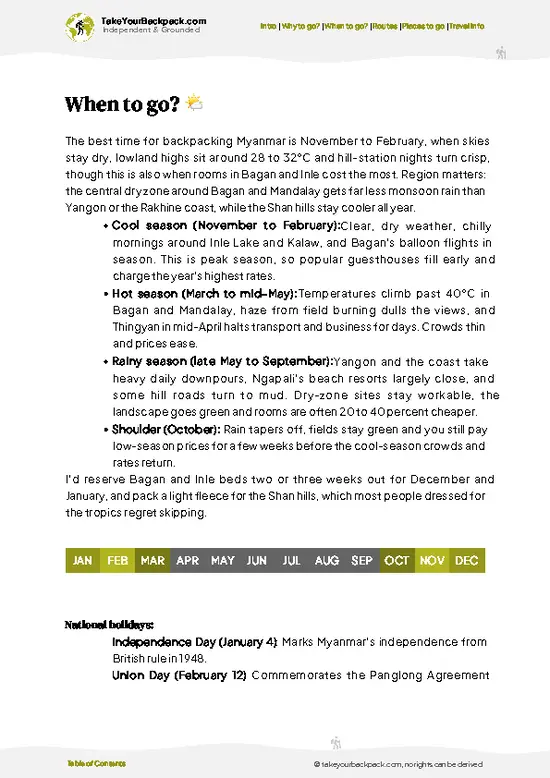
  • Weather: Kalaw’s dry season from November to February is your best bet. Expect crisp, clear skies and minimal rain, perfect for trekking. The monsoon months (June to September) bring heavy downpours that turn trails into slippery mud baths, killing the vibe and your boots.

  • Temperature: During the dry season, daytime temps hover around 20-25°C (68-77°F), cool enough to keep you comfortable on hikes but not freezing. Nights can dip to 10°C (50°F), so pack layers. Avoid the hot season (March to May) when temps spike above 30°C (86°F), making uphill treks a sweat fest.

  • Daylight Hours: Around 11-12 hours of daylight in the dry season means you get a full day to explore without rushing. The sun rises around 6:00 AM and sets near 6:00 PM, giving you ample time for sunrise treks or late afternoon
read more 👉

  • Weather: Kalaw’s dry season from November to February is your best bet. Expect crisp, clear skies and minimal rain, perfect for trekking. The monsoon months (June to September) bring heavy downpours that turn trails into slippery mud baths, killing the vibe and your boots.

  • Temperature: During the dry season, daytime temps hover around 20-25°C (68-77°F), cool enough to keep you comfortable on hikes but not freezing. Nights can dip to 10°C (50°F), so pack layers. Avoid the hot season (March to May) when temps spike above 30°C (86°F), making uphill treks a sweat fest.

  • Daylight Hours: Around 11-12 hours of daylight in the dry season means you get a full day to explore without rushing. The sun rises around 6:00 AM and sets near 6:00 PM, giving you ample time for sunrise treks or late afternoon views.

  • Crowds: Peak season brings more tourists, especially in December and January, which can dilute the quiet charm of Kalaw’s trails. Visiting just before or after this window offers a more intimate experience without sacrificing weather.

  • Seasonal Activities: The dry season aligns with local festivals and fresh market produce, adding cultural layers to your trek. Monsoon months shut down many outdoor activities, so timing your visit to coincide with these events enriches your trip.

  • Price Fluctuations: Accommodation and tour prices spike during peak dry months. Shoulder seasons (late October or February) offer better deals and still decent weather, balancing cost and comfort.


Pro-tip: Aim for late November or early February—cool mornings, fewer crowds, and the trails still smell like fresh earth and pine, making every step feel like a reward.


source: climatestotravel.comJANJanuary: highly recommended for travelingFEBFebruary: highly recommended for travelingMARMarch: fair for travelingAPRApril: fair for travelingMAYMay: fair for travelingJUNJune: below average for travelingJULJuly: below average for travelingAUGAugust: below average for travelingSEPSeptember: below average for travelingOCTOctober: good for travelingNOVNovember: excellent for travelingDECDecember: highly recommended for traveling
when-to-go

✈️ The backpacker research shortcutMyanmar Travel Guide

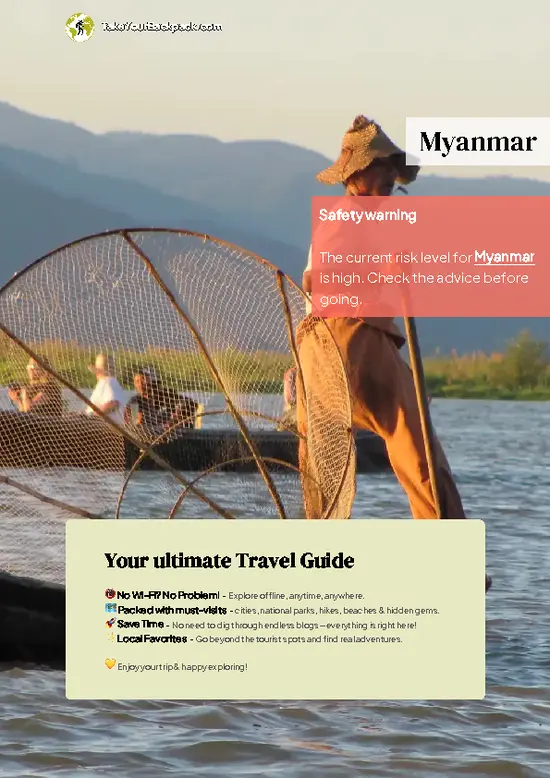
An offline-friendly backpacking guide with optimized travel routes, ranked highlights, transport advice, and the best areas to stay.
example page 0 from our offline Travel Guide for Myanmar
example page 1 from our offline Travel Guide for Myanmar
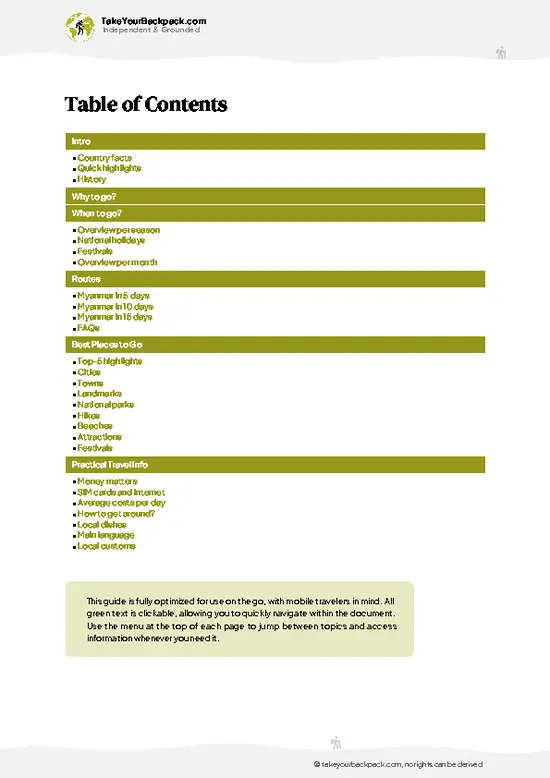
example page 2 from our offline Travel Guide for Myanmar
example page 3 from our offline Travel Guide for Myanmar
example page 4 from our offline Travel Guide for Myanmar
example page 5 from our offline Travel Guide for Myanmar
example page 6 from our offline Travel Guide for Myanmar
example page 7 from our offline Travel Guide for Myanmar
The digital guide (405 pages) contains:
110 highlights, ranked by travel appeal
Optimized 5, 10 & 15-day travel routes
Cities, national parks, landmarks, beaches
How to get around
Offline-friendly for travel without Wi-Fi
👉 Click to see all 30+ guide features

📅 Plan smarter in minutes, not weeks
Month by month travel advice
Festivals & national holidays
Budget expectations

🗺️ Go to the right places, skip the overrated ones
Honest pros & cons of destinations
Top hikes, parks & viewpoints
Lesser-known places most travelers miss
Clear “worth it vs skip it” guidance

🛏️ Travel smoothly without rookie mistakes
Best areas to stay
Transport systems explained simply
Common scams & safety advice
SIM cards, money & practical tips

🌍 Understand the country, not just visit it
Culture & traditions
52 Essential phrases & customs
Festivals worth planning around
Traveler-friendly historical context
Insights that make places more meaningful

📱 Built for real travel conditions
Fully downloadable PDF
Works completely offline
Optimized for phone use
Useful in remote areas & buses
Everything in one place
Save weeks of stressful planning
Get instant access to your full guide. 30‑day money-back guarantee.


By proceeding you agree to our terms.
Sent to your inbox immediately after payment • 100% Secure Checkout
Best Backpacking Travel Advisor 2025 tourism awardBest Backpacking
Travel Advisor
2025
What others say about Take Your Backpack Guides:
⭐⭐⭐⭐⭐
Fantastic, amazing amount of information!
⭐⭐⭐⭐⭐
My goodness this is amazing, it's what I've been looking for hats off too you!
⭐⭐⭐⭐⭐
I think this is absolutely BRILLIANT
⭐⭐⭐⭐
Very complete and informative. It's still missing places, but I gotta to commend you
⭐⭐⭐⭐⭐
This is truly amazing, thank you, can't wait to explore it with my kids!
⭐⭐⭐⭐⭐
Awesome resource, thank you!
⭐⭐⭐⭐⭐
This is amazing! Can't wait to explore the ones I haven't seen
⭐⭐⭐⭐
I love this! Well done, great idea.
⭐⭐⭐⭐⭐
Thanks for taking the time to make this gem!
⭐⭐⭐⭐⭐
This might be the best website I've ever seen.
⭐⭐⭐⭐⭐
Congratulations, and thank you so much for your work; it's incredibly valuable.
⭐⭐⭐⭐
In all seriousness I think you did a great job pointing out the important spots
⭐⭐⭐⭐⭐
10/10 very good
⭐⭐⭐⭐⭐
As someone who's only just starting to visit regularly this is awesome, thank you.
⭐⭐⭐⭐
Thank you very much! I'm going to visit my dad, it's going to be very useful!
⭐⭐⭐⭐⭐
This is really cool! We'll be travelling for the first time and this definitely come in handy.
⭐⭐⭐⭐⭐
You are now our minister of culture, congratulations 👨‍💼
⭐⭐⭐⭐⭐
Just wanted to tell you that this is a pearl! Going to follow your recommendations.
⭐⭐⭐⭐⭐
This is so cool. I'll definitely be using the resource for my travels soon.
⭐⭐⭐⭐⭐
This is very impressive! Good work.
⭐⭐⭐⭐⭐
This is an amazing and informative site. Very well done!

🛏️ Where to stay?How to pick the right area

Kalaw’s backpacker scene centers around its compact town center, where the pulse of budget travel beats strongest. This area is your go-to for safety and social energy, with streets that hum quietly under the soft glow of street lamps and the scent of fresh tea leaves from local stalls. It’s a place where you can easily strike up conversations over shared trekking plans or swap stories in cozy common rooms. Hostels here aren’t just places to crash; they’re hubs of connection, often with communal kitchens and lounges that invite lingering.

Compared to the quieter outskirts or residential zones, … read more 👉
Kalaw’s backpacker scene centers around its compact town center, where the pulse of budget travel beats strongest. This area is your go-to for safety and social energy, with streets that hum quietly under the soft glow of street lamps and the scent of fresh tea leaves from local stalls. It’s a place where you can easily strike up conversations over shared trekking plans or swap stories in cozy common rooms. Hostels here aren’t just places to crash; they’re hubs of connection, often with communal kitchens and lounges that invite lingering.

Compared to the quieter outskirts or residential zones, the town center offers a practical advantage: everything you need is within walking distance. Food stalls, gear shops, and travel agencies line the streets, making last-minute adjustments to your trekking gear or itinerary hassle-free. The vibe is relaxed but lively, with a steady flow of fellow travelers who are either gearing up for the famous treks or unwinding after a day on the trails.

Choosing to stay here means you’re plugged into the rhythm of Kalaw’s backpacker culture. You avoid the isolation of more remote areas, where transport and social options thin out, and you gain a front-row seat to the town’s subtle charm—the early morning mist lifting off the hills, the chatter of locals setting up market stalls, and the shared anticipation of the journey ahead.

🚌 Getting aroundHow to get around Kalaw

Kalaw moves at a pace that feels like a slow exhale after the rush of Myanmar’s bigger cities. The air carries a faint scent of pine and earth, stirred by the occasional breeze that slips through the hills. Here, time isn’t dictated by strict timetables but by the rhythm of the day—locals set out when the sun is right, and the market hums to life with a casual, unhurried energy. It’s a place where your watch matters less than your willingness to adapt, and where the charm of the town is wrapped up in its easygoing flow. For a budget traveler, understanding this natural cadence is your first step to moving through Kalaw like a local, not a lost tourist.


  • Walking: Kalaw’s compact center is best explored on foot. The town’s dusty streets and quiet lanes invite you to wander without a plan,
read more 👉
Kalaw moves at a pace that feels like a slow exhale after the rush of Myanmar’s bigger cities. The air carries a faint scent of pine and earth, stirred by the occasional breeze that slips through the hills. Here, time isn’t dictated by strict timetables but by the rhythm of the day—locals set out when the sun is right, and the market hums to life with a casual, unhurried energy. It’s a place where your watch matters less than your willingness to adapt, and where the charm of the town is wrapped up in its easygoing flow. For a budget traveler, understanding this natural cadence is your first step to moving through Kalaw like a local, not a lost tourist.


  • Walking: Kalaw’s compact center is best explored on foot. The town’s dusty streets and quiet lanes invite you to wander without a plan, soaking in the scent of fresh tea leaves and the chatter of vendors. Walking is free, naturally, and the best way to catch the subtle shifts in light and life from dawn to dusk.


  • Shared Pick-up Trucks: These are the unofficial minibuses of Kalaw, leaving when full rather than on a schedule. Expect to pay around 1,500 to 2,000 kyat for short trips to nearby villages or the bus station. It’s a rough ride—no suspension to speak of—but it’s fast, cheap, and a direct way to tap into local rhythms.


  • Local Buses: The government-run buses connect Kalaw with nearby towns like Taunggyi and Inle Lake. They start early, around 6:00 AM, and run until late afternoon, with tickets costing roughly 2,000 to 3,000 kyat. Buses are slower and less comfortable than trucks but offer a predictable schedule and a chance to travel shoulder-to-shoulder with locals.


  • Motorbike Rentals: For about 8,000 to 12,000 kyat per day, renting a motorbike gives you the freedom to explore beyond the town’s edges at your own pace. The roads can be rough and dusty, so a sturdy helmet and some confidence are essential. This option is perfect if you want to chase the golden light over the hills without waiting for a ride.


  • Taxi Services: Taxis are rare and more expensive, usually negotiated upfront for trips to the bus station or nearby attractions. Expect to pay at least 10,000 kyat for short distances. They offer comfort and speed but don’t fit the budget traveler’s ethos unless you’re splitting costs with others.

👛 Costs (as of 2 February 2026)How expensive it really is

Backpacking in Kalaw, Myanmar, offers a mix of rustic charm and budget-friendly options, but knowing the real costs helps you plan without surprises.
  • Dorm Accommodation: Expect to pay around $5 to $8 per night for a bed in a basic guesthouse dorm. These places are simple but clean, often with fans rather than air conditioning, which suits the cool mountain air. Booking ahead isn’t usually necessary, but arriving early in the day helps you snag the best spots.
  • Meals: Local eateries serve hearty Burmese dishes for about $1 to $3 per meal. Street food like mohinga or fried rice is filling and fresh, while small cafes might charge a bit more for Western-style breakfasts or coffee. Budget around $4 to $7 daily if you mix street food with occasional café treats.
  • Local Transport: Getting around
read more 👉
Backpacking in Kalaw, Myanmar, offers a mix of rustic charm and budget-friendly options, but knowing the real costs helps you plan without surprises.
  • Dorm Accommodation: Expect to pay around $5 to $8 per night for a bed in a basic guesthouse dorm. These places are simple but clean, often with fans rather than air conditioning, which suits the cool mountain air. Booking ahead isn’t usually necessary, but arriving early in the day helps you snag the best spots.
  • Meals: Local eateries serve hearty Burmese dishes for about $1 to $3 per meal. Street food like mohinga or fried rice is filling and fresh, while small cafes might charge a bit more for Western-style breakfasts or coffee. Budget around $4 to $7 daily if you mix street food with occasional café treats.
  • Local Transport: Getting around Kalaw is mostly on foot or by shared taxis and motorbike taxis. Short rides cost roughly $0.50 to $1.50. If you’re heading to nearby trekking trailheads, expect to pay about $3 to $5 for a motorbike taxi each way. Budget $2 to $6 daily depending on your activity level.
  • Basic Activities/Entry Fees: Kalaw’s main draw is trekking, which is often self-guided or arranged through guesthouses. Permits for trekking areas or national parks can cost around $5 to $10. Hiring a local guide for a day trek runs about $10 to $15, which is worth it for the insight and smoother navigation. Plan $10 to $20 daily if you’re active.
  • Miscellaneous Expenses: This covers bottled water, snacks, occasional laundry, or small souvenirs. Bottled water is about $0.50, laundry $1 to $2 per load. Keep $2 to $5 aside for these small but necessary extras.

All told, a realistic daily budget for backpacking in Kalaw ranges from about $15 on the lean side to $35 if you add guides and a few comforts. It’s a place where the cool mountain air and quiet streets reward the simple, well-planned traveler. The key is pacing yourself—Kalaw’s charm grows when you slow down and soak in the atmosphere rather than rush through it.


source: myanmar.travel
⚠️ Prices can change and everyone travels differently, so take this as a rough guide. Hope it helps you plan your adventure!

🚌 Day tripsWhere to go beyond the main area

Kalaw is a backpacker’s dream base, offering a gateway to stunning landscapes and rich cultural experiences. With its cool climate and vibrant local life, you can easily embark on day trips that reveal the heart of Myanmar.

Inle Lake
Just a short ride from Kalaw, Inle Lake is a must-see. The journey takes about an hour and a half, winding through lush hills and quaint villages. Once there, you can hop on a boat to glide past floating gardens and stilt houses. The scent of fresh lotus flowers fills the air, and the local fishermen’s unique rowing style is a sight to behold. Aim for an early start to catch the morning mist rising off the water. A boat ride typically costs around $15, but don’t forget to haggle a bit. Many first-timers miss the chance to explore the local markets, so make … read more 👉
Kalaw is a backpacker’s dream base, offering a gateway to stunning landscapes and rich cultural experiences. With its cool climate and vibrant local life, you can easily embark on day trips that reveal the heart of Myanmar.

Inle Lake
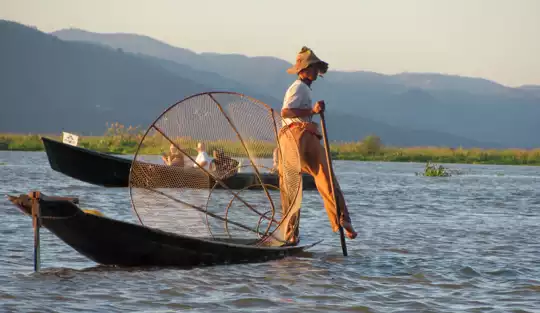
Just a short ride from Kalaw, Inle Lake is a must-see. The journey takes about an hour and a half, winding through lush hills and quaint villages. Once there, you can hop on a boat to glide past floating gardens and stilt houses. The scent of fresh lotus flowers fills the air, and the local fishermen’s unique rowing style is a sight to behold. Aim for an early start to catch the morning mist rising off the water. A boat ride typically costs around $15, but don’t forget to haggle a bit. Many first-timers miss the chance to explore the local markets, so make sure to set aside time for that vibrant experience.
👉 Explore Inle Lake

Kalaw to Pindaya Caves
This trip is a blend of adventure and spirituality. The Pindaya Caves, about an hour away, house thousands of Buddha statues, each with its own story. The drive is scenic, with the smell of pine trees and the sound of local life buzzing around you. Entry to the caves is around $5, and you can easily spend a couple of hours wandering through the chambers. The best time to visit is early morning or late afternoon to avoid the crowds. A common mistake is underestimating the hike up to the caves; wear sturdy shoes for the climb.
👉 Explore Pindaya Caves

Hiking to the Tea Plantations
For those who crave a bit of sweat, the hike to the nearby tea plantations is perfect. This trek takes about three hours and rewards you with panoramic views of rolling hills and endless green. The earthy aroma of tea leaves fills the air as you walk through the plantations. It’s best to go during the dry season, from November to February, when the trails are less muddy. Bring plenty of water and snacks; many first-timers forget to pack enough, thinking it’ll be a quick jaunt.


Local Market Day
If you’re in Kalaw on a Wednesday or Saturday, don’t miss the local market. It’s a sensory overload of colors, sounds, and smells. You’ll find everything from fresh produce to handmade crafts. The market is just a short walk from the center, making it an easy outing. Arrive early to see the locals setting up and to snag the freshest ingredients. Many backpackers overlook this experience, thinking it’s just another market, but it’s a genuine slice of local life.
Want to know what more Myanmar offers?
The Myanmar Travel Guide describes 110 highlights, from cities to national parks, from beaches to hikes

Get the Travel Guide -

🛡️ SafetyStaying Safe: What Travelers Should Know

Kalaw is generally safe, but a few practical tips can enhance your experience. The main streets are well-trodden, but when wandering into quieter alleys or markets, keep your wits about you. Solo travelers should be especially mindful at night; stick to well-lit areas and avoid empty streets.

Scams are rare, but you might encounter the occasional overly friendly local offering unsolicited guidance. Politely decline if it feels off. Transportation can be a bit of a puzzle; always confirm prices before hopping on a taxi or a motorbike.

Annoyances like persistent street vendors can test your patience. A friendly smile and a firm “no, thank you” usually do the trick. Carry yourself with confidence, and you’ll find that most locals are genuinely welcoming. The scent of fresh tea wafts through … read more 👉
Kalaw is generally safe, but a few practical tips can enhance your experience. The main streets are well-trodden, but when wandering into quieter alleys or markets, keep your wits about you. Solo travelers should be especially mindful at night; stick to well-lit areas and avoid empty streets.

Scams are rare, but you might encounter the occasional overly friendly local offering unsolicited guidance. Politely decline if it feels off. Transportation can be a bit of a puzzle; always confirm prices before hopping on a taxi or a motorbike.

Annoyances like persistent street vendors can test your patience. A friendly smile and a firm “no, thank you” usually do the trick. Carry yourself with confidence, and you’ll find that most locals are genuinely welcoming. The scent of fresh tea wafts through the air, and the warmth of the community makes it easy to navigate. Embrace the little quirks, and you’ll unlock the true charm of Kalaw.

Other Burmese towns near Kalaw

Explore more nearby:

  • Nyaungshwe—canal town, Inle Lake access, floating markets| 39 km away
  • Ywangan—coffee farms, Shan plateau, mountain air| 62 km away
  • Bagan—temple plains, sunrise views, horse carts| 184 km away

💡 Not sure where to go next?
Create a personalized itinerary for Myanmar including Kalaw and the places that fit your trip.

Generate my itinerary

👉 Discover all towns

Or checkout all Myanmar has to offer (think cities, towns, villages, national parks, hikes, beaches, festivals)
Country photo of Myanmar

We 💚 feedbackKey takeaways before you go

Kalaw’s charm lies in its cool mountain air and the aroma of fresh tea wafting through the streets. Trekking through the surrounding hills reveals breathtaking vistas and local villages that feel alive with culture. But be ready for the rain; it can pour unexpectedly, turning trails into slippery challenges. Embrace the wet moments, though—they often lead to the most authentic experiences and the warmest smiles from locals.

✈️ When did I visit Myanmar?
In November 2013 I backpacked through Myanmar, bringing a full stack of pristine dollar bills as they had no ATMs back then.

✍️ Help improve this page!
The information on this page is based on my own backpacking experience in Myanmar, supplemented with up-to-date research and feedback from other travelers. Travel details can change, so if you notice anything outdated or incomplete, feel free to let me know.


🙋‍♂️ Give feedback

👋 Meet the founderWho’s Behind Take Your Backpack?

Johan, backpacker and founder of TakeYourBackpackHi, I’m Johan (Netherlands 🇳🇱), the creator of TakeYourBackpack. Over the past decade, I’ve backpacked through 80+ countries across six continents, gaining extensive experience with independent travel, long-term trips, and overland routes.

This site is built on a combination of firsthand travel experience and carefully curated insights from other backpackers. Many guides are based on places I’ve personally visited, while others bring together tips, observations, and practical advice shared by trusted travelers I’ve met along the way.

The goal is to provide realistic, experience-driven guidance — not generic itineraries — so you can explore destinations with better context, clearer expectations, and more confidence.

Get full Myanmar guide •
Instant download • 110 highlights • Full Offline guide