×

Myanmar🇲🇲 | national parksLampi Marine National Parkmangrove forests, coral reefs, Moken villages | things to do and best time to go

Explore Kyaikhtiyo Wildlife SanctuaryExplore Moeyungyi Wetland Wildlife Sanctuary

Backpacking in Lampi Marine
👍 Recommendednational park ranked #7
By Johan Kruseman 🇳🇱 | Updated October 15, 2026

Most people only realize after they leave that Lampi quietly saves them money: there’s almost nothing to buy, so you’re not bleeding cash on bars, shops, or impulse tours every night. Lampi Marine National Park sits in the Myeik (Mergui) Archipelago off Myanmar’s far south coast, a remote cluster of islands that feels cut off from the mainland rush. For backpackers, it’s raw and low-key: jungle hikes to viewpoints, mangroves, coral, and real chances of seeing hornbills, macaques, and sea turtles, but also sandflies, basic boats, and weather delays. Access is the main headache, usually via Kawthaung and arranged trips, with permits and park fees that aren’t ruinous but not ultra-cheap either. Compared with mainland parks like Hlawga or Nat Ma Taung, Lampi is wilder, pricier to reach, quieter on crowds, and weaker on independent, walk-in budget accommodation or casual camping.

Discover everything you want to know in the 📖 Myanmar Travel Guide.
Safety warning

The current risk level for Myanmar is high. Check the advice before going.


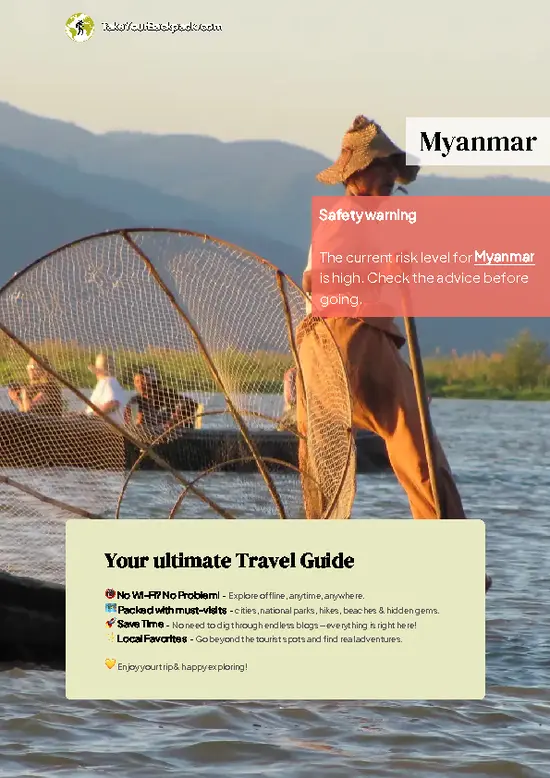
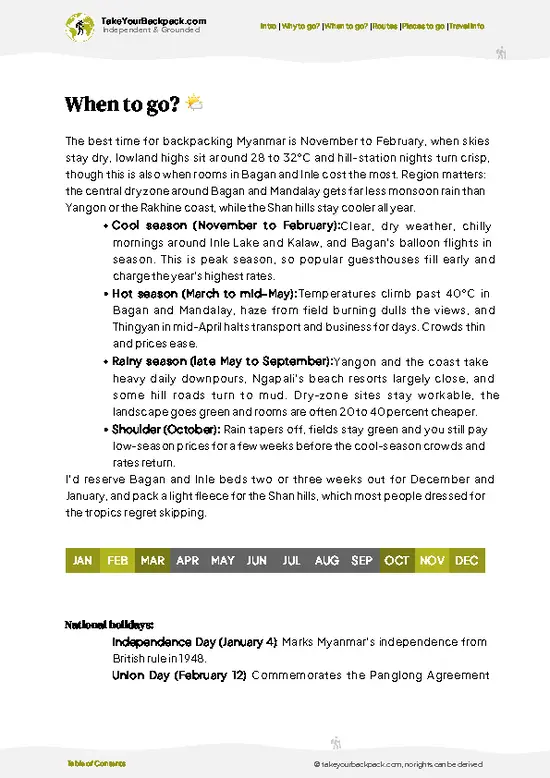
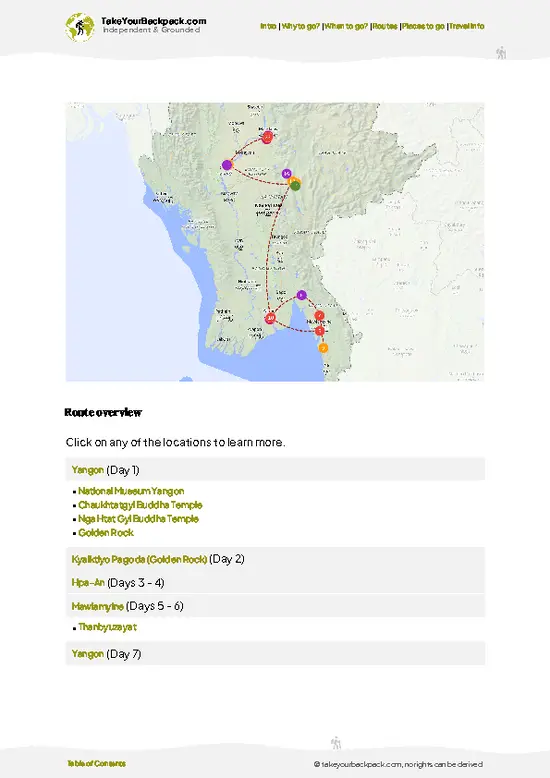
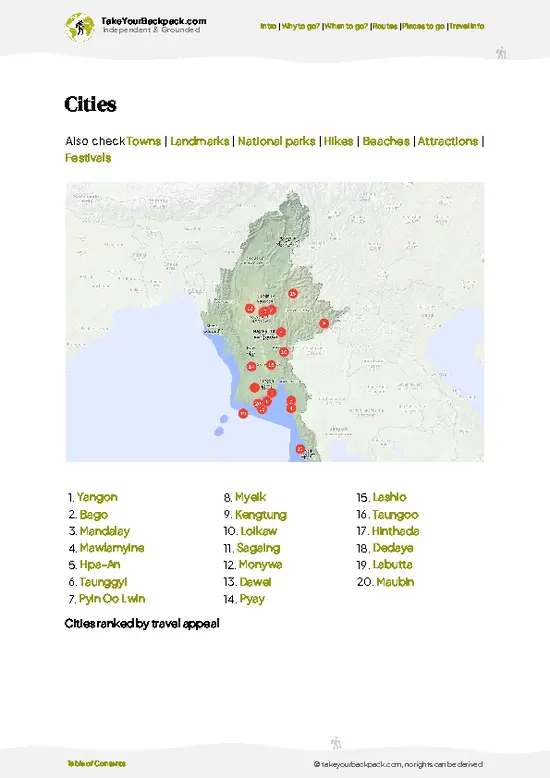
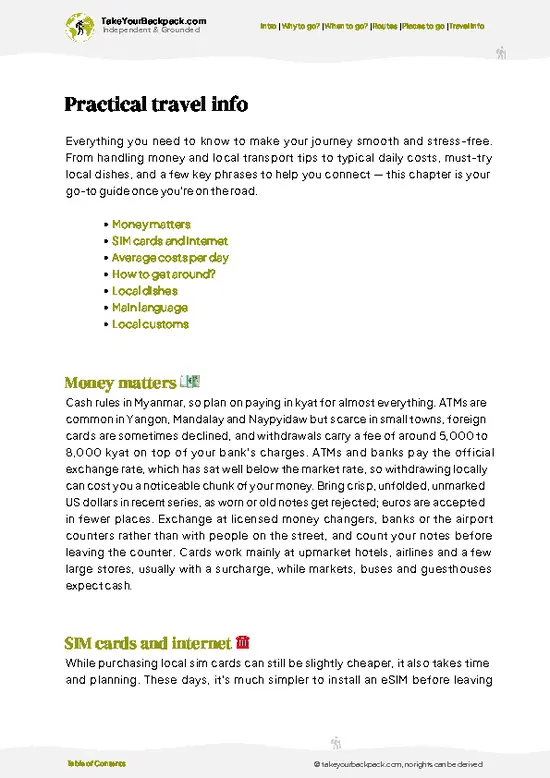
example page 0 from our offline Travel Guide for Myanmar
example page 1 from our offline Travel Guide for Myanmar
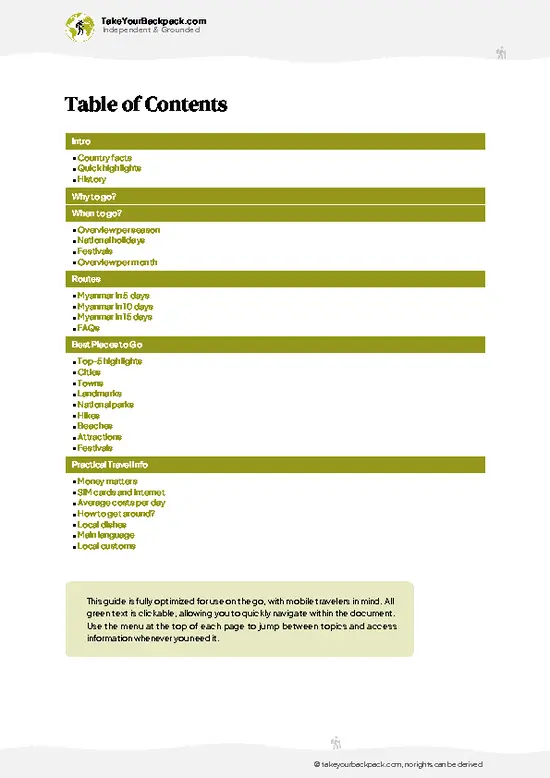
example page 2 from our offline Travel Guide for Myanmar
example page 3 from our offline Travel Guide for Myanmar
example page 4 from our offline Travel Guide for Myanmar
example page 5 from our offline Travel Guide for Myanmar
example page 6 from our offline Travel Guide for Myanmar
example page 7 from our offline Travel Guide for Myanmar
Loading the map 🌍
CLICK TO FILTER
cities
towns
landmarks
national parks
hikes
beaches
attractions
festivals
SHOW COUNTRY’S BESTSHOW ALL

✨ Why go?
Ranked #7 national park in Myanmar
Why Lampi Marine should be on your travel list

Backpackers flock to Lampi Marine National Park for its blend of independent exploration and affordable accommodations. The park offers a range of budget camping options and nearby hostels, making it easy to stretch your funds while soaking in the stunning surroundings.

Trails here vary from easy strolls along the coast to more challenging treks that lead you through lush jungles. This diversity allows you to tailor your experience based on your energy levels and interests.

What sets Lampi apart is its suitability for self-guided travelers. You can navigate the park at your own pace, avoiding the constraints of organized tours. This freedom means you can linger at a viewpoint or take a detour to explore a secluded beach without feeling rushed.

However, be prepared for limited signage … read more 👉
Backpackers flock to Lampi Marine National Park for its blend of independent exploration and affordable accommodations. The park offers a range of budget camping options and nearby hostels, making it easy to stretch your funds while soaking in the stunning surroundings.

Trails here vary from easy strolls along the coast to more challenging treks that lead you through lush jungles. This diversity allows you to tailor your experience based on your energy levels and interests.

What sets Lampi apart is its suitability for self-guided travelers. You can navigate the park at your own pace, avoiding the constraints of organized tours. This freedom means you can linger at a viewpoint or take a detour to explore a secluded beach without feeling rushed.

However, be prepared for limited signage and occasional tricky paths. Embrace the adventure, but keep a map handy. This way, you’ll preserve your energy and budget for the moments that truly matter.

💡 HighlightsDon't-miss highlights and experiences

  • Lampi Island’s Coral Gardens (snorkeling) — Shallow reefs ring the main island with healthy coral bommies, loud schools of reef fish and regular turtle patrols. Clear water and easy access from small boats make it the spot for effortless snorkeling trips. (Personal favorite — nothing beats drifting over a coral garden watching hawksbill turtles cruise below.)
  • Mangrove Forests and Tidal Creeks — A maze of black mangroves, root-tangled channels and mudflats alive with fiddler crabs, mudskippers and kingfishers. It’s quiet, photogenic and a great place to see how the land and sea meet.
  • Island-hopping and Hidden Coves — The park includes dozens of little islands and rocky islets; day trips reveal secret white-sand coves, natural rock arches and calm bays perfect for a picnic, a short swim
… read more 👉
  • Lampi Island’s Coral Gardens (snorkeling) — Shallow reefs ring the main island with healthy coral bommies, loud schools of reef fish and regular turtle patrols. Clear water and easy access from small boats make it the spot for effortless snorkeling trips. (Personal favorite — nothing beats drifting over a coral garden watching hawksbill turtles cruise below.)
  • Mangrove Forests and Tidal Creeks — A maze of black mangroves, root-tangled channels and mudflats alive with fiddler crabs, mudskippers and kingfishers. It’s quiet, photogenic and a great place to see how the land and sea meet.
  • Island-hopping and Hidden Coves — The park includes dozens of little islands and rocky islets; day trips reveal secret white-sand coves, natural rock arches and calm bays perfect for a picnic, a short swim or improvised beach camping.
  • Jungle Trails and Viewpoints — Short, humid hikes through lowland rainforest lead to ridgeline viewpoints that give sweeping views over the Mergui Archipelago. Trails are simple but gritty — bring good shoes and bug spray.
  • Moken (Sea-Gypsy) Villages and Local Culture — Small traditional Moken communities still live boat-centric lives on and around some islands. Even a respectful, short visit adds human context to the landscape and is one of the more memorable cultural encounters in the region.
  • Seasonal Big-Sea Encounters (manta rays, whale sharks, dolphins) — Not guaranteed, but the currents around the archipelago attract large visitors at certain times of year. Boat-based snorkeling or diving trips can turn into thrilling wildlife days if you hit the season right.
  • Birdlife and Coastal Wildlife Watching — Look for terns, sea-eagles, shorebirds and mangrove specialists along the shoreline. Early mornings and late afternoons are the best windows for quiet wildlife watching.
Spotted a mistake or missing something? Contact us.

🌤️ When to go?Choosing the right time of year

  • Weather: The dry season from November to April is your best bet. Expect clear skies and minimal rain, which means less mud and more reliable boat rides. Avoid the monsoon months (May to October) when heavy rains can flood trails and disrupt marine activities.
  • Temperature: Daytime temps hover around 28-32°C (82-90°F) during the dry season, comfortable for hiking and snorkeling. The wet season cools things down slightly but brings humidity that can sap your energy fast.
  • Daylight Hours: Roughly 11-12 hours of daylight year-round, but the dry season offers more consistent sunny mornings—prime for early starts and maximizing your time on the water or trails.
  • Crowds: Lampi Marine National Park is off the beaten path, so crowds are light even in peak season. Still, the dry months see a slight
… read more 👉
  • Weather: The dry season from November to April is your best bet. Expect clear skies and minimal rain, which means less mud and more reliable boat rides. Avoid the monsoon months (May to October) when heavy rains can flood trails and disrupt marine activities.
  • Temperature: Daytime temps hover around 28-32°C (82-90°F) during the dry season, comfortable for hiking and snorkeling. The wet season cools things down slightly but brings humidity that can sap your energy fast.
  • Daylight Hours: Roughly 11-12 hours of daylight year-round, but the dry season offers more consistent sunny mornings—prime for early starts and maximizing your time on the water or trails.
  • Crowds: Lampi Marine National Park is off the beaten path, so crowds are light even in peak season. Still, the dry months see a slight uptick in local tourists and eco-tour groups, so book accommodations early.
  • Seasonal Activities: Dry season is ideal for snorkeling, diving, and trekking. The wet season limits water clarity and trail access, cutting down on what you can do safely.
  • Price Fluctuations: Expect higher prices for boats and lodging during the dry season, especially December to February. Off-season rates drop but come with the risk of weather-related cancellations.
Pro-tip: Plan your trip for late November or early December—weather is stable, crowds are manageable, and you’ll dodge the holiday price surge while still enjoying prime conditions.


source: climatestotravel.comJANJanuary: excellent for travelingFEBFebruary: excellent for travelingMARMarch: excellent for travelingAPRApril: highly recommended for travelingMAYMay: fair for travelingJUNJune: below average for travelingJULJuly: below average for travelingAUGAugust: below average for travelingSEPSeptember: fair for travelingOCTOctober: fair for travelingNOVNovember: highly recommended for travelingDECDecember: excellent for traveling
when-to-go

✈️ The backpacker research shortcutMyanmar Travel Guide

An offline-friendly backpacking guide with optimized travel routes, ranked highlights, transport advice, and the best areas to stay.
example page 0 from our offline Travel Guide for Myanmar
example page 1 from our offline Travel Guide for Myanmar
example page 2 from our offline Travel Guide for Myanmar
example page 3 from our offline Travel Guide for Myanmar
example page 4 from our offline Travel Guide for Myanmar
example page 5 from our offline Travel Guide for Myanmar
example page 6 from our offline Travel Guide for Myanmar
example page 7 from our offline Travel Guide for Myanmar
The digital guide (377 pages) contains:
✅ 104 highlights, ranked by travel appeal
✅ Optimized 5, 10 & 15-day travel routes
✅ Cities, national parks, landmarks, beaches
✅ How to get around
✅ Offline-friendly for travel without Wi-Fi
👉 Click to see all 30+ guide features

📅 Plan smarter in minutes, not weeks
✅ Month by month travel advice
✅ Festivals & national holidays
✅ Budget expectations

🗺️ Go to the right places, skip the overrated ones
✅ Honest pros & cons of destinations
✅ Top hikes, parks & viewpoints
✅ Lesser-known places most travelers miss
✅ Clear “worth it vs skip it” guidance

🛏️ Travel smoothly without rookie mistakes
✅ Best areas to stay
✅ Transport systems explained simply
✅ Common scams & safety advice
✅ SIM cards, money & practical tips

🌍 Understand the country, not just visit it
✅ Culture & traditions
✅ 52 Essential phrases & customs
✅ Festivals worth planning around
✅ Traveler-friendly historical context
✅ Insights that make places more meaningful

📱 Built for real travel conditions
✅ Fully downloadable PDF
✅ Works completely offline
✅ Optimized for phone use
✅ Useful in remote areas & buses
✅ Everything in one place
Stop searching, start planning
Get instant access to your full guide. 30‑day money-back guarantee.
+ Add another guide for just

By proceeding you agree to our terms.
Sent to your inbox immediately after payment • 100% Secure Checkout
Best Backpacking Travel Advisor 2025 tourism awardBest Backpacking
Travel Advisor
2025
What others say about Take Your Backpack Guides:
⭐⭐⭐⭐⭐
Fantastic, amazing amount of information!
⭐⭐⭐⭐⭐
My goodness this is amazing, it's what I've been looking for hats off too you!
⭐⭐⭐⭐⭐
I think this is absolutely BRILLIANT
⭐⭐⭐⭐
Very complete and informative. It's still missing places, but I gotta to commend you
⭐⭐⭐⭐⭐
This is truly amazing, thank you, can't wait to explore it with my kids!
⭐⭐⭐⭐⭐
Awesome resource, thank you!
⭐⭐⭐⭐⭐
This is amazing! Can't wait to explore the ones I haven't seen
⭐⭐⭐⭐
I love this! Well done, great idea.
⭐⭐⭐⭐⭐
Thanks for taking the time to make this gem!
⭐⭐⭐⭐⭐
This might be the best website I've ever seen.
⭐⭐⭐⭐⭐
Congratulations, and thank you so much for your work; it's incredibly valuable.
⭐⭐⭐⭐
In all seriousness I think you did a great job pointing out the important spots
⭐⭐⭐⭐⭐
10/10 very good
⭐⭐⭐⭐⭐
As someone who's only just starting to visit regularly this is awesome, thank you.
⭐⭐⭐⭐
Thank you very much! I'm going to visit my dad, it's going to be very useful!
⭐⭐⭐⭐⭐
This is really cool! We'll be travelling for the first time and this definitely come in handy.
⭐⭐⭐⭐⭐
You are now our minister of culture, congratulations 👨‍💼
⭐⭐⭐⭐⭐
Just wanted to tell you that this is a pearl! Going to follow your recommendations.
⭐⭐⭐⭐⭐
This is so cool. I'll definitely be using the resource for my travels soon.
⭐⭐⭐⭐⭐
This is very impressive! Good work.
⭐⭐⭐⭐⭐
This is an amazing and informative site. Very well done!

🛏️ Where to stay?Best areas and accommodation options

Lampi Marine National Park is a stunning slice of Myanmar, but finding the right place to stay can be tricky. Inside the park, options are limited. There are a few basic bungalows on some of the islands, but they can fill up quickly, especially during peak season. Booking in advance is essential if you want to secure a spot.

For more choices, head to nearby towns like Myeik (also known as Mergui). This bustling town offers guesthouses and budget hotels that cater to backpackers. Staying in Myeik gives you access to local markets and eateries, plus it’s a good base for arranging boat trips into … read more 👉
Lampi Marine National Park is a stunning slice of Myanmar, but finding the right place to stay can be tricky. Inside the park, options are limited. There are a few basic bungalows on some of the islands, but they can fill up quickly, especially during peak season. Booking in advance is essential if you want to secure a spot.

For more choices, head to nearby towns like Myeik (also known as Mergui). This bustling town offers guesthouses and budget hotels that cater to backpackers. Staying in Myeik gives you access to local markets and eateries, plus it’s a good base for arranging boat trips into the park.

Be aware of the transportation costs. Getting to the park from Myeik can add up, especially if you opt for private boats. Always clarify prices upfront to avoid surprises.

Ultimately, whether you choose to stay inside the park or in Myeik, plan ahead. This will help you preserve your energy and budget for the experiences that truly matter—like exploring the breathtaking marine life and pristine beaches.

👛 Costs (as of 15 October 2026)Typical daily expenses

Lampi Marine National Park in Myanmar is a stunning destination, but it’s essential to be aware of the costs involved to avoid surprises.

Entry fees are typically around $10 to $15 USD per person. This fee grants you access to the park’s beautiful islands and marine life. However, keep in mind that this fee can vary based on the season or any changes in park management.

If you plan to take a boat tour, expect to pay between $30 and $50 USD. This usually includes snorkeling gear and sometimes lunch. Prices can fluctuate based on the length of the tour and the number of stops. Always confirm what’s included before you book.

Accommodation options near the park range from budget hostels at about $10 to $20 USD per night to mid-range hotels costing $30 to $60 USD. If you’re looking for something … read more 👉
Lampi Marine National Park in Myanmar is a stunning destination, but it’s essential to be aware of the costs involved to avoid surprises.

Entry fees are typically around $10 to $15 USD per person. This fee grants you access to the park’s beautiful islands and marine life. However, keep in mind that this fee can vary based on the season or any changes in park management.

If you plan to take a boat tour, expect to pay between $30 and $50 USD. This usually includes snorkeling gear and sometimes lunch. Prices can fluctuate based on the length of the tour and the number of stops. Always confirm what’s included before you book.

Accommodation options near the park range from budget hostels at about $10 to $20 USD per night to mid-range hotels costing $30 to $60 USD. If you’re looking for something more upscale, expect to pay upwards of $100 USD.

Food costs are generally low. Street food can be as cheap as $2 to $5 USD per meal, while dining in a restaurant might set you back $10 to $20 USD for a decent meal.

Transportation to the park can add up. If you’re coming from nearby towns, budget around $5 to $15 USD for a shared taxi or boat ride. Private transfers will cost more, often starting at $30 USD.

Plan your budget wisely. Knowing these costs upfront will help you focus on enjoying the park rather than worrying about unexpected expenses.
⚠️ Prices can change and everyone travels differently, so take this as a rough guide. Hope it helps you plan your adventure!

🥾 TrailsHiking Lampi Marine national park: highlights and difficulty

Lampi Marine National Park in Myanmar is a hidden gem for hikers, offering a mix of stunning coastal views and lush jungle trails. The park’s terrain varies from sandy beaches to rocky paths, and you might even find yourself navigating through mangroves. Wildlife is abundant here, with the chance to spot everything from vibrant birds to playful monkeys. The trails can be a bit rugged, so be prepared for some uneven ground, but nothing too crazy if you’re used to a bit of adventure.

One of the notable trails is the Lampi Coastal Trail:
  • Length: 5 km
  • Estimated Duration: 2-3 hours
  • Difficulty Level:
… read more 👉
Lampi Marine National Park in Myanmar is a hidden gem for hikers, offering a mix of stunning coastal views and lush jungle trails. The park’s terrain varies from sandy beaches to rocky paths, and you might even find yourself navigating through mangroves. Wildlife is abundant here, with the chance to spot everything from vibrant birds to playful monkeys. The trails can be a bit rugged, so be prepared for some uneven ground, but nothing too crazy if you’re used to a bit of adventure.

One of the notable trails is the Lampi Coastal Trail:
  • Length: 5 km
  • Estimated Duration: 2-3 hours
  • Difficulty Level: Moderate
  • Key Features: Breathtaking ocean views, diverse marine life, and opportunities for birdwatching
  • Terrain: Mixed terrain with sandy paths, rocky sections, and occasional muddy spots

Getting to the park isn’t too tricky. You can hop on a bus from nearby towns like Myeik, which makes it pretty accessible. Just keep in mind that it can get a bit crowded during peak season, so if you’re looking for solitude, aim for early mornings or weekdays. As for the entrance fee, it’s generally low, but it’s best to check current rates since they can change.
⚠️ Hiking info can sometimes be outdated or inaccurate. Before you hit the trail, check the latest conditions with locals. If you do spot anything that's off, I'd love to hear from you, so I can update it for fellow travelers.

🛡️ SafetyStaying Safe: What Travelers Should Know

Lampi Marine National Park offers a generally straightforward experience for backpackers, but a few practical considerations can enhance your adventure. Weather can shift unexpectedly, so pack a lightweight rain jacket and check forecasts before heading out. The terrain is mostly manageable, but some trails can be steep and rocky; sturdy footwear is essential for good footing.

Wildlife encounters are rare but possible. If you spot a monitor lizard or a snake, keep your distance and don’t provoke them. Respect their space, and you’ll be fine.

Navigation is typically clear, but a map or GPS can help avoid any confusion. Be mindful of your pace, especially in the heat, and take breaks to stay hydrated. With these tips, you’ll preserve your energy and budget for the moments that truly matter in this beautiful park.

FAQFrequently asked questions about Lampi Marine

3 to 4 days are recommended to explore Lampi Marine National Park thoroughly, including island hopping and snorkeling activities. This duration allows time to visit key islands like Lampi Island and enjoy marine wildlife observation.
No, you cannot visit Lampi Marine National Park without a boat, as it is an archipelago with no road access. Visitors typically arrange boat transfers from nearby towns such as Myeik or Kawthaung.
Yes, an entrance permit is required to visit Lampi Marine National Park. The fee is approximately 10,000 Myanmar Kyat per person, and permits are usually arranged through local tour operators or park authorities.
⚠️ Things can change over time, so always validate details locally before you go.

Other Burmese national parks near Lampi Marine

Explore more nearby:


💡 Not sure where to go next?
Create a personalized itinerary for Myanmar including Lampi Marine and the places that fit your trip.

Generate my itinerary

👉 Discover all national parks

Or checkout all Myanmar has to offer (think cities, towns, villages, national parks, hikes, beaches, festivals)
Country photo of Myanmar

We 💚 feedbackFinal thoughts on exploring Lampi Marine

Lampi Marine National Park is a slice of paradise for those who crave untouched beauty. The vibrant marine life and pristine beaches are worth every effort to reach them. However, be prepared for limited infrastructure; basic accommodations can feel rustic, and transport options are sparse. Embrace the simplicity, but plan ahead to avoid frustration. This place rewards patience with experiences that linger long after you leave.

✈️ When did I visit Myanmar?
In November 2013 I backpacked through Myanmar, bringing a full stack of pristine dollar bills as they had no ATMs back then.

✍️ Help improve this page!
The information on this page is based on my own backpacking experience in Myanmar, supplemented with up-to-date research and feedback from other travelers. Travel details can change, so if you notice anything outdated or incomplete, feel free to let me know.


🙋‍♂️ Give feedback

👋 Meet the founderWho’s Behind Take Your Backpack?

Johan, backpacker and founder of TakeYourBackpackHi, I’m Johan (Netherlands 🇳🇱), the creator of TakeYourBackpack. Over the past 3 decades, I’ve backpacked through 90+ countries across six continents, gaining extensive experience with independent travel, long-term trips, and overland routes.

This site is built on a combination of firsthand travel experience and carefully curated insights from other backpackers. Many guides are based on places I’ve personally visited, while others bring together tips, observations, and practical advice shared by trusted travelers I’ve met along the way.

The goal is to provide realistic, experience-driven guidance — not generic itineraries — so you can explore destinations with better context, clearer expectations, and more confidence.