×

Myanmar🇲🇲 | best national parksTop-Rated 10 national parks in Myanmar

In Myanmar (previously Burma), national parks are defined by their rich biodiversity and unique landscapes, ranging from lush forests to rugged mountains. Each park offers distinct experiences that cater to various backpacking styles and budgets. For instance, Nyaungshwe provides easy access to Inle Lake and its cultural richness, while Hkakabo Razi challenges adventurers with remote treks and rare wildlife sightings. Seasonal variations also play a crucial role; the dry season is ideal for exploration, while the monsoon can limit accessibility. Choosing the right park influences not just your travel pace and safety, but also your level of cultural immersion. Understanding these nuances ensures a rewarding journey through Myanmar’s natural wonders.

By Johan Kruseman 🇳🇱 | Updated June 3, 2026
Explore the best hikes in Myanmar

Why go?Key Factors That Shape the Experience

National parks in Myanmar offer a unique blend of biodiversity and cultural richness that sets them apart from other countries. The country’s varied geography—from rugged mountains to lush forests—creates diverse ecosystems, making it a haven for wildlife enthusiasts. However, this diversity comes with trade-offs. Many parks are remote, requiring significant travel time to reach. This can mean sacrificing accessibility for a deeper, more immersive experience in nature.

The infrastructure in Myanmar is still developing. While some parks have basic facilities, others lack essential amenities, which can affect comfort and safety. Travelers should be prepared for limited services and plan accordingly. The climate also plays a crucial role; the best times to visit are often during the dry season, … read more 👉
National parks in Myanmar offer a unique blend of biodiversity and cultural richness that sets them apart from other countries. The country’s varied geography—from rugged mountains to lush forests—creates diverse ecosystems, making it a haven for wildlife enthusiasts. However, this diversity comes with trade-offs. Many parks are remote, requiring significant travel time to reach. This can mean sacrificing accessibility for a deeper, more immersive experience in nature.

The infrastructure in Myanmar is still developing. While some parks have basic facilities, others lack essential amenities, which can affect comfort and safety. Travelers should be prepared for limited services and plan accordingly. The climate also plays a crucial role; the best times to visit are often during the dry season, which can lead to crowded conditions in popular areas.

Culturally, Myanmar’s parks are steeped in history, often adjacent to ancient sites or local communities. This adds layers of meaning to the natural experience but may also require navigating local customs and regulations. Understanding these dynamics is essential for maximizing the adventure while minimizing frustration. Ultimately, the national parks of Myanmar are not just about the landscapes; they are a complex interplay of nature, culture, and the realities of travel that demand thoughtful consideration.
Why These Made the Cut
The list of best national parks in Myanmar is created based on landscapes, wildlife, adventure opportunities, facilities, and overall experience. If you feel a national park is missing in this list, please let us know.

When to go?Timing Your Visit for the Best Experience

Myanmar’s national parks experience distinct seasonal patterns that significantly affect wildlife visibility, trail conditions, and overall exploration. The dry season, typically from November to February, offers the most favorable weather. Temperatures are cooler, and rainfall is minimal, making trails more accessible and wildlife more active. This period is ideal for spotting animals, as they congregate around water sources.

However, this peak season attracts larger crowds. Trails can become congested, and accommodation prices may surge. For those seeking solitude, the shoulder months of October and March can be a strategic choice. While October may still see some lingering rains, it also offers lush landscapes and fewer visitors. March, on the other hand, can be hot, but the trails are … read more 👉
Myanmar’s national parks experience distinct seasonal patterns that significantly affect wildlife visibility, trail conditions, and overall exploration. The dry season, typically from November to February, offers the most favorable weather. Temperatures are cooler, and rainfall is minimal, making trails more accessible and wildlife more active. This period is ideal for spotting animals, as they congregate around water sources.

However, this peak season attracts larger crowds. Trails can become congested, and accommodation prices may surge. For those seeking solitude, the shoulder months of October and March can be a strategic choice. While October may still see some lingering rains, it also offers lush landscapes and fewer visitors. March, on the other hand, can be hot, but the trails are less crowded, allowing for a more intimate experience with nature.

The monsoon season, from May to September, brings heavy rainfall, which can lead to muddy trails and limited wildlife sightings. Some parks may even close during this time due to safety concerns. Travelers should weigh the trade-offs between peak scenery and crowded conditions against the quieter, less predictable shoulder seasons. Understanding these seasonal constraints is crucial for planning a successful trip to Myanmar’s national parks.

national park hoppingOptimizing Your Multi-Stop Itinerary

General Routing Logic

Myanmar’s national parks are spread across diverse regions, making strategic routing essential. Start in the north, where parks like Hkakabo Razi offer rugged terrain and rich biodiversity. From there, head south towards the central region, where parks like Mount Popa provide a mix of cultural and natural experiences. Finally, wrap up in the south with parks like Kyaiktiyo, known for its iconic pagoda and lush surroundings. This sequence minimizes backtracking and maximizes exposure to varied landscapes.

Typical Time Needed

Allocate at least two to three days per park for a balanced experience. This allows time for hiking, wildlife spotting, and soaking in the local culture. If the goal is to cover more parks, consider limiting stays to one or two days, but be aware … read more 👉

General Routing Logic

Myanmar’s national parks are spread across diverse regions, making strategic routing essential. Start in the north, where parks like Hkakabo Razi offer rugged terrain and rich biodiversity. From there, head south towards the central region, where parks like Mount Popa provide a mix of cultural and natural experiences. Finally, wrap up in the south with parks like Kyaiktiyo, known for its iconic pagoda and lush surroundings. This sequence minimizes backtracking and maximizes exposure to varied landscapes.

Typical Time Needed

Allocate at least two to three days per park for a balanced experience. This allows time for hiking, wildlife spotting, and soaking in the local culture. If the goal is to cover more parks, consider limiting stays to one or two days, but be aware that this may compromise the depth of experience.

Common Planning Mistakes

Travelers often underestimate travel times between parks. Roads can be winding and slow, so factor in additional time for transfers. Another common pitfall is over-scheduling; cramming too many parks into a short timeframe can lead to fatigue and missed opportunities for exploration.

Trade-offs and Constraints

Balancing speed with depth is crucial. A faster pace may save time but can lead to superficial experiences. Budget constraints might push for cheaper accommodations, but this can affect comfort and overall enjoyment. Prioritize what matters most—whether it’s immersive experiences or ticking off more parks—and plan accordingly. Flexibility is key; be prepared to adjust based on weather or local conditions.

The ListTop national parks of Myanmar

1 Inle Lake

floating villages, stilt houses, wetland birds

Glide by boat past villages on stilts and floating gardens, observing daily life and rare waterbirds in a highland basin.

Myanmar - Inle Lake

2 Hkakabo Razi National Park

snow-capped peaks, alpine meadows, remote trekking

Undertake challenging expeditions into high-altitude terrain, where few trails exist and the landscape shifts from dense forest to icy summits.

3 Alaungdaw Kathapa

dense teak forest, Buddhist pilgrimage, remote hills

Walk forest trails where Buddhist shrines appear among thick trees, and wildlife sightings are possible for those who venture deep into the hills.

4 Nat Ma Taung National Park

mountain summit, endemic flora, Chin villages

Ascend rugged slopes to Myanmar’s highest accessible peak, passing rare rhododendrons and remote communities with distinct cultural traditions.

5 Popa Mountain

volcanic plug, sacred shrines, panoramic views

Climb hundreds of steps to hilltop temples, encountering local pilgrims and monkeys while looking out over the dry plains below.

6 Indawgyi Lake Wildlife Sanctuary

large freshwater lake, lotus fields, fishing villages

Paddle or cycle around Myanmar’s largest lake, observing floating vegetation, village life, and flocks of waterbirds in the shallows.

7 Lampi Marine National Park

mangrove forests, coral reefs, Moken villages

Snorkel among coral and seagrass, explore tidal creeks, and visit island communities that maintain a sea-based way of life.

8 Kyaikhtiyo Wildlife Sanctuary

golden rock, forested ridges, religious sites

Hike forested paths to the famous balancing boulder, sharing the route with pilgrims and occasional macaques in the cool uplands.

9 Hlawga

urban wildlife, safari drives, birdwatching

Spot deer, monkeys, and waterfowl on easy day trips from Yangon, with accessible trails and guided vehicle tours through managed habitats.

10 Moeyungyi Wetland Wildlife Sanctuary

open wetlands, migratory birds, observation towers

Watch flocks of waterfowl and waders from raised platforms, especially during the winter migration, in a landscape shaped by seasonal floods.

11 Rakhine Yoma Elephant Range

rolling hills, elephant corridors, mixed forest

Traverse undulating terrain where wild elephants migrate, with scattered villages and a patchwork of forest types along the way.

12 Tanintharyi Nature Reserve

lowland rainforest, elephant habitat, remote trails

Trek through humid jungle where elephants roam, with few marked paths and a sense of isolation in one of Myanmar’s least visited forests.

13 Thamihla Kyun Wildlife Sanctuary

sea turtle nesting, sandy beaches, coastal forest

Visit quiet shores where turtles lay eggs at night, and walk through coastal woodland rarely seen by travelers.

14 Zalon Taung National Park

upland forest, rare orchids, hilltop viewpoints

Hike to scenic overlooks through forests known for unique plant life, with occasional glimpses of distant valleys and quiet trails.

Think you know Myanmar?

Prove you’re a true local — uncover 4 lesser-known national parks in Myanmar that locals tend to keep to themselves.
Loading the map 🌍

Expert viewInsights from Locals and Experts

Terrain
Myanmar’s national parks offer a diverse range of terrains, from rugged mountains to lush forests and wetlands. Each park presents unique challenges and rewards. For instance, the mountainous regions can be steep and demanding, requiring solid footwear and a good level of fitness. In contrast, the lowland parks might be easier to navigate but can be humid and buggy. Expect to encounter varying altitudes, which can affect your stamina and acclimatization. If you’re planning to cover multiple parks, consider the physical demands of each. A well-paced itinerary allows you to enjoy the scenery without exhausting yourself.

Park Infrastructure
The infrastructure in Myanmar’s national parks is generally basic. While some parks have established trails and visitor centers, others may lack … read more 👉
Terrain
Myanmar’s national parks offer a diverse range of terrains, from rugged mountains to lush forests and wetlands. Each park presents unique challenges and rewards. For instance, the mountainous regions can be steep and demanding, requiring solid footwear and a good level of fitness. In contrast, the lowland parks might be easier to navigate but can be humid and buggy. Expect to encounter varying altitudes, which can affect your stamina and acclimatization. If you’re planning to cover multiple parks, consider the physical demands of each. A well-paced itinerary allows you to enjoy the scenery without exhausting yourself.

Park Infrastructure
The infrastructure in Myanmar’s national parks is generally basic. While some parks have established trails and visitor centers, others may lack clear signage or maintenance. This can lead to unexpected detours or longer hikes than anticipated. Accommodations range from simple guesthouses to more developed lodges, but don’t expect luxury. Budget for potential delays and plan for limited amenities. If you’re keen on visiting several parks, prioritize those with better infrastructure to maximize your experience. This will save you time and energy, allowing you to focus on the wildlife and landscapes rather than logistics.

Wildlife Activity
Wildlife viewing can be hit or miss, depending on the park and the season. Some parks are known for specific species, while others may offer a broader range of fauna. Early mornings and late afternoons are typically the best times for spotting animals, but this requires planning your hikes accordingly. If you’re short on time, focus on parks with higher wildlife activity to ensure you get the most out of your visit. Be mindful of the local customs regarding wildlife; some areas may have restrictions on how close you can get to certain animals. Respecting these guidelines not only enhances your experience but also supports conservation efforts.

Time and Budget Trade-offs
Visiting multiple parks in Myanmar can be tempting, but it’s crucial to balance your time and budget. Each park requires a different investment of both, and travel between them can be time-consuming. Aiming for three to four parks is generally manageable, allowing you to delve deeper into each without feeling rushed. However, if you try to squeeze in more, you risk skimming the surface of what each park has to offer. Factor in travel costs, entrance fees, and potential guide expenses, which can add up quickly. Prioritize parks that resonate with your interests, whether that’s hiking, birdwatching, or cultural experiences.

Planning and Prioritizing
When planning your trip, consider the regional variations in culture and accessibility. Some parks are more remote and may require additional travel time, while others are easily accessible from major hubs. Research local festivals or events that might enhance your experience but also affect park accessibility. Engage with local guides who can provide insights into the best times to visit and any cultural considerations you should be aware of. This not only enriches your understanding but also fosters a respectful relationship with the communities you encounter.

Safety and Cultural Considerations
Safety is paramount, especially in remote areas. Always inform someone of your plans, and consider hiring a local guide for more challenging hikes. Be aware of cultural norms, particularly in areas with indigenous communities. Dress modestly and be respectful of local customs. Engaging with locals can provide a richer experience, but approach interactions with sensitivity. Understanding the cultural landscape will enhance your journey and ensure you leave a positive impact on the places you visit.

✈️ The backpacker research shortcutMyanmar Travel Guide

An offline-friendly backpacking guide with optimized travel routes, ranked highlights, transport advice, and the best areas to stay.
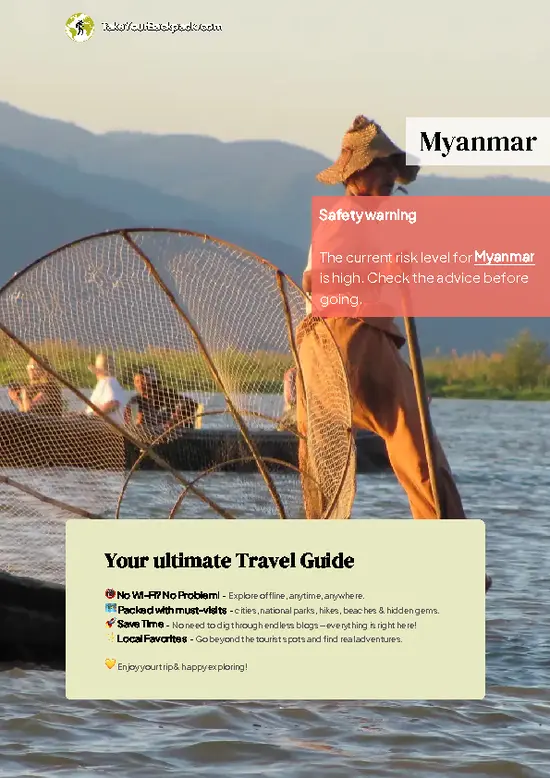
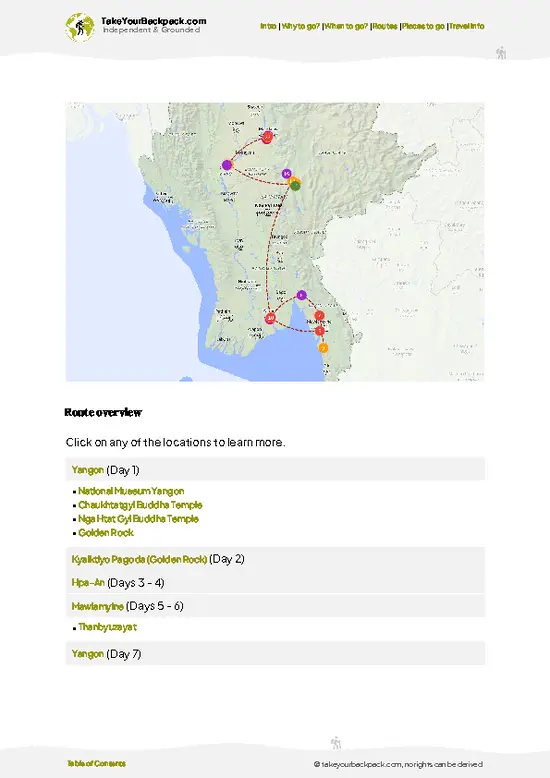
example page 0 from our offline Travel Guide for Myanmar
example page 1 from our offline Travel Guide for Myanmar
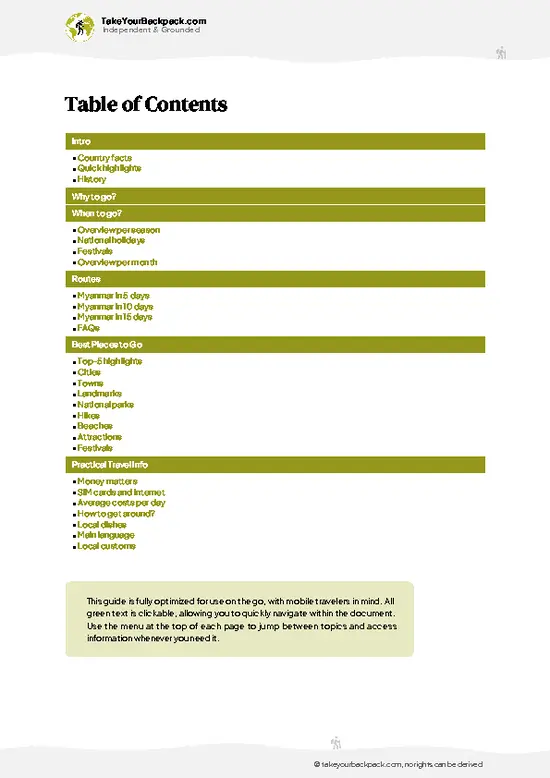
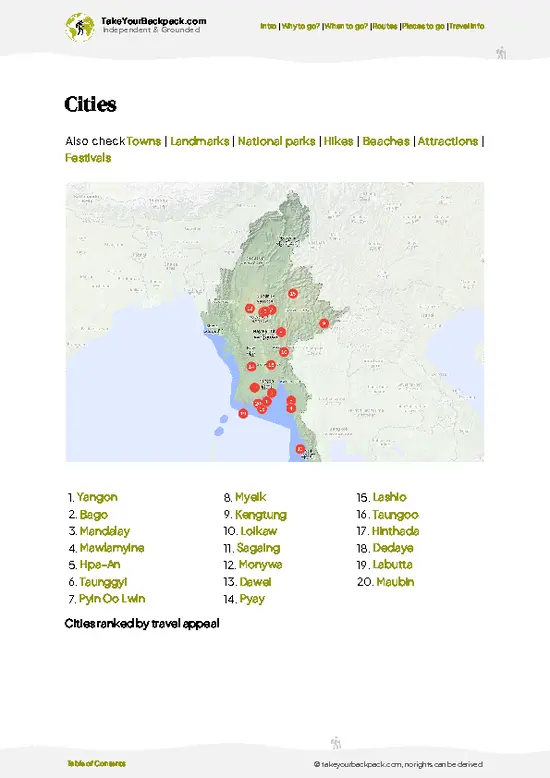
example page 2 from our offline Travel Guide for Myanmar
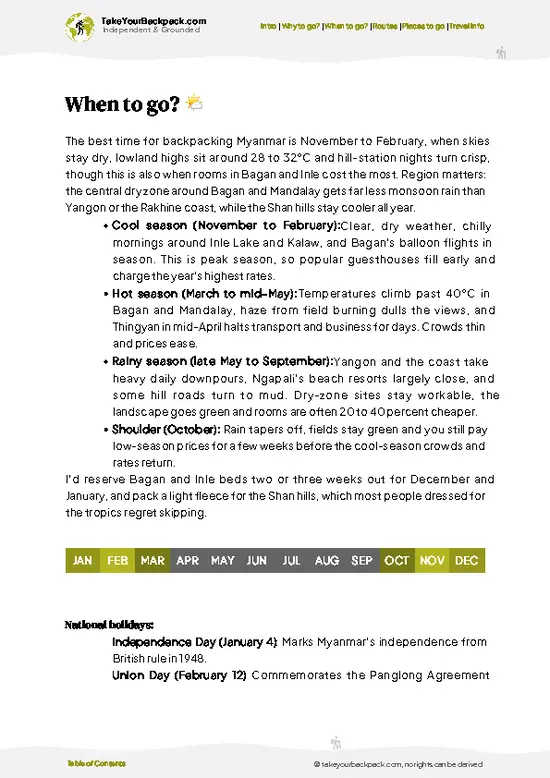
example page 3 from our offline Travel Guide for Myanmar
example page 4 from our offline Travel Guide for Myanmar
example page 5 from our offline Travel Guide for Myanmar
example page 6 from our offline Travel Guide for Myanmar
example page 7 from our offline Travel Guide for Myanmar
The digital guide (405 pages) contains:
110 highlights, ranked by travel appeal
Optimized 5, 10 & 15-day travel routes
Cities, national parks, landmarks, beaches
How to get around
Offline-friendly for travel without Wi-Fi
👉 Click to see all 30+ guide features

📅 Plan smarter in minutes, not weeks
Month by month travel advice
Festivals & national holidays
Budget expectations

🗺️ Go to the right places, skip the overrated ones
Honest pros & cons of destinations
Top hikes, parks & viewpoints
Lesser-known places most travelers miss
Clear “worth it vs skip it” guidance

🛏️ Travel smoothly without rookie mistakes
Best areas to stay
Transport systems explained simply
Common scams & safety advice
SIM cards, money & practical tips

🌍 Understand the country, not just visit it
Culture & traditions
52 Essential phrases & customs
Festivals worth planning around
Traveler-friendly historical context
Insights that make places more meaningful

📱 Built for real travel conditions
Fully downloadable PDF
Works completely offline
Optimized for phone use
Useful in remote areas & buses
Everything in one place
Save weeks of stressful planning
Get instant access to your full guide. 30‑day money-back guarantee.


By proceeding you agree to our terms.
Sent to your inbox immediately after payment • 100% Secure Checkout
Best Backpacking Travel Advisor 2025 tourism awardBest Backpacking
Travel Advisor
2025
What others say about Take Your Backpack Guides:
⭐⭐⭐⭐⭐
Fantastic, amazing amount of information!
⭐⭐⭐⭐⭐
My goodness this is amazing, it's what I've been looking for hats off too you!
⭐⭐⭐⭐⭐
I think this is absolutely BRILLIANT
⭐⭐⭐⭐
Very complete and informative. It's still missing places, but I gotta to commend you
⭐⭐⭐⭐⭐
This is truly amazing, thank you, can't wait to explore it with my kids!
⭐⭐⭐⭐⭐
Awesome resource, thank you!
⭐⭐⭐⭐⭐
This is amazing! Can't wait to explore the ones I haven't seen
⭐⭐⭐⭐
I love this! Well done, great idea.
⭐⭐⭐⭐⭐
Thanks for taking the time to make this gem!
⭐⭐⭐⭐⭐
This might be the best website I've ever seen.
⭐⭐⭐⭐⭐
Congratulations, and thank you so much for your work; it's incredibly valuable.
⭐⭐⭐⭐
In all seriousness I think you did a great job pointing out the important spots
⭐⭐⭐⭐⭐
10/10 very good
⭐⭐⭐⭐⭐
As someone who's only just starting to visit regularly this is awesome, thank you.
⭐⭐⭐⭐
Thank you very much! I'm going to visit my dad, it's going to be very useful!
⭐⭐⭐⭐⭐
This is really cool! We'll be travelling for the first time and this definitely come in handy.
⭐⭐⭐⭐⭐
You are now our minister of culture, congratulations 👨‍💼
⭐⭐⭐⭐⭐
Just wanted to tell you that this is a pearl! Going to follow your recommendations.
⭐⭐⭐⭐⭐
This is so cool. I'll definitely be using the resource for my travels soon.
⭐⭐⭐⭐⭐
This is very impressive! Good work.
⭐⭐⭐⭐⭐
This is an amazing and informative site. Very well done!

🛏️ Where to stay?Best Stay Options in Myanmar

Yes — Myanmar has hostels and budget accommodation concentrated in major tourist hubs: Yangon (downtown/Sule/Chinatown), Mandalay (near the palace/Zegyo market), Bagan (Nyaung-U), Inle Lake (Nyaung Shwe), Ngapali (Thandwe), and trekking towns like Hsipaw.
Yangon is cheapest and best for transport, markets and nightlife but can be noisy and crowded; Mandalay gives easy access to the palace and onward transport but has fewer hostel options; Nyaung-U/Bagan puts you closest to temples and bike rental but is touristy and dusty; Nyaung Shwe/Inle offers lakeside access and boat tours yet is more remote with limited nightlife; Ngapali means beach quiet and higher prices with fewer true hostels; Hsipawread more 👉
Yes — Myanmar has hostels and budget accommodation concentrated in major tourist hubs: Yangon (downtown/Sule/Chinatown), Mandalay (near the palace/Zegyo market), Bagan (Nyaung-U), Inle Lake (Nyaung Shwe), Ngapali (Thandwe), and trekking towns like Hsipaw.
Yangon is cheapest and best for transport, markets and nightlife but can be noisy and crowded; Mandalay gives easy access to the palace and onward transport but has fewer hostel options; Nyaung-U/Bagan puts you closest to temples and bike rental but is touristy and dusty; Nyaung Shwe/Inle offers lakeside access and boat tours yet is more remote with limited nightlife; Ngapali means beach quiet and higher prices with fewer true hostels; Hsipaw is small, safe and ideal for treks with basic guesthouses rather than full-service hostels.

If you enjoy meeting fellow travelers, consider choosing hostels with high ratings for atmosphere. On the other hand, if you prefer having your own space, a hotel might be a better option.

MyanmarWhere to Go Next

👋 Meet the founderWho’s Behind Take Your Backpack?

Johan, backpacker and founder of TakeYourBackpackHi, I’m Johan (Netherlands 🇳🇱), the creator of TakeYourBackpack. Over the past decade, I’ve backpacked through 80+ countries across six continents, gaining extensive experience with independent travel, long-term trips, and overland routes.

This site is built on a combination of firsthand travel experience and carefully curated insights from other backpackers. Many guides are based on places I’ve personally visited, while others bring together tips, observations, and practical advice shared by trusted travelers I’ve met along the way.

The goal is to provide realistic, experience-driven guidance — not generic itineraries — so you can explore destinations with better context, clearer expectations, and more confidence.

Get full Myanmar guide •
Instant download • 110 highlights • Full Offline guide