×

Myanmar🇲🇲 | attractionsSulamani Templefrescoed walls, arched corridors, brick lattice windows | things to do and best time to go

Explore Shwesandaw PagodaExplore Dhammayangyi Temple

Backpacking in Sulamani Temple
🏆 Top pickattraction ranked #4
By Johan Kruseman 🇳🇱 | Updated June 1, 2026

Here’s what nobody tells you until it’s too late: Sulamani Temple’s best hours are just after sunrise, when the tour buses are still idling at Shwesandaw and the light slants through the brick arches like a stage spotlight. You’ll find Sulamani in the heart of Bagan’s temple plain, central Myanmar, surrounded by fields that still hum with the sound of distant scooters and the occasional goat herd. Instagram will sell you a vision of empty corridors and mystical haze, but the reality is a steady trickle of selfie sticks and guides with megaphones, especially by mid-morning. Still, Sulamani delivers a kind of architectural gravity—its symmetry and faded murals feel more lived-in than the postcard-perfect Ananda or the crumbling, off-limits Thatbyinnyu. Entry is included in Bagan’s zone fee, so you’re not nickel-and-dimed at the door. It’s not the quietest or the most remote, but if you want to feel the pulse of Bagan without the full circus, Sulamani is where the magic gets real.

Discover everything you want to know in the 📖 Myanmar Travel Guide.
Safety warning

The current risk level for Myanmar is high. Check the advice before going.


Get your Myanmar guide
110 ranked highlights, routes & tips, works offline (405 pages)
Loading the map 🌍
CLICK TO FILTER
cities
towns
landmarks
national parks
hikes
beaches
attractions
festivals
regions
SHOW COUNTRY’S BESTSHOW ALL

✨ Why go?
Ranked #4 attraction in Myanmar
What makes it a must-see attraction

The Sulamani Temple in Myanmar is not just another photo op plastered across Instagram—it’s a heavyweight in the country’s cultural and historical arena. Sure, it draws crowds, especially during peak seasons, and yes, there’s an entry fee that might make you pause if you’re counting every kyat. But here’s the kicker: this temple isn’t about flash; it’s about substance. Built in the 12th century, Sulamani stands as a testament to the architectural genius and spiritual devotion of the Bagan era. Its intricate brickwork and faded frescoes tell stories that no guidebook can capture fully. For backpackers, it’s a milestone on the classic Bagan circuit—a place where you can feel the weight of centuries pressing in, not just snap a quick selfie. The climb to the top offers a rare adrenaline rush … read more 👉
The Sulamani Temple in Myanmar is not just another photo op plastered across Instagram—it’s a heavyweight in the country’s cultural and historical arena. Sure, it draws crowds, especially during peak seasons, and yes, there’s an entry fee that might make you pause if you’re counting every kyat. But here’s the kicker: this temple isn’t about flash; it’s about substance. Built in the 12th century, Sulamani stands as a testament to the architectural genius and spiritual devotion of the Bagan era. Its intricate brickwork and faded frescoes tell stories that no guidebook can capture fully. For backpackers, it’s a milestone on the classic Bagan circuit—a place where you can feel the weight of centuries pressing in, not just snap a quick selfie. The climb to the top offers a rare adrenaline rush paired with a panoramic view that rewards every bead of sweat. If you’re chasing authenticity over hype, Sulamani Temple delivers a deep, unvarnished connection to Myanmar’s soul that’s worth every step and every cent.
Want to include Sulamani Temple in your Myanmar route?
Create a personalized Myanmar itinerary that includes Sulamani Temple and the places that fit your trip — based on your travel style, budget, and available time. Get your route in seconds.

Generate my trip

💡 HighlightsEssential experiences to have while visiting Sulamani Temple

The Central Hall’s Light Show (No, Not the Instagram Kind)
Forget the filtered photos. The real spectacle is how sunlight slices through Sulamani’s high windows, painting the red-brick interior with shifting gold and shadow. It’s not about snapping the perfect shot—it’s about standing in the hush and watching the light move, hour by hour, across centuries-old Buddha images. This is the kind of quiet drama that Instagram can’t fake, and it’s why I always linger here longer than planned.


The Frescoes: History in Layers, Not Just Wallpaper
Most visitors breeze past the faded murals, but if you slow down, you’ll see why Sulamani’s frescoes are a big deal. They’re not just decoration—they’re a time capsule of Bagan’s spiritual life, with scenes from the Jataka tales and intricate floral patterns. … read more 👉
The Central Hall’s Light Show (No, Not the Instagram Kind)
Forget the filtered photos. The real spectacle is how sunlight slices through Sulamani’s high windows, painting the red-brick interior with shifting gold and shadow. It’s not about snapping the perfect shot—it’s about standing in the hush and watching the light move, hour by hour, across centuries-old Buddha images. This is the kind of quiet drama that Instagram can’t fake, and it’s why I always linger here longer than planned.


The Frescoes: History in Layers, Not Just Wallpaper
Most visitors breeze past the faded murals, but if you slow down, you’ll see why Sulamani’s frescoes are a big deal. They’re not just decoration—they’re a time capsule of Bagan’s spiritual life, with scenes from the Jataka tales and intricate floral patterns. Some are battered by time and restoration mishaps, but the surviving details—delicate hands, expressive faces, even the odd graffiti from 19th-century pilgrims—are raw, real, and far more gripping than any glossy travel brochure will admit.


The Outer Corridor: Echoes and Solitude
Here’s the trick: walk the full circuit of the outer corridor. Most tour groups don’t bother, so you’ll get a rare slice of solitude. The acoustics are wild—your footsteps echo, and the air feels thick with incense and old prayers. It’s a sensory reset after the chaos outside, and it’s where Sulamani’s scale really hits you. This isn’t just a monument; it’s a living labyrinth.


The Brickwork: Bagan’s Real Signature
Sulamani’s brickwork is the architectural flex that sets it apart from its flashier neighbors. Look up at the arches and vaults—no mortar, just gravity and genius. The patterns are hypnotic, and the craftsmanship is so precise that it’s survived earthquakes that flattened lesser temples. If you geek out on engineering, this is the main event.


The Sunset Glow (But Not the Rooftop)
Climbing temple roofs is banned (and for good reason), but Sulamani’s west-facing façade catches the late afternoon sun like a slow-burn spotlight. The bricks go from dull red to deep copper, and the whole place feels like it’s exhaling after a long, hot day. It’s not a secret, but it’s still magic—especially if you catch it when the crowds thin out.


Personal Favorite: The Central Hall’s Light Show
I’ve seen a lot of temples, but the way Sulamani’s interior transforms with the changing light never gets old. It’s pure, unscripted theater—no filter needed.
Spotted a mistake or missing something? Contact us.

Things to do near Sulamani Temple

Ratings based on Tripadvisor reviews. When you book through this link, you support our work at no extra cost to you.

🌤️ When to go?Best time to visit Sulamani Temple


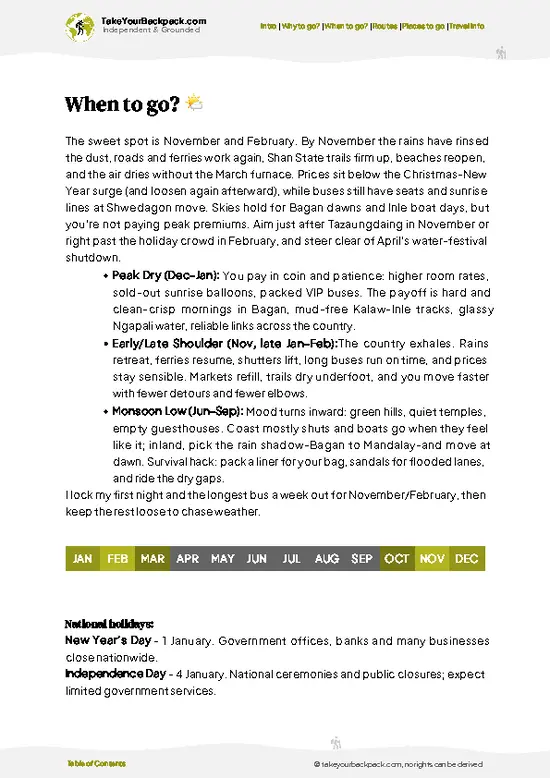
  • Topic: Weather – The best window to visit Sulamani Temple is between November and February. This period avoids the brutal monsoon season (June to October) when heavy rains can turn the dusty paths into mud traps and obscure the temple’s intricate details.

  • Topic: Temperature – Expect comfortable daytime highs around 25-30°C (77-86°F) in the cool season, perfect for wandering without melting. Avoid March to May when temperatures spike above 35°C (95°F), making midday exploration a sweaty slog.

  • Topic: Daylight Hours – From November to February, you get roughly 11 to 12 hours of daylight, enough to catch both sunrise and sunset views without rushing, which is crucial for photography and soaking in the atmosphere.

  • Topic: Crowds – Peak tourist season aligns with the cool, dry months, so
read more 👉

  • Topic: Weather – The best window to visit Sulamani Temple is between November and February. This period avoids the brutal monsoon season (June to October) when heavy rains can turn the dusty paths into mud traps and obscure the temple’s intricate details.

  • Topic: Temperature – Expect comfortable daytime highs around 25-30°C (77-86°F) in the cool season, perfect for wandering without melting. Avoid March to May when temperatures spike above 35°C (95°F), making midday exploration a sweaty slog.

  • Topic: Daylight Hours – From November to February, you get roughly 11 to 12 hours of daylight, enough to catch both sunrise and sunset views without rushing, which is crucial for photography and soaking in the atmosphere.

  • Topic: Crowds – Peak tourist season aligns with the cool, dry months, so expect more visitors around December and January. Early mornings or late afternoons are your best bet to dodge the crowds and have the temple’s magic mostly to yourself.

  • Topic: Seasonal Activities – The temple hosts fewer events than other sites, but the cooler months bring local festivals nearby, adding cultural layers to your visit without overwhelming the site itself.

  • Topic: Price Fluctuations – Accommodation and flights tend to be pricier during the cool season, especially December and January. Shoulder months like November and February offer a better balance between weather and cost.


Pro-tip: Aim for late November or early February to enjoy manageable crowds, pleasant weather, and better deals—plus, the light hits the temple’s terracotta bricks just right for those photos that don’t scream “tourist trap.”


source: climatestotravel.comJANJanuary: highly recommended for travelingFEBFebruary: excellent for travelingMARMarch: fair for travelingAPRApril: fair for travelingMAYMay: fair for travelingJUNJune: below average for travelingJULJuly: below average for travelingAUGAugust: below average for travelingSEPSeptember: below average for travelingOCTOctober: below average for travelingNOVNovember: excellent for travelingDECDecember: highly recommended for traveling
when-to-go

✈️ The backpacker research shortcutMyanmar Travel Guide

An offline-friendly backpacking guide with optimized travel routes, ranked highlights, transport advice, and the best areas to stay.
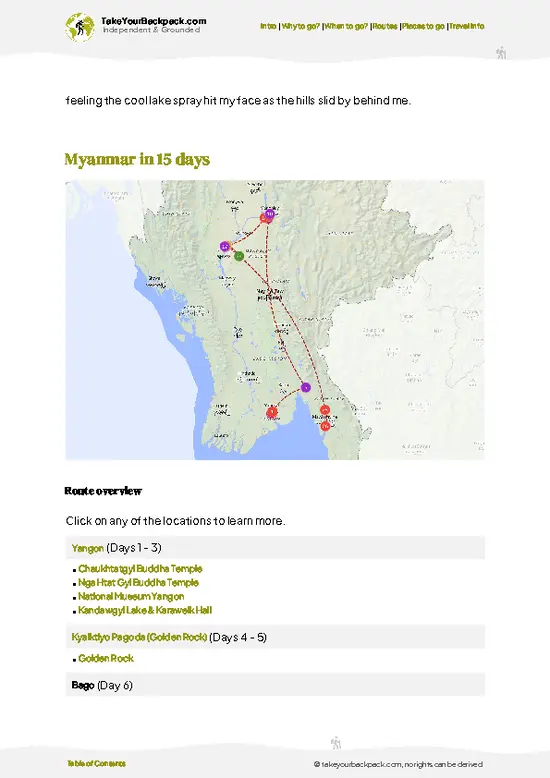
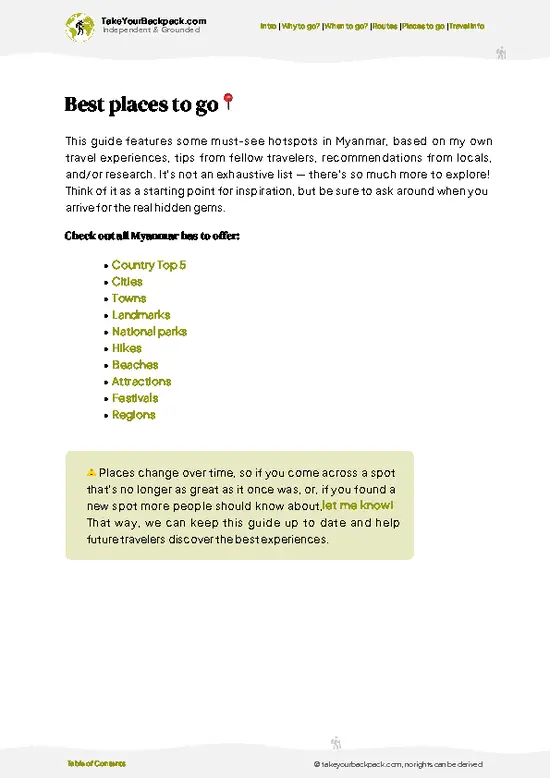
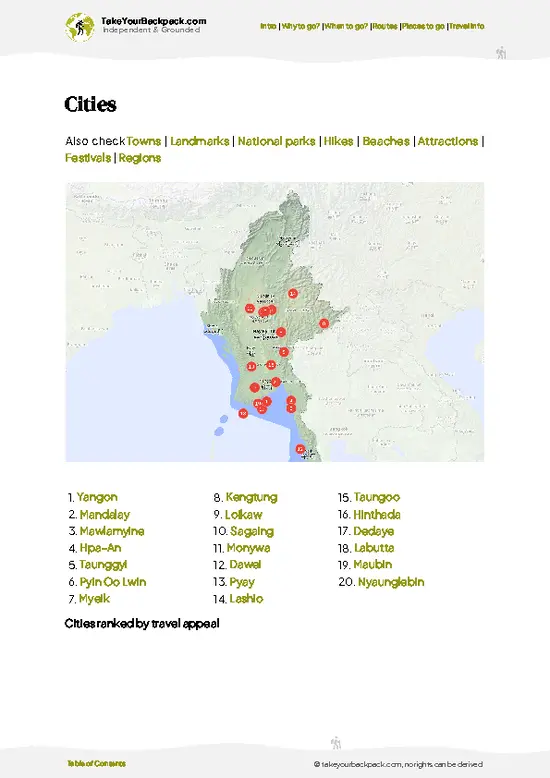
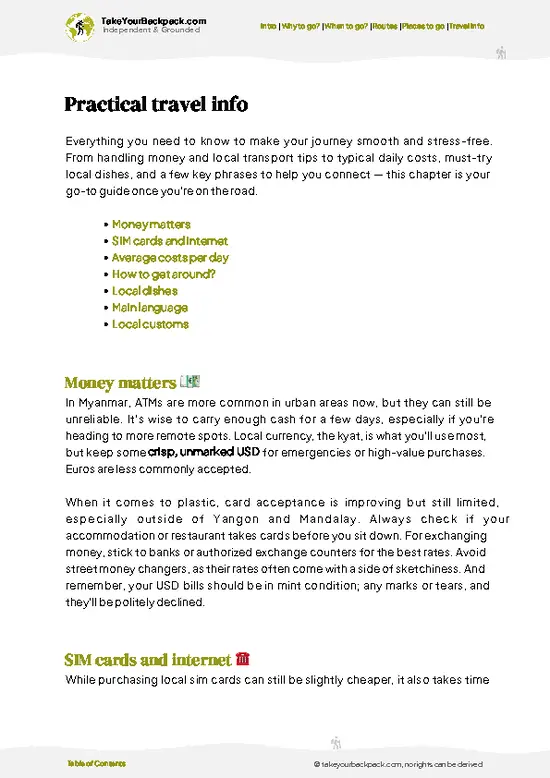
example page 0 from our offline Travel Guide for Myanmar
example page 1 from our offline Travel Guide for Myanmar
example page 2 from our offline Travel Guide for Myanmar
example page 3 from our offline Travel Guide for Myanmar
example page 4 from our offline Travel Guide for Myanmar
example page 5 from our offline Travel Guide for Myanmar
example page 6 from our offline Travel Guide for Myanmar
example page 7 from our offline Travel Guide for Myanmar
The digital guide (405 pages) contains:
110 highlights, ranked by travel appeal
Optimized 5, 10 & 15-day travel routes
Cities, national parks, landmarks, beaches
How to get around
Offline-friendly for travel without Wi-Fi
👉 Click to see all 30+ guide features

📅 Plan smarter in minutes, not weeks
Month by month travel advice
Festivals & national holidays
Budget expectations

🗺️ Go to the right places, skip the overrated ones
Honest pros & cons of destinations
Top hikes, parks & viewpoints
Lesser-known places most travelers miss
Clear “worth it vs skip it” guidance

🛏️ Travel smoothly without rookie mistakes
Best areas to stay
Transport systems explained simply
Common scams & safety advice
SIM cards, money & practical tips

🌍 Understand the country, not just visit it
Culture & traditions
52 Essential phrases & customs
Festivals worth planning around
Traveler-friendly historical context
Insights that make places more meaningful

📱 Built for real travel conditions
Fully downloadable PDF
Works completely offline
Optimized for phone use
Useful in remote areas & buses
Everything in one place
Save weeks of stressful planning
Get instant access to your full guide. 30‑day money-back guarantee.


By proceeding you agree to our terms.
Sent to your inbox immediately after payment • 100% Secure Checkout
Best Backpacking Travel Advisor 2025 tourism awardBest Backpacking
Travel Advisor
2025
What others say about Take Your Backpack Guides:
⭐⭐⭐⭐⭐
Fantastic, amazing amount of information!
⭐⭐⭐⭐⭐
My goodness this is amazing, it's what I've been looking for hats off too you!
⭐⭐⭐⭐⭐
I think this is absolutely BRILLIANT
⭐⭐⭐⭐
Very complete and informative. It's still missing places, but I gotta to commend you
⭐⭐⭐⭐⭐
This is truly amazing, thank you, can't wait to explore it with my kids!
⭐⭐⭐⭐⭐
Awesome resource, thank you!
⭐⭐⭐⭐⭐
This is amazing! Can't wait to explore the ones I haven't seen
⭐⭐⭐⭐
I love this! Well done, great idea.
⭐⭐⭐⭐⭐
Thanks for taking the time to make this gem!
⭐⭐⭐⭐⭐
This might be the best website I've ever seen.
⭐⭐⭐⭐⭐
Congratulations, and thank you so much for your work; it's incredibly valuable.
⭐⭐⭐⭐
In all seriousness I think you did a great job pointing out the important spots
⭐⭐⭐⭐⭐
10/10 very good
⭐⭐⭐⭐⭐
As someone who's only just starting to visit regularly this is awesome, thank you.
⭐⭐⭐⭐
Thank you very much! I'm going to visit my dad, it's going to be very useful!
⭐⭐⭐⭐⭐
This is really cool! We'll be travelling for the first time and this definitely come in handy.
⭐⭐⭐⭐⭐
You are now our minister of culture, congratulations 👨‍💼
⭐⭐⭐⭐⭐
Just wanted to tell you that this is a pearl! Going to follow your recommendations.
⭐⭐⭐⭐⭐
This is so cool. I'll definitely be using the resource for my travels soon.
⭐⭐⭐⭐⭐
This is very impressive! Good work.
⭐⭐⭐⭐⭐
This is an amazing and informative site. Very well done!

🛏️ Where to stay?Best areas and accommodation options

If you’re backpacking to see Sulamani Temple in Bagan, the first thing to know is this: the area around the temple isn’t a quiet, untouched sanctuary. It’s a magnet for tourists, especially at sunrise and sunset, so expect crowds and a fair share of souvenir hawkers. The Instagram-perfect shots come with a price—both in patience and pocket. But here’s the real deal: the magic isn’t just in the temple itself; it’s in how you experience the whole Bagan vibe.

For backpackers, the best place to base yourself is in New Bagan or Old Bagan. These areas strike the right balance between accessibility … read more 👉
If you’re backpacking to see Sulamani Temple in Bagan, the first thing to know is this: the area around the temple isn’t a quiet, untouched sanctuary. It’s a magnet for tourists, especially at sunrise and sunset, so expect crowds and a fair share of souvenir hawkers. The Instagram-perfect shots come with a price—both in patience and pocket. But here’s the real deal: the magic isn’t just in the temple itself; it’s in how you experience the whole Bagan vibe.

For backpackers, the best place to base yourself is in New Bagan or Old Bagan. These areas strike the right balance between accessibility and atmosphere. New Bagan is quieter, with a handful of budget guesthouses and a chill vibe that makes it easy to meet other travelers without the chaos. Old Bagan is closer to the main temples, including Sulamani, so you can hit the early morning light without a long ride. It’s busier but still manageable if you’re up for a bit of hustle.

Both areas are safe and have enough social spots—think low-key cafes and communal spaces where you can swap stories with fellow backpackers. Skip the tourist traps and focus on these neighborhoods to get the authentic Bagan experience without breaking the bank or losing your sanity.

👛 Costs (as of 23 January 2026)Money, prices, and spending tips

Access to Sulamani Temple requires a Bagan Archaeological Zone ticket, priced at €20 to €25 for foreign tourists. This ticket grants entry to all temples within the zone for a duration of 3 to 5 days. Tickets can be purchased at the airport upon arrival or at designated ticket counters before entering the zone. ([heritagevoyager.com](https://www.heritagevoyager.com/en/sites/bagan/?utm_source=openai))

source: heritagevoyager.com
⚠️ Prices can change and everyone travels differently, so take this as a rough guide. Hope it helps you plan your adventure!

Other Burmese attractions near Sulamani Temple

Explore more nearby:

  • Dhammayangyi Temple—massive brickwork, mysterious corridors, unfinished interior| 1 km away
  • Htilominlo Temple—red brick façade, glazed plaques, tiered terraces| 2 km away
  • Ananda Temple—symmetrical architecture, gilded spires, sandstone reliefs| 2 km away

💡 Not sure where to go next?
Create a personalized itinerary for Myanmar including Sulamani Temple and the places that fit your trip.

Generate my itinerary

👉 Discover all attractions

Or checkout all Myanmar has to offer (think cities, towns, villages, national parks, hikes, beaches, festivals)
Country photo of Myanmar

We 💚 feedbackKey takeaways before you go

Sulamani Temple isn’t some quiet, untouched relic—you’ll share the space with a steady stream of tourists, especially midday. But here’s the kicker: the intricate frescoes and the way the light plays off the brickwork at dawn or dusk? That’s the kind of detail Instagram can’t capture. If you time it right, you get a front-row seat to centuries of craftsmanship that feels genuinely alive, not just a photo op.

✈️ When did I visit Myanmar?
In November 2013 I backpacked through Myanmar, bringing a full stack of pristine dollar bills as they had no ATMs back then.

✍️ Help improve this page!
The information on this page is based on my own backpacking experience in Myanmar, supplemented with up-to-date research and feedback from other travelers. Travel details can change, so if you notice anything outdated or incomplete, feel free to let me know.


🙋‍♂️ Give feedback

👋 Meet the founderWho’s Behind Take Your Backpack?

Johan, backpacker and founder of TakeYourBackpackHi, I’m Johan (Netherlands 🇳🇱), the creator of TakeYourBackpack. Over the past decade, I’ve backpacked through 80+ countries across six continents, gaining extensive experience with independent travel, long-term trips, and overland routes.

This site is built on a combination of firsthand travel experience and carefully curated insights from other backpackers. Many guides are based on places I’ve personally visited, while others bring together tips, observations, and practical advice shared by trusted travelers I’ve met along the way.

The goal is to provide realistic, experience-driven guidance — not generic itineraries — so you can explore destinations with better context, clearer expectations, and more confidence.

Get full Myanmar guide •
Instant download • 110 highlights • Full Offline guide