v2.webp)
The Towering Brickwork (and Why It’s Not Just Another Temple)
Htilominlo isn’t the biggest or the oldest temple in Bagan, but it’s the one that makes you stop and stare up—really up. The three-story brick structure is a red-and-white monolith, rising out of the dust like a half-buried spaceship. The scale is intimidating, but it’s the intricate plaster carvings and the sheer density of detail that set it apart. Forget the Instagram shots of empty corridors; you’ll be sharing the space with tour groups and selfie sticks. But look past the crowds, and you’ll see centuries-old craftsmanship that’s survived earthquakes and empires. This is Bagan’s brickwork at its most ambitious.
The Four-Faced Buddha Statues
Inside, you’ll find four massive Buddha images facing the cardinal directions. Each … read more 👉
Htilominlo isn’t the biggest or the oldest temple in Bagan, but it’s the one that makes you stop and stare up—really up. The three-story brick structure is a red-and-white monolith, rising out of the dust like a half-buried spaceship. The scale is intimidating, but it’s the intricate plaster carvings and the sheer density of detail that set it apart. Forget the Instagram shots of empty corridors; you’ll be sharing the space with tour groups and selfie sticks. But look past the crowds, and you’ll see centuries-old craftsmanship that’s survived earthquakes and empires. This is Bagan’s brickwork at its most ambitious.
The Four-Faced Buddha Statues
Inside, you’ll find four massive Buddha images facing the cardinal directions. Each … read more 👉
The Towering Brickwork (and Why It’s Not Just Another Temple)
Htilominlo isn’t the biggest or the oldest temple in Bagan, but it’s the one that makes you stop and stare up—really up. The three-story brick structure is a red-and-white monolith, rising out of the dust like a half-buried spaceship. The scale is intimidating, but it’s the intricate plaster carvings and the sheer density of detail that set it apart. Forget the Instagram shots of empty corridors; you’ll be sharing the space with tour groups and selfie sticks. But look past the crowds, and you’ll see centuries-old craftsmanship that’s survived earthquakes and empires. This is Bagan’s brickwork at its most ambitious.
The Four-Faced Buddha Statues
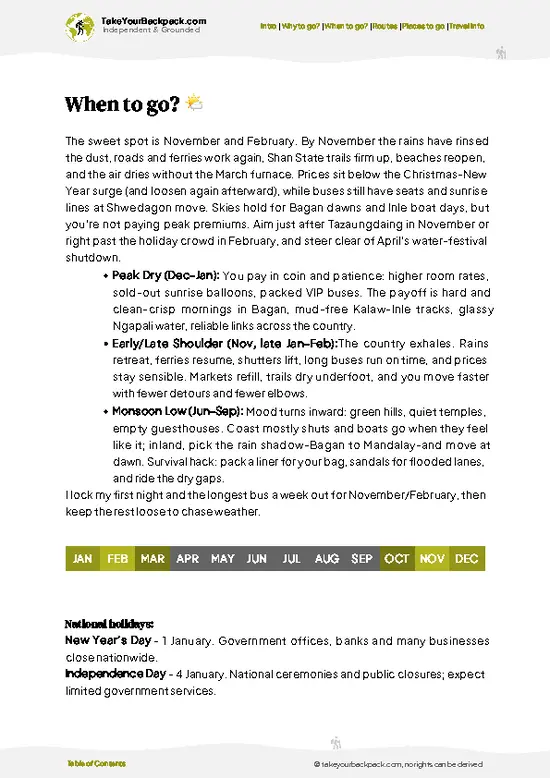
Inside, you’ll find four massive Buddha images facing the cardinal directions. Each one is slightly different—subtle shifts in expression, posture, and even the way the robes fall. It’s a quiet, almost meditative experience if you catch a lull in the foot traffic. The statues aren’t just decorative; they’re a lesson in the diversity of Burmese Buddhist art, and a reminder that this was once a living, breathing place of worship, not just a photo op.
The Surviving Stucco Reliefs
Most temples in Bagan have lost their original exterior decorations to time and weather, but Htilominlo still clings to patches of its original stucco. Look for the delicate floral motifs and mythical creatures above the arches—these are the real deal, not modern restorations. If you want to see what Bagan’s temples looked like in their prime, this is as close as you’ll get without a time machine.
The Upper Terraces (My Personal Favorite)
If you’re lucky enough to visit when the upper terraces are open (access is sometimes restricted for preservation), don’t hesitate. The climb is steep and the steps are uneven, but the payoff is a panoramic view that’s pure Bagan—temple spires poking through the haze, ox carts trundling below, and the Irrawaddy River glinting in the distance. It’s not a secret spot, but it’s the moment when the chaos fades and the landscape feels ancient and alive.
The Local Vendors and Their Stories
Yes, you’ll be approached by postcard sellers and lacquerware hawkers. But if you take a minute to talk, you’ll find that many are descendants of families who’ve lived in the area for generations. Some can point out details in the temple you’d never notice on your own. Skip the hard sell and ask about their lives—this is where the real, unfiltered Bagan comes through.
Htilominlo isn’t the biggest or the oldest temple in Bagan, but it’s the one that makes you stop and stare up—really up. The three-story brick structure is a red-and-white monolith, rising out of the dust like a half-buried spaceship. The scale is intimidating, but it’s the intricate plaster carvings and the sheer density of detail that set it apart. Forget the Instagram shots of empty corridors; you’ll be sharing the space with tour groups and selfie sticks. But look past the crowds, and you’ll see centuries-old craftsmanship that’s survived earthquakes and empires. This is Bagan’s brickwork at its most ambitious.
The Four-Faced Buddha Statues
Inside, you’ll find four massive Buddha images facing the cardinal directions. Each one is slightly different—subtle shifts in expression, posture, and even the way the robes fall. It’s a quiet, almost meditative experience if you catch a lull in the foot traffic. The statues aren’t just decorative; they’re a lesson in the diversity of Burmese Buddhist art, and a reminder that this was once a living, breathing place of worship, not just a photo op.
The Surviving Stucco Reliefs
Most temples in Bagan have lost their original exterior decorations to time and weather, but Htilominlo still clings to patches of its original stucco. Look for the delicate floral motifs and mythical creatures above the arches—these are the real deal, not modern restorations. If you want to see what Bagan’s temples looked like in their prime, this is as close as you’ll get without a time machine.
The Upper Terraces (My Personal Favorite)
If you’re lucky enough to visit when the upper terraces are open (access is sometimes restricted for preservation), don’t hesitate. The climb is steep and the steps are uneven, but the payoff is a panoramic view that’s pure Bagan—temple spires poking through the haze, ox carts trundling below, and the Irrawaddy River glinting in the distance. It’s not a secret spot, but it’s the moment when the chaos fades and the landscape feels ancient and alive.
The Local Vendors and Their Stories
Yes, you’ll be approached by postcard sellers and lacquerware hawkers. But if you take a minute to talk, you’ll find that many are descendants of families who’ve lived in the area for generations. Some can point out details in the temple you’d never notice on your own. Skip the hard sell and ask about their lives—this is where the real, unfiltered Bagan comes through.
Spotted a mistake or missing something? Contact us.




 Best Backpacking
.jpg) Hi, I’m Johan (Netherlands 🇳🇱), the creator of TakeYourBackpack. Over the past decade, I’ve backpacked through 80+ countries across six continents, gaining extensive experience with independent travel, long-term trips, and overland routes.
Hi, I’m Johan (Netherlands 🇳🇱), the creator of TakeYourBackpack. Over the past decade, I’ve backpacked through 80+ countries across six continents, gaining extensive experience with independent travel, long-term trips, and overland routes.