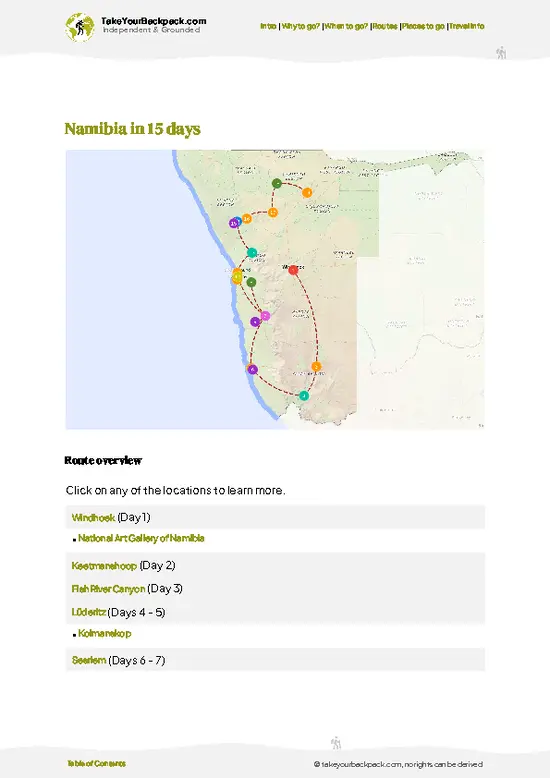
The Sandstone Facade Up Close
Forget the wide-angle Instagram shot from across the street. Stand right at the base and look up. The sandstone blocks are not just decorative—they’re quarried from local Namibian rock, each one sun-bleached and pitted, with a tactile roughness that’s nothing like the polished, imported stone you’ll see in European churches. You can literally feel the Namibian sun in the walls. The contrast between the ochre stone and the white marble detailing is sharp, almost defiant. This is not a copy-paste European church; it’s a Namibian original with a German accent.
The Stained Glass Windows (Especially at Sunset)
Most people snap a quick photo and move on. Don’t. Time your visit for late afternoon, when the sun drops low and the stained glass windows ignite. The colors—deep … read more 👉
Forget the wide-angle Instagram shot from across the street. Stand right at the base and look up. The sandstone blocks are not just decorative—they’re quarried from local Namibian rock, each one sun-bleached and pitted, with a tactile roughness that’s nothing like the polished, imported stone you’ll see in European churches. You can literally feel the Namibian sun in the walls. The contrast between the ochre stone and the white marble detailing is sharp, almost defiant. This is not a copy-paste European church; it’s a Namibian original with a German accent.
The Stained Glass Windows (Especially at Sunset)
Most people snap a quick photo and move on. Don’t. Time your visit for late afternoon, when the sun drops low and the stained glass windows ignite. The colors—deep … read more 👉
The Sandstone Facade Up Close
Forget the wide-angle Instagram shot from across the street. Stand right at the base and look up. The sandstone blocks are not just decorative—they’re quarried from local Namibian rock, each one sun-bleached and pitted, with a tactile roughness that’s nothing like the polished, imported stone you’ll see in European churches. You can literally feel the Namibian sun in the walls. The contrast between the ochre stone and the white marble detailing is sharp, almost defiant. This is not a copy-paste European church; it’s a Namibian original with a German accent.
The Stained Glass Windows (Especially at Sunset)
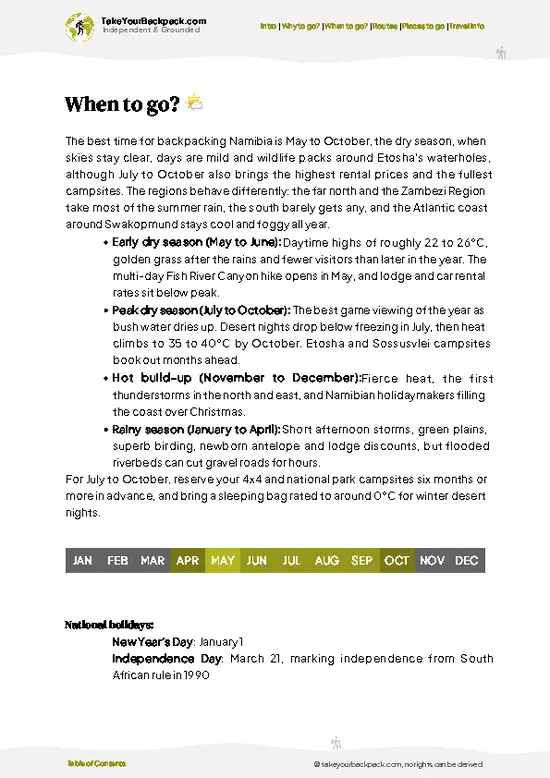
Most people snap a quick photo and move on. Don’t. Time your visit for late afternoon, when the sun drops low and the stained glass windows ignite. The colors—deep cobalt, blood red, gold—spill across the pews and floor in a way that feels almost theatrical. These windows were a gift from Kaiser Wilhelm II, and they’re not shy about it. The glasswork is intricate, with bold, imperial motifs that feel out of place in the best possible way. It’s a collision of colonial ambition and African light.
The Pipe Organ’s Unexpected Power
If you’re lucky enough to catch a recital or even a quick practice session, the organ will rattle your bones. It’s not a massive instrument by European standards, but in this small, echoing space, the sound is overwhelming. The pipes are original, shipped from Germany over a century ago, and the acoustics are sharp—no soft edges here. The music fills every corner, bouncing off stone and wood, making the church feel much larger than it is. It’s a reminder that grandeur isn’t always about size.
The View from the Steps
Step outside and turn around. The church sits at a crossroads—literally and figuratively. From the steps, you get a panoramic sweep of Windhoek’s city center, with Independence Avenue slicing through the modern sprawl. It’s a jarring but honest juxtaposition: colonial relic meets African capital. You’ll see wedding parties, street vendors, and taxi drivers all weaving around the church, treating it as both landmark and backdrop. This is where Windhoek’s contradictions are on full display.
The Oddball Details (Spot the Griffins and the Clock Tower)
Look for the carved griffins perched above the entrance—half-myth, half-mascot, and totally unexpected in the Namibian heat. The clock tower, meanwhile, is a working relic, chiming out the hours with stubborn regularity. These details aren’t just decorative; they’re a reminder that Christuskirche is a living building, not a museum piece. The quirks are what keep it from feeling like a stage set.
Forget the wide-angle Instagram shot from across the street. Stand right at the base and look up. The sandstone blocks are not just decorative—they’re quarried from local Namibian rock, each one sun-bleached and pitted, with a tactile roughness that’s nothing like the polished, imported stone you’ll see in European churches. You can literally feel the Namibian sun in the walls. The contrast between the ochre stone and the white marble detailing is sharp, almost defiant. This is not a copy-paste European church; it’s a Namibian original with a German accent.
The Stained Glass Windows (Especially at Sunset)
Most people snap a quick photo and move on. Don’t. Time your visit for late afternoon, when the sun drops low and the stained glass windows ignite. The colors—deep cobalt, blood red, gold—spill across the pews and floor in a way that feels almost theatrical. These windows were a gift from Kaiser Wilhelm II, and they’re not shy about it. The glasswork is intricate, with bold, imperial motifs that feel out of place in the best possible way. It’s a collision of colonial ambition and African light.
The Pipe Organ’s Unexpected Power
If you’re lucky enough to catch a recital or even a quick practice session, the organ will rattle your bones. It’s not a massive instrument by European standards, but in this small, echoing space, the sound is overwhelming. The pipes are original, shipped from Germany over a century ago, and the acoustics are sharp—no soft edges here. The music fills every corner, bouncing off stone and wood, making the church feel much larger than it is. It’s a reminder that grandeur isn’t always about size.
The View from the Steps
Step outside and turn around. The church sits at a crossroads—literally and figuratively. From the steps, you get a panoramic sweep of Windhoek’s city center, with Independence Avenue slicing through the modern sprawl. It’s a jarring but honest juxtaposition: colonial relic meets African capital. You’ll see wedding parties, street vendors, and taxi drivers all weaving around the church, treating it as both landmark and backdrop. This is where Windhoek’s contradictions are on full display.
The Oddball Details (Spot the Griffins and the Clock Tower)
Look for the carved griffins perched above the entrance—half-myth, half-mascot, and totally unexpected in the Namibian heat. The clock tower, meanwhile, is a working relic, chiming out the hours with stubborn regularity. These details aren’t just decorative; they’re a reminder that Christuskirche is a living building, not a museum piece. The quirks are what keep it from feeling like a stage set.
Spotted a mistake or missing something? Contact us.
v2.webp)


Best Backpacking
Hi, I’m Johan (Netherlands 🇳🇱), the creator of TakeYourBackpack. Over the past decade, I’ve backpacked through 80+ countries across six continents, gaining extensive experience with independent travel, long-term trips, and overland routes.