×

Namibia🇳🇦 | attractionsNational Museum of Namibianatural history, ethnographic displays, colonial relics | things to do and best time to go

Explore Independence Memorial MuseumExplore TransNamib Railway Museum

Backpacking in National Museum of Namibia
👍 Recommendedattraction ranked #7
By Johan Kruseman 🇳🇱 | Updated May 26, 2026

Here’s the curveball: the National Museum of Namibia isn’t a single, gleaming building packed with interactive displays—it’s a patchwork of sites, and the main one, the Owela Museum in Windhoek, is often half-empty, with exhibits that feel frozen in time (sometimes literally, thanks to the air conditioning that works overtime while the lights flicker). You’ll find it smack in the heart of Windhoek, Namibia’s capital, wedged between the city’s colonial leftovers and its modern hustle. Here’s the honest pitch: if you’re chasing blockbuster visuals or Insta-bragging rights, you’ll be underwhelmed. But if you want to get under Namibia’s skin—think: colonial scars, independence struggles, and the raw, unpolished stories of its people—this is where the real magic happens. Entry is cheap, crowds are rare, and the vibe is more “quiet time capsule” than “tourist circus.” Compared to Etosha’s wildlife or Sossusvlei’s dunes, the museum is subtle, but it’s the kind of place that rewards curiosity, not just camera clicks.

Discover everything you want to know in the 📖 Namibia Travel Guide.


Get your Namibia guide
79 ranked highlights, routes & tips, works offline (318 pages)
Loading the map 🌍
CLICK TO FILTER
cities
towns
villages
landmarks
national parks
hikes
beaches
attractions
festivals
regions
SHOW COUNTRY’S BESTSHOW ALL

✨ Why go?
Ranked #7 attraction in Namibia
Why National Museum of Namibia should be on your travel list

The National Museum of Namibia isn’t your typical tourist pit stop where you snap a quick selfie and move on. Sure, it draws crowds, especially during peak seasons, and the entrance fee isn’t exactly pocket change for a backpacker. But here’s the thing: this place is a cornerstone for anyone serious about understanding Namibia beyond the safari clichés. It’s not just a building with dusty exhibits; it’s a living archive of the country’s complex history—from pre-colonial cultures to the brutal realities of apartheid and independence. The artifacts and displays don’t just tell stories; they challenge you to rethink Namibia’s identity and your place in its ongoing narrative.

For backpackers trekking the country route, the museum is a major milestone. It’s where you pause, absorb, and connect … read more 👉
The National Museum of Namibia isn’t your typical tourist pit stop where you snap a quick selfie and move on. Sure, it draws crowds, especially during peak seasons, and the entrance fee isn’t exactly pocket change for a backpacker. But here’s the thing: this place is a cornerstone for anyone serious about understanding Namibia beyond the safari clichés. It’s not just a building with dusty exhibits; it’s a living archive of the country’s complex history—from pre-colonial cultures to the brutal realities of apartheid and independence. The artifacts and displays don’t just tell stories; they challenge you to rethink Namibia’s identity and your place in its ongoing narrative.

For backpackers trekking the country route, the museum is a major milestone. It’s where you pause, absorb, and connect the dots between the landscapes you’ve seen and the people who shaped them. The effort to get here—whether by bus or hitchhiking—pays off in a deep, grounding experience that no Instagram filter can replicate. If you want to move beyond surface-level travel and tap into Namibia’s soul, this museum is non-negotiable. It’s raw, real, and absolutely worth your time.
Want to include National Museum of Namibia in your Namibia route?
Create a personalized Namibia itinerary that includes National Museum of Namibia and the places that fit your trip — based on your travel style, budget, and available time. Get your route in seconds.

Generate my trip

💡 HighlightsPlaces and moments you shouldn't skip

The Alte Feste (Old Fortress)
Let’s get real: most people snap a photo of the fortress, post it, and move on. But if you actually step inside, you’re walking through the bones of Windhoek’s colonial past. The thick, sun-bleached walls have seen German Schutztruppe soldiers, South African administrators, and the slow, stubborn birth of Namibian independence. It’s not polished or pretty—think more “history with scars” than “Instagrammable backdrop.” The museum’s displays are old-school, sometimes even dusty, but that’s the point. You’re not here for slick curation; you’re here to feel the weight of real events in a place that’s been a witness, not a stage set.


Namibian Independence Exhibit
Skip the generic flag-waving. This is where you get the raw, unfiltered story of Namibia’s fight for self-determination. … read more 👉
The Alte Feste (Old Fortress)
Let’s get real: most people snap a photo of the fortress, post it, and move on. But if you actually step inside, you’re walking through the bones of Windhoek’s colonial past. The thick, sun-bleached walls have seen German Schutztruppe soldiers, South African administrators, and the slow, stubborn birth of Namibian independence. It’s not polished or pretty—think more “history with scars” than “Instagrammable backdrop.” The museum’s displays are old-school, sometimes even dusty, but that’s the point. You’re not here for slick curation; you’re here to feel the weight of real events in a place that’s been a witness, not a stage set.


Namibian Independence Exhibit
Skip the generic flag-waving. This is where you get the raw, unfiltered story of Namibia’s fight for self-determination. The exhibit doesn’t sugarcoat the brutality of colonial rule or the complexity of the liberation struggle. You’ll see battered protest signs, yellowed newspapers, and the kind of everyday artifacts that make history feel personal. It’s not a parade of heroes—it’s a messy, human story, and that’s exactly why it sticks with you. If you want to understand why Namibians are so fiercely proud of their country, start here.


Natural History Collection
Forget the “stuffed animal” stereotype. The taxidermy here is old, yes, but it’s also a time capsule of Namibia’s wild heart. There’s a lion that looks like it’s sizing you up, a black rhino that’s seen better days, and a collection of desert-adapted oddities that remind you just how weird and wonderful this country is. The dioramas are retro, but the sense of awe is real. You’ll walk out with a new respect for the creatures that survive in Namibia’s harshest corners—and maybe a few goosebumps.


Owela Museum (Ethnographic Wing)
This is where the museum stops being about “them” and starts being about “us.” The Owela Museum dives into the daily lives, beliefs, and crafts of Namibia’s many ethnic groups. You’ll see hand-carved tools, traditional dress, and musical instruments you’ve never heard of. The displays are straightforward, sometimes even blunt, but that’s what makes them powerful. It’s not about romanticizing the past; it’s about showing the grit, ingenuity, and humor that keep cultures alive. If you want to move beyond the safari-brochure version of Namibia, this is your ticket.


The View from the Museum Grounds
Here’s the secret: the best “exhibit” might be outside. Step onto the grounds and you get a panoramic view of Windhoek that’s pure, unfiltered Namibia—red roofs, distant hills, and the kind of sky that makes you believe in big dreams. No crowds, no filters, just a moment to breathe and realize you’re standing in a place where history is still being written. That’s the real magic.
Spotted a mistake or missing something? Contact us.

Things to do around National Museum of Namibia

Ratings based on Tripadvisor reviews. When you book through this link, you support our work at no extra cost to you.

🌤️ When to go?Weather, crowds, and seasonal trade-offs


  • Weather: Namibia’s dry season from May to October is your best bet. Expect clear skies and minimal rain, perfect for wandering the National Museum without soggy shoes. The wet season (November to April) brings unpredictable showers that can dampen your plans and the exhibits’ outdoor surroundings.

  • Temperature: During the dry months, daytime highs hover around 20-25°C (68-77°F), comfortably cool for exploring. Nights can dip to 5-10°C (41-50°F), so pack layers. The wet season heats up to 30°C+ (86°F+), which can make museum visits sticky and less pleasant.

  • Daylight Hours: From May to August, you get long, bright days with up to 11-12 hours of daylight—ideal for squeezing in museum time plus other city explorations. December and January have shorter days and more clouds, cutting into
read more 👉

  • Weather: Namibia’s dry season from May to October is your best bet. Expect clear skies and minimal rain, perfect for wandering the National Museum without soggy shoes. The wet season (November to April) brings unpredictable showers that can dampen your plans and the exhibits’ outdoor surroundings.

  • Temperature: During the dry months, daytime highs hover around 20-25°C (68-77°F), comfortably cool for exploring. Nights can dip to 5-10°C (41-50°F), so pack layers. The wet season heats up to 30°C+ (86°F+), which can make museum visits sticky and less pleasant.

  • Daylight Hours: From May to August, you get long, bright days with up to 11-12 hours of daylight—ideal for squeezing in museum time plus other city explorations. December and January have shorter days and more clouds, cutting into your sightseeing window.

  • Crowds: Peak tourist season aligns with the dry months, especially July and August, so expect more visitors and slightly higher entry fees. If you want to dodge the crowd, aim for May or September when the museum is quieter but still pleasant weather-wise.

  • Seasonal Activities: The dry season coincides with cultural festivals and outdoor markets in Windhoek, enhancing your museum visit with authentic local vibes. The wet season’s lush landscapes are tempting but less relevant to the museum experience itself.

  • Price Fluctuations: Entry fees and accommodation around the museum tend to spike during the dry season’s peak months (June-August). Booking in shoulder months like May or September can save you a few bucks without sacrificing comfort.


Pro-tip: Visit the National Museum of Namibia in May or September for the sweet spot of good weather, fewer crowds, and better prices—giving you space to soak in history without the hassle.


source: climatestotravel.comJANJanuary: fair for travelingFEBFebruary: fair for travelingMARMarch: fair for travelingAPRApril: fair for travelingMAYMay: excellent for travelingJUNJune: highly recommended for travelingJULJuly: highly recommended for travelingAUGAugust: highly recommended for travelingSEPSeptember: excellent for travelingOCTOctober: good for travelingNOVNovember: fair for travelingDECDecember: fair for traveling
when-to-go

✈️ The backpacker research shortcutNamibia Travel Guide

An offline-friendly backpacking guide with optimized travel routes, ranked highlights, transport advice, and the best areas to stay.
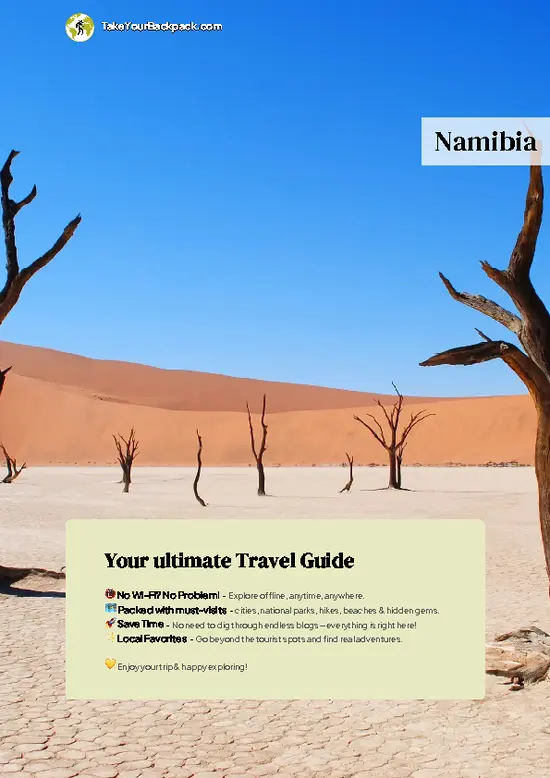
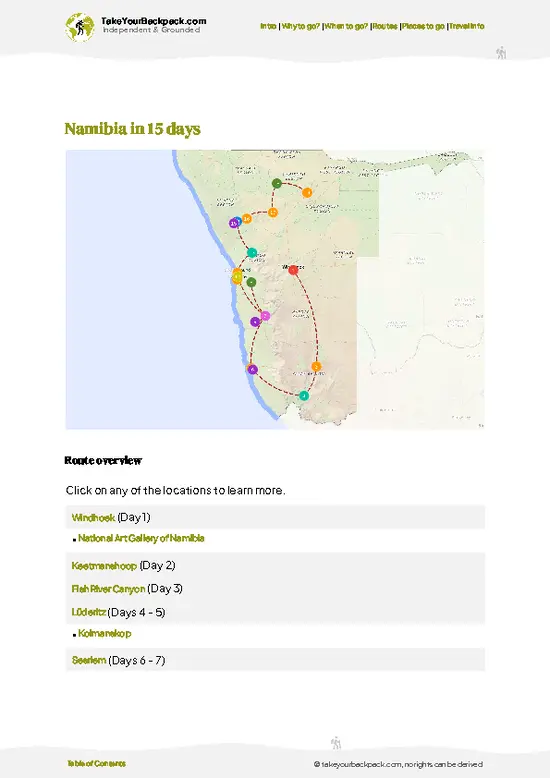
example page 0 from our offline Travel Guide for Namibia
example page 1 from our offline Travel Guide for Namibia
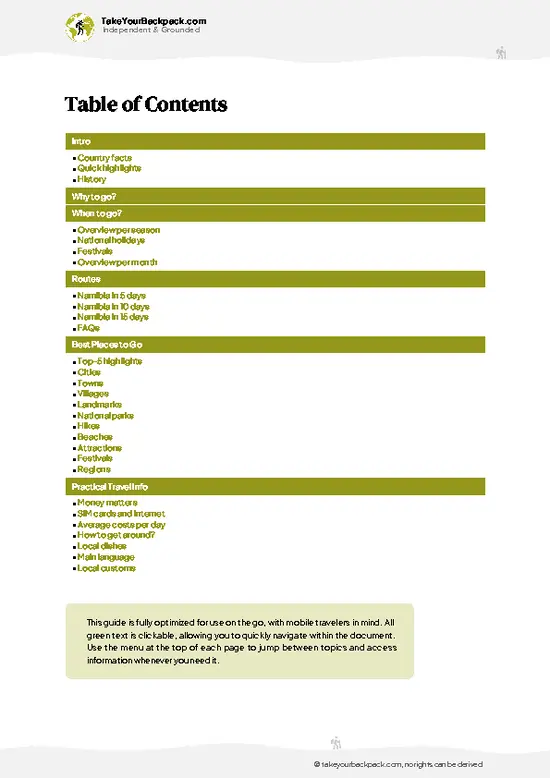
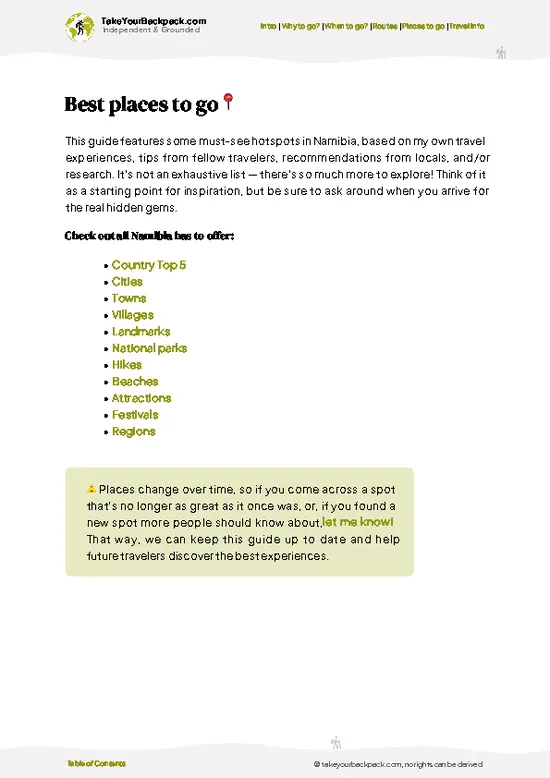
example page 2 from our offline Travel Guide for Namibia
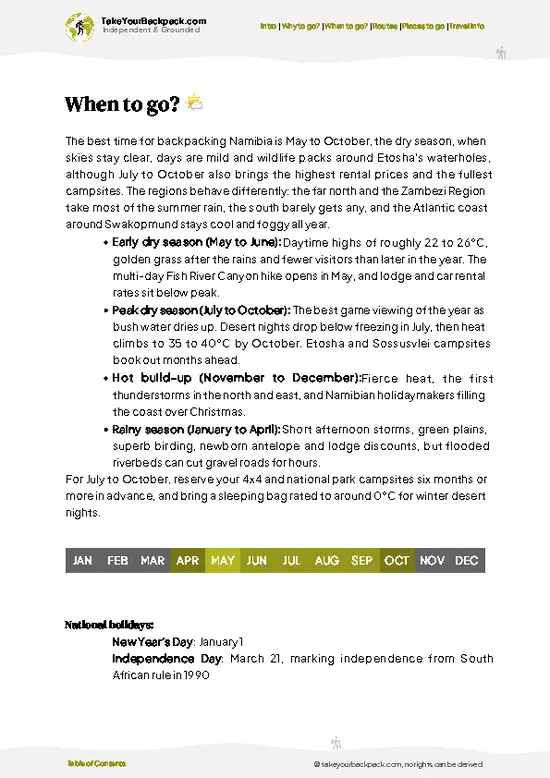
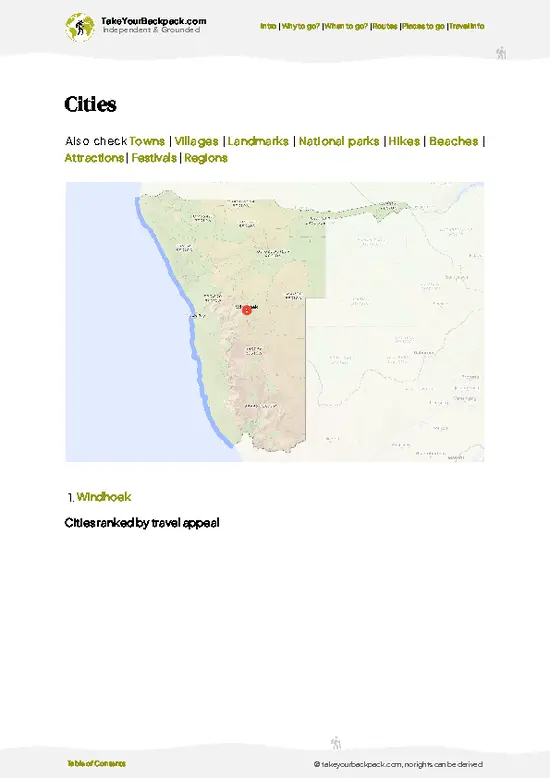
example page 3 from our offline Travel Guide for Namibia
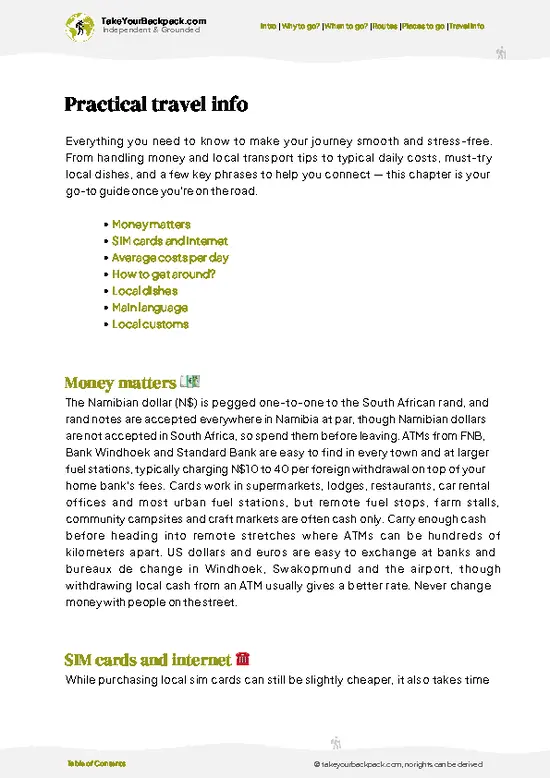
example page 4 from our offline Travel Guide for Namibia
example page 5 from our offline Travel Guide for Namibia
example page 6 from our offline Travel Guide for Namibia
example page 7 from our offline Travel Guide for Namibia
The digital guide (318 pages) contains:
79 highlights, ranked by travel appeal
Optimized 5, 10 & 15-day travel routes
Cities, national parks, landmarks, beaches
How to get around
Offline-friendly for travel without Wi-Fi
👉 Click to see all 30+ guide features

📅 Plan smarter in minutes, not weeks
Month by month travel advice
Festivals & national holidays
Budget expectations

🗺️ Go to the right places, skip the overrated ones
Honest pros & cons of destinations
Top hikes, parks & viewpoints
Lesser-known places most travelers miss
Clear “worth it vs skip it” guidance

🛏️ Travel smoothly without rookie mistakes
Best areas to stay
Transport systems explained simply
Common scams & safety advice
SIM cards, money & practical tips

🌍 Understand the country, not just visit it
Culture & traditions
52 Essential phrases & customs
Festivals worth planning around
Traveler-friendly historical context
Insights that make places more meaningful

📱 Built for real travel conditions
Fully downloadable PDF
Works completely offline
Optimized for phone use
Useful in remote areas & buses
Everything in one place
Save weeks of stressful planning
Get instant access to your full guide. 30‑day money-back guarantee.


By proceeding you agree to our terms.
Sent to your inbox immediately after payment • 100% Secure Checkout
Best Backpacking Travel Advisor 2025 tourism awardBest Backpacking
Travel Advisor
2025
What others say about Take Your Backpack Guides:
⭐⭐⭐⭐⭐
Fantastic, amazing amount of information!
⭐⭐⭐⭐⭐
My goodness this is amazing, it's what I've been looking for hats off too you!
⭐⭐⭐⭐⭐
I think this is absolutely BRILLIANT
⭐⭐⭐⭐
Very complete and informative. It's still missing places, but I gotta to commend you
⭐⭐⭐⭐⭐
This is truly amazing, thank you, can't wait to explore it with my kids!
⭐⭐⭐⭐⭐
Awesome resource, thank you!
⭐⭐⭐⭐⭐
This is amazing! Can't wait to explore the ones I haven't seen
⭐⭐⭐⭐
I love this! Well done, great idea.
⭐⭐⭐⭐⭐
Thanks for taking the time to make this gem!
⭐⭐⭐⭐⭐
This might be the best website I've ever seen.
⭐⭐⭐⭐⭐
Congratulations, and thank you so much for your work; it's incredibly valuable.
⭐⭐⭐⭐
In all seriousness I think you did a great job pointing out the important spots
⭐⭐⭐⭐⭐
10/10 very good
⭐⭐⭐⭐⭐
As someone who's only just starting to visit regularly this is awesome, thank you.
⭐⭐⭐⭐
Thank you very much! I'm going to visit my dad, it's going to be very useful!
⭐⭐⭐⭐⭐
This is really cool! We'll be travelling for the first time and this definitely come in handy.
⭐⭐⭐⭐⭐
You are now our minister of culture, congratulations 👨‍💼
⭐⭐⭐⭐⭐
Just wanted to tell you that this is a pearl! Going to follow your recommendations.
⭐⭐⭐⭐⭐
This is so cool. I'll definitely be using the resource for my travels soon.
⭐⭐⭐⭐⭐
This is very impressive! Good work.
⭐⭐⭐⭐⭐
This is an amazing and informative site. Very well done!

🛏️ Where to stay?Best areas and accommodation options

If you’re backpacking near the National Museum of Namibia in Windhoek, forget the glossy travel brochures that make the city look like a quiet, polished gem. The reality? It’s a bustling, sometimes chaotic place with a mix of modern and rough edges. The museum itself is a solid cultural anchor, but the real question is where to crash without getting ripped off or stuck in a tourist bubble.

The best spots for budget travelers and solo backpackers are neighborhoods just a short walk or quick taxi ride from the museum, where safety and social vibes intersect. Windhoek’s central business district … read more 👉
If you’re backpacking near the National Museum of Namibia in Windhoek, forget the glossy travel brochures that make the city look like a quiet, polished gem. The reality? It’s a bustling, sometimes chaotic place with a mix of modern and rough edges. The museum itself is a solid cultural anchor, but the real question is where to crash without getting ripped off or stuck in a tourist bubble.

The best spots for budget travelers and solo backpackers are neighborhoods just a short walk or quick taxi ride from the museum, where safety and social vibes intersect. Windhoek’s central business district (CBD) is a practical choice. It’s busy, yes, but that means you’re close to everything—cafes, markets, and a handful of backpacker-friendly hangouts where you can swap stories and plan your next move. The streets here are lively during the day, and while you should keep your wits about you after dark, it’s manageable with basic street smarts.

Another solid area is the suburb of Klein Windhoek. It’s quieter, cleaner, and has a more relaxed feel, which is a relief after the city’s hustle. You’ll find a few social spots where backpackers gather, and it’s easier to meet locals who aren’t just selling you something. Plus, it’s close enough to the museum to make early visits painless.

Skip the tourist-heavy zones that jack up prices and offer little in authentic interaction. Instead, aim for these neighborhoods where you get a real slice of Windhoek life—safe enough to explore solo, social enough to make connections, and close enough to the National Museum to keep your cultural curiosity satisfied without breaking the bank.

👛 Costs (as of 29 December 2024)What things cost and how to budget

As of April 2022, the National Museum of Namibia charges an entrance fee of N$80 for international visitors aged 18 and above. Additional costs may include guided tours, which are typically priced higher. Please note that exchange rates fluctuate, so it's advisable to check the latest rates before your visit.

source: namibia-forum.ch
⚠️ Prices can change and everyone travels differently, so take this as a rough guide. Hope it helps you plan your adventure!

Other Namibian attractions near National Museum of Namibia

Explore more nearby:


💡 Not sure where to go next?
Create a personalized itinerary for Namibia including National Museum of Namibia and the places that fit your trip.

Generate my itinerary

👉 Discover all attractions

Or checkout all Namibia has to offer (think cities, towns, villages, national parks, hikes, beaches, festivals)
Country photo of Namibia

We 💚 feedbackFinal thoughts on visiting National Museum of Namibia

The National Museum of Namibia isn’t going to wow you with crowds or flashy exhibits. It’s quiet, a bit rough around the edges, and that’s exactly why it’s worth your time. The real magic is in the way it captures Namibia’s layered history without sugarcoating—especially the ethnographic displays that feel raw and real. Don’t expect polished tourist traps here; expect to lean in and listen. If you’re patient, you’ll find stories that stick with you long after you leave.

✍️ Help improve this page!
The information on this page is based on in-depth research, insights shared by experienced travelers, and feedback from the local travel community in Namibia. While every effort is made to keep the information accurate and current, conditions can change — so if you spot anything incorrect or outdated, please get in touch.


🙋‍♂️ Give feedback

👋 Meet the founderWho’s Behind Take Your Backpack?

Johan, backpacker and founder of TakeYourBackpackHi, I’m Johan (Netherlands 🇳🇱), the creator of TakeYourBackpack. Over the past decade, I’ve backpacked through 80+ countries across six continents, gaining extensive experience with independent travel, long-term trips, and overland routes.

This site is built on a combination of firsthand travel experience and carefully curated insights from other backpackers. Many guides are based on places I’ve personally visited, while others bring together tips, observations, and practical advice shared by trusted travelers I’ve met along the way.

The goal is to provide realistic, experience-driven guidance — not generic itineraries — so you can explore destinations with better context, clearer expectations, and more confidence.

Get full Namibia guide •
Instant download • 79 highlights • Full Offline guide