×

Namibia🇳🇦 | attractionsSwakopmund Museumcoastal ecology, local history, mineral specimens | things to do and best time to go

Explore Warehouse TheatreExplore Swakopmund Jetty & Old Mole Seafront

Backpacking in Swakopmund Museum
🏆 Top pickattraction ranked #1
By Johan Kruseman 🇳🇱 | Updated June 1, 2026

Everyone’s heard that you go to Swakopmund Museum to gawk at colonial relics and a taxidermy oryx or two—Instagram will have you believe it’s a must-see for the dioramas alone. Here’s the truth: the real reason to step inside isn’t the dusty displays, but the way this place stitches together Namibia’s messy, fascinating backstory with the kind of honesty you won’t find on a city walking tour. Sitting right on the Atlantic coast in Namibia’s adventure capital, the museum is easy to reach—just a stroll from the beach and the town’s German-era facades. For backpackers, it’s a mixed bag (and yes, I’m breaking my own rule because it fits): the wow-factor is subtle, more about context than spectacle. You’ll dodge a few tour groups, but it’s rarely packed. Entry is cheap by Namibian standards. Don’t expect adrenaline, but do expect to leave with a sharper sense of how colonialism, indigenous cultures, and the desert all collide here—something you won’t get sandboarding or snapping selfies at Dune 7.

Discover everything you want to know in the 📖 Namibia Travel Guide.


Get your Namibia guide
79 ranked highlights, routes & tips, works offline (319 pages)
Loading the map 🌍
CLICK TO FILTER
cities
towns
villages
landmarks
national parks
hikes
beaches
attractions
festivals
regions
SHOW COUNTRY’S BESTSHOW ALL

✨ Why go?
Ranked #1 attraction in Namibia
What makes this attraction worth visiting

The Swakopmund Museum isn’t your typical flashy tourist stop plastered all over Instagram. Sure, it’s not a wild desert safari or a dune bashing thrill ride, but it’s a cornerstone for anyone serious about understanding Namibia beyond the postcard. This place is a deep dive into the country’s layered history—from the indigenous cultures and German colonial era to the natural history that shapes the Namib Desert itself. Backpackers make time here because it’s a rare spot where you can connect the dots between Namibia’s past and present without the crowds that swarm the coast or national parks.

Yes, it’s modest and sometimes overlooked, but that’s the point. The museum offers a grounded, authentic experience that feels like a milestone on the route through Namibia. It’s where you pause, absorb, … read more 👉
The Swakopmund Museum isn’t your typical flashy tourist stop plastered all over Instagram. Sure, it’s not a wild desert safari or a dune bashing thrill ride, but it’s a cornerstone for anyone serious about understanding Namibia beyond the postcard. This place is a deep dive into the country’s layered history—from the indigenous cultures and German colonial era to the natural history that shapes the Namib Desert itself. Backpackers make time here because it’s a rare spot where you can connect the dots between Namibia’s past and present without the crowds that swarm the coast or national parks.

Yes, it’s modest and sometimes overlooked, but that’s the point. The museum offers a grounded, authentic experience that feels like a milestone on the route through Namibia. It’s where you pause, absorb, and get context for everything else you’ll see. The effort-to-reward ratio is high: a few hours here enriches your entire trip. You’ll walk away with a sharper understanding of the land and its people, which turns the rest of your journey from a scenic checklist into a meaningful adventure. If you want Namibia’s soul, skip the hype and start here.
Want to include Swakopmund Museum in your Namibia route?
Create a personalized Namibia itinerary that includes Swakopmund Museum and the places that fit your trip — based on your travel style, budget, and available time. Get your route in seconds.

Generate my trip

💡 HighlightsEssential experiences to have while visiting Swakopmund Museum

The Colonial-Era Artifacts Room
Let’s cut through the nostalgia: Swakopmund’s German colonial history isn’t just a backdrop for Instagram snaps of pastel buildings. The museum’s collection of colonial-era artifacts—think: uniforms, household goods, and everyday tools—lays bare the realities of early 20th-century life in this outpost. You’ll see the grit and improvisation it took to survive here, far from the sanitized version you get on a city walking tour. It’s a crash course in how cultures collided, clashed, and occasionally collaborated. If you want to understand why Swakopmund feels like Bavaria with a sandstorm problem, this is your Rosetta Stone.


The Indigenous Cultures Exhibit
This isn’t a token display of beadwork behind glass. The museum’s section on Namibia’s indigenous peoples—especially … read more 👉
The Colonial-Era Artifacts Room
Let’s cut through the nostalgia: Swakopmund’s German colonial history isn’t just a backdrop for Instagram snaps of pastel buildings. The museum’s collection of colonial-era artifacts—think: uniforms, household goods, and everyday tools—lays bare the realities of early 20th-century life in this outpost. You’ll see the grit and improvisation it took to survive here, far from the sanitized version you get on a city walking tour. It’s a crash course in how cultures collided, clashed, and occasionally collaborated. If you want to understand why Swakopmund feels like Bavaria with a sandstorm problem, this is your Rosetta Stone.


The Indigenous Cultures Exhibit
This isn’t a token display of beadwork behind glass. The museum’s section on Namibia’s indigenous peoples—especially the San and Herero—gives you a tactile sense of how people thrived in a landscape that chews up the unprepared. You’ll find hand-crafted tools, traditional dress, and even a reconstructed San shelter. The real magic? The museum doesn’t shy away from the hard stuff: cultural erasure, resilience, and adaptation. It’s a rare, honest look at Namibia’s original innovators, not just a footnote to colonial history.


The Desert Ecology Hall
Forget the travel-brochure talk about “unique flora and fauna.” Here, you get up close with the actual bones, skulls, and preserved critters that have adapted to the Namib’s brutal logic. There’s a full-size oryx skeleton, a taxidermied jackal, and a display of Welwitschia plants that look like something out of a sci-fi movie. This isn’t just for science nerds; it’s a reminder that Namibia’s real drama happens at ground level, where survival is a daily negotiation. You’ll leave with a new respect for anything that manages to live here—including yourself.


The Shipwreck Relics
Swakopmund’s beaches are littered with stories of disaster, and the museum’s collection of shipwreck relics is a highlight for anyone who likes their history with a side of salt and rust. You’ll see battered navigational instruments, fragments of hulls, and personal effects from crews who gambled with the Skeleton Coast—and lost. It’s a gritty, unvarnished look at why this coastline is legendary among sailors for all the wrong reasons. No filter, no sugarcoating—just the raw evidence of human ambition versus nature’s indifference.


The Pharmacy and Medical Curiosities
This one’s for the morbidly curious. The museum’s old-school pharmacy setup, complete with mysterious glass bottles and vintage medical gear, is a time capsule of colonial medicine. It’s both fascinating and a little horrifying to see what passed for healthcare in the desert a century ago. Think: leeches, herbal concoctions, and surgical tools that look more like torture devices. It’s a reminder that adventure used to mean risking your life for quinine and hope. You’ll never look at your travel first-aid kit the same way again.
Spotted a mistake or missing something? Contact us.

Things to do around Swakopmund Museum

Ratings based on Tripadvisor reviews. When you book through this link, you support our work at no extra cost to you.

🌤️ When to go?Seasonal considerations and timing


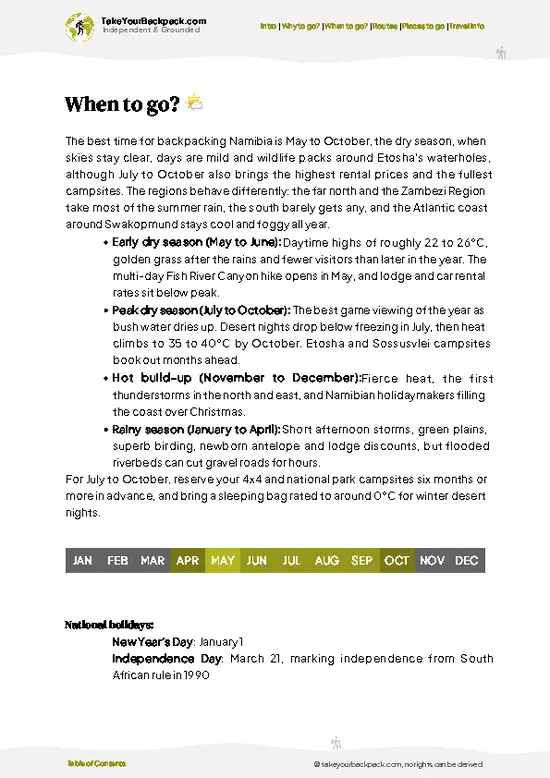
  • Weather: Swakopmund’s coastal desert climate means mild temperatures year-round, but expect fog and cool breezes from June to August. Summers (December to February) hit highs around 23°C (73°F), while winters dip to a chillier 12°C (54°F) during the day.

  • Temperature: Daytime temps hover between 12°C (54°F) in winter and 23°C (73°F) in summer. Nights can get cold, especially in winter, so pack layers. The museum’s indoor setting means temperature swings outside won’t ruin your visit.

  • Daylight Hours: From November to February, you get long days with up to 14 hours of light—perfect for combining the museum with other outdoor activities. Winter months shorten daylight to about 10 hours, so plan accordingly.

  • Crowds: Peak tourist season is December through February, when the town fills with holidaymakers.
read more 👉

  • Weather: Swakopmund’s coastal desert climate means mild temperatures year-round, but expect fog and cool breezes from June to August. Summers (December to February) hit highs around 23°C (73°F), while winters dip to a chillier 12°C (54°F) during the day.

  • Temperature: Daytime temps hover between 12°C (54°F) in winter and 23°C (73°F) in summer. Nights can get cold, especially in winter, so pack layers. The museum’s indoor setting means temperature swings outside won’t ruin your visit.

  • Daylight Hours: From November to February, you get long days with up to 14 hours of light—perfect for combining the museum with other outdoor activities. Winter months shorten daylight to about 10 hours, so plan accordingly.

  • Crowds: Peak tourist season is December through February, when the town fills with holidaymakers. The museum gets noticeably busier, which can dilute the experience. For a quieter visit, aim for shoulder months like March or September.

  • Seasonal Activities: Summer brings beach and water sports, which can make Swakopmund feel more like a resort town. Winter’s cooler temps are better for exploring the museum without the distraction of crowds or heat.

  • Price Fluctuations: Accommodation and flights spike during the summer holidays and Namibian school breaks (December-January). Visiting in the off-season (May to August) can save you a chunk of cash, though the weather is cooler and foggier.


Pro-tip: Visit in late spring (September-November) for the best balance of mild weather, fewer crowds, and reasonable prices—ideal for soaking in the museum’s rich history without the tourist circus.


source: climatestotravel.comJANJanuary: good for travelingFEBFebruary: good for travelingMARMarch: highly recommended for travelingAPRApril: highly recommended for travelingMAYMay: good for travelingJUNJune: fair for travelingJULJuly: fair for travelingAUGAugust: fair for travelingSEPSeptember: excellent for travelingOCTOctober: excellent for travelingNOVNovember: excellent for travelingDECDecember: good for traveling
when-to-go

✈️ The backpacker research shortcutNamibia Travel Guide

An offline-friendly backpacking guide with optimized travel routes, ranked highlights, transport advice, and the best areas to stay.
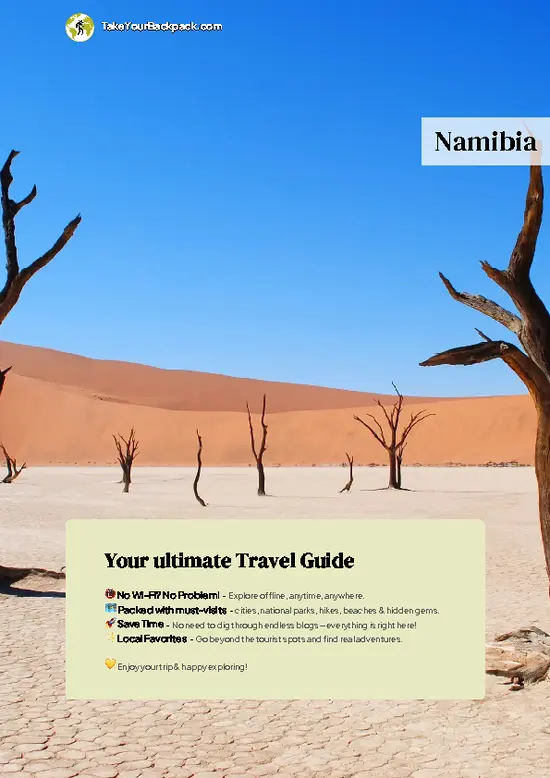
example page 0 from our offline Travel Guide for Namibia
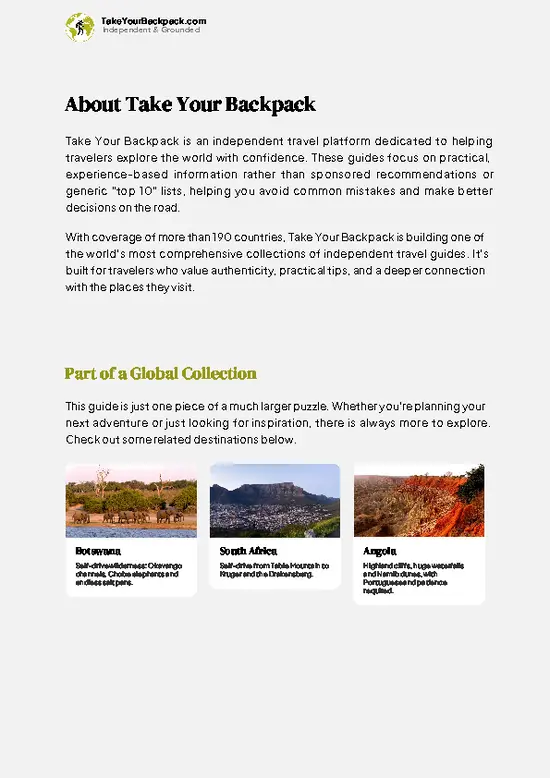
example page 1 from our offline Travel Guide for Namibia
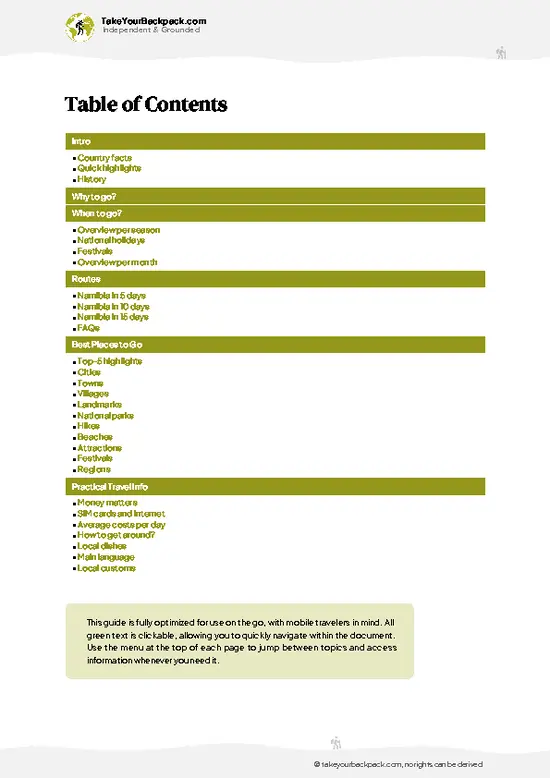
example page 2 from our offline Travel Guide for Namibia
example page 3 from our offline Travel Guide for Namibia
example page 4 from our offline Travel Guide for Namibia
example page 5 from our offline Travel Guide for Namibia
example page 6 from our offline Travel Guide for Namibia
example page 7 from our offline Travel Guide for Namibia
The digital guide (319 pages) contains:
79 highlights, ranked by travel appeal
Optimized 5, 10 & 15-day travel routes
Cities, national parks, landmarks, beaches
How to get around
Offline-friendly for travel without Wi-Fi
👉 Click to see all 30+ guide features

📅 Plan smarter in minutes, not weeks
Month by month travel advice
Festivals & national holidays
Budget expectations

🗺️ Go to the right places, skip the overrated ones
Honest pros & cons of destinations
Top hikes, parks & viewpoints
Lesser-known places most travelers miss
Clear “worth it vs skip it” guidance

🛏️ Travel smoothly without rookie mistakes
Best areas to stay
Transport systems explained simply
Common scams & safety advice
SIM cards, money & practical tips

🌍 Understand the country, not just visit it
Culture & traditions
52 Essential phrases & customs
Festivals worth planning around
Traveler-friendly historical context
Insights that make places more meaningful

📱 Built for real travel conditions
Fully downloadable PDF
Works completely offline
Optimized for phone use
Useful in remote areas & buses
Everything in one place
Save weeks of stressful planning
Get instant access to your full guide. 30‑day money-back guarantee.


By proceeding you agree to our terms.
Sent to your inbox immediately after payment • 100% Secure Checkout
Best Backpacking Travel Advisor 2025 tourism awardBest Backpacking
Travel Advisor
2025
What others say about Take Your Backpack Guides:
⭐⭐⭐⭐⭐
Fantastic, amazing amount of information!
⭐⭐⭐⭐⭐
My goodness this is amazing, it's what I've been looking for hats off too you!
⭐⭐⭐⭐⭐
I think this is absolutely BRILLIANT
⭐⭐⭐⭐
Very complete and informative. It's still missing places, but I gotta to commend you
⭐⭐⭐⭐⭐
This is truly amazing, thank you, can't wait to explore it with my kids!
⭐⭐⭐⭐⭐
Awesome resource, thank you!
⭐⭐⭐⭐⭐
This is amazing! Can't wait to explore the ones I haven't seen
⭐⭐⭐⭐
I love this! Well done, great idea.
⭐⭐⭐⭐⭐
Thanks for taking the time to make this gem!
⭐⭐⭐⭐⭐
This might be the best website I've ever seen.
⭐⭐⭐⭐⭐
Congratulations, and thank you so much for your work; it's incredibly valuable.
⭐⭐⭐⭐
In all seriousness I think you did a great job pointing out the important spots
⭐⭐⭐⭐⭐
10/10 very good
⭐⭐⭐⭐⭐
As someone who's only just starting to visit regularly this is awesome, thank you.
⭐⭐⭐⭐
Thank you very much! I'm going to visit my dad, it's going to be very useful!
⭐⭐⭐⭐⭐
This is really cool! We'll be travelling for the first time and this definitely come in handy.
⭐⭐⭐⭐⭐
You are now our minister of culture, congratulations 👨‍💼
⭐⭐⭐⭐⭐
Just wanted to tell you that this is a pearl! Going to follow your recommendations.
⭐⭐⭐⭐⭐
This is so cool. I'll definitely be using the resource for my travels soon.
⭐⭐⭐⭐⭐
This is very impressive! Good work.
⭐⭐⭐⭐⭐
This is an amazing and informative site. Very well done!

🛏️ Where to stay?Best areas and accommodation options

Swakopmund Museum sits right in the heart of Swakopmund, a town that’s part beach resort, part desert outpost, and all about that laid-back Namibian vibe. If you’re backpacking here, forget the glossy beachfront resorts—they’re pricey and often feel like they’re catering to a different crowd. Instead, aim for the neighborhoods just a few blocks inland from the museum. This is where you’ll find the pulse of the town: safe streets, a mix of guesthouses and budget lodges, and a surprisingly social scene for solo travelers.

These areas aren’t just about proximity; they’re about atmosphere. You’ll … read more 👉
Swakopmund Museum sits right in the heart of Swakopmund, a town that’s part beach resort, part desert outpost, and all about that laid-back Namibian vibe. If you’re backpacking here, forget the glossy beachfront resorts—they’re pricey and often feel like they’re catering to a different crowd. Instead, aim for the neighborhoods just a few blocks inland from the museum. This is where you’ll find the pulse of the town: safe streets, a mix of guesthouses and budget lodges, and a surprisingly social scene for solo travelers.

These areas aren’t just about proximity; they’re about atmosphere. You’ll be close enough to walk to the museum, the quirky local cafes, and the beach without the hassle of taxis or expensive rides. Plus, the vibe here is relaxed but lively—think impromptu meetups over a cold drink, shared stories from fellow backpackers, and easy access to local markets where you can snag fresh snacks or souvenirs without the tourist markup.

Safety isn’t just about locked doors; it’s about the neighborhood feel. These pockets have a reputation among travelers for being secure without feeling sterile. You get the best of both worlds: the comfort of community and the freedom to explore Swakopmund’s unique blend of German colonial architecture and Namibian culture without breaking the bank or your spirit.

👛 Costs (as of 7 January 2025)How expensive it really is

As of the 2025/26 period, the Swakopmund Museum in Namibia charges an entrance fee of N$ 45 for adults, N$ 30 for students, and N$ 15 for children. Guided tours are available for an additional N$ 40 per person, with a minimum group size of five people. School groups benefit from a subsidized rate of N$ 5 per student, with one teacher per ten paying students receiving free entrance. Teacher preparation tours are offered at N$ 10 per teacher, with a minimum charge of N$ 50. The museum operates daily from 10:00 to 17:00.
⚠️ Prices can change and everyone travels differently, so take this as a rough guide. Hope it helps you plan your adventure!

Other Namibian attractions near Swakopmund Museum

Explore more nearby:


💡 Not sure where to go next?
Create a personalized itinerary for Namibia including Swakopmund Museum and the places that fit your trip.

Generate my itinerary

👉 Discover all attractions

Or checkout all Namibia has to offer (think cities, towns, villages, national parks, hikes, beaches, festivals)
Country photo of Namibia

We 💚 feedbackIs it worth it?

Swakopmund Museum isn’t your flashy Instagram spot—expect a modest crowd and a modest price tag, but don’t let that fool you. The real magic is in the layers: the quirky mix of colonial history, local culture, and natural science that you won’t find plastered all over travel blogs. The highlight? The unexpected depth in the ethnographic exhibits that quietly tell Namibia’s story beyond the usual tourist gloss. Just a heads-up: it’s small, so don’t come expecting a sprawling complex. Come curious, and you’ll leave with a richer sense of place.

✍️ Help improve this page!
The information on this page is based on in-depth research, insights shared by experienced travelers, and feedback from the local travel community in Namibia. While every effort is made to keep the information accurate and current, conditions can change — so if you spot anything incorrect or outdated, please get in touch.


🙋‍♂️ Give feedback

👋 Meet the founderWho’s Behind Take Your Backpack?

Johan, backpacker and founder of TakeYourBackpackHi, I’m Johan (Netherlands 🇳🇱), the creator of TakeYourBackpack. Over the past decade, I’ve backpacked through 80+ countries across six continents, gaining extensive experience with independent travel, long-term trips, and overland routes.

This site is built on a combination of firsthand travel experience and carefully curated insights from other backpackers. Many guides are based on places I’ve personally visited, while others bring together tips, observations, and practical advice shared by trusted travelers I’ve met along the way.

The goal is to provide realistic, experience-driven guidance — not generic itineraries — so you can explore destinations with better context, clearer expectations, and more confidence.

Get full Namibia guide •
Instant download • 79 highlights • Full Offline guide