
×

Nauru🇳🇷 | landmarksNauru’s Lighthousehilltop beacon, panoramic ocean views, rusted structure | things to do and best time to go

Explore Command RidgeExplore Nauru’s Natural Swimming Pool

Backpacking in Nauru’s Lighthouse
👌 Worth visitingunique site ranked #3
By Johan Kruseman 🇳🇱 | Updated September 4, 2026

Everyone shows you moody drone shots of Nauru’s Lighthouse like it’s some epic, craggy-cliff epic. It’s not. It’s a squat, weather-beaten tower on the island’s raised interior plateau, near Command Ridge in the central highlands, surrounded by scrub and old phosphate scars rather than crashing surf. As a backpacker destination, it’s low on instant wow-factor and high on “I can’t believe I’m actually here” energy. There are no crowds, no ticket booth, no latte after—just you, the wind, and a 360° view over one of the least-visited countries on earth. Access is rough but doable on foot or with a lift; heat and lack of shade are the real enemies, not other tourists. Culturally, it’s more navigation point than sacred monument, but the lighthouse and rusting war relics nearby tell Nauru’s story quietly. Photos look stark, lonely, and very real—if that’s your thing.

Discover everything you want to know in the 📖 Nauru Travel Guide.


Get your Nauru guide
17 ranked highlights, routes & tips, works offline (87 pages)
Loading the map 🌍
CLICK TO FILTER
villages
landmarks
national parks
hikes
beaches
attractions
festivals
SHOW COUNTRY’S BESTSHOW ALL

✨ Why go?
Ranked #3 unique site in Nauru
What sets this place apart

Nauru’s Lighthouse isn’t just a pretty picture for your Instagram feed; it’s a real experience that tells the story of this tiny island nation. Sure, you’ll encounter crowds—but they’re not overwhelming. The lighthouse stands tall, a beacon of history and resilience, and it’s surprisingly accessible. You can stroll right up to it, snap a few photos, and soak in the panoramic views of the Pacific.

What makes this place worth your time? It’s the uniqueness of Nauru itself. This isn’t a typical tourist trap; it’s a chance to connect with a culture that’s often overlooked. The lighthouse fits seamlessly into a broader route around the island, making it easy to combine with visits to nearby beaches and local eateries.

And let’s talk cost—it’s free. You can explore without breaking the bank. … read more 👉
Nauru’s Lighthouse isn’t just a pretty picture for your Instagram feed; it’s a real experience that tells the story of this tiny island nation. Sure, you’ll encounter crowds—but they’re not overwhelming. The lighthouse stands tall, a beacon of history and resilience, and it’s surprisingly accessible. You can stroll right up to it, snap a few photos, and soak in the panoramic views of the Pacific.

What makes this place worth your time? It’s the uniqueness of Nauru itself. This isn’t a typical tourist trap; it’s a chance to connect with a culture that’s often overlooked. The lighthouse fits seamlessly into a broader route around the island, making it easy to combine with visits to nearby beaches and local eateries.

And let’s talk cost—it’s free. You can explore without breaking the bank. The lighthouse isn’t just a landmark; it’s a reminder of the island’s past and a symbol of its future. So, take the time to visit. It’s not just about the view; it’s about the story behind it.
Want to include Nauru’s Lighthouse in your Nauru route?
Create a personalized Nauru itinerary that includes Nauru’s Lighthouse and the places that fit your trip — based on your travel style, budget, and available time. Get your route in seconds.

Generate my trip

💡 HighlightsEssential experiences to have while visiting Nauru’s Lighthouse

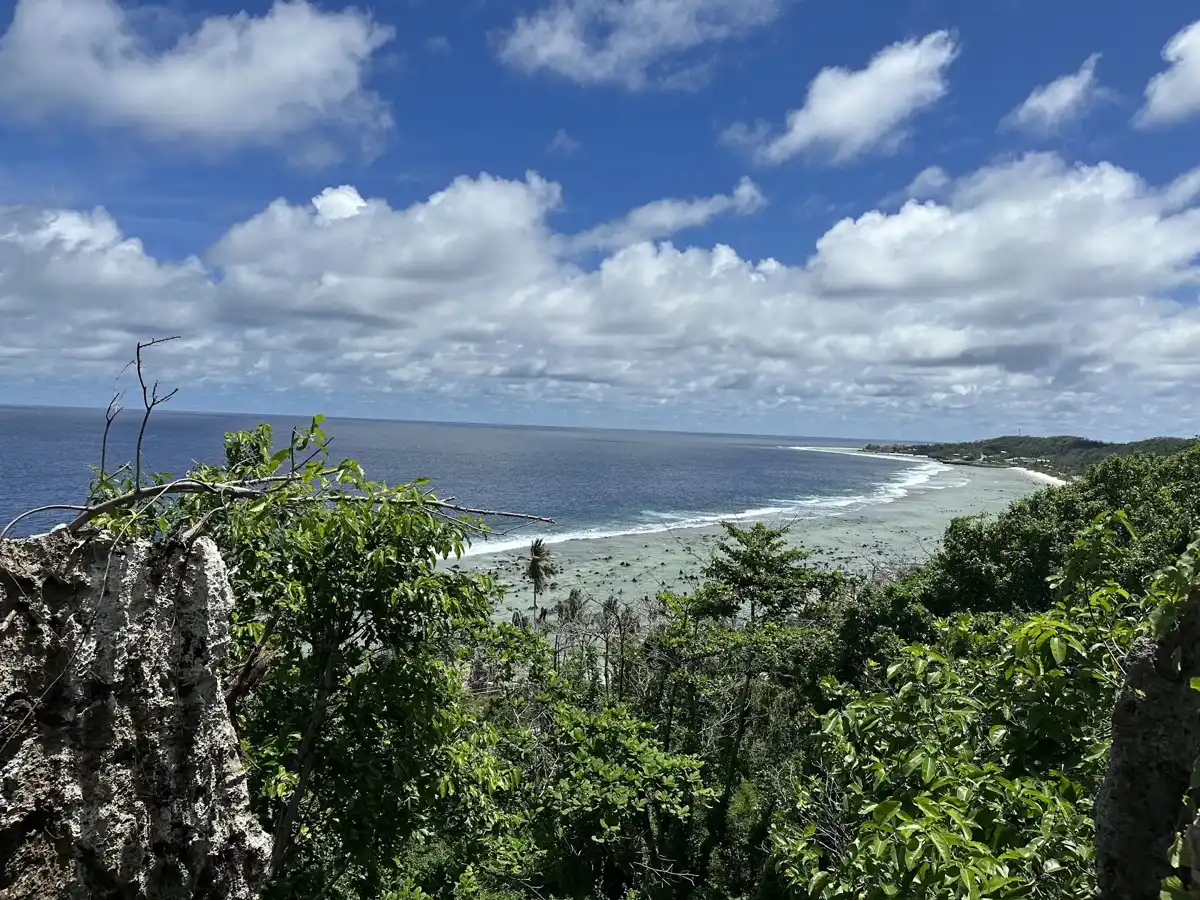
  • Panoramic coastal vista — the lighthouse perches on a rugged stretch of shore, so you get uninterrupted views of turquoise reef, open ocean and the low-lying island all at once. It’s one of the few spots where Nauru’s tiny scale feels impressively dramatic.
  • Sunsets and silhouette photography — with almost no light pollution, the lamp and its metal framework make a striking silhouette against fiery skies. If you like moody photos or slow evenings, this is the place to linger.
  • Contrast with the phosphate plateau — from the lighthouse you can see the island’s story in one frame: green coastlines meeting the jagged, pale scars of phosphate mining inland. It’s a quiet, visual history lesson about Nauru’s economy and landscape.
  • Local fishing activity and small-boat life — the area around the
read more 👉
  • Panoramic coastal vista — the lighthouse perches on a rugged stretch of shore, so you get uninterrupted views of turquoise reef, open ocean and the low-lying island all at once. It’s one of the few spots where Nauru’s tiny scale feels impressively dramatic.
  • Sunsets and silhouette photography — with almost no light pollution, the lamp and its metal framework make a striking silhouette against fiery skies. If you like moody photos or slow evenings, this is the place to linger.
  • Contrast with the phosphate plateau — from the lighthouse you can see the island’s story in one frame: green coastlines meeting the jagged, pale scars of phosphate mining inland. It’s a quiet, visual history lesson about Nauru’s economy and landscape.
  • Local fishing activity and small-boat life — the area around the light is where villagers launch and land boats; watching nets, repairs and small-scale fishing gives a real, everyday view of life on Nauru (and you can usually ask friendly locals about what’s biting).
  • Traces of wartime history — the lighthouse sits in a place that carries WWII memories: scattered relics, oral stories and simple memorials nearby. You won’t find a polished museum, but the physical and human traces are vivid and unvarnished.
  • Birdlife and shoreline plants — seabirds roost on the rocky outcrops and the coastal scrub hosts adapted plants you won’t see inland. It’s a good quiet stop for casual birdwatching or noticing how life clings to the shoreline.
  • Simple, utilitarian architecture — the tower itself is unpretentious and functional rather than ornate, which tells you something about Nauru’s practical approach to maritime safety. The lack of tourist infrastructure also means you get the place more or less as locals do.
Spotted a mistake or missing something? Contact us.
🌤️ When to go?When to go for the best experience


  • Weather: Nauru’s tropical climate means it’s hot and humid year-round, but the dry season from May to October offers more comfortable conditions with less oppressive humidity and fewer rain showers. The wet season (November to April) can turn your visit into a soggy slog.

  • Temperature: Expect highs around 30-32°C (86-90°F) in the dry season, which feels manageable with ocean breezes. The wet season pushes temps up to 33-34°C (91-93°F) with sticky humidity that can drain your energy fast.

  • Daylight Hours: Nauru sits near the equator, so daylight is steady year-round—about 12 hours daily. That means no drastic shifts in hiking or exploring windows, but also no extended golden hours for photography.

  • Crowds: Don’t expect crowds—Nauru’s remote location keeps visitor numbers low year-round.
read more 👉

  • Weather: Nauru’s tropical climate means it’s hot and humid year-round, but the dry season from May to October offers more comfortable conditions with less oppressive humidity and fewer rain showers. The wet season (November to April) can turn your visit into a soggy slog.

  • Temperature: Expect highs around 30-32°C (86-90°F) in the dry season, which feels manageable with ocean breezes. The wet season pushes temps up to 33-34°C (91-93°F) with sticky humidity that can drain your energy fast.

  • Daylight Hours: Nauru sits near the equator, so daylight is steady year-round—about 12 hours daily. That means no drastic shifts in hiking or exploring windows, but also no extended golden hours for photography.

  • Crowds: Don’t expect crowds—Nauru’s remote location keeps visitor numbers low year-round. The lighthouse itself is a quiet spot, so you’ll have space to soak in the views without elbowing through selfie sticks.

  • Seasonal Activities: Dry season is best for snorkeling and diving around the island’s reefs, which pairs well with a lighthouse visit. Wet season can limit water activities due to rough seas and reduced visibility.

  • Price Fluctuations: Prices remain fairly stable since tourism is minimal and infrastructure limited. Flights and accommodation won’t spike dramatically, but booking ahead during dry season is wise to secure options.


Pro-tip: Aim for June to September to dodge the humidity and rain, enjoy calm seas, and experience Nauru’s lighthouse with clear skies and minimal fuss.


source: climatestotravel.comJANJanuary: fair for travelingFEBFebruary: fair for travelingMARMarch: fair for travelingAPRApril: fair for travelingMAYMay: highly recommended for travelingJUNJune: excellent for travelingJULJuly: excellent for travelingAUGAugust: excellent for travelingSEPSeptember: excellent for travelingOCTOctober: highly recommended for travelingNOVNovember: fair for travelingDECDecember: fair for traveling
nauru-unique-site-naurus-lighthouse
© Google | Yan Fei Zhao

✈️ The backpacker research shortcutNauru Travel Guide

An offline-friendly backpacking guide with optimized travel routes, ranked highlights, transport advice, and the best areas to stay.
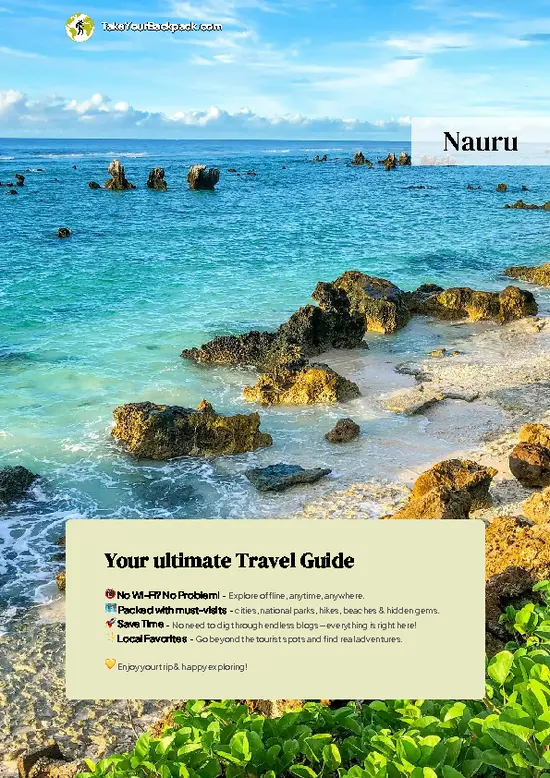
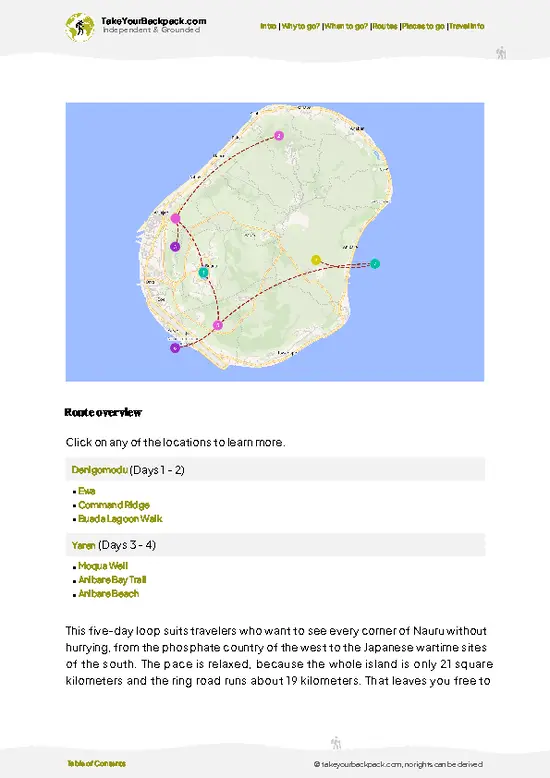
example page 0 from our offline Travel Guide for Nauru
example page 1 from our offline Travel Guide for Nauru
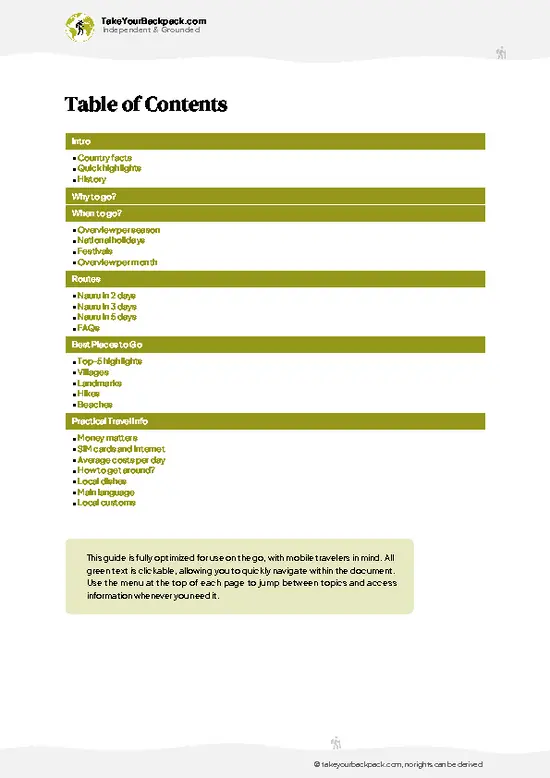
example page 2 from our offline Travel Guide for Nauru
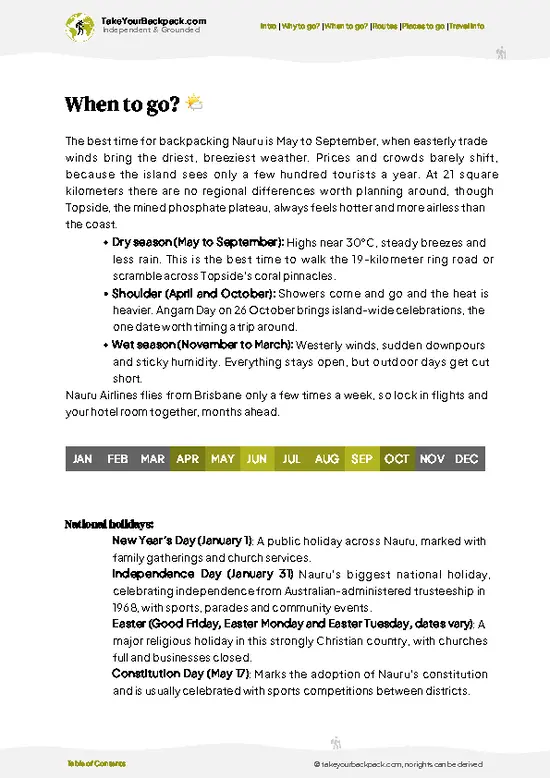
example page 3 from our offline Travel Guide for Nauru
example page 4 from our offline Travel Guide for Nauru
example page 5 from our offline Travel Guide for Nauru
example page 6 from our offline Travel Guide for Nauru
example page 7 from our offline Travel Guide for Nauru
The digital guide (87 pages) contains:
17 highlights, ranked by travel appeal
Optimized 2, 3 & 5-day travel routes
Cities, national parks, landmarks, beaches
How to get around
Offline-friendly for travel without Wi-Fi
👉 Click to see all 30+ guide features

📅 Plan smarter in minutes, not weeks
Month by month travel advice
Festivals & national holidays
Budget expectations

🗺️ Go to the right places, skip the overrated ones
Honest pros & cons of destinations
Top hikes, parks & viewpoints
Lesser-known places most travelers miss
Clear “worth it vs skip it” guidance

🛏️ Travel smoothly without rookie mistakes
Best areas to stay
Transport systems explained simply
Common scams & safety advice
SIM cards, money & practical tips

🌍 Understand the country, not just visit it
Culture & traditions
52 Essential phrases & customs
Festivals worth planning around
Traveler-friendly historical context
Insights that make places more meaningful

📱 Built for real travel conditions
Fully downloadable PDF
Works completely offline
Optimized for phone use
Useful in remote areas & buses
Everything in one place
Save weeks of stressful planning
Get instant access to your full guide. 30‑day money-back guarantee.
+ Add another guide for just US$7.80

By proceeding you agree to our terms.
Sent to your inbox immediately after payment • 100% Secure Checkout
Best Backpacking Travel Advisor 2025 tourism awardBest Backpacking
Travel Advisor
2025
What others say about Take Your Backpack Guides:
⭐⭐⭐⭐⭐
Fantastic, amazing amount of information!
⭐⭐⭐⭐⭐
My goodness this is amazing, it's what I've been looking for hats off too you!
⭐⭐⭐⭐⭐
I think this is absolutely BRILLIANT
⭐⭐⭐⭐
Very complete and informative. It's still missing places, but I gotta to commend you
⭐⭐⭐⭐⭐
This is truly amazing, thank you, can't wait to explore it with my kids!
⭐⭐⭐⭐⭐
Awesome resource, thank you!
⭐⭐⭐⭐⭐
This is amazing! Can't wait to explore the ones I haven't seen
⭐⭐⭐⭐
I love this! Well done, great idea.
⭐⭐⭐⭐⭐
Thanks for taking the time to make this gem!
⭐⭐⭐⭐⭐
This might be the best website I've ever seen.
⭐⭐⭐⭐⭐
Congratulations, and thank you so much for your work; it's incredibly valuable.
⭐⭐⭐⭐
In all seriousness I think you did a great job pointing out the important spots
⭐⭐⭐⭐⭐
10/10 very good
⭐⭐⭐⭐⭐
As someone who's only just starting to visit regularly this is awesome, thank you.
⭐⭐⭐⭐
Thank you very much! I'm going to visit my dad, it's going to be very useful!
⭐⭐⭐⭐⭐
This is really cool! We'll be travelling for the first time and this definitely come in handy.
⭐⭐⭐⭐⭐
You are now our minister of culture, congratulations 👨‍💼
⭐⭐⭐⭐⭐
Just wanted to tell you that this is a pearl! Going to follow your recommendations.
⭐⭐⭐⭐⭐
This is so cool. I'll definitely be using the resource for my travels soon.
⭐⭐⭐⭐⭐
This is very impressive! Good work.
⭐⭐⭐⭐⭐
This is an amazing and informative site. Very well done!

🛏️ Where to stay?Where staying makes the most sense

Staying near Nauru’s Lighthouse can be a mixed bag. The crowds? They can be overwhelming, especially during peak tourist season. But if you’re willing to dig a little deeper, you’ll find some solid spots that cater to budget travelers and solo backpackers.

Look around the area of Yaren. It’s the capital, and while it’s not bustling like a city, it has a few accommodations that are safe and welcoming. You’ll find a blend of locals and travelers here, making it a great place to connect. The vibe is relaxed, and you can easily strike up conversations with fellow backpackers or friendly locals.

read more 👉
Staying near Nauru’s Lighthouse can be a mixed bag. The crowds? They can be overwhelming, especially during peak tourist season. But if you’re willing to dig a little deeper, you’ll find some solid spots that cater to budget travelers and solo backpackers.

Look around the area of Yaren. It’s the capital, and while it’s not bustling like a city, it has a few accommodations that are safe and welcoming. You’ll find a blend of locals and travelers here, making it a great place to connect. The vibe is relaxed, and you can easily strike up conversations with fellow backpackers or friendly locals.

Another option is to check out the vicinity of Anibare Bay. This area is quieter, with a more laid-back atmosphere. You might not find the same level of social interaction as in Yaren, but the stunning views and the chance to unwind by the beach are worth it.

Both areas offer easy access to the lighthouse, so you can catch those early morning sunrises without the hassle of long commutes. Just remember, the real magic lies in the conversations you have and the stories you share, not just the sights you see.

👛 Costs (as of 4 September 2026)Money, prices, and spending tips

Visiting Nauru’s Lighthouse isn’t just about the view; it’s about navigating the costs that come with this unique experience. Here’s the real deal on what you can expect to spend:
  • Entry Fee: There’s no formal entry fee to visit the lighthouse itself. However, if you’re part of a guided tour, expect to pay around €20-€40 ($22-$44) for the experience, which often includes transportation and a local guide.
  • Transportation: Getting to the lighthouse can be tricky. Renting a bike is a popular option, costing about €5-€10 ($5.50-$11) per day. If you prefer a taxi, budget around €15-€30 ($16.50-$33) for a round trip from the main town.
  • Food and Drink: There are limited dining options nearby. A meal at a local eatery will set you back about €10-€15 ($11-$16.50). Bring snacks and water, as prices can spike
read more 👉
Visiting Nauru’s Lighthouse isn’t just about the view; it’s about navigating the costs that come with this unique experience. Here’s the real deal on what you can expect to spend:
  • Entry Fee: There’s no formal entry fee to visit the lighthouse itself. However, if you’re part of a guided tour, expect to pay around €20-€40 ($22-$44) for the experience, which often includes transportation and a local guide.
  • Transportation: Getting to the lighthouse can be tricky. Renting a bike is a popular option, costing about €5-€10 ($5.50-$11) per day. If you prefer a taxi, budget around €15-€30 ($16.50-$33) for a round trip from the main town.
  • Food and Drink: There are limited dining options nearby. A meal at a local eatery will set you back about €10-€15 ($11-$16.50). Bring snacks and water, as prices can spike at tourist spots.
  • Accommodation: If you’re staying overnight, expect to pay between €50-€100 ($55-$110) for basic hotels or guesthouses. Options are limited, so book ahead if you can.
  • Souvenirs: Local crafts and trinkets can be found, typically ranging from €5-€20 ($5.50-$22). It’s a nice way to support local artisans while taking a piece of Nauru home.

The costs can add up, but the experience of standing at the edge of the Pacific, with the lighthouse standing tall, is worth every cent.
⚠️ Prices can change and everyone travels differently, so take this as a rough guide. Hope it helps you plan your adventure!

FAQTraveler FAQ

Nauru’s Lighthouse is a historic navigational structure located on the island's eastern coast, built to aid maritime travel around the island. It stands approximately 12 meters tall and is one of the few notable landmarks on Nauru.
Visiting Nauru’s Lighthouse typically requires about 1 to 2 hours, enough time to reach the site, explore the surrounding area, and take photographs. The site is small, so a brief visit is sufficient unless combined with other nearby activities.
To get to Nauru’s Lighthouse, you need to travel by road from the island’s main settlement, Yaren, covering roughly 3 kilometers eastward. Transportation options include renting a bicycle, hiring a local taxi, or arranging a ride with a guesthouse or tour operator.
⚠️ Things can change over time, so always validate details locally before you go.

Other Nauruan landmarks near Nauru’s Lighthouse

Explore more nearby:


💡 Not sure where to go next?
Create a personalized itinerary for Nauru including Nauru’s Lighthouse and the places that fit your trip.

Generate my itinerary

👉 Discover all landmarks

Or checkout all Nauru has to offer (think cities, towns, villages, national parks, hikes, beaches, festivals)
Country photo of Nauru

We 💚 feedbackFinal thoughts on visiting Nauru’s Lighthouse

Nauru’s Lighthouse isn’t just a photo op; it’s a slice of history wrapped in a laid-back vibe. Expect some crowds, especially during peak hours, but don’t let that deter you. The real magic? The view from the top—breathtaking in a way that makes you forget the hustle. Just be ready for a steep climb; it’s not for the faint of heart. Take your time, soak in the salty air, and let the island’s charm wash over you. Trust me, it’s worth every step.

✍️ Help improve this page!
The information on this page is based on in-depth research, insights shared by experienced travelers, and feedback from the local travel community in Nauru. While every effort is made to keep the information accurate and current, conditions can change — so if you spot anything incorrect or outdated, please get in touch.


🙋‍♂️ Give feedback

👋 Meet the founderWho’s Behind Take Your Backpack?

Johan, backpacker and founder of TakeYourBackpackHi, I’m Johan (Netherlands 🇳🇱), the creator of TakeYourBackpack. Over the past decade, I’ve backpacked through 80+ countries across six continents, gaining extensive experience with independent travel, long-term trips, and overland routes.

This site is built on a combination of firsthand travel experience and carefully curated insights from other backpackers. Many guides are based on places I’ve personally visited, while others bring together tips, observations, and practical advice shared by trusted travelers I’ve met along the way.

The goal is to provide realistic, experience-driven guidance — not generic itineraries — so you can explore destinations with better context, clearer expectations, and more confidence.

Get full Nauru guide •
Instant download • 17 highlights • Full Offline guide