
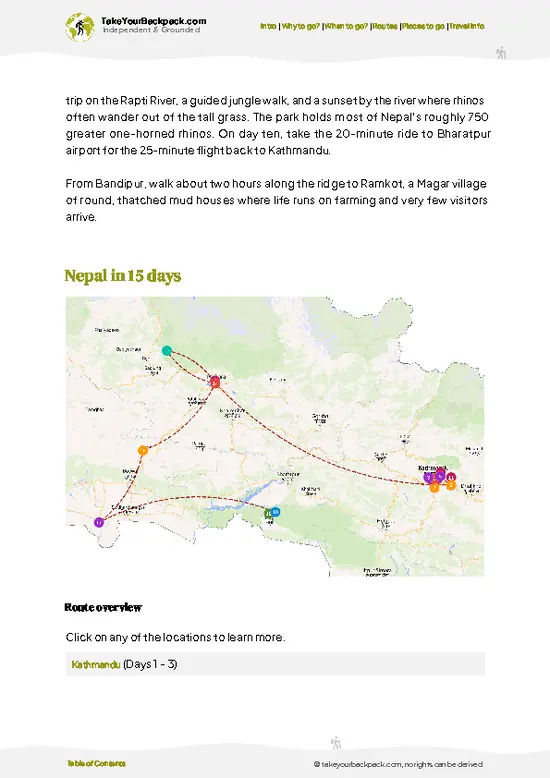
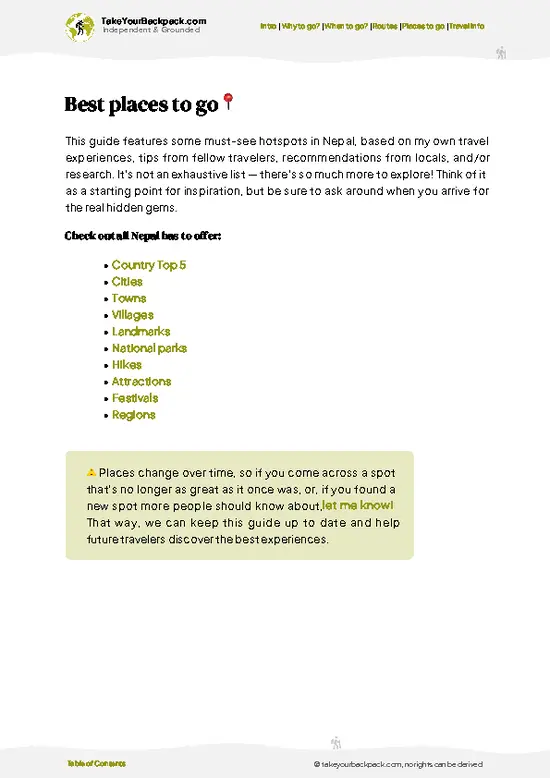
Nyatapola Temple
Forget the Instagram angles—this five-tiered pagoda is not just a photogenic backdrop. It’s the tallest temple in Nepal, and it’s survived earthquakes that have flattened lesser buildings. Climb the steep steps, dodge the selfie sticks, and actually look at the stone guardians: wrestlers, elephants, lions, griffins, goddesses. Each tier is a flex of Newari engineering and religious symbolism. The view from the top isn’t just about rooftops; it’s about feeling the pulse of a city that’s been hustling for centuries.
Taumadhi Square’s Street Life
This isn’t a museum. It’s a living, breathing plaza where locals outnumber tourists—especially if you show up early or linger at dusk. You’ll see old men playing cards, kids chasing pigeons, and women selling marigolds by the kilo. … read more 👉
Nyatapola Temple
Forget the Instagram angles—this five-tiered pagoda is not just a photogenic backdrop. It’s the tallest temple in Nepal, and it’s survived earthquakes that have flattened lesser buildings. Climb the steep steps, dodge the selfie sticks, and actually look at the stone guardians: wrestlers, elephants, lions, griffins, goddesses. Each tier is a flex of Newari engineering and religious symbolism. The view from the top isn’t just about rooftops; it’s about feeling the pulse of a city that’s been hustling for centuries.
Taumadhi Square’s Street Life
This isn’t a museum. It’s a living, breathing plaza where locals outnumber tourists—especially if you show up early or linger at dusk. You’ll see old men playing cards, kids chasing pigeons, and women selling marigolds by the kilo. The energy is raw, unscripted, and a little chaotic. This is where you realize Bhaktapur isn’t frozen in time; it’s improvising every day.
Pottery Square
Yes, you’ll see tourists spinning clay, but the real show is the pros: hands caked in mud, shaping pots with a speed and confidence that’s hypnotic. The square smells like earth and woodsmoke. If you’re lucky, you’ll catch a firing—kilns blazing, pots stacked like ancient treasure. Buy a cup or bowl, but don’t expect perfection; the beauty is in the fingerprints.
55-Window Palace
The name sounds like a gimmick, but the craftsmanship is the real deal. The woodwork on those windows is obsessive—every panel carved with a different motif. The palace itself is a reminder that Bhaktapur was once a royal powerhouse, not just a tourist pit stop. The courtyard is quieter than you’d expect, and if you listen, you’ll hear the echo of old court intrigues.
King Bhupatindra Malla Statue (Personal Favorite)
Most people snap a photo and move on. Don’t. This statue is pure attitude: the king sits cross-legged atop a column, hands pressed in namaste, surveying his city with a look that says, “I built this, and I dare you to forget it.” Stand beneath him and you’ll feel the weight of ambition, pride, and a little bit of swagger. It’s the soul of Bhaktapur in bronze.
Local Newari Sweets and King Curd (“Juju Dhau”)
Skip the overpriced rooftop cafés. Find a street vendor selling Juju Dhau—the so-called “king of curd.” It’s thick, creamy, and just sweet enough. Eat it standing up, spooning it from a clay pot, and you’ll understand why locals treat it like a birthright. This is the taste of Bhaktapur—simple, honest, and impossible to replicate anywhere else.
Spotted a mistake or missing something? Contact us.

The Most Beautiful 1 Day Experience in Kathmandu Nepal

Kathmandu 2-Day Private Tour: 5 UNESCO Sites & Nagarkot Sunrise

UNESCO World Heritage Sightseeing Tour in Kathmandu - 5 Days

Gokyo Valley Trek

Kathmandu UNESCO World Heritage Tour

UNESCO World Heritage Sightseeing Tour in Kathmandu: 1 Day Tour

Kathmandu Private Tour of UNESCO World Heritage Sites

Experiential Tour of Nepal.

Highlights of Nepal Tour 10 Days


 Best Backpacking
 Hi, I’m Johan (Netherlands 🇳🇱), the creator of TakeYourBackpack. Over the past 3 decades, I’ve backpacked through 90+ countries across six continents, gaining extensive experience with independent travel, long-term trips, and overland routes.