×

Nepal🇳🇵 | attractionsPashupatinath Temple Complexcremation ghats, sacred river, Hindu rituals | things to do and best time to go

Explore RaraExplore Swayambhunath

Backpacking in Pashupatinath Temple Complex
🏆 Top pickattraction ranked #2
By Johan Kruseman 🇳🇱 | Updated September 4, 2026

Forget the Instagram fantasy of serene, incense-filled solitude at Pashupatinath Temple Complex—unless your idea of zen includes jostling elbows with hundreds of pilgrims, selfie-stick-wielding tourists, and the occasional monkey eyeing your snacks. Pashupatinath sits on the banks of the Bagmati River, just east of Kathmandu’s city center, and it’s the spiritual juggernaut of Nepal—a place where life, death, and devotion collide in the open air. For backpackers, the wow-factor is real: ancient shrines, sadhus painted in ash, and the raw, unfiltered spectacle of public cremations. It’s not cheap by Nepali standards (the foreigner entry fee stings), and the crowds can be overwhelming, especially during festivals. But if you want to feel the pulse of living Hinduism, this is the mainline. It’s chaotic, gritty, and emotionally heavy—nothing like the polished calm of Boudhanath or the mountain silence of the Annapurnas. This is Nepal at its most unapologetically alive.

Discover everything you want to know in the 📖 Nepal Travel Guide.


Get your Nepal guide
97 ranked highlights, routes & tips, works offline (362 pages)
Loading the map 🌍
CLICK TO FILTER
cities
towns
villages
landmarks
national parks
hikes
attractions
festivals
regions
SHOW COUNTRY’S BESTSHOW ALL

✨ Why go?
Ranked #2 attraction in Nepal
Why visitors keep coming back

The Pashupatinath Temple Complex is not your average tourist stop. Yes, it’s crowded—expect throngs of pilgrims and curious travelers jostling for a glimpse of the sacred ghats along the Bagmati River. It’s not cheap either; entrance fees and the cost of hiring guides can add up, especially if you want the full experience. But here’s the real deal: this place is the beating heart of Hindu spirituality in Nepal, a living, breathing monument to centuries of faith and ritual. The temple’s iconic pagoda architecture and the constant smoke from cremation pyres create an atmosphere that’s raw and unfiltered—no Instagram filter can capture that.

For backpackers, it’s a milestone, a cultural checkpoint that demands respect and reflection. The effort to navigate the crowds and decode the rituals … read more 👉
The Pashupatinath Temple Complex is not your average tourist stop. Yes, it’s crowded—expect throngs of pilgrims and curious travelers jostling for a glimpse of the sacred ghats along the Bagmati River. It’s not cheap either; entrance fees and the cost of hiring guides can add up, especially if you want the full experience. But here’s the real deal: this place is the beating heart of Hindu spirituality in Nepal, a living, breathing monument to centuries of faith and ritual. The temple’s iconic pagoda architecture and the constant smoke from cremation pyres create an atmosphere that’s raw and unfiltered—no Instagram filter can capture that.

For backpackers, it’s a milestone, a cultural checkpoint that demands respect and reflection. The effort to navigate the crowds and decode the rituals pays off with an intense immersion into Nepalese life and death philosophies. It’s not just a photo op; it’s a front-row seat to humanity’s oldest questions, played out in real time. Skip it, and you miss a core chapter of Nepal’s story. Make time, and you get a profound, gritty encounter that stays with you long after the smoke clears.
Want to include Pashupatinath Temple Complex in your Nepal route?
Create a personalized Nepal itinerary that includes Pashupatinath Temple Complex and the places that fit your trip — based on your travel style, budget, and available time. Get your route in seconds.

Generate my trip

💡 HighlightsEssential experiences to have while visiting Pashupatinath Temple Complex

The Cremation Ghats on the Bagmati River
Let’s rip off the Instagram filter: this is not a sanitized, postcard version of spirituality. The cremation ghats at Pashupatinath are raw, public, and deeply human. You’ll see families gathered around funeral pyres, priests chanting, smoke rising, and the Bagmati River carrying away the ashes. It’s not for the squeamish, but it’s the most honest encounter with the Nepali cycle of life and death you’ll ever get. This is not a show for tourists—locals come here to mourn, to honor, to let go. If you want to understand Kathmandu’s soul, stand here for a while. (This is my personal favorite—nothing else in Nepal hits you with this much reality and reverence at once.)


The Main Pashupatinath Temple (Entry for Hindus Only)
You can’t just stroll inside unless … read more 👉
The Cremation Ghats on the Bagmati River
Let’s rip off the Instagram filter: this is not a sanitized, postcard version of spirituality. The cremation ghats at Pashupatinath are raw, public, and deeply human. You’ll see families gathered around funeral pyres, priests chanting, smoke rising, and the Bagmati River carrying away the ashes. It’s not for the squeamish, but it’s the most honest encounter with the Nepali cycle of life and death you’ll ever get. This is not a show for tourists—locals come here to mourn, to honor, to let go. If you want to understand Kathmandu’s soul, stand here for a while. (This is my personal favorite—nothing else in Nepal hits you with this much reality and reverence at once.)


The Main Pashupatinath Temple (Entry for Hindus Only)
You can’t just stroll inside unless you’re Hindu, but even from the outside, the main temple radiates gravitas. The golden roof, the four silver-plated doors, the constant flow of pilgrims—this is the spiritual engine room of Nepal. The energy is palpable, especially during festivals when the crowds surge and the air turns electric with devotion. Don’t expect quiet contemplation; expect a living, breathing, jostling mass of faith.


The Sadhus (Holy Men)
You’ve seen them on a thousand travel blogs—ash-smeared, dreadlocked, orange-robed. But here, the sadhus aren’t just Instagram props. Some are genuine ascetics, living on the temple grounds, meditating, and offering blessings. Others are performers who know how to work a camera for a few rupees. Either way, they’re part of the spectacle. Watch, interact (politely), and remember: this is their home turf, not a photo booth.


Evening Aarti Ceremony
When dusk falls, the Bagmati riverside transforms. Priests swing oil lamps, conch shells blare, and the crowd joins in hypnotic chants. The air thickens with incense and anticipation. This isn’t a quiet, meditative ritual—it’s a full-sensory, communal event. If you want to feel the pulse of living Hinduism, this is where it beats loudest.


The Forest of Shiva Shrines
Step away from the main temple and you’ll find a hillside scattered with hundreds of small, stone lingams and shrines. It’s quieter here, almost eerie, with monkeys darting between statues and moss reclaiming the stone. This is where you can breathe, reflect, and let the chaos of the main complex fade into the background. It’s a reminder that Pashupatinath isn’t just a single temple—it’s a sprawling, layered world.


Guhyeshwari Temple
A short walk from the main complex, this temple is dedicated to the goddess Parvati and is one of the Shakti Peethas—sacred sites in Hindu mythology. It’s less crowded, more mysterious, and has a different energy: feminine, powerful, a little secretive. If you’re chasing the deeper currents of Nepali spirituality, don’t skip it.
Spotted a mistake or missing something? Contact us.

Things to do around Pashupatinath Temple Complex

Ratings based on Tripadvisor reviews. When you book through this link, you support our work at no extra cost to you.

🌤️ When to go?Seasonal considerations and timing


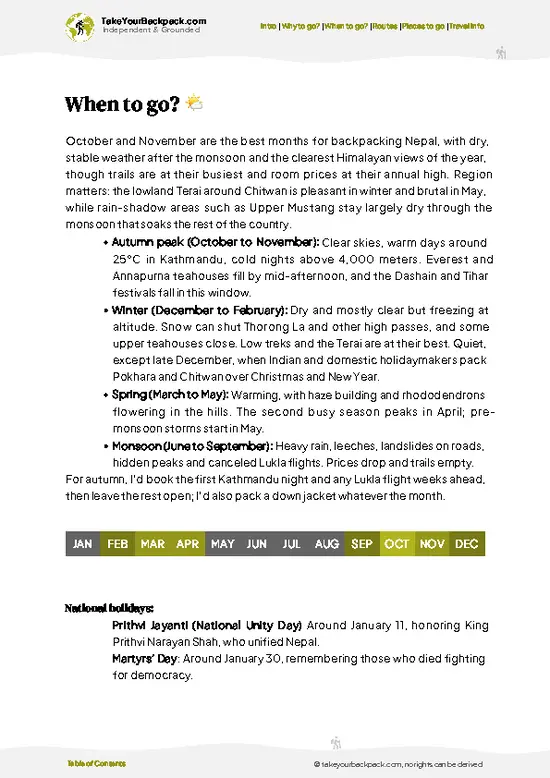
  • Weather: The best weather hits from October to early December and again from late February to April. You get clear skies and dry air, perfect for wandering the temple grounds without sweating buckets or dodging monsoon downpours.

  • Temperature: In peak season, expect daytime highs around 20-25°C (68-77°F), which is comfortable for exploring. Winters (December-January) dip to 5-10°C (41-50°F) at night, so pack layers. Summers (May-June) can scorch at 30-35°C (86-95°F), making midday visits brutal.

  • Daylight Hours: Around 10-12 hours of daylight from October to March, giving you plenty of time to soak in the rituals and architecture without rushing. Summer days stretch longer but come with the heat and humidity trade-off.

  • Crowds: The temple swells during major festivals like Maha Shivaratri
read more 👉

  • Weather: The best weather hits from October to early December and again from late February to April. You get clear skies and dry air, perfect for wandering the temple grounds without sweating buckets or dodging monsoon downpours.

  • Temperature: In peak season, expect daytime highs around 20-25°C (68-77°F), which is comfortable for exploring. Winters (December-January) dip to 5-10°C (41-50°F) at night, so pack layers. Summers (May-June) can scorch at 30-35°C (86-95°F), making midday visits brutal.

  • Daylight Hours: Around 10-12 hours of daylight from October to March, giving you plenty of time to soak in the rituals and architecture without rushing. Summer days stretch longer but come with the heat and humidity trade-off.

  • Crowds: The temple swells during major festivals like Maha Shivaratri (February/March), which is a spectacle but also a crush of pilgrims. If you want quiet reflection, avoid these dates and weekends.

  • Seasonal Activities: Maha Shivaratri is the highlight, with all-night ceremonies and thousands of devotees. Otherwise, the temple’s daily a ritual theater, but the vibe is more intimate outside festival season.

  • Price Fluctuations: Entry fees and local prices stay steady year-round, but accommodation and transport costs spike during festival times and peak tourist months (October-November). Booking ahead saves headaches and cash.


Pro-tip: Aim for late October or early November—weather is solid, crowds manageable, and you catch the temple’s rhythm without the festival frenzy or monsoon mess.


source: climatestotravel.comJANJanuary: good for travelingFEBFebruary: highly recommended for travelingMARMarch: highly recommended for travelingAPRApril: excellent for travelingMAYMay: fair for travelingJUNJune: fair for travelingJULJuly: below average for travelingAUGAugust: below average for travelingSEPSeptember: fair for travelingOCTOctober: excellent for travelingNOVNovember: highly recommended for travelingDECDecember: good for traveling
when-to-go

✈️ The backpacker research shortcutNepal Travel Guide

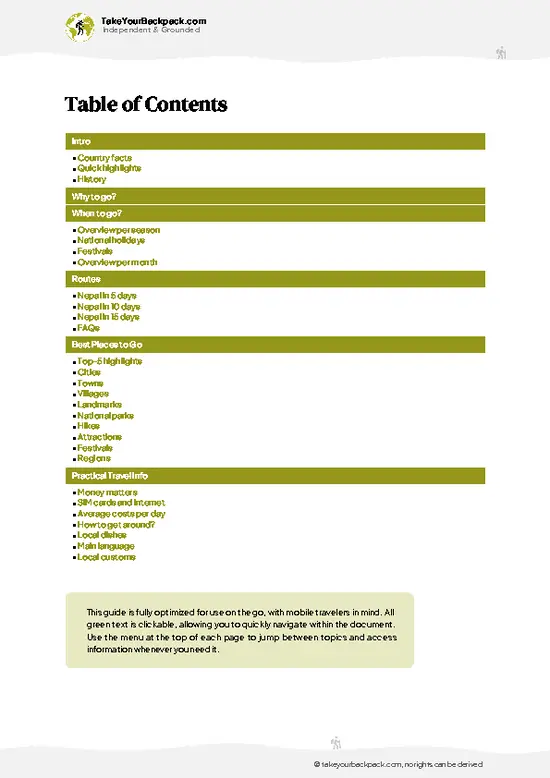
An offline-friendly backpacking guide with optimized travel routes, ranked highlights, transport advice, and the best areas to stay.
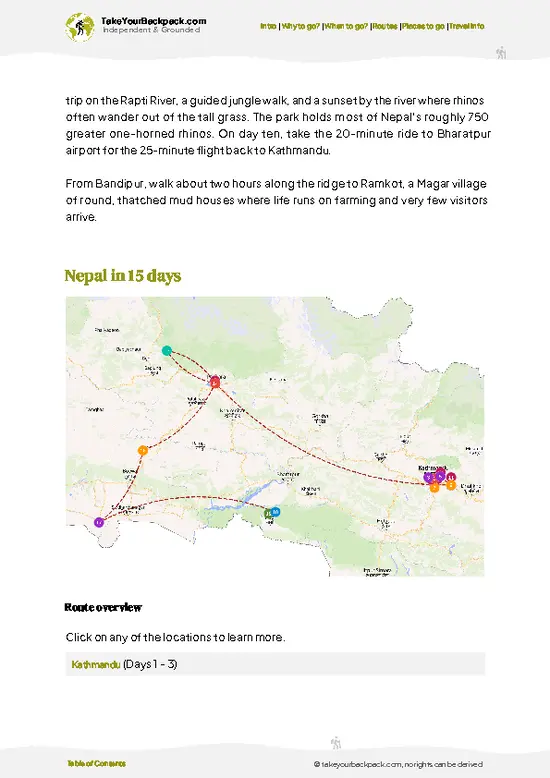
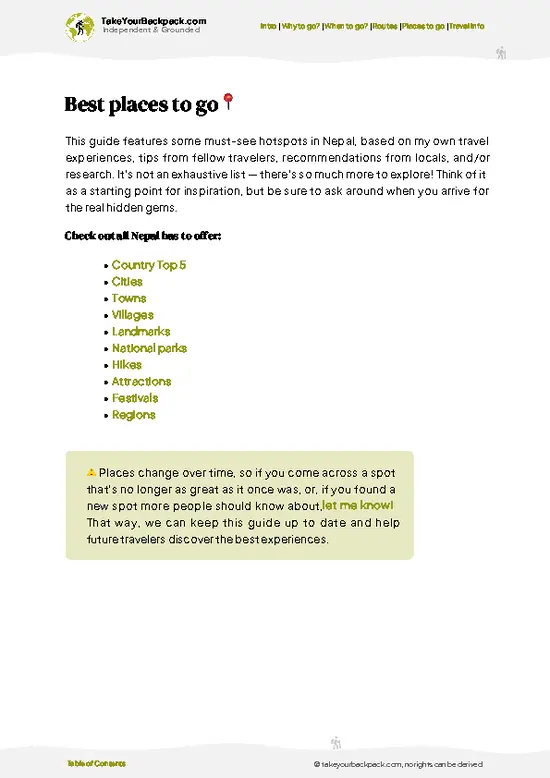
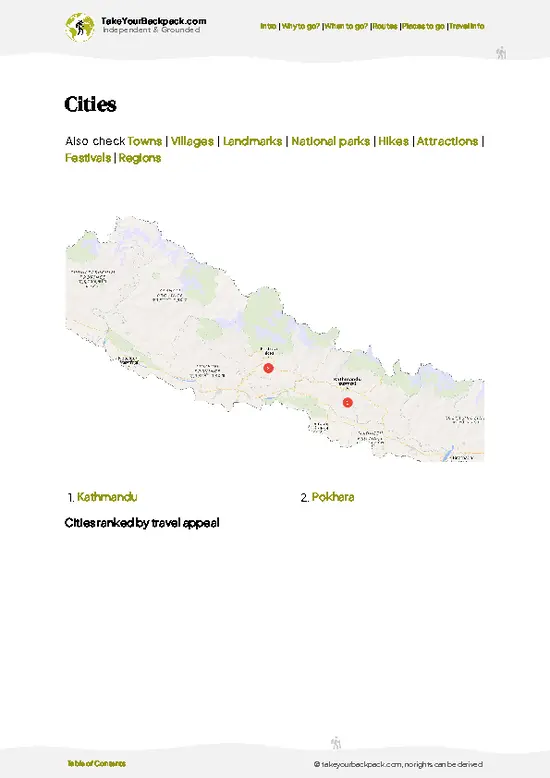
example page 0 from our offline Travel Guide for Nepal
example page 1 from our offline Travel Guide for Nepal
example page 2 from our offline Travel Guide for Nepal
example page 3 from our offline Travel Guide for Nepal
example page 4 from our offline Travel Guide for Nepal
example page 5 from our offline Travel Guide for Nepal
example page 6 from our offline Travel Guide for Nepal
example page 7 from our offline Travel Guide for Nepal
The digital guide (362 pages) contains:
97 highlights, ranked by travel appeal
Optimized 5, 10 & 15-day travel routes
Cities, national parks, landmarks, beaches
How to get around
Offline-friendly for travel without Wi-Fi
👉 Click to see all 30+ guide features

📅 Plan smarter in minutes, not weeks
Month by month travel advice
Festivals & national holidays
Budget expectations

🗺️ Go to the right places, skip the overrated ones
Honest pros & cons of destinations
Top hikes, parks & viewpoints
Lesser-known places most travelers miss
Clear “worth it vs skip it” guidance

🛏️ Travel smoothly without rookie mistakes
Best areas to stay
Transport systems explained simply
Common scams & safety advice
SIM cards, money & practical tips

🌍 Understand the country, not just visit it
Culture & traditions
52 Essential phrases & customs
Festivals worth planning around
Traveler-friendly historical context
Insights that make places more meaningful

📱 Built for real travel conditions
Fully downloadable PDF
Works completely offline
Optimized for phone use
Useful in remote areas & buses
Everything in one place
Save weeks of stressful planning
Get instant access to your full guide. 30‑day money-back guarantee.
+ Add another guide for just US$7.80

By proceeding you agree to our terms.
Sent to your inbox immediately after payment • 100% Secure Checkout
Best Backpacking Travel Advisor 2025 tourism awardBest Backpacking
Travel Advisor
2025
What others say about Take Your Backpack Guides:
⭐⭐⭐⭐⭐
Fantastic, amazing amount of information!
⭐⭐⭐⭐⭐
My goodness this is amazing, it's what I've been looking for hats off too you!
⭐⭐⭐⭐⭐
I think this is absolutely BRILLIANT
⭐⭐⭐⭐
Very complete and informative. It's still missing places, but I gotta to commend you
⭐⭐⭐⭐⭐
This is truly amazing, thank you, can't wait to explore it with my kids!
⭐⭐⭐⭐⭐
Awesome resource, thank you!
⭐⭐⭐⭐⭐
This is amazing! Can't wait to explore the ones I haven't seen
⭐⭐⭐⭐
I love this! Well done, great idea.
⭐⭐⭐⭐⭐
Thanks for taking the time to make this gem!
⭐⭐⭐⭐⭐
This might be the best website I've ever seen.
⭐⭐⭐⭐⭐
Congratulations, and thank you so much for your work; it's incredibly valuable.
⭐⭐⭐⭐
In all seriousness I think you did a great job pointing out the important spots
⭐⭐⭐⭐⭐
10/10 very good
⭐⭐⭐⭐⭐
As someone who's only just starting to visit regularly this is awesome, thank you.
⭐⭐⭐⭐
Thank you very much! I'm going to visit my dad, it's going to be very useful!
⭐⭐⭐⭐⭐
This is really cool! We'll be travelling for the first time and this definitely come in handy.
⭐⭐⭐⭐⭐
You are now our minister of culture, congratulations 👨‍💼
⭐⭐⭐⭐⭐
Just wanted to tell you that this is a pearl! Going to follow your recommendations.
⭐⭐⭐⭐⭐
This is so cool. I'll definitely be using the resource for my travels soon.
⭐⭐⭐⭐⭐
This is very impressive! Good work.
⭐⭐⭐⭐⭐
This is an amazing and informative site. Very well done!

🛏️ Where to stay?Best areas to stay in Nepal

If you’re heading to the Pashupatinath Temple Complex, brace yourself: this place is a magnet for both devout pilgrims and curious tourists, which means crowds and a certain hustle that’s not for everyone. Forget the postcard-perfect, serene temple shots you see on Instagram—expect a bustling, chaotic atmosphere with vendors, locals, and worshippers all weaving through narrow lanes. It’s noisy, intense, and sometimes overwhelming. But that’s exactly why you want to stay close by.

The neighborhoods just east of the temple, around Gaushala and the banks of the Bagmati River, are where you’ll find … read more 👉
If you’re heading to the Pashupatinath Temple Complex, brace yourself: this place is a magnet for both devout pilgrims and curious tourists, which means crowds and a certain hustle that’s not for everyone. Forget the postcard-perfect, serene temple shots you see on Instagram—expect a bustling, chaotic atmosphere with vendors, locals, and worshippers all weaving through narrow lanes. It’s noisy, intense, and sometimes overwhelming. But that’s exactly why you want to stay close by.

The neighborhoods just east of the temple, around Gaushala and the banks of the Bagmati River, are where you’ll find the real pulse. These areas are safe, surprisingly social, and packed with budget travelers and solo backpackers who want to soak in the authentic vibe without the tourist bubble. You’ll be steps away from witnessing cremation rituals, street food stalls selling momos and chai, and local markets where the city’s raw energy hits you like a punch. It’s not polished, but it’s genuine.

Staying here means you’re not just a visitor—you’re part of the daily rhythm. You’ll meet fellow travelers swapping stories over cheap tea, and locals who don’t mind sharing a smile or a nod. It’s gritty, it’s real, and it’s exactly why Pashupatinath stays unforgettable beyond the temple gates.

👛 Costs (as of 4 September 2026)Money, prices, and spending tips

As of 2026, the entrance fee for foreign visitors to the Pashupatinath Temple Complex is NPR 1,000 per day, approximately €7 to €8. This fee grants access to the outer complex, ghats, and surrounding shrines. Additional costs may apply for special rituals or guided tours.

source: pashupatinathtemple.org
⚠️ Prices can change and everyone travels differently, so take this as a rough guide. Hope it helps you plan your adventure!

FAQCommon questions from travelers

2 to 3 hours is sufficient to visit Pashupatinath Temple Complex, allowing time to explore the main temple, surrounding shrines, and observe rituals along the Bagmati River. Visiting during the late afternoon offers a chance to see the evening Aarti ceremony. Avoid peak festival days to prevent overcrowding.
Yes, the entrance fee of around 1,000 NPR (approximately 8-9 USD) is worth it for the cultural and spiritual experience. The complex is a UNESCO World Heritage Site and offers unique insight into Hindu rituals and Nepalese architecture. Photography is restricted inside the main temple, so plan accordingly.
Take a taxi or local bus from Kathmandu city center; the temple is about 5 km east of Thamel. Buses heading towards Boudhanath or Bhaktapur often stop near the temple. Walking is possible from nearby areas but not recommended due to traffic and distance.
⚠️ Things can change over time, so always validate details locally before you go.

Other Nepali attractions near Pashupatinath Temple Complex

Explore more nearby:


💡 Not sure where to go next?
Create a personalized itinerary for Nepal including Pashupatinath Temple Complex and the places that fit your trip.

Generate my itinerary

👉 Discover all attractions

Or checkout all Nepal has to offer (think cities, towns, villages, national parks, hikes, beaches, festivals)
Country photo of Nepal

We 💚 feedbackParting advice and final tips

Pashupatinath isn’t a quiet, reflective temple visit—it’s a full-on sensory overload with crowds, smoke, and vendors elbowing for your attention. But that chaos is exactly why it’s worth your time: you’re stepping into a living, breathing ritual that’s raw and unfiltered, not a sanitized tourist stop. If you want polished serenity, look elsewhere. But if you want to feel the pulse of Nepal’s spiritual heart, this is where it beats loudest.

✈️ When did I visit Nepal?
Being a mountain lover, Nepal is one of my favorites. I visited it in November 2006, hiking the full Annapurna circuit as my highlight.

✍️ Help improve this page!
The information on this page is based on my own backpacking experience in Nepal, supplemented with up-to-date research and feedback from other travelers. Travel details can change, so if you notice anything outdated or incomplete, feel free to let me know.


🙋‍♂️ Give feedback

👋 Meet the founderWho’s Behind Take Your Backpack?

Johan, backpacker and founder of TakeYourBackpackHi, I’m Johan (Netherlands 🇳🇱), the creator of TakeYourBackpack. Over the past decade, I’ve backpacked through 80+ countries across six continents, gaining extensive experience with independent travel, long-term trips, and overland routes.

This site is built on a combination of firsthand travel experience and carefully curated insights from other backpackers. Many guides are based on places I’ve personally visited, while others bring together tips, observations, and practical advice shared by trusted travelers I’ve met along the way.

The goal is to provide realistic, experience-driven guidance — not generic itineraries — so you can explore destinations with better context, clearer expectations, and more confidence.

Get full Nepal guide •
Instant download • 97 highlights • Full Offline guide