×

Nepal🇳🇵 | townsJomsomwind-swept valley, apple orchards, Kali Gandaki river | things to do and best time to go

Explore IlamExplore Daman

Backpacking in Jomsom
🏆 Top picktown ranked #6
By Johan Kruseman 🇳🇱 | Updated June 17, 2026

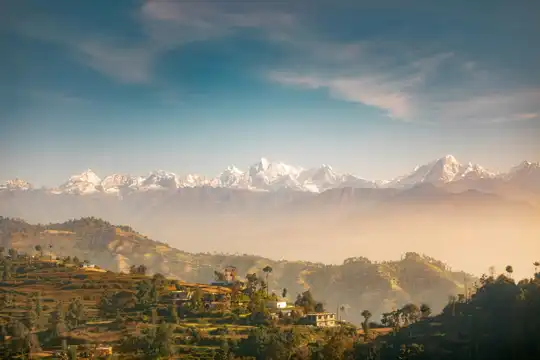
Most people picture Jomsom as some wild, high-Himalayan frontier; in reality it’s more of a dusty, wind-battered hub than a romantic mountain hideout. Jomsom sits in Mustang District of north-central Nepal, straddling the Kali Gandaki valley between Pokhara and the Tibetan-influenced villages around Muktinath and Kagbeni. For backpackers, it’s a practical stop: an airstrip, a roadhead, a place to swap leeches and jungle sweat for dry air, stone alleys, and the constant roar of afternoon wind. The upside is big-mountain drama on both sides, easy access to side walks along the river or up toward Thini and Dhumba Lake, and a strong Thakali food culture. The downside: it feels more transit town than timeless village, especially compared with moodier Kagbeni or quieter Marpha. Evenings are low-key—dal bhat in lodge dining rooms, card games, early bed—and meeting other trekkers is easy but rarely lingers beyond tomorrow’s route chat.

Discover everything you want to know in the 📖 Nepal Travel Guide.


Get your Nepal guide
107 ranked highlights, routes & tips, works offline (402 pages)
Loading the map 🌍
CLICK TO FILTER
cities
towns
villages
landmarks
national parks
hikes
attractions
festivals
regions
SHOW COUNTRY’S BESTSHOW ALL

✨ Why go?
Ranked #6 town in Nepal
The unique appeal for travelers

Jomsom is a backpacker’s haven nestled in the heart of the Annapurna region, offering a unique blend of atmosphere and natural beauty. The crisp mountain air carries the scent of pine and earth, inviting you to slow down. It’s a perfect pause between the busier towns of Pokhara and Muktinath, allowing weary trekkers to recharge.

The village is surrounded by stunning peaks and wide-open skies, making it a launching point for hikes into the Annapurna Conservation Area. You’ll find a mix of local character and cultural richness, with friendly faces and small tea houses serving up hearty meals.

Most travelers stay briefly, but those who linger often find themselves drawn into the slow rhythm of village life. It’s ideal for solo travelers seeking calm or couples wanting a romantic escape. If … read more 👉
Jomsom is a backpacker’s haven nestled in the heart of the Annapurna region, offering a unique blend of atmosphere and natural beauty. The crisp mountain air carries the scent of pine and earth, inviting you to slow down. It’s a perfect pause between the busier towns of Pokhara and Muktinath, allowing weary trekkers to recharge.

The village is surrounded by stunning peaks and wide-open skies, making it a launching point for hikes into the Annapurna Conservation Area. You’ll find a mix of local character and cultural richness, with friendly faces and small tea houses serving up hearty meals.

Most travelers stay briefly, but those who linger often find themselves drawn into the slow rhythm of village life. It’s ideal for solo travelers seeking calm or couples wanting a romantic escape. If you’re a hiker or a slow traveler, Jomsom offers a chance to breathe, reflect, and soak in the serenity before tackling the next leg of your adventure.
Want to include Jomsom in your Nepal route?
Create a personalized Nepal itinerary that includes Jomsom and the places that fit your trip — based on your travel style, budget, and available time. Get your route in seconds.

Generate my trip

💡 HighlightsMust-see experiences and standout moments

  • Jomsom Bazaar (main market street) — The town’s beating heart: traders, pack animals, Tibetan-style shops and Thakali food stalls. It’s the best place to eavesdrop on local life and pick up fossils, prayer flags, yak cheese or a warm dal bhat after a day on the trail.
  • Jomsom Airport / Airstrip viewpoint — Small, dramatic and loud when a Twin Otter comes in; the airstrip ridge is one of the easiest spots in town for up-close mountain panoramas and people-watching as trekkers and locals arrive and depart.
  • Kali Gandaki riverbank and pebble plains — Walkable from the bazaar, the riverbed gives you raw views of the gorge, great river-level perspectives of Dhaulagiri/Nilgiri, and places where traders once loaded caravans — good for quiet afternoons and fossil spotting.
  • Mani walls and chortens
read more 👉
  • Jomsom Bazaar (main market street) — The town’s beating heart: traders, pack animals, Tibetan-style shops and Thakali food stalls. It’s the best place to eavesdrop on local life and pick up fossils, prayer flags, yak cheese or a warm dal bhat after a day on the trail.
  • Jomsom Airport / Airstrip viewpoint — Small, dramatic and loud when a Twin Otter comes in; the airstrip ridge is one of the easiest spots in town for up-close mountain panoramas and people-watching as trekkers and locals arrive and depart.
  • Kali Gandaki riverbank and pebble plains — Walkable from the bazaar, the riverbed gives you raw views of the gorge, great river-level perspectives of Dhaulagiri/Nilgiri, and places where traders once loaded caravans — good for quiet afternoons and fossil spotting.
  • Mani walls and chortens at the trail junction — A compact concentration of prayer stones, stupas and spinning prayer wheels right where routes split; visiting here gives a real sense of local devotional life and the spiritual rhythm of the trekking trails.
  • Local gompa (small monastery) — The modest town monastery(s) in Jomsom are active, intimate places to observe puja, chat with young monks or drop a few rupees for butter lamps — more authentic and less touristy than larger monasteries elsewhere.
  • Trekking junction / mule-staging area — Where Annapurna Circuit trekkers, Mustang-bound travelers and traditional muleteers cross paths; watching loading, bargaining and early-morning departures is like a living logistics museum.
  • Fossil & shaligram stalls in town — Shops and stalls selling ammonite fossils and shaligram stones (religious fossils) are a local specialty — good for learning how geology, religion and trade meet in the valley (and for bartering a souvenir).
  • Sunset ridge above town — A short scramble above Jomsom gives one of the easiest and most rewarding sunset overlooks in the area, where layered ridgelines, prayer flags and Dhaulagiri glow orange — perfect after a long day of walking.
  • Thakali eateries and family kitchens — Small family-run restaurants serve authentic Thakali set meals and local hospitality; sitting in one of these is one of the fastest ways to understand Mustang food culture and meet locals.
  • Tibetan-style craft and tea houses — Independent tea houses and tiny craft stalls scattered through town offer yak-butter-tea, tsampa, handwoven prayer flags and a chance to practice bargaining and slow conversation with Nepali and Tibetan vendors.
Nearby day trips that are quick from Jomsom include Marpha (apple orchards and Thakali culture), Kagbeni (ancient walled village and gateway to Upper Mustang — my personal favorite), and the pilgrimage town of Muktinath, all of which can be done as day trips by jeep.
Spotted a mistake or missing something? Contact us.

Things to do near Jomsom

Ratings based on Tripadvisor reviews. When you book through this link, you support our work at no extra cost to you.

🏘️ NeighborhoodsHow different areas shape the experience

Jomsom is a compact town that feels like a gateway to the Annapurna circuit, but each corner has its own rhythm and practical perks. Knowing where to land can save you time, money, and frustration—plus, it sets the tone for your trek.

Old Jomsom Bazaar
This is the heart of the town, where the dusty streets hum with local life and the scent of yak butter tea drifts from teahouses. It’s the most walkable spot, with guesthouses and shops clustered tightly. Prices here are moderate, and the vibe leans toward quiet evenings—perfect if you want to soak in authentic mountain town life without the tourist buzz. Ideal for short stays or acclimatizing before hitting the trail.

New Jomsom Market Area
Just a few minutes’ walk from the bazaar, this area feels slightly more modern and bustling, with … read more 👉
Jomsom is a compact town that feels like a gateway to the Annapurna circuit, but each corner has its own rhythm and practical perks. Knowing where to land can save you time, money, and frustration—plus, it sets the tone for your trek.

Old Jomsom Bazaar
This is the heart of the town, where the dusty streets hum with local life and the scent of yak butter tea drifts from teahouses. It’s the most walkable spot, with guesthouses and shops clustered tightly. Prices here are moderate, and the vibe leans toward quiet evenings—perfect if you want to soak in authentic mountain town life without the tourist buzz. Ideal for short stays or acclimatizing before hitting the trail.

New Jomsom Market Area
Just a few minutes’ walk from the bazaar, this area feels slightly more modern and bustling, with a few more cafes and gear shops. It’s where you’ll find better internet and a handful of bars that come alive after dark. If you want a bit of nightlife or need last-minute trekking supplies, this is your spot. Costs can be a touch higher, but the convenience is worth it for longer layovers.

Jomsom Airport Vicinity
A quick stroll from the airstrip, this zone is noisy during flight hours but unbeatable for early morning departures. Lodging here is sparse and basic, mostly catering to transit travelers. Skip this for longer stays unless you want to be first in line for the Annapurna flights or prefer a no-frills, budget option.

Understanding these pockets helps you pick your base not just by price, but by the kind of energy you want before you hit the trail. Each area offers a different flavor of Jomsom’s rugged charm.

⌛️ 1 daySeeing the highlights in 24 hours

Jomsom sits at the edge of the Kali Gandaki Gorge, where the air thins and the landscape sharpens into a rugged palette of ochre cliffs and distant snow-capped peaks. It’s a town that feels like a gateway, not just to the Annapurna Circuit but to a world where the wind carries stories of ancient trade routes and Tibetan culture. The light here is crisp, almost electric in the morning, making every stone and prayer flag pop with clarity.

Start your day by wandering through the old bazaar near the airport. The narrow lanes hum with local life—women in vibrant shawls bargaining over fresh yak cheese, traders arranging piles of dried apricots, and the scent of roasted barley mingling with the sharp mountain air. Grab a cup of milky tea at a small teahouse, preferably one with a wood stove, where … read more 👉
Jomsom sits at the edge of the Kali Gandaki Gorge, where the air thins and the landscape sharpens into a rugged palette of ochre cliffs and distant snow-capped peaks. It’s a town that feels like a gateway, not just to the Annapurna Circuit but to a world where the wind carries stories of ancient trade routes and Tibetan culture. The light here is crisp, almost electric in the morning, making every stone and prayer flag pop with clarity.

Start your day by wandering through the old bazaar near the airport. The narrow lanes hum with local life—women in vibrant shawls bargaining over fresh yak cheese, traders arranging piles of dried apricots, and the scent of roasted barley mingling with the sharp mountain air. Grab a cup of milky tea at a small teahouse, preferably one with a wood stove, where the warmth seeps into your fingers as you watch the town wake up.

By midday, head toward the Jomsom Gompa, perched on a hill overlooking the town. It’s a short hike, but the climb rewards you with panoramic views of the valley and a quiet space where the fluttering prayer flags seem to catch the wind just right. Most tourists rush past, but linger here to soak in the silence and the subtle scent of incense—a perfect counterpoint to the bustling market below.

In the afternoon, explore the less-visited neighborhood of Kagbeni, just a short jeep ride away. This village feels like stepping back in time, with its mud-brick houses and narrow alleys. Visit the ancient monastery and take a slow walk along the Kali Gandaki River, where the light softens and the river’s gravelly bed invites you to pause. Finish your day with a simple meal at a local eatery—dal bhat served with freshly baked bread and a side of stories from the owner about life in Mustang. As dusk falls, the cold sharpens, but the warmth of the town’s quiet rhythms stays with you.
Turn your Jomsom visit into an Nepal adventure
Build a complete Nepal route with Jomsom, hidden gems, must-see destinations, and realistic travel times included.

Generate my trip

🌤️ When to go?Best time to visit Jomsom


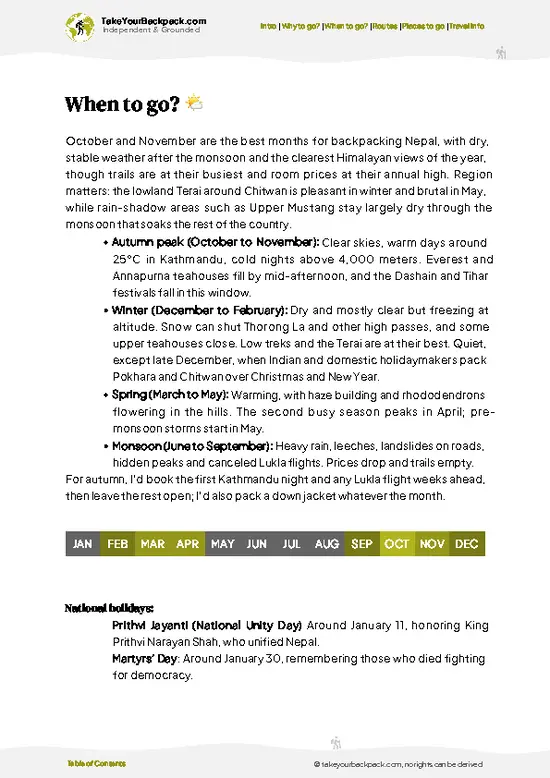
  • Weather: The best time to visit Jomsom is during the pre-monsoon (March to May) and post-monsoon (late September to November) seasons. These months offer clear skies and stable weather, avoiding the heavy rains of the monsoon (June to August) that turn trails muddy and rivers swollen.

  • Temperature: Spring days hover around 15-20°C (59-68°F), warming the air enough to enjoy trekking without overheating. Autumn is cooler, with daytime temps around 10-15°C (50-59°F), but nights can dip below freezing, so pack layers.

  • Daylight Hours: Longer daylight in spring and autumn means more trekking time—up to 12 hours of light—letting you start early and finish comfortably before dusk.

  • Crowds: Peak trekking seasons bring more visitors, especially in autumn. Spring sees fewer crowds but still enough
read more 👉

  • Weather: The best time to visit Jomsom is during the pre-monsoon (March to May) and post-monsoon (late September to November) seasons. These months offer clear skies and stable weather, avoiding the heavy rains of the monsoon (June to August) that turn trails muddy and rivers swollen.

  • Temperature: Spring days hover around 15-20°C (59-68°F), warming the air enough to enjoy trekking without overheating. Autumn is cooler, with daytime temps around 10-15°C (50-59°F), but nights can dip below freezing, so pack layers.

  • Daylight Hours: Longer daylight in spring and autumn means more trekking time—up to 12 hours of light—letting you start early and finish comfortably before dusk.

  • Crowds: Peak trekking seasons bring more visitors, especially in autumn. Spring sees fewer crowds but still enough fellow trekkers to feel safe and social. Winter and monsoon months are quiet but riskier due to weather.

  • Seasonal Activities: Spring bursts with rhododendron blooms, painting the hills red and pink. Autumn offers crisp air and clear mountain views, perfect for photography and festivals like Tihar.

  • Price Fluctuations: Expect higher prices for accommodation and flights during peak seasons. Booking ahead in spring and autumn is wise to secure spots and better rates. Off-season means cheaper stays but fewer services.


Pro-tip: Aim for late September to early November—cool, clear, and colorful—when the air smells like pine and the mountains stand sharp against endless blue skies.


source: climatestotravel.comJANJanuary: fair for travelingFEBFebruary: good for travelingMARMarch: excellent for travelingAPRApril: excellent for travelingMAYMay: excellent for travelingJUNJune: fair for travelingJULJuly: below average for travelingAUGAugust: below average for travelingSEPSeptember: highly recommended for travelingOCTOctober: excellent for travelingNOVNovember: excellent for travelingDECDecember: fair for traveling
when-to-go

✈️ The backpacker research shortcutNepal Travel Guide

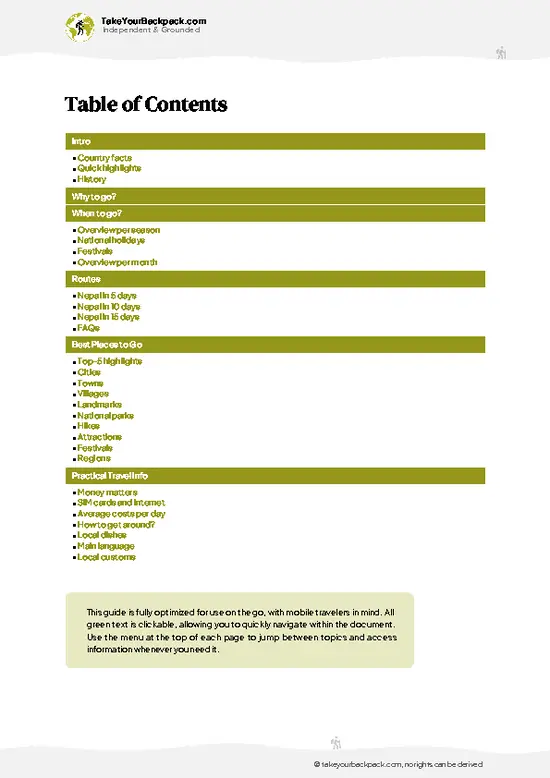
An offline-friendly backpacking guide with optimized travel routes, ranked highlights, transport advice, and the best areas to stay.
example page 0 from our offline Travel Guide for Nepal
example page 1 from our offline Travel Guide for Nepal
example page 2 from our offline Travel Guide for Nepal
example page 3 from our offline Travel Guide for Nepal
example page 4 from our offline Travel Guide for Nepal
example page 5 from our offline Travel Guide for Nepal
example page 6 from our offline Travel Guide for Nepal
example page 7 from our offline Travel Guide for Nepal
The digital guide (402 pages) contains:
107 highlights, ranked by travel appeal
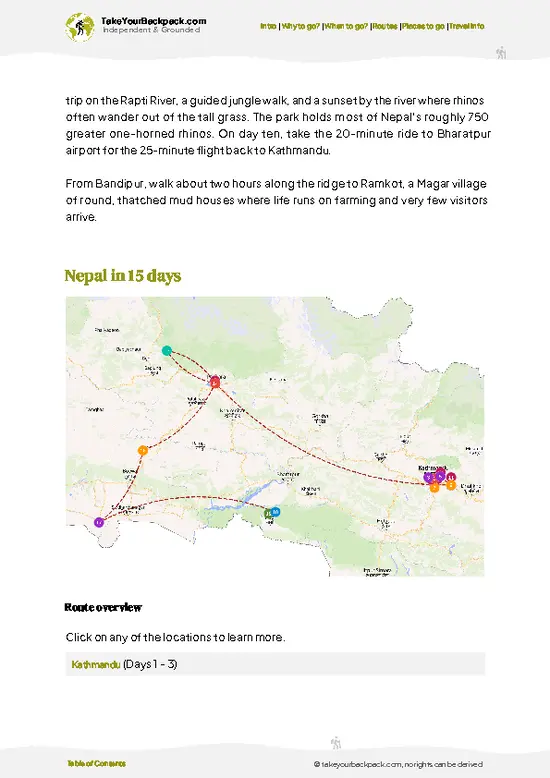
Optimized 5, 10 & 15-day travel routes
Cities, national parks, landmarks, beaches
How to get around
Offline-friendly for travel without Wi-Fi
👉 Click to see all 30+ guide features

📅 Plan smarter in minutes, not weeks
Month by month travel advice
Festivals & national holidays
Budget expectations

🗺️ Go to the right places, skip the overrated ones
Honest pros & cons of destinations
Top hikes, parks & viewpoints
Lesser-known places most travelers miss
Clear “worth it vs skip it” guidance

🛏️ Travel smoothly without rookie mistakes
Best areas to stay
Transport systems explained simply
Common scams & safety advice
SIM cards, money & practical tips

🌍 Understand the country, not just visit it
Culture & traditions
52 Essential phrases & customs
Festivals worth planning around
Traveler-friendly historical context
Insights that make places more meaningful

📱 Built for real travel conditions
Fully downloadable PDF
Works completely offline
Optimized for phone use
Useful in remote areas & buses
Everything in one place
Save weeks of stressful planning
Get instant access to your full guide. 30‑day money-back guarantee.


By proceeding you agree to our terms.
Sent to your inbox immediately after payment • 100% Secure Checkout
Best Backpacking Travel Advisor 2025 tourism awardBest Backpacking
Travel Advisor
2025
What others say about Take Your Backpack Guides:
⭐⭐⭐⭐⭐
Fantastic, amazing amount of information!
⭐⭐⭐⭐⭐
My goodness this is amazing, it's what I've been looking for hats off too you!
⭐⭐⭐⭐⭐
I think this is absolutely BRILLIANT
⭐⭐⭐⭐
Very complete and informative. It's still missing places, but I gotta to commend you
⭐⭐⭐⭐⭐
This is truly amazing, thank you, can't wait to explore it with my kids!
⭐⭐⭐⭐⭐
Awesome resource, thank you!
⭐⭐⭐⭐⭐
This is amazing! Can't wait to explore the ones I haven't seen
⭐⭐⭐⭐
I love this! Well done, great idea.
⭐⭐⭐⭐⭐
Thanks for taking the time to make this gem!
⭐⭐⭐⭐⭐
This might be the best website I've ever seen.
⭐⭐⭐⭐⭐
Congratulations, and thank you so much for your work; it's incredibly valuable.
⭐⭐⭐⭐
In all seriousness I think you did a great job pointing out the important spots
⭐⭐⭐⭐⭐
10/10 very good
⭐⭐⭐⭐⭐
As someone who's only just starting to visit regularly this is awesome, thank you.
⭐⭐⭐⭐
Thank you very much! I'm going to visit my dad, it's going to be very useful!
⭐⭐⭐⭐⭐
This is really cool! We'll be travelling for the first time and this definitely come in handy.
⭐⭐⭐⭐⭐
You are now our minister of culture, congratulations 👨‍💼
⭐⭐⭐⭐⭐
Just wanted to tell you that this is a pearl! Going to follow your recommendations.
⭐⭐⭐⭐⭐
This is so cool. I'll definitely be using the resource for my travels soon.
⭐⭐⭐⭐⭐
This is very impressive! Good work.
⭐⭐⭐⭐⭐
This is an amazing and informative site. Very well done!

🛏️ Where to stay?Best areas to stay in Nepal

Jomsom’s charm hits you first in the thin, crisp air, where the scent of yak butter lamps mixes with the sharp tang of mountain pine. For backpackers, the best places to stay aren’t just about a bed—they’re about tapping into that raw Himalayan pulse without breaking the bank or losing comfort.

Head to the guesthouses along the main street near the airport. These spots offer simple rooms with big windows framing the Annapurna and Dhaulagiri peaks. Why here? Because proximity to the airport means you can catch early flights or arrange your next trek without scrambling. Plus, these guesthouses … read more 👉
Jomsom’s charm hits you first in the thin, crisp air, where the scent of yak butter lamps mixes with the sharp tang of mountain pine. For backpackers, the best places to stay aren’t just about a bed—they’re about tapping into that raw Himalayan pulse without breaking the bank or losing comfort.

Head to the guesthouses along the main street near the airport. These spots offer simple rooms with big windows framing the Annapurna and Dhaulagiri peaks. Why here? Because proximity to the airport means you can catch early flights or arrange your next trek without scrambling. Plus, these guesthouses often have cozy common areas where you can swap stories with fellow trekkers over a steaming cup of chai.

If you want to skip the touristy buzz but still stay connected, try the lodges near the Kali Gandaki river. The sound of rushing water drowns out the chatter, and the rooms are quieter, with a chance to soak in the mountain light filtering through prayer flags. These places tend to be cheaper, too, giving you more budget for that extra dal bhat or a local apple brandy.

Whatever you pick, expect basic but clean facilities—hot water can be a luxury, so bring a thermos and layers. The payoff? Waking up to a sky so clear it feels like you could reach out and touch the peaks. That’s the kind of morning that makes every dusty step worth it.

🚌 Getting aroundGetting around like a local

Jomsom moves at the pace of the wind that sweeps through its dusty streets—unpredictable, sometimes sharp, but always carrying a sense of purpose. This isn’t a place where you’ll find strict timetables or polished schedules. Instead, the town’s rhythm is dictated by the shifting light over the Annapurna range and the steady flow of trekkers, traders, and locals weaving through its narrow lanes. The air smells faintly of yak butter lamps and dry earth, and the occasional bark of a dog punctuates the quiet. Here, patience is your best gear, but knowing the transit options inside out will turn what feels like chaos into a smooth, almost intuitive journey.

Walking is the backbone of getting around Jomsom. The town is compact, and most guesthouses, shops, and eateries are within a 10-15 minute … read more 👉
Jomsom moves at the pace of the wind that sweeps through its dusty streets—unpredictable, sometimes sharp, but always carrying a sense of purpose. This isn’t a place where you’ll find strict timetables or polished schedules. Instead, the town’s rhythm is dictated by the shifting light over the Annapurna range and the steady flow of trekkers, traders, and locals weaving through its narrow lanes. The air smells faintly of yak butter lamps and dry earth, and the occasional bark of a dog punctuates the quiet. Here, patience is your best gear, but knowing the transit options inside out will turn what feels like chaos into a smooth, almost intuitive journey.

Walking is the backbone of getting around Jomsom. The town is compact, and most guesthouses, shops, and eateries are within a 10-15 minute stroll of each other. Walking lets you soak in the crisp mountain air and catch the subtle shifts in light on the terraced hillsides. It’s free, reliable, and the best way to acclimate to the altitude before you hit the trails.

Local Jeep services run between Jomsom and nearby villages like Kagbeni and Muktinath. These jeeps don’t follow a strict schedule but tend to leave when full, usually starting early around 7 AM and running until mid-afternoon. The ride is bumpy and dusty, but it’s the fastest way to cover rough terrain without breaking the bank—expect to pay around 300-500 NPR. It’s a rugged, communal experience, so be ready to squeeze in and share stories with fellow travelers.

Public Bus connects Jomsom to Pokhara and other larger hubs. Buses leave early, often before 6 AM, to make the most of daylight on the winding mountain roads. The journey is long—up to 8 hours—but dirt-cheap, usually under 1000 NPR. Comfort is basic, with hard seats and frequent stops, but the views of the Kali Gandaki Gorge unfolding outside your window make the slow pace worthwhile.

Flight to Pokhara is the quickest and most expensive transit option. Flights start around 7 AM and run several times a day, weather permitting. The 20-minute hop offers breathtaking aerial views of the Annapurna massif but comes with a price tag of roughly 4000-6000 NPR. Flights are notoriously subject to delays or cancellations due to sudden mountain weather changes, so keep your schedule flexible.

Motorbike Rental is a wildcard for those comfortable with rough roads and high altitude. Rentals cost about 1000-1500 NPR per day. It gives you freedom to explore beyond the main routes at your own pace, but the thin air and rocky paths demand respect. If you’re confident, this is a way to turn the unpredictable flow of Jomsom into your own personal adventure map.

Mastering these options means you’re not just surviving Jomsom’s flow—you’re syncing with it. The town’s raw edges and shifting rhythms become part of the story, not obstacles. You’ll find that the real beauty here isn’t just in the views, but in how you navigate the space between them.

👛 Costs (as of 22 February 2026)What things cost and how to budget

Backpacking in Jomsom, Nepal, offers a rugged charm that comes with a surprisingly manageable daily cost, especially if you know where to look and how to pace yourself.
  • Dorm Accommodation: Dorm beds in Jomsom typically run between $5 and $10 per night. These are basic lodges with shared bathrooms, often perched on windy ridges where the air smells faintly of yak butter lamps and pine smoke. Expect simple wooden bunks and a chance to swap stories with trekkers from all over.
  • Meals: Eating local is both a cultural and budget win. Dal bhat, the staple lentil and rice dish, costs around $2 to $4 per meal. If you’re craving something more Western or a hot cup of coffee, prices can edge up to $5 or $6. The food here is hearty, designed to fuel long days on the trail, with fresh mountain vegetables
read more 👉
Backpacking in Jomsom, Nepal, offers a rugged charm that comes with a surprisingly manageable daily cost, especially if you know where to look and how to pace yourself.
  • Dorm Accommodation: Dorm beds in Jomsom typically run between $5 and $10 per night. These are basic lodges with shared bathrooms, often perched on windy ridges where the air smells faintly of yak butter lamps and pine smoke. Expect simple wooden bunks and a chance to swap stories with trekkers from all over.
  • Meals: Eating local is both a cultural and budget win. Dal bhat, the staple lentil and rice dish, costs around $2 to $4 per meal. If you’re craving something more Western or a hot cup of coffee, prices can edge up to $5 or $6. The food here is hearty, designed to fuel long days on the trail, with fresh mountain vegetables and yak cheese making frequent appearances.
  • Local Transport: Jomsom is small enough that most walking is on foot, but if you need a jeep or local bus to nearby villages or the airport, expect to pay about $2 to $5 for short rides. The roads are rough, dust-filled, and often windy, so travel times can stretch, but the views of the Annapurna range make the bumps worthwhile.
  • Basic Activities/Entry Fees: Trekking itself is free, but permits like the Annapurna Conservation Area Permit (ACAP) cost around $30 for a 10-day pass, which you’ll likely spread over your trip rather than daily. Visiting local monasteries or small museums usually costs $1 to $3. These modest fees help maintain the trails and cultural sites.
  • Miscellaneous Expenses: Think bottled water (about $1), snacks, or charging your devices (roughly $1). Internet cafes or Wi-Fi access can be patchy and cost around $1 to $2 per hour. Souvenirs or small gear repairs might add a few dollars here and there.

All told, you’re looking at roughly $15 to $25 per day if you keep things simple but comfortable. This budget lets you soak in the crisp mountain air, the scent of pine and earth, and the slow rhythm of life in Jomsom without feeling pinched. It’s enough to keep you fueled and connected, with a little room for the occasional treat or unexpected detour.


source: welcomenepal.com
⚠️ Prices can change and everyone travels differently, so take this as a rough guide. Hope it helps you plan your adventure!

🚌 Day tripsEasy escapes and nearby places

Jomsom is a backpacker’s dream base, nestled in the heart of the Annapurna region. With its rugged charm and stunning mountain backdrop, it’s the perfect launchpad for unforgettable day trips.

1. Muktinath Temple
This sacred site is a must-visit for its spiritual significance and breathtaking views. The journey takes about 2-3 hours by jeep, winding through dramatic landscapes. Expect to pay around $10 for transportation. Muktinath offers a unique blend of Hindu and Buddhist traditions, with 108 water spouts that symbolize purification. The best time to go is during the spring or autumn when the skies are clear. A common mistake? Underestimating the altitude; drink plenty of water to avoid headaches. 👉 Explore Jomsom

2. Kagbeni
Just a short 30-minute hike from Jomsom, Kagbeni is a picturesque … read more 👉
Jomsom is a backpacker’s dream base, nestled in the heart of the Annapurna region. With its rugged charm and stunning mountain backdrop, it’s the perfect launchpad for unforgettable day trips.

1. Muktinath Temple
This sacred site is a must-visit for its spiritual significance and breathtaking views. The journey takes about 2-3 hours by jeep, winding through dramatic landscapes. Expect to pay around $10 for transportation. Muktinath offers a unique blend of Hindu and Buddhist traditions, with 108 water spouts that symbolize purification. The best time to go is during the spring or autumn when the skies are clear. A common mistake? Underestimating the altitude; drink plenty of water to avoid headaches. 👉 Explore Jomsom

2. Kagbeni
Just a short 30-minute hike from Jomsom, Kagbeni is a picturesque village that feels like stepping back in time. The trail meanders alongside the Kali Gandaki River, with the scent of juniper wafting through the air. You can explore ancient monasteries and enjoy local cuisine for under $5. The best season is late spring when the wildflowers bloom. Many first-timers miss the chance to chat with locals; their stories add depth to your experience. 👉 Explore Jomsom

3. Jomsom to Ekle Bhatti
This easy trek takes about an hour and leads you to Ekle Bhatti, a small settlement famous for its tea houses. The path is lined with apple orchards, and the crisp mountain air is invigorating. You can enjoy a hearty meal for around $3. Autumn is ideal, as the apple harvest is in full swing. A common oversight is not bringing cash; many places don’t accept cards. 👉 Explore Jomsom

4. Thini Village
A 45-minute hike from Jomsom, Thini offers stunning views of the Dhaulagiri range. The village is known for its traditional mud houses and friendly locals. Expect to spend about $5 on snacks and drinks. Spring is the best time to visit, as the landscape bursts with color. Don’t forget your camera; the sunset here is a sight you won’t want to miss. 👉 Explore Jomsom

5. Marpha
A 1.5-hour trek leads you to Marpha, famous for its apple brandy and charming streets. The trail is easy, with plenty of spots to rest and soak in the scenery. You can sample local delicacies for around $7. Late summer is perfect for apple picking. Many travelers rush through; take your time to enjoy the atmosphere and chat with the locals. 👉 Explore Jomsom
Want to know what more Nepal offers?
The Nepal Travel Guide describes 107 highlights, from cities to national parks, from beaches to hikes

Get the Travel Guide -

🛡️ SafetyTraveler Safety Guide

Jomsom feels safe in a way that’s rare for a trekking hub—there’s a calmness in the thin mountain air that keeps things grounded. Still, the narrow streets near the bus station and market can get crowded and a bit chaotic, especially when flights land or buses arrive. That’s when your backpack becomes a magnet for pickpockets who rely on distraction, not force. Keep your pack zipped and close, and don’t flash valuables while you’re navigating the crush.

Solo travelers will find the town quiet after dark; most guesthouses and eateries close early, so wandering late isn’t common or necessary. If you do need to move around at night, stick to well-lit areas near the main street and avoid shortcuts through alleys where visibility drops.

Scams are rare here, but watch for inflated prices on trekking … read more 👉
Jomsom feels safe in a way that’s rare for a trekking hub—there’s a calmness in the thin mountain air that keeps things grounded. Still, the narrow streets near the bus station and market can get crowded and a bit chaotic, especially when flights land or buses arrive. That’s when your backpack becomes a magnet for pickpockets who rely on distraction, not force. Keep your pack zipped and close, and don’t flash valuables while you’re navigating the crush.

Solo travelers will find the town quiet after dark; most guesthouses and eateries close early, so wandering late isn’t common or necessary. If you do need to move around at night, stick to well-lit areas near the main street and avoid shortcuts through alleys where visibility drops.

Scams are rare here, but watch for inflated prices on trekking permits or taxi rides if you don’t ask first. A simple “What’s the fixed rate?” before you commit saves you from awkward haggling. Jomsom’s charm is in its straightforwardness—respect that rhythm, and you’ll move through it like a local, not a tourist.

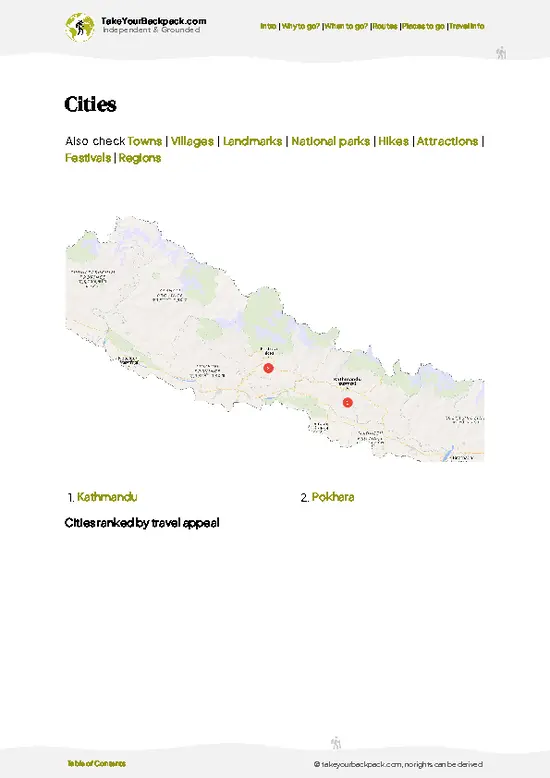
Other Nepali towns near Jomsom

Explore more nearby:

  • Mustang—Wind-carved canyons, cave monasteries, walled Lo Manthang| 26 km away
  • Manang—Glacial valleys, yak pastures, Annapurna circuit stop| 27 km away
  • Tansen—Palpa Durbar, winding alleys, artisan workshops| 104 km away

💡 Not sure where to go next?
Create a personalized itinerary for Nepal including Jomsom and the places that fit your trip.

Generate my itinerary

👉 Discover all towns

Or checkout all Nepal has to offer (think cities, towns, villages, national parks, hikes, beaches, festivals)
Country photo of Nepal

We 💚 feedbackIs it worth it?

Jomsom is a gateway to the Annapurna Circuit, where the air is crisp and the mountains loom like ancient giants. The thrill of trekking through this rugged terrain is palpable, and the local culture adds a rich layer to your experience. But be ready for the wind; it can howl through the valley, making evenings chilly. Embrace it, though—it’s part of the charm, reminding you that adventure comes with its challenges.

✈️ When did I visit Nepal?
Being a mountain lover, Nepal is one of my favorites. I visited it in November 2006, hiking the full Annapurna circuit as my highlight.

✍️ Help improve this page!
The information on this page is based on my own backpacking experience in Nepal, supplemented with up-to-date research and feedback from other travelers. Travel details can change, so if you notice anything outdated or incomplete, feel free to let me know.


🙋‍♂️ Give feedback

👋 Meet the founderWho’s Behind Take Your Backpack?

Johan, backpacker and founder of TakeYourBackpackHi, I’m Johan (Netherlands 🇳🇱), the creator of TakeYourBackpack. Over the past decade, I’ve backpacked through 80+ countries across six continents, gaining extensive experience with independent travel, long-term trips, and overland routes.

This site is built on a combination of firsthand travel experience and carefully curated insights from other backpackers. Many guides are based on places I’ve personally visited, while others bring together tips, observations, and practical advice shared by trusted travelers I’ve met along the way.

The goal is to provide realistic, experience-driven guidance — not generic itineraries — so you can explore destinations with better context, clearer expectations, and more confidence.

Get full Nepal guide •
Instant download • 107 highlights • Full Offline guide