×

Nepal🇳🇵 | attractionsKopan MonasteryBuddhist study, hilltop retreat, monastic life | things to do and best time to go

Explore Changu Narayan Temple ComplexExplore White Monastery

Backpacking in Kopan Monastery
👍 Recommendedattraction ranked #11
By Johan Kruseman 🇳🇱 | Updated October 15, 2026

Everyone’s seen the photos: saffron-robed monks, prayer flags, and that hazy Himalayan backdrop—Kopan Monastery is supposed to be your shortcut to instant enlightenment, right? Not quite. The real magic isn’t in the Instagrammable meditation poses, but in the raw, unpolished daily rhythm of monastic life—chanting at dawn, the clang of a bell, the smell of butter tea. Perched on a hill just north of Kathmandu, Kopan is easy to reach but never truly quiet; you’ll share the grounds with a steady stream of seekers, gap-year yogis, and the odd spiritual tourist who’s more into selfies than silence. It’s not cheap by Nepali standards, but the vibe is refreshingly earnest—less spectacle, more substance—especially if you’re willing to trade a little comfort for a genuine brush with Buddhist practice.

Discover everything you want to know in the 📖 Nepal Travel Guide.


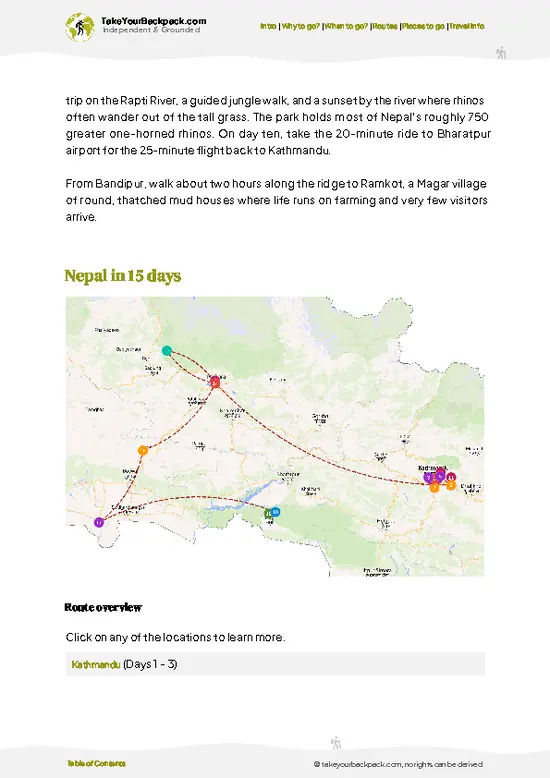
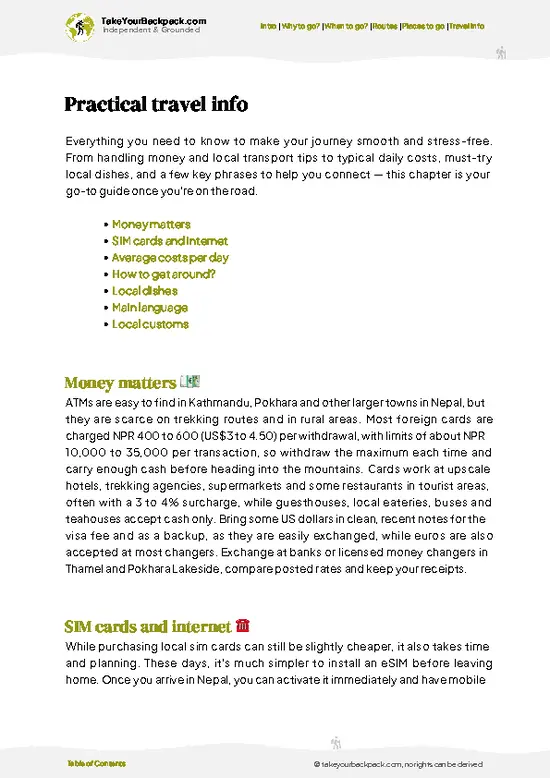
example page 0 from our offline Travel Guide for Nepal
example page 1 from our offline Travel Guide for Nepal
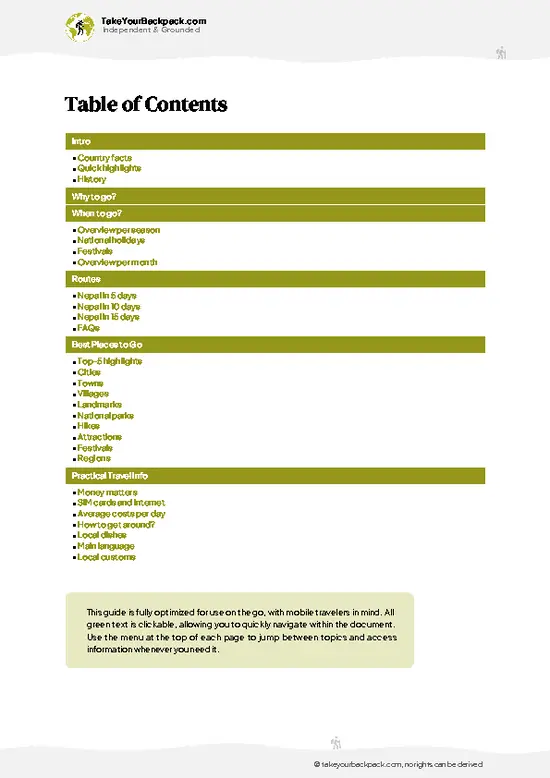
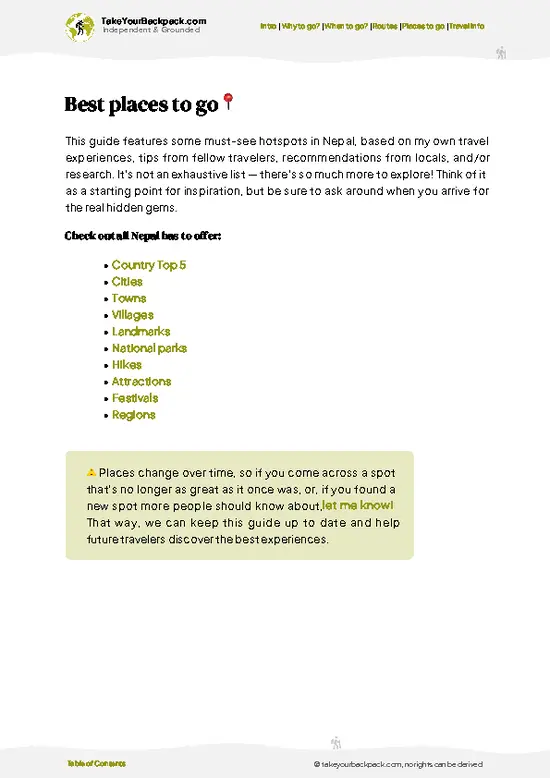
example page 2 from our offline Travel Guide for Nepal
example page 3 from our offline Travel Guide for Nepal
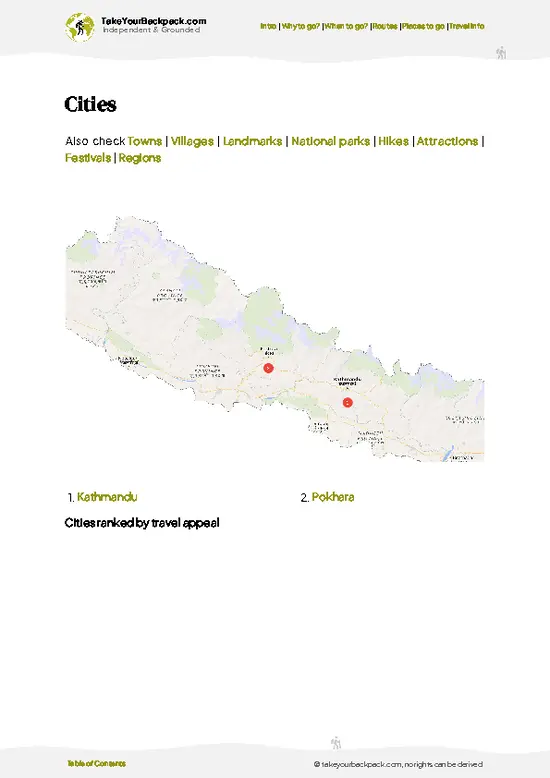
example page 4 from our offline Travel Guide for Nepal
example page 5 from our offline Travel Guide for Nepal
example page 6 from our offline Travel Guide for Nepal
example page 7 from our offline Travel Guide for Nepal
Loading the map 🌍
CLICK TO FILTER
cities
towns
villages
landmarks
national parks
hikes
attractions
festivals
regions
SHOW COUNTRY’S BESTSHOW ALL

✨ Why go?
Ranked #11 attraction in Nepal
Why visitors keep coming back

Kopan Monastery is often swarmed with tourists chasing that perfect sunset shot, but here’s the real deal: it’s a powerhouse of spiritual depth and cultural immersion that goes way beyond the Instagram gloss. This place isn’t just a photo op; it’s a living, breathing hub of Tibetan Buddhism perched on a hill overlooking Kathmandu Valley. The historical weight hits you the moment you step inside—founded in the 1960s, it’s a beacon for serious seekers and curious backpackers alike. Yes, it’s busy, but that buzz is part of its charm, a reminder you’re walking a path tread by thousands searching for meaning. The effort-to-reward ratio is solid: a steep climb or a short taxi ride gets you panoramic views and a chance to join meditation sessions that actually reset your brain. For anyone trekking … read more 👉
Kopan Monastery is often swarmed with tourists chasing that perfect sunset shot, but here’s the real deal: it’s a powerhouse of spiritual depth and cultural immersion that goes way beyond the Instagram gloss. This place isn’t just a photo op; it’s a living, breathing hub of Tibetan Buddhism perched on a hill overlooking Kathmandu Valley. The historical weight hits you the moment you step inside—founded in the 1960s, it’s a beacon for serious seekers and curious backpackers alike. Yes, it’s busy, but that buzz is part of its charm, a reminder you’re walking a path tread by thousands searching for meaning. The effort-to-reward ratio is solid: a steep climb or a short taxi ride gets you panoramic views and a chance to join meditation sessions that actually reset your brain. For anyone trekking Nepal, Kopan is a major milestone—a pause that deepens your journey beyond the mountains.

💡 HighlightsPlaces and moments you shouldn't skip

1. Morning Puja (Prayer Ceremony)
Forget the Instagram shots of monks in perfect rows—this is the real deal. The morning puja at Kopan is a full-sensory immersion: cymbals crash, conch shells blare, and the deep, resonant chanting vibrates through your bones. You’re not just watching; you’re enveloped. It’s hypnotic, a little chaotic, and absolutely not staged for tourists. If you want to feel the pulse of Tibetan Buddhism, drag yourself out of bed and show up for this.


2. The Meditation Courses
Kopan isn’t a quick photo stop. The real entertainment here is internal. Their ten-day meditation courses are legendary—equal parts spiritual boot camp and psychological rollercoaster. You’ll get Buddhist philosophy straight from the source, not watered down for Western palates. Expect to be challenged, … read more 👉
1. Morning Puja (Prayer Ceremony)
Forget the Instagram shots of monks in perfect rows—this is the real deal. The morning puja at Kopan is a full-sensory immersion: cymbals crash, conch shells blare, and the deep, resonant chanting vibrates through your bones. You’re not just watching; you’re enveloped. It’s hypnotic, a little chaotic, and absolutely not staged for tourists. If you want to feel the pulse of Tibetan Buddhism, drag yourself out of bed and show up for this.


2. The Meditation Courses
Kopan isn’t a quick photo stop. The real entertainment here is internal. Their ten-day meditation courses are legendary—equal parts spiritual boot camp and psychological rollercoaster. You’ll get Buddhist philosophy straight from the source, not watered down for Western palates. Expect to be challenged, occasionally frustrated, and—if you stick with it—genuinely changed. This is not a spa retreat. It’s the real work.


3. The Library and Bookshop
Most monasteries have a gift shop. Kopan has a bookshop that’s a treasure trove for the curious. You’ll find rare translations, esoteric texts, and practical guides you won’t see in Kathmandu’s tourist stalls. The library itself is a quiet refuge, and if you’re lucky, you’ll catch a monk deep in debate over a text. For anyone who likes their enlightenment with a side of research, this is gold.


4. Panoramic Hilltop Views
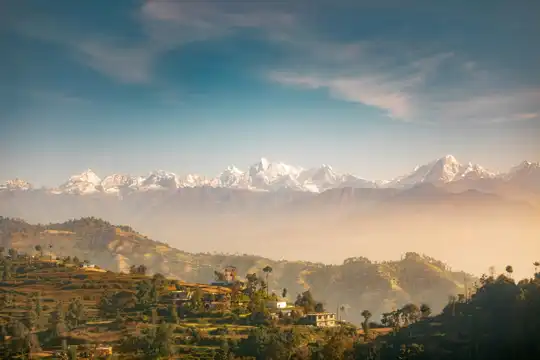
Yes, you’ll see people posing for selfies, but the view from Kopan’s hilltop is worth every cliché. On a clear day, you get a sweeping panorama of the Kathmandu Valley, prayer flags snapping in the wind, and the distant Himalayas reminding you why you came to Nepal in the first place. It’s a moment of perspective—literally and figuratively.


5. Monastic Tea Breaks (Personal Favorite)
This is where the façade drops. During breaks, monks and visitors mingle over sweet, milky tea and biscuits. The conversations are unscripted, sometimes hilarious, sometimes profound. You’ll hear stories about daily life, spiritual doubts, and the occasional football rivalry. It’s the human side of Kopan—messy, real, and far more memorable than any staged ritual. This is where the magic sneaks up on you.
Spotted a mistake or missing something? Contact us.

Things to do near Kopan Monastery

Ratings based on Tripadvisor reviews. When you book through this link, you support our work at no extra cost to you.

🌤️ When to go?Best time to visit Kopan Monastery

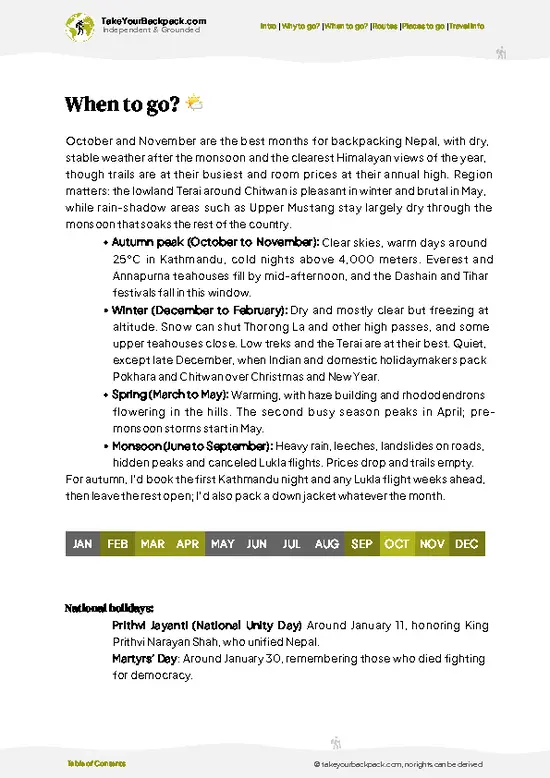
  • Weather: The best weather hits from October to December and February to April. October-November offers crisp, clear skies perfect for trekking, with daytime temps around 15-20°C (59-68°F). Avoid the monsoon months of June to September when heavy rains turn trails slippery and views foggy.
  • Temperature: Winters (December-January) can be chilly, dropping to 2-5°C (36-41°F) at night, so pack layers. Spring (March-April) warms up nicely, hitting 18-22°C (64-72°F) during the day, ideal for exploring without sweating buckets.
  • Daylight Hours: Peak daylight stretches from March to May, giving you 12-13 hours to soak in the monastery and surrounding hills. Winter days are shorter, around 10 hours, which limits late afternoon wandering.
  • Crowds: October-November draws the biggest crowds due to perfect
… read more 👉
  • Weather: The best weather hits from October to December and February to April. October-November offers crisp, clear skies perfect for trekking, with daytime temps around 15-20°C (59-68°F). Avoid the monsoon months of June to September when heavy rains turn trails slippery and views foggy.
  • Temperature: Winters (December-January) can be chilly, dropping to 2-5°C (36-41°F) at night, so pack layers. Spring (March-April) warms up nicely, hitting 18-22°C (64-72°F) during the day, ideal for exploring without sweating buckets.
  • Daylight Hours: Peak daylight stretches from March to May, giving you 12-13 hours to soak in the monastery and surrounding hills. Winter days are shorter, around 10 hours, which limits late afternoon wandering.
  • Crowds: October-November draws the biggest crowds due to perfect weather and festivals, so expect packed trails and busy guesthouses. Visiting in early spring or late autumn means fewer tourists and a more contemplative vibe.
  • Seasonal Activities: The Tibetan New Year (Losar) in February is a cultural highlight, but it also means higher prices and more visitors. Off-season months offer quiet meditation retreats and a chance to connect deeply with the monks.
  • Price Fluctuations: Accommodation and guided tours spike during peak season (October-November). Booking in shoulder seasons like March or late September can save you 20-30% without sacrificing much on weather.
Pro-tip: Aim for late February to early April—cool mornings, blooming rhododendrons, manageable crowds, and wallet-friendly rates make this the sweet spot for real Kopan magic.


source: climatestotravel.comJANJanuary: good for travelingFEBFebruary: highly recommended for travelingMARMarch: excellent for travelingAPRApril: excellent for travelingMAYMay: highly recommended for travelingJUNJune: fair for travelingJULJuly: below average for travelingAUGAugust: below average for travelingSEPSeptember: fair for travelingOCTOctober: excellent for travelingNOVNovember: excellent for travelingDECDecember: good for traveling
when-to-go

✈️ The backpacker research shortcutNepal Travel Guide

An offline-friendly backpacking guide with optimized travel routes, ranked highlights, transport advice, and the best areas to stay.
example page 0 from our offline Travel Guide for Nepal
example page 1 from our offline Travel Guide for Nepal
example page 2 from our offline Travel Guide for Nepal
example page 3 from our offline Travel Guide for Nepal
example page 4 from our offline Travel Guide for Nepal
example page 5 from our offline Travel Guide for Nepal
example page 6 from our offline Travel Guide for Nepal
example page 7 from our offline Travel Guide for Nepal
The digital guide (337 pages) contains:
✅ 90 highlights, ranked by travel appeal
✅ Optimized 5, 10 & 15-day travel routes
✅ Cities, national parks, landmarks, beaches
✅ How to get around
✅ Offline-friendly for travel without Wi-Fi
👉 Click to see all 30+ guide features

📅 Plan smarter in minutes, not weeks
✅ Month by month travel advice
✅ Festivals & national holidays
✅ Budget expectations

🗺️ Go to the right places, skip the overrated ones
✅ Honest pros & cons of destinations
✅ Top hikes, parks & viewpoints
✅ Lesser-known places most travelers miss
✅ Clear “worth it vs skip it” guidance

🛏️ Travel smoothly without rookie mistakes
✅ Best areas to stay
✅ Transport systems explained simply
✅ Common scams & safety advice
✅ SIM cards, money & practical tips

🌍 Understand the country, not just visit it
✅ Culture & traditions
✅ 52 Essential phrases & customs
✅ Festivals worth planning around
✅ Traveler-friendly historical context
✅ Insights that make places more meaningful

📱 Built for real travel conditions
✅ Fully downloadable PDF
✅ Works completely offline
✅ Optimized for phone use
✅ Useful in remote areas & buses
✅ Everything in one place
Stop searching, start planning
Get instant access to your full guide. 30‑day money-back guarantee.
+ Add another guide for just

By proceeding you agree to our terms.
Sent to your inbox immediately after payment • 100% Secure Checkout
Best Backpacking Travel Advisor 2025 tourism awardBest Backpacking
Travel Advisor
2025
What others say about Take Your Backpack Guides:
⭐⭐⭐⭐⭐
Fantastic, amazing amount of information!
⭐⭐⭐⭐⭐
My goodness this is amazing, it's what I've been looking for hats off too you!
⭐⭐⭐⭐⭐
I think this is absolutely BRILLIANT
⭐⭐⭐⭐
Very complete and informative. It's still missing places, but I gotta to commend you
⭐⭐⭐⭐⭐
This is truly amazing, thank you, can't wait to explore it with my kids!
⭐⭐⭐⭐⭐
Awesome resource, thank you!
⭐⭐⭐⭐⭐
This is amazing! Can't wait to explore the ones I haven't seen
⭐⭐⭐⭐
I love this! Well done, great idea.
⭐⭐⭐⭐⭐
Thanks for taking the time to make this gem!
⭐⭐⭐⭐⭐
This might be the best website I've ever seen.
⭐⭐⭐⭐⭐
Congratulations, and thank you so much for your work; it's incredibly valuable.
⭐⭐⭐⭐
In all seriousness I think you did a great job pointing out the important spots
⭐⭐⭐⭐⭐
10/10 very good
⭐⭐⭐⭐⭐
As someone who's only just starting to visit regularly this is awesome, thank you.
⭐⭐⭐⭐
Thank you very much! I'm going to visit my dad, it's going to be very useful!
⭐⭐⭐⭐⭐
This is really cool! We'll be travelling for the first time and this definitely come in handy.
⭐⭐⭐⭐⭐
You are now our minister of culture, congratulations 👨‍💼
⭐⭐⭐⭐⭐
Just wanted to tell you that this is a pearl! Going to follow your recommendations.
⭐⭐⭐⭐⭐
This is so cool. I'll definitely be using the resource for my travels soon.
⭐⭐⭐⭐⭐
This is very impressive! Good work.
⭐⭐⭐⭐⭐
This is an amazing and informative site. Very well done!

🛏️ Where to stay?Best areas and accommodation options

Kopan Monastery sits on a hill just outside Kathmandu, and here’s the real deal: the immediate area around the monastery isn’t exactly a backpacker hub. It’s quiet, spiritual, and a bit removed from the city buzz. If you want to crash close by, you’re looking at a handful of guesthouses and small lodges that lean more toward peaceful retreats than social hotspots. That’s great if you want to soak in the monastery’s vibe without distractions, but don’t expect a lively backpacker scene or easy mingling.

For the social, budget-savvy traveler, the best move is to base yourself in Kathmandu’s Boudhanath … read more 👉
Kopan Monastery sits on a hill just outside Kathmandu, and here’s the real deal: the immediate area around the monastery isn’t exactly a backpacker hub. It’s quiet, spiritual, and a bit removed from the city buzz. If you want to crash close by, you’re looking at a handful of guesthouses and small lodges that lean more toward peaceful retreats than social hotspots. That’s great if you want to soak in the monastery’s vibe without distractions, but don’t expect a lively backpacker scene or easy mingling.

For the social, budget-savvy traveler, the best move is to base yourself in Kathmandu’s Boudhanath or Thamel neighborhoods. Boudhanath is just a short ride downhill from Kopan and offers a mix of affordable guesthouses, teahouses, and a genuine community of solo travelers and spiritual seekers. It’s safe, walkable, and buzzing with cafes where you can swap stories over momos and chai. Thamel, while more touristy and crowded, is the backpacker epicenter with endless budget options and nightlife, but it’s farther from the monastery and less serene.

Bottom line: stay near Boudhanath for a balance of access, atmosphere, and budget. Kopan’s magic is best experienced with a quiet base nearby, not a party zone.

👛 Costs (as of 15 October 2026)Money, prices, and spending tips

As of the latest information, Kopan Monastery does not charge an entrance fee for day visitors. For those interested in staying overnight, accommodation rates range from €6 to €20 per night, depending on the room type and meal plan chosen.

source: kopanmonastery.org
⚠️ Prices can change and everyone travels differently, so take this as a rough guide. Hope it helps you plan your adventure!

FAQTraveler FAQ

2 to 3 hours is sufficient to visit Kopan Monastery, allowing time to explore the main temple, meditation areas, and the surrounding gardens. If attending a meditation course, plan for several days as courses typically last 10 days or more.
Yes, Kopan Monastery is worth the entrance fee, which is usually around 500 NPR for foreigners. The fee supports the monastery's upkeep and spiritual activities, and visitors gain insight into Tibetan Buddhism and enjoy peaceful surroundings.
To get to Kopan Monastery, take a taxi or local bus from Kathmandu, located about 8 kilometers north of the city center. The drive takes around 30 minutes, and the monastery is well-signposted from the main road.
⚠️ Things can change over time, so always validate details locally before you go.

Other Nepali attractions near Kopan Monastery

Explore more nearby:


💡 Not sure where to go next?
Create a personalized itinerary for Nepal including Kopan Monastery and the places that fit your trip.

Generate my itinerary

👉 Discover all attractions

Or checkout all Nepal has to offer (think cities, towns, villages, national parks, hikes, beaches, festivals)
Country photo of Nepal

We 💚 feedbackIs it worth it?

Kopan Monastery isn’t some quiet escape where you’ll find solitude—expect crowds, especially during meditation courses. But what it lacks in privacy, it makes up for with raw spiritual energy that hits you unexpectedly. Sitting among monks chanting at dawn, you feel a pulse of something ancient and alive. It’s not a postcard moment, but it’s a genuine glimpse into a living tradition that sticks with you.

✈️ When did I visit Nepal?
Being a mountain lover, Nepal is one of my favorites. I visited it in November 2006, hiking the full Annapurna circuit as my highlight.

✍️ Help improve this page!
The information on this page is based on my own backpacking experience in Nepal, supplemented with up-to-date research and feedback from other travelers. Travel details can change, so if you notice anything outdated or incomplete, feel free to let me know.


🙋‍♂️ Give feedback

👋 Meet the founderWho’s Behind Take Your Backpack?

Johan, backpacker and founder of TakeYourBackpackHi, I’m Johan (Netherlands 🇳🇱), the creator of TakeYourBackpack. Over the past 3 decades, I’ve backpacked through 90+ countries across six continents, gaining extensive experience with independent travel, long-term trips, and overland routes.

This site is built on a combination of firsthand travel experience and carefully curated insights from other backpackers. Many guides are based on places I’ve personally visited, while others bring together tips, observations, and practical advice shared by trusted travelers I’ve met along the way.

The goal is to provide realistic, experience-driven guidance — not generic itineraries — so you can explore destinations with better context, clearer expectations, and more confidence.