×

Nepal🇳🇵 | attractionsManakamana Templecable car ascent, wish-fulfilling goddess, hilltop sanctuary | things to do and best time to go

Explore Narayanhiti Palace MuseumExplore Dakshinkali Temple

Backpacking in Manakamana Temple
👌 Worth visitingattraction ranked #13
By Johan Kruseman 🇳🇱 | Updated October 15, 2026

Forget the Instagram fantasy of a misty, empty hilltop shrine—Manakamana Temple is rarely serene, and you’ll share your pilgrimage with hundreds, sometimes thousands, of devotees and selfie-hunters. Perched above the Trishuli River in central Nepal, halfway between Kathmandu and Pokhara, the temple is reached by a cable car that’s more theme park than spiritual ascent—expect queues, ticket costs that sting a backpacker’s wallet, and a crush of humanity at the top. But here’s the real magic: the electric energy of faith, the clang of bells, the scent of incense, and the sight of families making offerings that matter deeply to them. It’s not Everest Base Camp or the Annapurna Circuit, but if you want a crash course in living Nepali culture—messy, loud, and utterly sincere—this is it.

Discover everything you want to know in the 📖 Nepal Travel Guide.


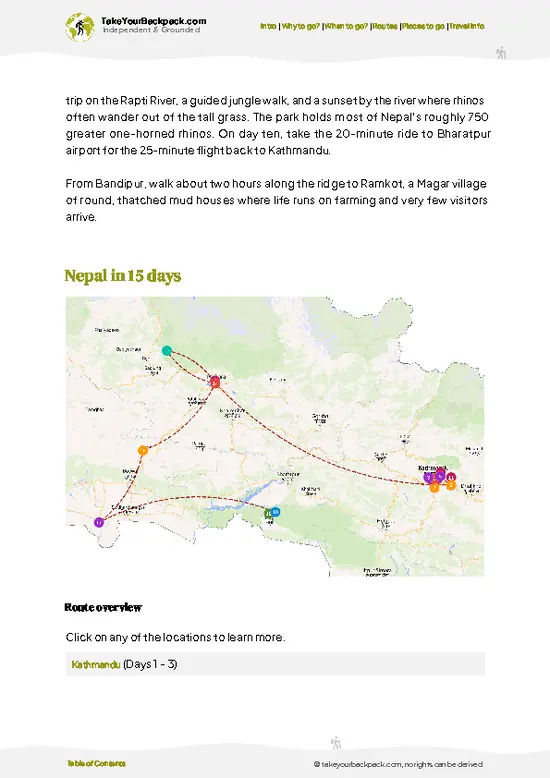
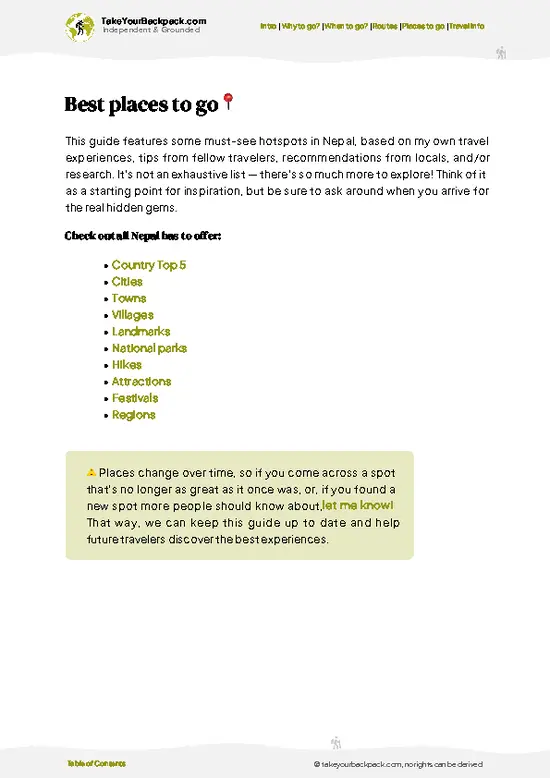
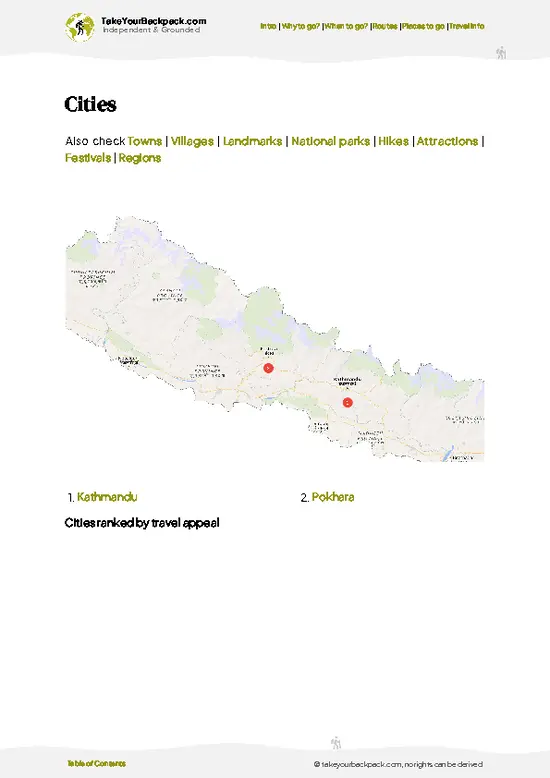
example page 0 from our offline Travel Guide for Nepal
example page 1 from our offline Travel Guide for Nepal
example page 2 from our offline Travel Guide for Nepal
example page 3 from our offline Travel Guide for Nepal
example page 4 from our offline Travel Guide for Nepal
example page 5 from our offline Travel Guide for Nepal
example page 6 from our offline Travel Guide for Nepal
example page 7 from our offline Travel Guide for Nepal
Loading the map 🌍
CLICK TO FILTER
cities
towns
villages
landmarks
national parks
hikes
attractions
festivals
regions
SHOW COUNTRY’S BESTSHOW ALL

✨ Why go?
Ranked #13 attraction in Nepal
Why Manakamana Temple should be on your travel list

Manakamana Temple is not just another photo op on Nepal’s tourist map—it’s a rite of passage. Yes, the cable car ride up is packed, and the entrance fee isn’t exactly pocket change for a backpacker. But here’s the kicker: this temple is a living pulse of Nepali faith, perched high where the air thins and the views punch you in the chest. It’s not about ticking a box; it’s about standing where generations have sought blessings, feeling the weight of history in every prayer flag fluttering against the sky. The adrenaline rush isn’t from a roller coaster but from the cable car’s steep ascent, a brief but thrilling climb that sets the tone for the spiritual experience ahead. For anyone trekking through Nepal, Manakamana is a milestone—an authentic cultural checkpoint that demands respect, not … read more 👉
Manakamana Temple is not just another photo op on Nepal’s tourist map—it’s a rite of passage. Yes, the cable car ride up is packed, and the entrance fee isn’t exactly pocket change for a backpacker. But here’s the kicker: this temple is a living pulse of Nepali faith, perched high where the air thins and the views punch you in the chest. It’s not about ticking a box; it’s about standing where generations have sought blessings, feeling the weight of history in every prayer flag fluttering against the sky. The adrenaline rush isn’t from a roller coaster but from the cable car’s steep ascent, a brief but thrilling climb that sets the tone for the spiritual experience ahead. For anyone trekking through Nepal, Manakamana is a milestone—an authentic cultural checkpoint that demands respect, not just a quick snap. Skip the hype, and you’ll find a moment that sticks with you long after the crowds fade.

💡 HighlightsThe experiences that define the visit

1. The Cable Car Ride (and the Reality Check)
Let’s get this out of the way: the Manakamana cable car is not some serene, private ascent. You’ll be packed in with families, pilgrims, and the occasional goat (yes, livestock rides too). But here’s the kicker—this is Nepal’s answer to a theme park ride, minus the manufactured thrills. The 10-minute journey soars above a river gorge and terraced hills, with windows that frame the Himalayas if the weather plays along. The anticipation in that cramped cabin is electric, and the collective gasp when the temple comes into view? That’s real magic, not Instagram magic.


2. The Temple Courtyard: Rituals in Real Time
Forget the postcard shots of empty courtyards. Manakamana is alive with devotion—drums, bells, and the scent of incense thick enough to taste. … read more 👉
1. The Cable Car Ride (and the Reality Check)
Let’s get this out of the way: the Manakamana cable car is not some serene, private ascent. You’ll be packed in with families, pilgrims, and the occasional goat (yes, livestock rides too). But here’s the kicker—this is Nepal’s answer to a theme park ride, minus the manufactured thrills. The 10-minute journey soars above a river gorge and terraced hills, with windows that frame the Himalayas if the weather plays along. The anticipation in that cramped cabin is electric, and the collective gasp when the temple comes into view? That’s real magic, not Instagram magic.


2. The Temple Courtyard: Rituals in Real Time
Forget the postcard shots of empty courtyards. Manakamana is alive with devotion—drums, bells, and the scent of incense thick enough to taste. Pilgrims queue for hours, clutching flower garlands and coconuts. The energy is raw and communal, not staged for tourists. If you want to see faith in action, stand quietly and watch the puja rituals unfold. This is not a place for silent contemplation; it’s a living, breathing crossroads of hope and gratitude.


3. The Animal Offerings (Not for the Faint of Heart)
Here’s the unfiltered truth: animal sacrifice is still practiced here, especially during festivals. It’s confronting, and it’s not for everyone. But it’s also a window into centuries-old traditions that haven’t been sanitized for outsiders. If you’re after authenticity, this is it—messy, complicated, and deeply meaningful to those who participate.


4. The Bazaar Gauntlet
You’ll run the gauntlet of vendors selling everything from marigold garlands to plastic trinkets. It’s chaotic, loud, and occasionally aggressive. But if you’re willing to engage, you’ll find local sweets, hand-carved souvenirs, and the kind of banter you can’t fake. This is where the temple’s pulse spills into daily life.


5. The Panoramic Vantage (Personal Favorite)
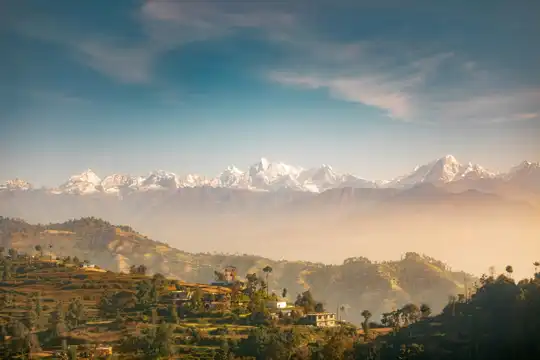
Climb a little higher past the main temple, and you’ll hit the sweet spot: a ledge with a view that’s pure Nepal—rolling hills, distant peaks, and a patchwork of villages. No filters, no crowds, just a moment to breathe and realize why people have trekked here for centuries. This is the payoff, and it’s worth every step.
Spotted a mistake or missing something? Contact us.

🌤️ When to go?When to go for the best experience

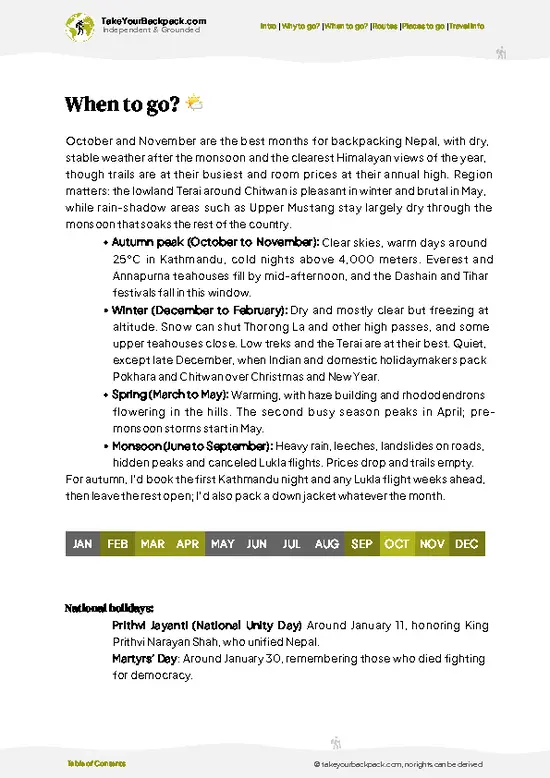
  • Weather: The best weather hits between October and December. Clear skies dominate, making the cable car ride and temple views sharp and enjoyable. Avoid the monsoon season from June to September; heavy rains turn trails slippery and the air thick with humidity.
  • Temperature: October to December offers mild days around 20-25°C (68-77°F), perfect for hiking without overheating. Nights can dip to 5-10°C (41-50°F), so pack layers. Spring months (March-April) warm up nicely but can get dusty.
  • Daylight Hours: From October to December, daylight stretches about 10-11 hours—enough time to explore without rushing. Winter months shorten days, so plan cable car rides earlier to avoid the dark.
  • Crowds: Peak pilgrimage times like Dashain (September-October) and Tihar (October-November) pack the temple
… read more 👉
  • Weather: The best weather hits between October and December. Clear skies dominate, making the cable car ride and temple views sharp and enjoyable. Avoid the monsoon season from June to September; heavy rains turn trails slippery and the air thick with humidity.
  • Temperature: October to December offers mild days around 20-25°C (68-77°F), perfect for hiking without overheating. Nights can dip to 5-10°C (41-50°F), so pack layers. Spring months (March-April) warm up nicely but can get dusty.
  • Daylight Hours: From October to December, daylight stretches about 10-11 hours—enough time to explore without rushing. Winter months shorten days, so plan cable car rides earlier to avoid the dark.
  • Crowds: Peak pilgrimage times like Dashain (September-October) and Tihar (October-November) pack the temple with devotees, making the experience more intense but less peaceful. For quieter visits, aim for late November or early December.
  • Seasonal Activities: Festivals bring vibrant rituals and local color but also crowds. Outside festival seasons, the temple’s spiritual vibe feels more personal and reflective.
  • Price Fluctuations: Cable car fares and local prices spike during festival seasons and weekends. Visiting midweek in off-peak months can save you a decent chunk of cash.
Pro-tip: Hit Manakamana just after the monsoon clears in late September or early October for the perfect mix of clear views, manageable crowds, and fair prices.


source: climatestotravel.comJANJanuary: highly recommended for travelingFEBFebruary: highly recommended for travelingMARMarch: good for travelingAPRApril: good for travelingMAYMay: fair for travelingJUNJune: below average for travelingJULJuly: below average for travelingAUGAugust: below average for travelingSEPSeptember: fair for travelingOCTOctober: excellent for travelingNOVNovember: excellent for travelingDECDecember: highly recommended for traveling
when-to-go

✈️ The backpacker research shortcutNepal Travel Guide

An offline-friendly backpacking guide with optimized travel routes, ranked highlights, transport advice, and the best areas to stay.
example page 0 from our offline Travel Guide for Nepal
example page 1 from our offline Travel Guide for Nepal
example page 2 from our offline Travel Guide for Nepal
example page 3 from our offline Travel Guide for Nepal
example page 4 from our offline Travel Guide for Nepal
example page 5 from our offline Travel Guide for Nepal
example page 6 from our offline Travel Guide for Nepal
example page 7 from our offline Travel Guide for Nepal
The digital guide (337 pages) contains:
✅ 90 highlights, ranked by travel appeal
✅ Optimized 5, 10 & 15-day travel routes
✅ Cities, national parks, landmarks, beaches
✅ How to get around
✅ Offline-friendly for travel without Wi-Fi
👉 Click to see all 30+ guide features

📅 Plan smarter in minutes, not weeks
✅ Month by month travel advice
✅ Festivals & national holidays
✅ Budget expectations

🗺️ Go to the right places, skip the overrated ones
✅ Honest pros & cons of destinations
✅ Top hikes, parks & viewpoints
✅ Lesser-known places most travelers miss
✅ Clear “worth it vs skip it” guidance

🛏️ Travel smoothly without rookie mistakes
✅ Best areas to stay
✅ Transport systems explained simply
✅ Common scams & safety advice
✅ SIM cards, money & practical tips

🌍 Understand the country, not just visit it
✅ Culture & traditions
✅ 52 Essential phrases & customs
✅ Festivals worth planning around
✅ Traveler-friendly historical context
✅ Insights that make places more meaningful

📱 Built for real travel conditions
✅ Fully downloadable PDF
✅ Works completely offline
✅ Optimized for phone use
✅ Useful in remote areas & buses
✅ Everything in one place
Stop searching, start planning
Get instant access to your full guide. 30‑day money-back guarantee.
+ Add another guide for just

By proceeding you agree to our terms.
Sent to your inbox immediately after payment • 100% Secure Checkout
Best Backpacking Travel Advisor 2025 tourism awardBest Backpacking
Travel Advisor
2025
What others say about Take Your Backpack Guides:
⭐⭐⭐⭐⭐
Fantastic, amazing amount of information!
⭐⭐⭐⭐⭐
My goodness this is amazing, it's what I've been looking for hats off too you!
⭐⭐⭐⭐⭐
I think this is absolutely BRILLIANT
⭐⭐⭐⭐
Very complete and informative. It's still missing places, but I gotta to commend you
⭐⭐⭐⭐⭐
This is truly amazing, thank you, can't wait to explore it with my kids!
⭐⭐⭐⭐⭐
Awesome resource, thank you!
⭐⭐⭐⭐⭐
This is amazing! Can't wait to explore the ones I haven't seen
⭐⭐⭐⭐
I love this! Well done, great idea.
⭐⭐⭐⭐⭐
Thanks for taking the time to make this gem!
⭐⭐⭐⭐⭐
This might be the best website I've ever seen.
⭐⭐⭐⭐⭐
Congratulations, and thank you so much for your work; it's incredibly valuable.
⭐⭐⭐⭐
In all seriousness I think you did a great job pointing out the important spots
⭐⭐⭐⭐⭐
10/10 very good
⭐⭐⭐⭐⭐
As someone who's only just starting to visit regularly this is awesome, thank you.
⭐⭐⭐⭐
Thank you very much! I'm going to visit my dad, it's going to be very useful!
⭐⭐⭐⭐⭐
This is really cool! We'll be travelling for the first time and this definitely come in handy.
⭐⭐⭐⭐⭐
You are now our minister of culture, congratulations 👨‍💼
⭐⭐⭐⭐⭐
Just wanted to tell you that this is a pearl! Going to follow your recommendations.
⭐⭐⭐⭐⭐
This is so cool. I'll definitely be using the resource for my travels soon.
⭐⭐⭐⭐⭐
This is very impressive! Good work.
⭐⭐⭐⭐⭐
This is an amazing and informative site. Very well done!

🛏️ Where to stay?Choosing the right base

Manakamana Temple is a magnet for pilgrims and tourists alike, but let’s cut through the Instagram gloss: the area around the temple is not a backpacker’s urban playground. It’s rural Nepal, raw and real, with limited infrastructure. If you want to stay close, your best bet is the town of Kurintar, just a short ride from the cable car base. This is where you’ll find the pulse of local life—simple guesthouses, teahouses, and family-run lodges that cater to budget travelers and solo adventurers.

Safety here is straightforward—people are friendly, and the community is tight-knit, but don’t expect … read more 👉
Manakamana Temple is a magnet for pilgrims and tourists alike, but let’s cut through the Instagram gloss: the area around the temple is not a backpacker’s urban playground. It’s rural Nepal, raw and real, with limited infrastructure. If you want to stay close, your best bet is the town of Kurintar, just a short ride from the cable car base. This is where you’ll find the pulse of local life—simple guesthouses, teahouses, and family-run lodges that cater to budget travelers and solo adventurers.

Safety here is straightforward—people are friendly, and the community is tight-knit, but don’t expect nightlife or fancy amenities. The charm is in the slow pace, the chance to connect with locals, and the early mornings when the temple’s spiritual vibe is at its peak. Staying in Kurintar means you’re not just a tourist; you’re part of a living tradition. It’s social in a low-key way, perfect for swapping stories with fellow travelers over a cup of chai, not for party scenes. This is Nepal’s heart, unfiltered and worth every step.

👛 Costs (as of 15 October 2026)Money, prices, and spending tips

The Manakamana Temple itself does not charge an entrance fee. The primary cost for visitors is the cable car ride, which is the most common mode of transportation to the temple. As of July 2023, the round-trip fare for foreign nationals is $20 USD. Additional expenses may include offerings or donations at the temple, meals, and personal purchases.

source: thelongestwayhome.com
⚠️ Prices can change and everyone travels differently, so take this as a rough guide. Hope it helps you plan your adventure!

FAQFrequently asked questions about Manakamana Temple

2 to 3 hours is sufficient to visit Manakamana Temple, including the cable car ride and time spent at the temple itself. The cable car ride takes about 10 minutes each way. Allocate extra time if you want to explore the surrounding area or wait in line during peak times.
Yes, Manakamana Temple is worth the entrance fee, which is primarily the cable car fare costing around 700 NPR (Nepalese Rupees) for a round trip. The temple offers a unique spiritual experience and panoramic views of the surrounding hills, making it a popular pilgrimage and tourist site.
You get to Manakamana Temple by taking a cable car from Kurintar, which is about 80 km southwest of Kathmandu. The cable car station is easily accessible by local buses or taxis from nearby towns like Mugling or Pokhara, depending on your starting point.
⚠️ Things can change over time, so always validate details locally before you go.

Other Nepali attractions near Manakamana Temple

Explore more nearby:


💡 Not sure where to go next?
Create a personalized itinerary for Nepal including Manakamana Temple and the places that fit your trip.

Generate my itinerary

👉 Discover all attractions

Or checkout all Nepal has to offer (think cities, towns, villages, national parks, hikes, beaches, festivals)
Country photo of Nepal

We 💚 feedbackIs it worth it?

Manakamana Temple is not some quiet, spiritual hideaway—expect crowds, especially during festivals, and a cable car line that tests your patience. But here’s the kicker: the ride itself, soaring over lush valleys and terraced hills, is a rare, raw slice of Nepal’s heartbeat. It’s not just about the temple; it’s about feeling the pulse of a place where tradition still grabs you by the collar and won’t let go.

✈️ When did I visit Nepal?
Being a mountain lover, Nepal is one of my favorites. I visited it in November 2006, hiking the full Annapurna circuit as my highlight.

✍️ Help improve this page!
The information on this page is based on my own backpacking experience in Nepal, supplemented with up-to-date research and feedback from other travelers. Travel details can change, so if you notice anything outdated or incomplete, feel free to let me know.


🙋‍♂️ Give feedback

👋 Meet the founderWho’s Behind Take Your Backpack?

Johan, backpacker and founder of TakeYourBackpackHi, I’m Johan (Netherlands 🇳🇱), the creator of TakeYourBackpack. Over the past 3 decades, I’ve backpacked through 90+ countries across six continents, gaining extensive experience with independent travel, long-term trips, and overland routes.

This site is built on a combination of firsthand travel experience and carefully curated insights from other backpackers. Many guides are based on places I’ve personally visited, while others bring together tips, observations, and practical advice shared by trusted travelers I’ve met along the way.

The goal is to provide realistic, experience-driven guidance — not generic itineraries — so you can explore destinations with better context, clearer expectations, and more confidence.