×

Nepal🇳🇵 | villagesNamche Bazaaramphitheater layout, Sherpa market, altitude acclimatization | things to do and best time to go

Explore Swayambhunath TempleExplore Lukla

Backpacking in Namche Bazaar
🏆 Top pickvillage ranked #1
By Johan Kruseman 🇳🇱 | Updated June 6, 2026

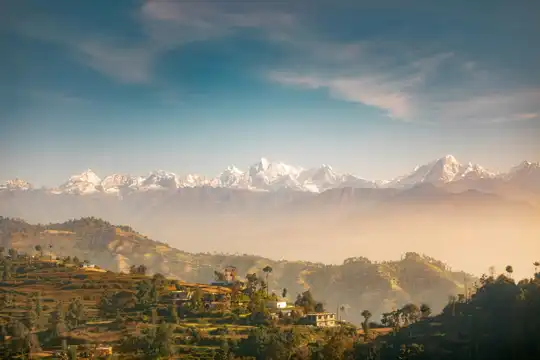
Ten years ago Namche Bazaar felt like a smoky amphitheater of stone, yaks, and wool hats; now you walk in past gear shops glowing with LED signs and espresso machines hissing in the thin air. It’s still clinging to a steep bowl at around 3,400 m in the Khumbu region of northeastern Nepal, the main gateway village on the trail between Lukla and Everest Base Camp. For backpackers, Namche is both a necessary acclimatization stop and a strange little mountain hub: part Sherpa market town, part trekking bubble. The payoff is big views of Kongde and, on a clear acclimatization walk, your first real glimpse of Everest from the ridge above town. Evenings are early, with headlamps bobbing between lodges, dal bhat steam in common rooms, and easy conversation over ginger tea; it’s far busier and more commercial than quieter spots like Khumjung or Phakding, but also where you’re most likely to find partners, info, and last‑minute gear before heading higher.

Discover everything you want to know in the 📖 Nepal Travel Guide.


Get your Nepal guide
107 ranked highlights, routes & tips, works offline (404 pages)
Loading the map 🌍
CLICK TO FILTER
cities
towns
villages
landmarks
national parks
hikes
attractions
festivals
regions
SHOW COUNTRY’S BESTSHOW ALL

✨ Why go?
Ranked #1 village in Nepal
Why visitors keep coming back

Namche Bazaar is a backpacker’s haven nestled in the heart of the Khumbu region. This village serves as a crucial stopover for trekkers heading to Everest Base Camp, but its appeal runs deeper than just logistics. The atmosphere is a blend of local character and mountain culture, where you can sip on a cup of butter tea while soaking in the views of towering peaks. The slower pace invites you to linger, making it perfect for solo travelers seeking calm or couples wanting to connect amidst stunning scenery.

The natural surroundings are breathtaking, with trails branching out in every direction, leading to hikes that range from easy strolls to challenging ascents. You’ll find a mix of social energy and quiet corners; the village buzzes with fellow trekkers sharing stories, yet you can easily … read more 👉
Namche Bazaar is a backpacker’s haven nestled in the heart of the Khumbu region. This village serves as a crucial stopover for trekkers heading to Everest Base Camp, but its appeal runs deeper than just logistics. The atmosphere is a blend of local character and mountain culture, where you can sip on a cup of butter tea while soaking in the views of towering peaks. The slower pace invites you to linger, making it perfect for solo travelers seeking calm or couples wanting to connect amidst stunning scenery.

The natural surroundings are breathtaking, with trails branching out in every direction, leading to hikes that range from easy strolls to challenging ascents. You’ll find a mix of social energy and quiet corners; the village buzzes with fellow trekkers sharing stories, yet you can easily escape to a nearby trail for solitude. Most travelers stay a few nights to acclimatize, but those who linger longer often find themselves enchanted by the community vibe and the chance to engage with local life. If you’re a slow traveler or a hiker looking for a meaningful pause, Namche Bazaar is more than just a waypoint; it’s a place to breathe in the beauty of the Himalayas.
Want to include Namche Bazaar in your Nepal route?
Create a personalized Nepal itinerary that includes Namche Bazaar and the places that fit your trip — based on your travel style, budget, and available time. Get your route in seconds.

Generate my trip

💡 HighlightsKey sights and experiences for travelers

  1. Namche Bazaar Market (Main Bazaar) — The real heart of the village: narrow alleys lined with gear shops, tea houses, yak products and fresh produce. It’s where Sherpa traders, guides and trekkers mix — the best place to watch daily life and pick up last-minute kit or fresh bread.
  2. Sagarmatha National Park Visitor Center — Small but stuffed with useful displays on local wildlife, glaciers and conservation. Rangers can answer questions about the ecosystem and current conditions; it gives context to everything you see on the trail.
  3. Sherpa Culture Museum — A compact museum with photographs, traditional clothing, mountaineering memorabilia and oral-history exhibits. It’s one of the clearest, most respectful ways to learn Sherpa history and how climbing changed the region.
  4. Khumbu Climbing Center
read more 👉
  1. Namche Bazaar Market (Main Bazaar) — The real heart of the village: narrow alleys lined with gear shops, tea houses, yak products and fresh produce. It’s where Sherpa traders, guides and trekkers mix — the best place to watch daily life and pick up last-minute kit or fresh bread.
  2. Sagarmatha National Park Visitor Center — Small but stuffed with useful displays on local wildlife, glaciers and conservation. Rangers can answer questions about the ecosystem and current conditions; it gives context to everything you see on the trail.
  3. Sherpa Culture Museum — A compact museum with photographs, traditional clothing, mountaineering memorabilia and oral-history exhibits. It’s one of the clearest, most respectful ways to learn Sherpa history and how climbing changed the region.
  4. Khumbu Climbing Center (KCC) — A community-run training and climbing wall where local kids learn skills and safety; you can often watch classes or chat with instructors. It’s a neat, hands-on glimpse into how mountaineering knowledge gets passed on in the Khumbu.
  5. Namche Viewpoint / Everest Lookout — A short, steep walk from the bazaar leads to sweeping views of Everest, Lhotse and Ama Dablam. Sunrise or late-afternoon light makes the peaks pop — worth the extra puffing-up-the-hill.
  6. Everest View Hotel (viewpoint hotel) — Historic, touristy and undeniably photogenic: the terrace offers one of the easiest, most comfortable panoramas of Everest and the surrounding giants. Even if you don’t stay, the coffee and views are worth the visit.
  7. Namche Gompa and the big chorten/prayer wheels — The small local monastery and surrounding chortens/prayer wheels are active spiritual spots where you can observe daily rituals and local devotion. It’s an honest cultural moment right inside the bazaar.
  8. Local tea-houses, bakeries and cafés — Places like the village bakeries and cosy tea-houses serve fresh bread, yak butter tea and offer warm conversation. They’re low-key cultural hubs where you meet Sherpas, guides and other trekkers and taste the local rhythm.
  9. Handicraft shops and photo galleries — Family-run shops selling yak-wool goods, handcrafts and expedition photography offer insight into local craft traditions and the mountaineering economy. Buying something small directly supports local makers.
  10. Community health post and local school (respectful visits) — The community clinic/health post and school show how education and healthcare are organized for people living at altitude. Visits should be polite and brief, but they’re meaningful for understanding village life and development.
A few easy day trips from Namche: Khumjung village and Khumjung Monastery (the famous local monastery with its stories), Khunde/Kunde area and hospital, the Syangboche viewpoint/airstrip, and — if you’re willing to walk longer — Tengboche Monastery; my personal favorite is Khumjung Monastery for its living community feel and quirky Yeti lore.
Spotted a mistake or missing something? Contact us.

Things to do around Namche Bazaar

Ratings based on Tripadvisor reviews. When you book through this link, you support our work at no extra cost to you.

🌤️ When to go?Choosing the right time of year


  • Weather: The best windows are pre-monsoon (March to May) and post-monsoon (late September to November). Spring offers blooming rhododendrons and clearer skies, while autumn delivers crisp air and panoramic mountain views. Avoid the monsoon months (June to August) when trails turn muddy and visibility drops.

  • Temperature: Daytime temps in spring and autumn hover around 10-15°C (50-59°F), perfect for trekking without overheating or freezing. Nights can dip below freezing, especially above 3,400m, so pack layers. Winter is colder but quieter, with daytime highs near 5°C (41°F) and nights plunging well below zero.

  • Daylight Hours: Spring and autumn provide roughly 10-12 hours of daylight, enough to start early and finish hikes comfortably before dusk. Winter days shorten, limiting trekking
read more 👉

  • Weather: The best windows are pre-monsoon (March to May) and post-monsoon (late September to November). Spring offers blooming rhododendrons and clearer skies, while autumn delivers crisp air and panoramic mountain views. Avoid the monsoon months (June to August) when trails turn muddy and visibility drops.

  • Temperature: Daytime temps in spring and autumn hover around 10-15°C (50-59°F), perfect for trekking without overheating or freezing. Nights can dip below freezing, especially above 3,400m, so pack layers. Winter is colder but quieter, with daytime highs near 5°C (41°F) and nights plunging well below zero.

  • Daylight Hours: Spring and autumn provide roughly 10-12 hours of daylight, enough to start early and finish hikes comfortably before dusk. Winter days shorten, limiting trekking time and increasing risk if you’re slow or delayed.

  • Crowds: Peak trekking seasons (spring and autumn) bring a steady flow of trekkers, which means lively lodges but also busier trails. Off-season months offer solitude but fewer open teahouses and less infrastructure.

  • Seasonal Activities: Spring is rhododendron bloom time, painting the hills red and pink. Autumn is festival season, with vibrant Sherpa celebrations like Dumji, adding cultural depth to your trek.

  • Price Fluctuations: Expect higher prices for accommodation and permits during peak seasons due to demand. Off-season rates drop, but some services may close or reduce availability.


Pro-tip: Aim for late September to early November to catch the best balance of clear skies, manageable crowds, and lively local culture—your camera and lungs will thank you.


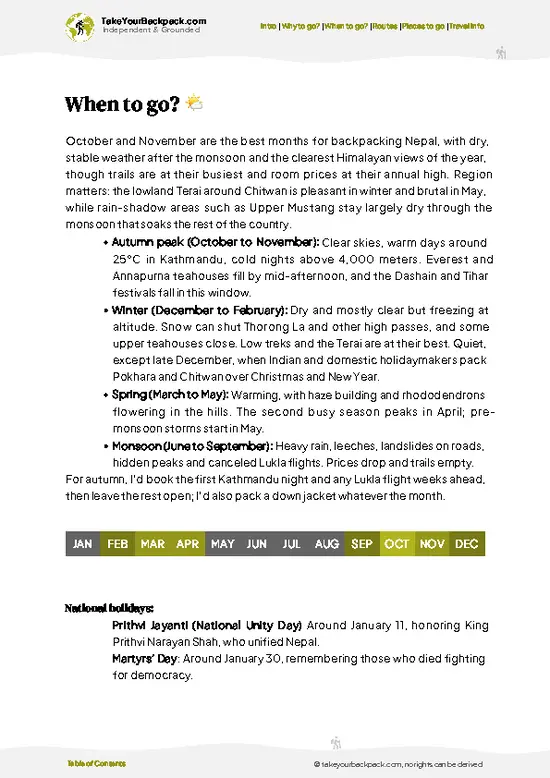
source: climatestotravel.comJANJanuary: fair for travelingFEBFebruary: good for travelingMARMarch: highly recommended for travelingAPRApril: excellent for travelingMAYMay: excellent for travelingJUNJune: below average for travelingJULJuly: below average for travelingAUGAugust: below average for travelingSEPSeptember: highly recommended for travelingOCTOctober: excellent for travelingNOVNovember: excellent for travelingDECDecember: fair for traveling
nepal-city-namche-bazaar
© Google |

✈️ The backpacker research shortcutNepal Travel Guide

An offline-friendly backpacking guide with optimized travel routes, ranked highlights, transport advice, and the best areas to stay.
example page 0 from our offline Travel Guide for Nepal
example page 1 from our offline Travel Guide for Nepal
example page 2 from our offline Travel Guide for Nepal
example page 3 from our offline Travel Guide for Nepal
example page 4 from our offline Travel Guide for Nepal
example page 5 from our offline Travel Guide for Nepal
example page 6 from our offline Travel Guide for Nepal
example page 7 from our offline Travel Guide for Nepal
The digital guide (404 pages) contains:
107 highlights, ranked by travel appeal
Optimized 5, 10 & 15-day travel routes
Cities, national parks, landmarks, beaches
How to get around
Offline-friendly for travel without Wi-Fi
👉 Click to see all 30+ guide features

📅 Plan smarter in minutes, not weeks
Month by month travel advice
Festivals & national holidays
Budget expectations

🗺️ Go to the right places, skip the overrated ones
Honest pros & cons of destinations
Top hikes, parks & viewpoints
Lesser-known places most travelers miss
Clear “worth it vs skip it” guidance

🛏️ Travel smoothly without rookie mistakes
Best areas to stay
Transport systems explained simply
Common scams & safety advice
SIM cards, money & practical tips

🌍 Understand the country, not just visit it
Culture & traditions
52 Essential phrases & customs
Festivals worth planning around
Traveler-friendly historical context
Insights that make places more meaningful

📱 Built for real travel conditions
Fully downloadable PDF
Works completely offline
Optimized for phone use
Useful in remote areas & buses
Everything in one place
Save weeks of stressful planning
Get instant access to your full guide. 30‑day money-back guarantee.


By proceeding you agree to our terms.
Sent to your inbox immediately after payment • 100% Secure Checkout
Best Backpacking Travel Advisor 2025 tourism awardBest Backpacking
Travel Advisor
2025
What others say about Take Your Backpack Guides:
⭐⭐⭐⭐⭐
Fantastic, amazing amount of information!
⭐⭐⭐⭐⭐
My goodness this is amazing, it's what I've been looking for hats off too you!
⭐⭐⭐⭐⭐
I think this is absolutely BRILLIANT
⭐⭐⭐⭐
Very complete and informative. It's still missing places, but I gotta to commend you
⭐⭐⭐⭐⭐
This is truly amazing, thank you, can't wait to explore it with my kids!
⭐⭐⭐⭐⭐
Awesome resource, thank you!
⭐⭐⭐⭐⭐
This is amazing! Can't wait to explore the ones I haven't seen
⭐⭐⭐⭐
I love this! Well done, great idea.
⭐⭐⭐⭐⭐
Thanks for taking the time to make this gem!
⭐⭐⭐⭐⭐
This might be the best website I've ever seen.
⭐⭐⭐⭐⭐
Congratulations, and thank you so much for your work; it's incredibly valuable.
⭐⭐⭐⭐
In all seriousness I think you did a great job pointing out the important spots
⭐⭐⭐⭐⭐
10/10 very good
⭐⭐⭐⭐⭐
As someone who's only just starting to visit regularly this is awesome, thank you.
⭐⭐⭐⭐
Thank you very much! I'm going to visit my dad, it's going to be very useful!
⭐⭐⭐⭐⭐
This is really cool! We'll be travelling for the first time and this definitely come in handy.
⭐⭐⭐⭐⭐
You are now our minister of culture, congratulations 👨‍💼
⭐⭐⭐⭐⭐
Just wanted to tell you that this is a pearl! Going to follow your recommendations.
⭐⭐⭐⭐⭐
This is so cool. I'll definitely be using the resource for my travels soon.
⭐⭐⭐⭐⭐
This is very impressive! Good work.
⭐⭐⭐⭐⭐
This is an amazing and informative site. Very well done!

🛏️ Where to stay?How to pick the right area

In ’Namche Bazaar, the air is thin and crisp, carrying the faint scent of yak butter lamps and pine smoke. This village is the gateway to Everest, and where you stay shapes your acclimatization and your vibe. For backpackers, the best spots aren’t just about a bed—they’re about rhythm and recovery.

Start with the classic lodges along the main street—places like the Yeti Mountain Home or the Everest View Hotel. They’re not just names; they’re hubs where trekkers swap stories over steaming cups of salty tea. These lodges have sturdy beds, hot showers (a luxury at this altitude), and balconies that … read more 👉
In ’Namche Bazaar, the air is thin and crisp, carrying the faint scent of yak butter lamps and pine smoke. This village is the gateway to Everest, and where you stay shapes your acclimatization and your vibe. For backpackers, the best spots aren’t just about a bed—they’re about rhythm and recovery.

Start with the classic lodges along the main street—places like the Yeti Mountain Home or the Everest View Hotel. They’re not just names; they’re hubs where trekkers swap stories over steaming cups of salty tea. These lodges have sturdy beds, hot showers (a luxury at this altitude), and balconies that frame the Himalayas like a living postcard. Staying here means you’re in the heart of ’Namche’s pulse, close to shops and the bustling market where fresh fruit and local snacks keep your energy up.

If you want a quieter corner, head uphill to lodges like the Snowland or the Hotel Namche. They offer a bit more space and a slower pace, perfect for catching your breath and letting your lungs adjust. The light here softens in the late afternoon, and the village’s hum fades to a peaceful murmur.

Booking ahead isn’t always necessary, but in peak season, it’s a smart move. The best lodges fill fast because they balance comfort with the rugged charm that makes ’Namche feel like a home base, not just a pit stop. Choose your spot wisely—your body and your spirit will thank you on the trail ahead.

🚌 Day tripsBest day trips from Namche Bazaar

Namche Bazaar is the perfect launchpad for exploring the stunning Khumbu region. With its vibrant atmosphere and breathtaking views, you can easily access some of the most rewarding day trips without the hassle of overnight gear. Here are a few standout options.

Everest View Hotel Trek
This trek is a must for those who want a taste of Everest without the heavy lifting. Just a 2-3 hour hike from Namche, you’ll ascend to a viewpoint that offers a jaw-dropping panorama of Everest and its neighboring peaks. The trail winds through lush forests, and the scent of pine fills the air. Expect to spend around $5 for lunch at the Everest View Hotel, where you can soak in the views while sipping tea. The best time to go is during the spring or autumn when the skies are clear. A common mistake? Underestimating … read more 👉
Namche Bazaar is the perfect launchpad for exploring the stunning Khumbu region. With its vibrant atmosphere and breathtaking views, you can easily access some of the most rewarding day trips without the hassle of overnight gear. Here are a few standout options.

Everest View Hotel Trek
This trek is a must for those who want a taste of Everest without the heavy lifting. Just a 2-3 hour hike from Namche, you’ll ascend to a viewpoint that offers a jaw-dropping panorama of Everest and its neighboring peaks. The trail winds through lush forests, and the scent of pine fills the air. Expect to spend around $5 for lunch at the Everest View Hotel, where you can soak in the views while sipping tea. The best time to go is during the spring or autumn when the skies are clear. A common mistake? Underestimating the altitude; take it slow and enjoy the journey. 👉 Explore Namche Bazaar

Tengboche Monastery
About a 5-6 hour round trip, this trek leads you to the serene Tengboche Monastery, perched on a hill with views that will make your heart race. The trail is a mix of gentle slopes and steep sections, with the sound of distant prayer flags fluttering in the wind. The monastery itself is a spiritual hub, and you can often catch a glimpse of the monks in prayer. Budget around $10 for snacks and drinks along the way. Late spring and early autumn are ideal for this trek, but be mindful of the crowds during peak trekking seasons. Many first-timers rush through; take your time to absorb the atmosphere. 👉 Explore Namche Bazaar

Khunde and Khumjung Villages
This is a fantastic half-day trip, just 3-4 hours round trip. The villages are rich in Sherpa culture and offer a glimpse into local life. The trail is relatively easy, with stunning views of Ama Dablam and the surrounding peaks. You can visit the Khumjung Monastery, which houses a yeti scalp (or so they say). Expect to spend around $5 on snacks or a meal in Khumjung. The best time to visit is during the shoulder seasons when the trails are less crowded. A common mistake is not engaging with the locals; their stories will enrich your experience. 👉 Explore Namche Bazaar

Gokyo Lakes (First Lake)
For a taste of the Gokyo Lakes without the commitment, hike to the first lake, which is about a 5-6 hour round trip. The turquoise waters are mesmerizing, and the surrounding peaks create a stunning backdrop. The trail can be challenging, but the payoff is worth every step. Bring a packed lunch, as you’ll want to linger by the lake. Aim for spring or early autumn for the best weather. Many first-timers underestimate the trail’s difficulty; prepare for some steep sections. 👉 Explore Namche Bazaar
Want to know what more Nepal offers?
The Nepal Travel Guide describes 107 highlights, from cities to national parks, from beaches to hikes

Get the Travel Guide -

Other Nepali villages near Namche Bazaar

Explore more nearby:

  • Lukla—mountain airstrip, gateway to Everest, steep hillsides| 14 km away
  • Rara—Alpine lake, remote meadows, pine woodlands| 492 km away

💡 Not sure where to go next?
Create a personalized itinerary for Nepal including Namche Bazaar and the places that fit your trip.

Generate my itinerary

👉 Discover all villages

Or checkout all Nepal has to offer (think cities, towns, villages, national parks, hikes, beaches, festivals)
Country photo of Nepal

We 💚 feedbackSumming up the experience

Namche Bazaar is a vibrant hub where the air buzzes with the scent of yak butter and the chatter of trekkers. The view of the towering peaks is a reward for every uphill step. But be ready for the altitude; it can hit hard. Take your time acclimatizing. Embrace the slow pace. The journey here isn’t just about the destination; it’s about savoring each breath and every moment. Trust me, it’s worth it.

✈️ When did I visit Nepal?
Being a mountain lover, Nepal is one of my favorites. I visited it in November 2006, hiking the full Annapurna circuit as my highlight.

✍️ Help improve this page!
The information on this page is based on my own backpacking experience in Nepal, supplemented with up-to-date research and feedback from other travelers. Travel details can change, so if you notice anything outdated or incomplete, feel free to let me know.


🙋‍♂️ Give feedback

👋 Meet the founderWho’s Behind Take Your Backpack?

Johan, backpacker and founder of TakeYourBackpackHi, I’m Johan (Netherlands 🇳🇱), the creator of TakeYourBackpack. Over the past decade, I’ve backpacked through 80+ countries across six continents, gaining extensive experience with independent travel, long-term trips, and overland routes.

This site is built on a combination of firsthand travel experience and carefully curated insights from other backpackers. Many guides are based on places I’ve personally visited, while others bring together tips, observations, and practical advice shared by trusted travelers I’ve met along the way.

The goal is to provide realistic, experience-driven guidance — not generic itineraries — so you can explore destinations with better context, clearer expectations, and more confidence.

Get full Nepal guide •
Instant download • 107 highlights • Full Offline guide