×

Nepal🇳🇵 | villagesRaraAlpine lake, remote meadows, pine woodlands | things to do and best time to go

Explore LuklaExplore Pashupatinath Temple Complex

Backpacking in Rara
By Johan Kruseman 🇳🇱 | Updated October 15, 2026

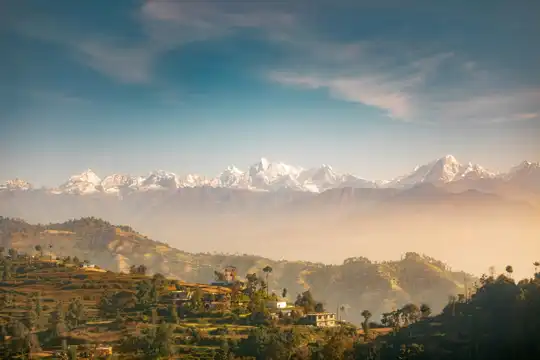
Most people think “Rara” is some ultra-remote, multi-week expedition only hardcore trekkers can touch; in reality, it’s remote but not mythical, and the payoff is a calm, high-altitude lake scene that feels like Nepal with the volume turned down. Rara sits in Mugu District of Karnali Province, far northwest Nepal, and the “town” you use as a base is really a loose cluster of lodges and village houses around the approach to Rara Lake, not a classic backpacker hub. You come here for the lake, pine forests, and slow walks, not nightlife or café culture. Access is the main tax: usually a flight to Nepalgunj, then Jumla or Talcha, plus bumpy roads and some hiking. Once you’re in, it’s walkable, quiet, and simple, with basic teahouses, modest costs, and very few other foreigners compared with Pokhara or Langtang, which makes it feel more like a retreat than a stopover.

Discover everything you want to know in the 📖 Nepal Travel Guide.


example page 0 from our offline Travel Guide for Nepal
example page 1 from our offline Travel Guide for Nepal
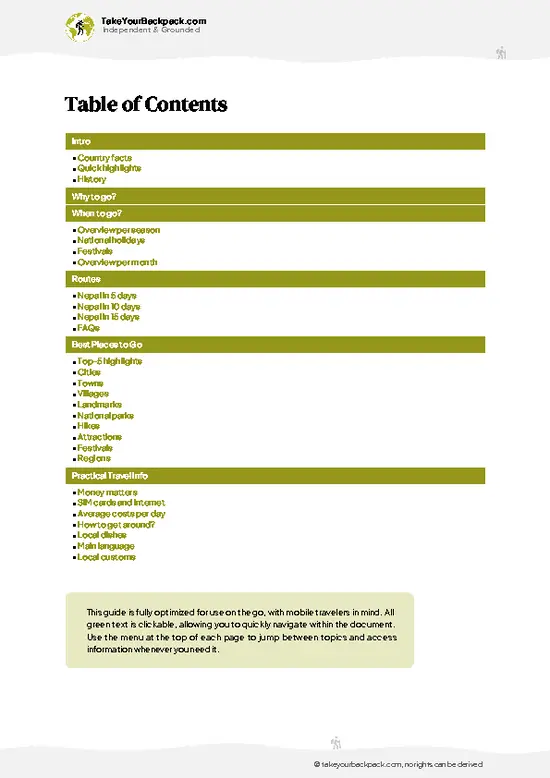
example page 2 from our offline Travel Guide for Nepal
example page 3 from our offline Travel Guide for Nepal
example page 4 from our offline Travel Guide for Nepal
example page 5 from our offline Travel Guide for Nepal
example page 6 from our offline Travel Guide for Nepal
example page 7 from our offline Travel Guide for Nepal
Loading the map 🌍
CLICK TO FILTER
cities
towns
villages
landmarks
national parks
hikes
attractions
festivals
regions
SHOW COUNTRY’S BESTSHOW ALL

✨ Why go?
Ranked #99 village in Nepal
What makes it a must-see village

Backpackers flock to Rara for its role as a gateway to some of Nepal’s most stunning hikes and cultural experiences. The town’s walkable streets make it easy to explore local shops and eateries, where you can savor authentic Nepali dishes like dal bhat or momos. Small-scale guesthouses offer a cozy atmosphere, perfect for solo travelers or small groups looking to connect.

While some pass through quickly, many linger for a few days to soak in the tranquil vibe and prepare for treks to Rara Lake or the surrounding hills. The friendly locals and fellow travelers create a welcoming social scene, ideal for those who appreciate a slower pace. Rara isn’t about nightlife; it’s about nature and community. If you’re a hiker or a cultural enthusiast, this town is a perfect fit. Just remember, the real … read more 👉
Backpackers flock to Rara for its role as a gateway to some of Nepal’s most stunning hikes and cultural experiences. The town’s walkable streets make it easy to explore local shops and eateries, where you can savor authentic Nepali dishes like dal bhat or momos. Small-scale guesthouses offer a cozy atmosphere, perfect for solo travelers or small groups looking to connect.

While some pass through quickly, many linger for a few days to soak in the tranquil vibe and prepare for treks to Rara Lake or the surrounding hills. The friendly locals and fellow travelers create a welcoming social scene, ideal for those who appreciate a slower pace. Rara isn’t about nightlife; it’s about nature and community. If you’re a hiker or a cultural enthusiast, this town is a perfect fit. Just remember, the real beauty lies in the journey, not just the destination.

💡 HighlightsThe experiences that define the visit

  • Rara Lake (Mahendra Tal) — The obvious one: a huge, crystal-clear alpine lake that defines the place. Walking the shoreline at sunrise or sunset is an experience you can’t fake — reflections, yak bells and a real feeling of being somewhere remote.
  • Rara National Park Visitor Centre / Park HQ (Talcha) — Small but informative: pick up maps, speak with the rangers, learn about local conservation and the alpine wildlife before you head out. It’s the best place to get practical, up-to-date info from people who actually live and work here.
  • Talcha / Rara Bazaar (lakeside settlement) — The cluster of guesthouses, tea shops and the tiny market where villagers trade apples, dried meat and stories. Great for people-watching, chatting with hosts and seeing daily life up close.
  • Talcha Airstrip (small
… read more 👉
  • Rara Lake (Mahendra Tal) — The obvious one: a huge, crystal-clear alpine lake that defines the place. Walking the shoreline at sunrise or sunset is an experience you can’t fake — reflections, yak bells and a real feeling of being somewhere remote.
  • Rara National Park Visitor Centre / Park HQ (Talcha) — Small but informative: pick up maps, speak with the rangers, learn about local conservation and the alpine wildlife before you head out. It’s the best place to get practical, up-to-date info from people who actually live and work here.
  • Talcha / Rara Bazaar (lakeside settlement) — The cluster of guesthouses, tea shops and the tiny market where villagers trade apples, dried meat and stories. Great for people-watching, chatting with hosts and seeing daily life up close.
  • Talcha Airstrip (small STOL runway) — Not glamorous, but unique: watching a short takeoff or landing at this high, narrow runway is memorable and gives you a real sense of how remote the place is. Flights also mark arrivals/departures of supplies and visitors.
  • Upper View Ridge (short lakeside hill hike) — A quick, steep walk from the village to a grassy ridge that gives one of the best birds-eye views of Rara Lake. Minimal effort for a huge payoff in photo angles and perspective.
  • Lakeshore meadows and picnic beaches — Flat, grassy spots along the water where locals picnic, shepherds graze flocks and campers set up for the night. Perfect for lazing, swimming in summer or watching waterfowl.
  • Village Gompa and Chortens (local shrine) — The small monastery/chorten cluster you’ll find in or right beside the settlement is a good place to observe local devotional life: prayer wheels, flags, and short rituals done by residents.
  • Traditional stone houses and apple terraces — Walk the lanes and you’ll see old stone-built homes, drying racks of chilies and seasonal apple orchards. Visiting these plots and talking to growers is the easiest way to understand local food culture.
  • Community school and health post — Small, plain and real: seeing the school in session or the health post at work gives context to village life and is often welcomed by locals if you ask to visit respectfully.
  • Short local trails and shepherd routes — A tangle of footpaths radiates from the village into alpine meadows and grazing grounds. These are genuine working trails (meet shepherds, learn about yak and sheep management) and make for easy half-day walks without needing a guide.
A few good day trips just outside the village: the full circuit walk around Rara Lake (long but doable in a day), the higher alpine ridges inside Rara National Park for panoramas and wildflowers, and short hikes to nearby shepherd settlements — my personal favorite is the full lakeshore circuit at sunrise because it compresses scenery, wildlife and village life into one long, lovely walk.
Spotted a mistake or missing something? Contact us.

🌤️ When to go?Choosing the right time of year

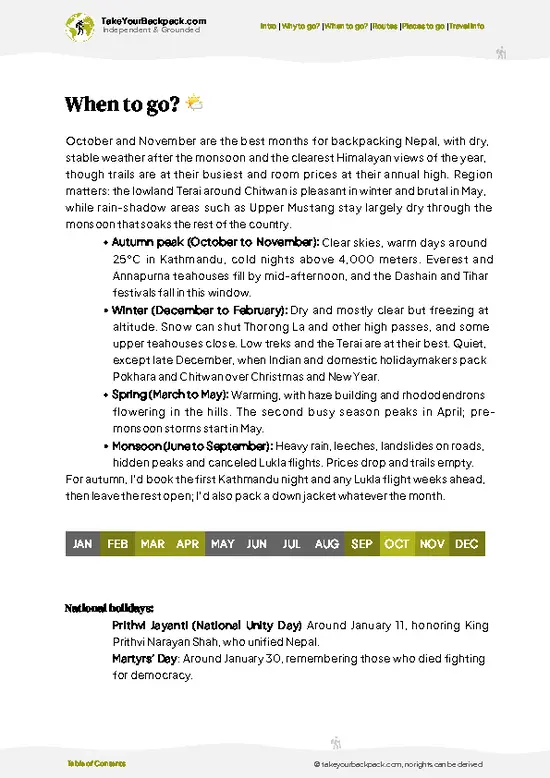
  • Weather: The best window is late September to early November. The monsoon has just retreated, leaving the air crisp and the trails clear. Expect daytime highs around 15-20°C (59-68°F), perfect for trekking without overheating or freezing.
  • Temperature: Nights can dip to near freezing, especially above 3,000 meters, so pack layers. The contrast between warm sunlit afternoons and chilly evenings sharpens the senses and rewards your effort with clear mountain views.
  • Daylight Hours: Around this time, you get roughly 10-12 hours of daylight. Enough to start early, savor long hikes, and still have time to relax in the village’s quiet evenings.
  • Crowds: Post-monsoon is popular but not overcrowded. You’ll meet fellow trekkers without feeling like you’re in a queue, which keeps the experience authentic
… read more 👉
  • Weather: The best window is late September to early November. The monsoon has just retreated, leaving the air crisp and the trails clear. Expect daytime highs around 15-20°C (59-68°F), perfect for trekking without overheating or freezing.
  • Temperature: Nights can dip to near freezing, especially above 3,000 meters, so pack layers. The contrast between warm sunlit afternoons and chilly evenings sharpens the senses and rewards your effort with clear mountain views.
  • Daylight Hours: Around this time, you get roughly 10-12 hours of daylight. Enough to start early, savor long hikes, and still have time to relax in the village’s quiet evenings.
  • Crowds: Post-monsoon is popular but not overcrowded. You’ll meet fellow trekkers without feeling like you’re in a queue, which keeps the experience authentic and the trails peaceful.
  • Seasonal Activities: This period aligns with local festivals and harvest time, adding cultural texture to your trek. The scent of wood fires and fresh crops fills the air, grounding you in the rhythm of rural Nepal.
  • Price Fluctuations: Prices peak slightly post-monsoon but remain reasonable compared to spring. Booking lodges and guides in advance can secure better rates and ensure availability.
Pro-tip: Arrive just as the monsoon fades—your lungs will fill with fresh mountain air, and the landscape will reward your patience with crystal-clear panoramas that make every uphill step worth it.


source: climatestotravel.comJANJanuary: fair for travelingFEBFebruary: fair for travelingMARMarch: good for travelingAPRApril: good for travelingMAYMay: fair for travelingJUNJune: below average for travelingJULJuly: below average for travelingAUGAugust: below average for travelingSEPSeptember: highly recommended for travelingOCTOctober: excellent for travelingNOVNovember: highly recommended for travelingDECDecember: fair for traveling
when-to-go

✈️ The backpacker research shortcutNepal Travel Guide

An offline-friendly backpacking guide with optimized travel routes, ranked highlights, transport advice, and the best areas to stay.
example page 0 from our offline Travel Guide for Nepal
example page 1 from our offline Travel Guide for Nepal
example page 2 from our offline Travel Guide for Nepal
example page 3 from our offline Travel Guide for Nepal
example page 4 from our offline Travel Guide for Nepal
example page 5 from our offline Travel Guide for Nepal
example page 6 from our offline Travel Guide for Nepal
example page 7 from our offline Travel Guide for Nepal
The digital guide (337 pages) contains:
✅ 90 highlights, ranked by travel appeal
✅ Optimized 5, 10 & 15-day travel routes
✅ Cities, national parks, landmarks, beaches
✅ How to get around
✅ Offline-friendly for travel without Wi-Fi
👉 Click to see all 30+ guide features

📅 Plan smarter in minutes, not weeks
✅ Month by month travel advice
✅ Festivals & national holidays
✅ Budget expectations

🗺️ Go to the right places, skip the overrated ones
✅ Honest pros & cons of destinations
✅ Top hikes, parks & viewpoints
✅ Lesser-known places most travelers miss
✅ Clear “worth it vs skip it” guidance

🛏️ Travel smoothly without rookie mistakes
✅ Best areas to stay
✅ Transport systems explained simply
✅ Common scams & safety advice
✅ SIM cards, money & practical tips

🌍 Understand the country, not just visit it
✅ Culture & traditions
✅ 52 Essential phrases & customs
✅ Festivals worth planning around
✅ Traveler-friendly historical context
✅ Insights that make places more meaningful

📱 Built for real travel conditions
✅ Fully downloadable PDF
✅ Works completely offline
✅ Optimized for phone use
✅ Useful in remote areas & buses
✅ Everything in one place
Stop searching, start planning
Get instant access to your full guide. 30‑day money-back guarantee.
+ Add another guide for just

By proceeding you agree to our terms.
Sent to your inbox immediately after payment • 100% Secure Checkout
Best Backpacking Travel Advisor 2025 tourism awardBest Backpacking
Travel Advisor
2025
What others say about Take Your Backpack Guides:
⭐⭐⭐⭐⭐
Fantastic, amazing amount of information!
⭐⭐⭐⭐⭐
My goodness this is amazing, it's what I've been looking for hats off too you!
⭐⭐⭐⭐⭐
I think this is absolutely BRILLIANT
⭐⭐⭐⭐
Very complete and informative. It's still missing places, but I gotta to commend you
⭐⭐⭐⭐⭐
This is truly amazing, thank you, can't wait to explore it with my kids!
⭐⭐⭐⭐⭐
Awesome resource, thank you!
⭐⭐⭐⭐⭐
This is amazing! Can't wait to explore the ones I haven't seen
⭐⭐⭐⭐
I love this! Well done, great idea.
⭐⭐⭐⭐⭐
Thanks for taking the time to make this gem!
⭐⭐⭐⭐⭐
This might be the best website I've ever seen.
⭐⭐⭐⭐⭐
Congratulations, and thank you so much for your work; it's incredibly valuable.
⭐⭐⭐⭐
In all seriousness I think you did a great job pointing out the important spots
⭐⭐⭐⭐⭐
10/10 very good
⭐⭐⭐⭐⭐
As someone who's only just starting to visit regularly this is awesome, thank you.
⭐⭐⭐⭐
Thank you very much! I'm going to visit my dad, it's going to be very useful!
⭐⭐⭐⭐⭐
This is really cool! We'll be travelling for the first time and this definitely come in handy.
⭐⭐⭐⭐⭐
You are now our minister of culture, congratulations 👨‍💼
⭐⭐⭐⭐⭐
Just wanted to tell you that this is a pearl! Going to follow your recommendations.
⭐⭐⭐⭐⭐
This is so cool. I'll definitely be using the resource for my travels soon.
⭐⭐⭐⭐⭐
This is very impressive! Good work.
⭐⭐⭐⭐⭐
This is an amazing and informative site. Very well done!

🛏️ Where to stay?Best areas and accommodation options

In Rara, Nepal, the best spot for backpackers is the area around Rara Lake’s eastern shore, particularly near the small village of Talcha. This neighborhood feels like the heartbeat of the region for travelers—safe, welcoming, and buzzing just enough without losing the quiet charm of the mountains. The air here carries the crisp scent of pine and fresh water, a constant reminder of the lake’s presence.

Why this area? It’s where you’ll find the most budget-friendly guesthouses and hostels, often run by locals who know the trails and the best hidden viewpoints. Staying here means easy access to … read more 👉
In Rara, Nepal, the best spot for backpackers is the area around Rara Lake’s eastern shore, particularly near the small village of Talcha. This neighborhood feels like the heartbeat of the region for travelers—safe, welcoming, and buzzing just enough without losing the quiet charm of the mountains. The air here carries the crisp scent of pine and fresh water, a constant reminder of the lake’s presence.

Why this area? It’s where you’ll find the most budget-friendly guesthouses and hostels, often run by locals who know the trails and the best hidden viewpoints. Staying here means easy access to the lake’s edge at dawn, when the light softens and the water mirrors the sky like glass. It’s also where solo travelers naturally gather, swapping stories over simple meals and steaming cups of Nepali tea.

Compared to the more remote western shore or scattered settlements farther from the lake, this eastern cluster offers a smoother rhythm. You’re close enough to the action to feel connected but far enough to avoid crowds. It’s the kind of place where the simplicity of the setting makes every moment feel earned, not handed to you.

🚌 Day tripsEasy escapes and nearby places

Rara, Nepal, is a backpacker’s dream base, offering access to stunning landscapes and rich culture without the hassle of overnight stays. Here are some day trips that truly capture the essence of this region.

Rara Lake Trek
This trek is a must-do, leading you through lush forests and past charming villages. The lake itself is a deep blue, surrounded by snow-capped peaks that reflect in its still waters. It takes about 4-5 hours to reach the lake from Rara, and you’ll want to pack a lunch to enjoy by the shore. Expect to spend around $10 on transportation and snacks. The best time to go is during the spring or early autumn when the weather is mild and the trails are clear. A common mistake is underestimating the trek’s difficulty; wear good shoes and bring plenty of water.


Chandannath … read more 👉
Rara, Nepal, is a backpacker’s dream base, offering access to stunning landscapes and rich culture without the hassle of overnight stays. Here are some day trips that truly capture the essence of this region.

Rara Lake Trek
This trek is a must-do, leading you through lush forests and past charming villages. The lake itself is a deep blue, surrounded by snow-capped peaks that reflect in its still waters. It takes about 4-5 hours to reach the lake from Rara, and you’ll want to pack a lunch to enjoy by the shore. Expect to spend around $10 on transportation and snacks. The best time to go is during the spring or early autumn when the weather is mild and the trails are clear. A common mistake is underestimating the trek’s difficulty; wear good shoes and bring plenty of water.


Chandannath Temple
A visit to this sacred site offers a glimpse into local spirituality and culture. The temple is about a 2-hour drive from Rara, followed by a short hike. The atmosphere is serene, filled with the scent of incense and the sound of chanting. Budget around $5 for transport and a small donation at the temple. Early morning is the best time to visit, as the light filtering through the trees creates a magical ambiance. First-timers often overlook the cultural significance; take time to chat with locals for deeper insights.


Thulibheri River Rafting
For the thrill-seekers, a day of rafting on the Thulibheri River is exhilarating. The rapids range from class II to IV, making it suitable for both beginners and experienced paddlers. The trip takes about 30 minutes to reach the starting point, and you can expect to pay around $25 for gear and a guide. Late spring is ideal for this adventure, as the water levels are just right. A common mistake is not checking the weather; sudden rain can change conditions quickly.


Local Market Exploration
Spend a day wandering through Rara’s local markets, where the vibrant colors and rich aromas create a sensory feast. You can easily spend a few hours here, soaking in the atmosphere and sampling local delicacies. Costs are minimal—just a few dollars for snacks and small purchases. The best time to visit is early morning when the market is bustling with activity. First-timers often rush through; take your time to chat with vendors and learn about their crafts.

FAQCommon questions from travelers

You get to Rara by flying from Kathmandu or Nepalgunj to Talcha Airport, followed by a 1-2 hour trek to Rara Lake. Flights are limited and weather-dependent, so plan accordingly, especially during the dry season from October to May.
Yes, Rara is worth the trip for its pristine natural beauty and the largest lake in Nepal, surrounded by snow-capped peaks and dense forests. It offers a peaceful trekking experience away from crowded routes, ideal for 3-4 days of exploration.
No, Rara cannot be visited as a day trip due to its remote location and limited transport options. Reaching the lake requires at least a full day of travel from the nearest airport and additional time to explore the area.
⚠️ Things can change over time, so always validate details locally before you go.

Other Nepali villages near Rara

Explore more nearby:

  • Namche Bazaar—amphitheater layout, Sherpa market, altitude acclimatization| 492 km away
  • Lukla—mountain airstrip, gateway to Everest, steep hillsides| 499 km away

💡 Not sure where to go next?
Create a personalized itinerary for Nepal including Rara and the places that fit your trip.

Generate my itinerary

👉 Discover all villages

Or checkout all Nepal has to offer (think cities, towns, villages, national parks, hikes, beaches, festivals)
Country photo of Nepal

We 💚 feedbackFinal thoughts on visiting Rara

Rara is a slice of paradise, where the deep blue lake reflects the towering peaks, and the air is filled with the scent of pine and earth. But getting there isn’t a walk in the park; expect rugged trails and limited transport options. Embrace the challenge, though—it’s part of the journey. The payoff? A serene escape that feels like your own secret world, far from the noise of everyday life.

✈️ When did I visit Nepal?
Being a mountain lover, Nepal is one of my favorites. I visited it in November 2006, hiking the full Annapurna circuit as my highlight.

✍️ Help improve this page!
The information on this page is based on my own backpacking experience in Nepal, supplemented with up-to-date research and feedback from other travelers. Travel details can change, so if you notice anything outdated or incomplete, feel free to let me know.


🙋‍♂️ Give feedback

👋 Meet the founderWho’s Behind Take Your Backpack?

Johan, backpacker and founder of TakeYourBackpackHi, I’m Johan (Netherlands 🇳🇱), the creator of TakeYourBackpack. Over the past 3 decades, I’ve backpacked through 90+ countries across six continents, gaining extensive experience with independent travel, long-term trips, and overland routes.

This site is built on a combination of firsthand travel experience and carefully curated insights from other backpackers. Many guides are based on places I’ve personally visited, while others bring together tips, observations, and practical advice shared by trusted travelers I’ve met along the way.

The goal is to provide realistic, experience-driven guidance — not generic itineraries — so you can explore destinations with better context, clearer expectations, and more confidence.