×

Nepal🇳🇵 | landmarksPashupathinath TempleHindu cremation ghats, golden pagoda, sacred Bagmati river | things to do and best time to go

Explore PanchaseExplore Sundarijal

Backpacking in Pashupathinath Temple
By Johan Kruseman 🇳🇱 | Updated October 15, 2026

Most people realize too late that Pashupatinath is one of the easiest places in Nepal to see real, everyday Hindu ritual up close without a tour or ticketed “experience” — you just walk in, sit down, and the story of life and death plays out in front of you. The temple complex sits on the Bagmati River on the eastern side of Kathmandu, not far from the airport.

For backpackers, this place hits hard. The wow-factor isn’t in pretty architecture; it’s in open-air cremations, chanting, monkeys stealing offerings, and families grieving and gossiping at the same time. It’s cheap to enter, but you’ll feel the soft pressure of “guides,” sadhus asking for photos-for-cash, and souvenir sellers. Crowds can be intense, especially at dusk and on festival days, yet if you climb a bit higher up the hill, the chaos drops away and you suddenly get space, perspective, and some of the most honest photos you’ll take in Nepal.

Discover everything you want to know in the 📖 Nepal Travel Guide.


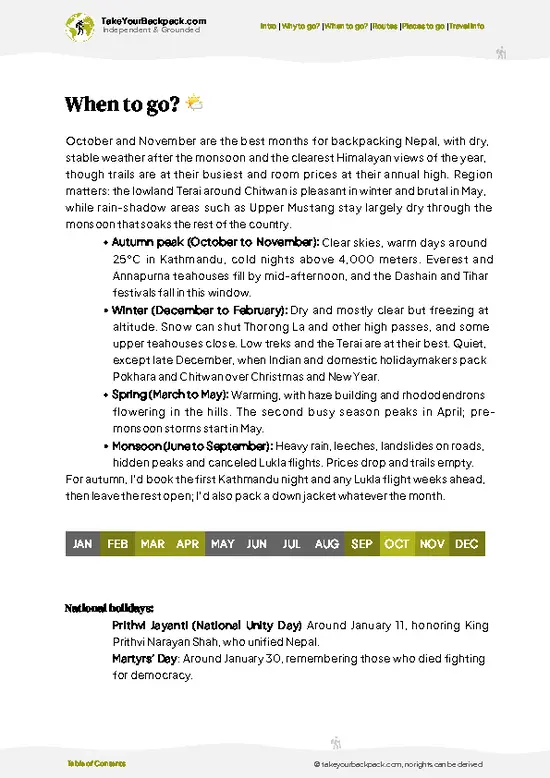
example page 0 from our offline Travel Guide for Nepal
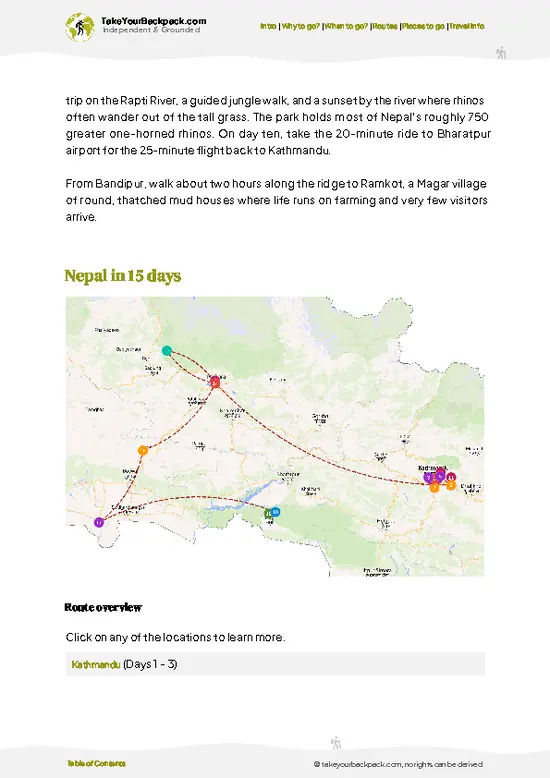
example page 1 from our offline Travel Guide for Nepal
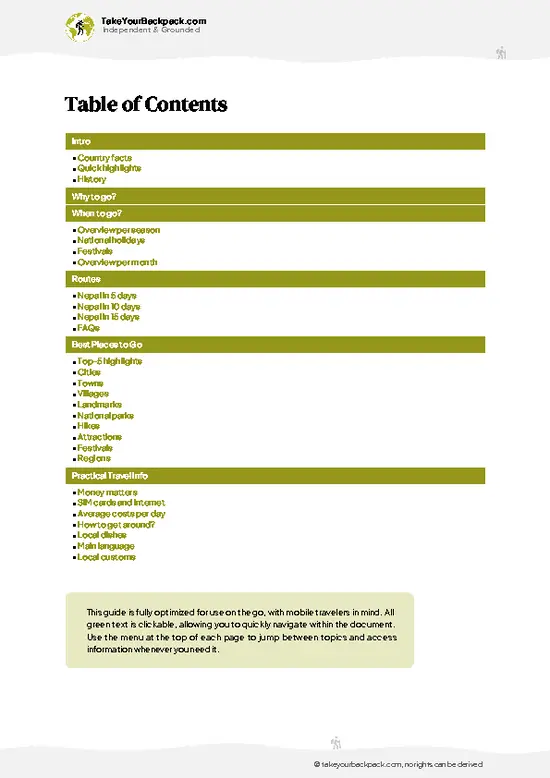
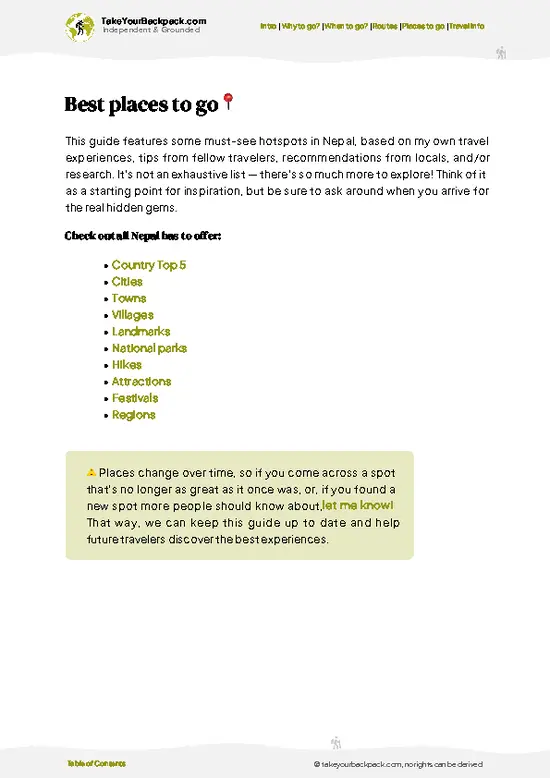
example page 2 from our offline Travel Guide for Nepal
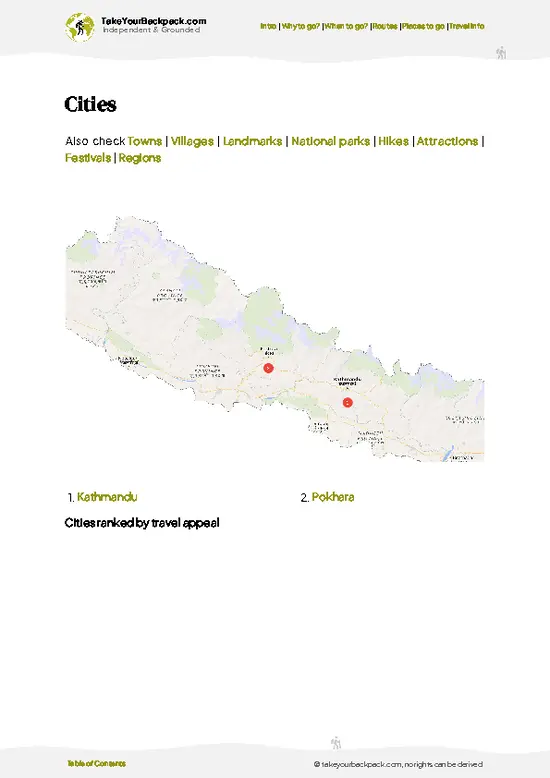
example page 3 from our offline Travel Guide for Nepal
example page 4 from our offline Travel Guide for Nepal
example page 5 from our offline Travel Guide for Nepal
example page 6 from our offline Travel Guide for Nepal
example page 7 from our offline Travel Guide for Nepal
Loading the map 🌍
CLICK TO FILTER
cities
towns
villages
landmarks
national parks
hikes
attractions
festivals
regions
SHOW COUNTRY’S BESTSHOW ALL

✨ Why go?
Ranked #99 unique site in Nepal
What sets this place apart

Pashupatinath Temple isn’t just another stop on your Nepal itinerary; it’s a soul-stirring experience that cuts through the Instagram gloss. Yes, it’s popular, and yes, you’ll dodge crowds, but that’s part of the real magic. This UNESCO World Heritage site is a living testament to Hindu culture, where you can witness rituals that have unfolded for centuries.

The effort-to-reward ratio is solid. Entry is cheap, and the atmosphere is electric. You’ll see sadhus (holy men) draped in vibrant colors, the rhythmic sound of bells, and the Ganges-like Bagmati River flowing nearby. It’s a sensory overload that’s worth every moment.

Pashupatinath fits seamlessly into a broader route. Pair it with a trek to Bhaktapur or a stroll around Boudhanath Stupa. It’s all within a short drive from Kathmandu, … read more 👉
Pashupatinath Temple isn’t just another stop on your Nepal itinerary; it’s a soul-stirring experience that cuts through the Instagram gloss. Yes, it’s popular, and yes, you’ll dodge crowds, but that’s part of the real magic. This UNESCO World Heritage site is a living testament to Hindu culture, where you can witness rituals that have unfolded for centuries.

The effort-to-reward ratio is solid. Entry is cheap, and the atmosphere is electric. You’ll see sadhus (holy men) draped in vibrant colors, the rhythmic sound of bells, and the Ganges-like Bagmati River flowing nearby. It’s a sensory overload that’s worth every moment.

Pashupatinath fits seamlessly into a broader route. Pair it with a trek to Bhaktapur or a stroll around Boudhanath Stupa. It’s all within a short drive from Kathmandu, making it easy to weave into your plans without feeling like a forced detour.

Skip the tourist traps and embrace this authentic slice of Nepal. It’s not just a landmark; it’s a life-changing encounter with a culture that thrives on the edge of the sacred.

💡 HighlightsWhat this place is best known for

  • Main Pashupatinath Pagoda — The iconic gilded-roof temple and its densely carved wooden struts are what most people picture when they think of Pashupatinath. It’s an ancient, continuously active Shiva shrine with layers of history and ritual stacked into one compact, ornate building. (Note: the inner sanctum is restricted to Hindus.)
  • Cremation Ghats on the Bagmati — Open-air cremations right on the riverbank are here, practiced according to centuries-old rites. It’s a powerful, very real encounter with local beliefs about death and rebirth; watch quietly and respectfully—this is a working sacred space, not a show.
  • Evening Aarti on the Ghats — Priests, rows of oil lamps, incense smoke and chanting as dusk falls: the aarti turns the whole riverside into a moving ritual theatre. It’s atmospheric,
… read more 👉
  • Main Pashupatinath Pagoda — The iconic gilded-roof temple and its densely carved wooden struts are what most people picture when they think of Pashupatinath. It’s an ancient, continuously active Shiva shrine with layers of history and ritual stacked into one compact, ornate building. (Note: the inner sanctum is restricted to Hindus.)
  • Cremation Ghats on the Bagmati — Open-air cremations right on the riverbank are here, practiced according to centuries-old rites. It’s a powerful, very real encounter with local beliefs about death and rebirth; watch quietly and respectfully—this is a working sacred space, not a show.
  • Evening Aarti on the Ghats — Priests, rows of oil lamps, incense smoke and chanting as dusk falls: the aarti turns the whole riverside into a moving ritual theatre. It’s atmospheric, accessible to visitors, and my personal favorite for how it captures both solemnity and pageantry.
  • Sadhus, Aghori and Ascetics — You’ll see holy men in vivid robes (and sometimes ash or more extreme practices). They’re integral to the site’s living religious culture; approach with respect, ask before photographing, and don’t be surprised if their presence feels like stepping into another world.
  • Guhyeshwari Shrine (nearby) — This important Shaktipeeth is right beside Pashupatinath and adds a complementary feminine energy to the Shiva centre. It’s smaller but packed with tantric history and local devotion—worth a quiet visit between the larger temples.
  • Newar Architecture and Carved Shrines — Walk the lanes and you’ll find tiny temples, metalwork, stone sculptures and elaborate wooden struts that show off Kathmandu Valley craftsmanship. The details reward slow wandering—look up and close for some beautiful carving work.
  • Bagmati Riverbank Walk, Wildlife and Sunset Views — The river, monkeys, birds and stepped ghats make for good low-cost strolling and photography, especially at sunrise or sunset. It’s a calm counterpoint to the ritual intensity and a cheap way to soak in atmosphere without paying for anything.
Spotted a mistake or missing something? Contact us.

Things to do around Pashupathinath Temple

Ratings based on Tripadvisor reviews. When you book through this link, you support our work at no extra cost to you.

🌤️ When to go?Seasonal considerations and timing

  • Weather: The best time to visit Pashupathinath is during the dry season, from October to March. Expect clear skies and minimal rain, which means less mud and more comfortable exploring. Avoid the monsoon months (June to September) when heavy rains can turn the area slippery and damp.
  • Temperature: In peak season, daytime temps hover around 15-22°C (59-72°F), perfect for wandering without overheating. Winters (December-February) can dip to 2-8°C (36-46°F) at night, so pack layers. Summers get hotter, reaching 25-30°C (77-86°F), which can be sticky and sweaty.
  • Daylight Hours: From October to March, you get roughly 10-11 hours of daylight—enough time to soak in the temple’s rituals and stroll the banks of the Bagmati River without rushing.
  • Crowds: The biggest crowds hit during Maha Shivaratri
… read more 👉
  • Weather: The best time to visit Pashupathinath is during the dry season, from October to March. Expect clear skies and minimal rain, which means less mud and more comfortable exploring. Avoid the monsoon months (June to September) when heavy rains can turn the area slippery and damp.
  • Temperature: In peak season, daytime temps hover around 15-22°C (59-72°F), perfect for wandering without overheating. Winters (December-February) can dip to 2-8°C (36-46°F) at night, so pack layers. Summers get hotter, reaching 25-30°C (77-86°F), which can be sticky and sweaty.
  • Daylight Hours: From October to March, you get roughly 10-11 hours of daylight—enough time to soak in the temple’s rituals and stroll the banks of the Bagmati River without rushing.
  • Crowds: The biggest crowds hit during Maha Shivaratri (February/March), when thousands gather for the festival. It’s a spectacle but expect packed spaces and higher prices. For a quieter, more contemplative visit, avoid festival dates and weekends.
  • Seasonal Activities: Maha Shivaratri is the highlight, with fire ceremonies and all-night vigils. Outside that, daily rituals and cremation ceremonies offer raw, unfiltered cultural insight year-round.
  • Price Fluctuations: Accommodation and transport costs spike during festival season and the dry months when tourists flock in. Budget travelers will find better deals in the shoulder months of April-May and September, but be ready for warmer weather or some rain.
Pro-tip: Visit just after the monsoon, in late September or October, to catch fresh greenery, manageable crowds, and cool, crisp air—this combo brings out the temple’s real soul without the Instagram gloss.


source: climatestotravel.comJANJanuary: excellent for travelingFEBFebruary: highly recommended for travelingMARMarch: highly recommended for travelingAPRApril: good for travelingMAYMay: good for travelingJUNJune: below average for travelingJULJuly: below average for travelingAUGAugust: below average for travelingSEPSeptember: fair for travelingOCTOctober: excellent for travelingNOVNovember: excellent for travelingDECDecember: excellent for traveling
when-to-go

✈️ The backpacker research shortcutNepal Travel Guide

An offline-friendly backpacking guide with optimized travel routes, ranked highlights, transport advice, and the best areas to stay.
example page 0 from our offline Travel Guide for Nepal
example page 1 from our offline Travel Guide for Nepal
example page 2 from our offline Travel Guide for Nepal
example page 3 from our offline Travel Guide for Nepal
example page 4 from our offline Travel Guide for Nepal
example page 5 from our offline Travel Guide for Nepal
example page 6 from our offline Travel Guide for Nepal
example page 7 from our offline Travel Guide for Nepal
The digital guide (337 pages) contains:
✅ 90 highlights, ranked by travel appeal
✅ Optimized 5, 10 & 15-day travel routes
✅ Cities, national parks, landmarks, beaches
✅ How to get around
✅ Offline-friendly for travel without Wi-Fi
👉 Click to see all 30+ guide features

📅 Plan smarter in minutes, not weeks
✅ Month by month travel advice
✅ Festivals & national holidays
✅ Budget expectations

🗺️ Go to the right places, skip the overrated ones
✅ Honest pros & cons of destinations
✅ Top hikes, parks & viewpoints
✅ Lesser-known places most travelers miss
✅ Clear “worth it vs skip it” guidance

🛏️ Travel smoothly without rookie mistakes
✅ Best areas to stay
✅ Transport systems explained simply
✅ Common scams & safety advice
✅ SIM cards, money & practical tips

🌍 Understand the country, not just visit it
✅ Culture & traditions
✅ 52 Essential phrases & customs
✅ Festivals worth planning around
✅ Traveler-friendly historical context
✅ Insights that make places more meaningful

📱 Built for real travel conditions
✅ Fully downloadable PDF
✅ Works completely offline
✅ Optimized for phone use
✅ Useful in remote areas & buses
✅ Everything in one place
Stop searching, start planning
Get instant access to your full guide. 30‑day money-back guarantee.
+ Add another guide for just

By proceeding you agree to our terms.
Sent to your inbox immediately after payment • 100% Secure Checkout
Best Backpacking Travel Advisor 2025 tourism awardBest Backpacking
Travel Advisor
2025
What others say about Take Your Backpack Guides:
⭐⭐⭐⭐⭐
Fantastic, amazing amount of information!
⭐⭐⭐⭐⭐
My goodness this is amazing, it's what I've been looking for hats off too you!
⭐⭐⭐⭐⭐
I think this is absolutely BRILLIANT
⭐⭐⭐⭐
Very complete and informative. It's still missing places, but I gotta to commend you
⭐⭐⭐⭐⭐
This is truly amazing, thank you, can't wait to explore it with my kids!
⭐⭐⭐⭐⭐
Awesome resource, thank you!
⭐⭐⭐⭐⭐
This is amazing! Can't wait to explore the ones I haven't seen
⭐⭐⭐⭐
I love this! Well done, great idea.
⭐⭐⭐⭐⭐
Thanks for taking the time to make this gem!
⭐⭐⭐⭐⭐
This might be the best website I've ever seen.
⭐⭐⭐⭐⭐
Congratulations, and thank you so much for your work; it's incredibly valuable.
⭐⭐⭐⭐
In all seriousness I think you did a great job pointing out the important spots
⭐⭐⭐⭐⭐
10/10 very good
⭐⭐⭐⭐⭐
As someone who's only just starting to visit regularly this is awesome, thank you.
⭐⭐⭐⭐
Thank you very much! I'm going to visit my dad, it's going to be very useful!
⭐⭐⭐⭐⭐
This is really cool! We'll be travelling for the first time and this definitely come in handy.
⭐⭐⭐⭐⭐
You are now our minister of culture, congratulations 👨‍💼
⭐⭐⭐⭐⭐
Just wanted to tell you that this is a pearl! Going to follow your recommendations.
⭐⭐⭐⭐⭐
This is so cool. I'll definitely be using the resource for my travels soon.
⭐⭐⭐⭐⭐
This is very impressive! Good work.
⭐⭐⭐⭐⭐
This is an amazing and informative site. Very well done!

🛏️ Where to stay?Best areas and accommodation options

Staying near Pashupatinath Temple is a balancing act between spirituality and the chaos of Kathmandu. The area around the temple is bustling, filled with pilgrims and tourists, which can feel overwhelming. But don’t let that deter you; there’s a vibrant energy here that’s hard to replicate.

Look for accommodations in the nearby Boudhanath area. It’s a short walk to the temple and offers a more laid-back vibe. You’ll find cozy guesthouses and budget-friendly hostels where solo travelers mingle over chai and share stories. The stupa is a perfect backdrop for quiet reflection after a day of exploring. … read more 👉
Staying near Pashupatinath Temple is a balancing act between spirituality and the chaos of Kathmandu. The area around the temple is bustling, filled with pilgrims and tourists, which can feel overwhelming. But don’t let that deter you; there’s a vibrant energy here that’s hard to replicate.

Look for accommodations in the nearby Boudhanath area. It’s a short walk to the temple and offers a more laid-back vibe. You’ll find cozy guesthouses and budget-friendly hostels where solo travelers mingle over chai and share stories. The stupa is a perfect backdrop for quiet reflection after a day of exploring.

Thamel is another option, though it’s a bit further away. It’s the backpacker hub of Kathmandu, packed with shops, eateries, and nightlife. Expect crowds and noise, but also a sense of camaraderie among travelers. Just be mindful of your belongings; it’s easy to get swept up in the chaos.

Both areas are generally safe, but always trust your instincts. The real magic lies in the connections you make and the experiences you share. Embrace the chaos, and you’ll find the heart of Nepal waiting for you.

👛 Costs (as of 15 October 2026)Travel costs and budget guide for Pashupathinath Temple

Visiting Pashupatinath Temple in Nepal is a profound experience, but it comes with its own set of costs that you should be aware of.
  • Entry Fee: Expect to pay around 1,000 NPR (about $8 USD) for foreign tourists. This fee grants you access to the main temple area, but remember, only Hindus can enter the inner sanctum. If you’re not Hindu, you can still appreciate the architecture and the atmosphere from the surrounding areas.
  • Guided Tours: If you want to dive deeper into the temple’s history and significance, consider hiring a local guide. Prices range from $10 to $30 USD, depending on the length and depth of the tour. A knowledgeable guide can reveal stories and insights that you won’t find in any brochure.
  • Transportation: Getting to Pashupatinath from Kathmandu can cost you between $5 to $15
… read more 👉
Visiting Pashupatinath Temple in Nepal is a profound experience, but it comes with its own set of costs that you should be aware of.
  • Entry Fee: Expect to pay around 1,000 NPR (about $8 USD) for foreign tourists. This fee grants you access to the main temple area, but remember, only Hindus can enter the inner sanctum. If you’re not Hindu, you can still appreciate the architecture and the atmosphere from the surrounding areas.
  • Guided Tours: If you want to dive deeper into the temple’s history and significance, consider hiring a local guide. Prices range from $10 to $30 USD, depending on the length and depth of the tour. A knowledgeable guide can reveal stories and insights that you won’t find in any brochure.
  • Transportation: Getting to Pashupatinath from Kathmandu can cost you between $5 to $15 USD for a taxi or a private car. If you’re feeling adventurous, local buses are available for a fraction of that price, typically under $1 USD, but they can be crowded and less comfortable.
  • Food and Drink: There are several eateries around the temple. A meal can cost anywhere from $2 to $10 USD, depending on whether you opt for street food or a sit-down restaurant. Don’t miss trying local snacks like samosas or chai; they’re a part of the experience.
  • Souvenirs: If you’re looking to take home a piece of the experience, budget around $5 to $20 USD for small trinkets or religious items. Just remember to haggle a bit; it’s part of the fun!

Be prepared for crowds, especially during festivals. The energy is electric, but it can also feel overwhelming. Embrace the chaos; it’s part of the temple’s spirit.


source: welcomenepal.com
⚠️ Prices can change and everyone travels differently, so take this as a rough guide. Hope it helps you plan your adventure!

FAQCommon questions from travelers

Pashupathinath Temple is a Hindu temple dedicated to Lord Shiva, located on the banks of the Bagmati River in Kathmandu, Nepal. It is one of the most significant Shiva temples in the world and a UNESCO World Heritage Site. The temple complex attracts thousands of pilgrims, especially during the Maha Shivaratri festival in February or March.
Visiting Pashupathinath Temple typically requires 1 to 2 hours to explore the main temple, observe rituals, and walk around the surrounding ghats and smaller shrines. If you plan to attend the evening aarti (prayer ceremony), allocate extra time as it lasts about 30 to 45 minutes. Avoid peak festival days if you want a less crowded experience.
You can reach Pashupathinath Temple by taxi or local bus from central Kathmandu; it is about 5 kilometers east of the city center. The temple is accessible via the main road, and taxis usually take 15 to 30 minutes depending on traffic. Public buses run frequently from Ratna Park or other central bus stops to the temple area.
⚠️ Things can change over time, so always validate details locally before you go.

Other Nepali landmarks near Pashupathinath Temple

Explore more nearby:

  • Boudhanath Stupa—massive mandala, Tibetan prayer wheels, rooftop viewpoints| 2 km away
  • Swayambhunath Temple—hilltop stupa, resident monkeys, panoramic city views| 6 km away
  • Sundarijal—waterfalls, forest trails, Shivapuri foothills| 12 km away

💡 Not sure where to go next?
Create a personalized itinerary for Nepal including Pashupathinath Temple and the places that fit your trip.

Generate my itinerary

👉 Discover all landmarks

Or checkout all Nepal has to offer (think cities, towns, villages, national parks, hikes, beaches, festivals)
Country photo of Nepal

We 💚 feedbackFinal thoughts on visiting Pashupathinath Temple

Visiting Pashupatinath Temple is like stepping into a living tapestry of spirituality and culture. The rituals here pulse with life, offering a raw glimpse into Hindu practices that you won’t find in guidebooks. But let’s be real: the crowds can be overwhelming, especially during festivals. If you’re after solitude, you might want to time your visit wisely. Still, the energy and authenticity make it worth the hustle. Embrace the chaos; it’s part of the experience.

✈️ When did I visit Nepal?
Being a mountain lover, Nepal is one of my favorites. I visited it in November 2006, hiking the full Annapurna circuit as my highlight.

✍️ Help improve this page!
The information on this page is based on my own backpacking experience in Nepal, supplemented with up-to-date research and feedback from other travelers. Travel details can change, so if you notice anything outdated or incomplete, feel free to let me know.


🙋‍♂️ Give feedback

👋 Meet the founderWho’s Behind Take Your Backpack?

Johan, backpacker and founder of TakeYourBackpackHi, I’m Johan (Netherlands 🇳🇱), the creator of TakeYourBackpack. Over the past 3 decades, I’ve backpacked through 90+ countries across six continents, gaining extensive experience with independent travel, long-term trips, and overland routes.

This site is built on a combination of firsthand travel experience and carefully curated insights from other backpackers. Many guides are based on places I’ve personally visited, while others bring together tips, observations, and practical advice shared by trusted travelers I’ve met along the way.

The goal is to provide realistic, experience-driven guidance — not generic itineraries — so you can explore destinations with better context, clearer expectations, and more confidence.