×

Nepal🇳🇵 | townsPatanartisan quarters, medieval courtyards, Buddhist stupas | things to do and best time to go

Explore KirtipurExplore Tansen

Backpacking in Patan
🏆 Top picktown ranked #2
By Johan Kruseman 🇳🇱 | Updated September 4, 2026

Ten years ago Patan felt like Kathmandu’s quiet, dusty cousin: half-restored courtyards, sleepy tea stalls, and artisans hammering metal in near silence. Today the old city is sharper and busier, with more cafés, boutique guesthouses, and camera-toting day-trippers threading through the same alleys. Patan sits just south of Kathmandu across the Bagmati, basically part of the wider valley sprawl but with its own brainy, artsy core. For backpackers, it’s a compact hit of Newar architecture and lived-in history: Durbar Square’s palaces and temples, the Patan Museum (genuinely world-class), and side streets full of workshops and rooftop coffee spots. It’s calmer and slightly safer-feeling than Thamel, but nightlife is limited and it can feel a bit “curated.” Costs are similar to Kathmandu, maybe a touch higher around the square. You’ll meet fewer backpackers, more long-term expats and art students. The vibe: thoughtful, craft-focused, slow-burn.

Discover everything you want to know in the 📖 Nepal Travel Guide.


Get your Nepal guide
97 ranked highlights, routes & tips, works offline (362 pages)
Loading the map 🌍
CLICK TO FILTER
cities
towns
villages
landmarks
national parks
hikes
attractions
festivals
regions
SHOW COUNTRY’S BESTSHOW ALL

✨ Why go?
Ranked #2 town in Nepal
What makes it a must-see town

Patan, a city that often flies under the radar, is a strategic stop for backpackers navigating Nepal. It’s not just about the highlights; it’s about how they fit into your journey. The walkability of Patan makes it easy to explore on foot, allowing you to soak in the local vibe without the hassle of transport. You’ll find a range of hostels that cater to budget travelers, offering a social atmosphere and a chance to meet fellow adventurers.

Food is another draw, with local eateries serving up authentic dishes that won’t break the bank. After a day of wandering, the nightlife offers a laid-back scene, perfect for unwinding with new friends. Patan also serves as a basecamp for day trips to nearby attractions, making it a practical choice for those looking to maximize their time.

If you’re … read more 👉
Patan, a city that often flies under the radar, is a strategic stop for backpackers navigating Nepal. It’s not just about the highlights; it’s about how they fit into your journey. The walkability of Patan makes it easy to explore on foot, allowing you to soak in the local vibe without the hassle of transport. You’ll find a range of hostels that cater to budget travelers, offering a social atmosphere and a chance to meet fellow adventurers.

Food is another draw, with local eateries serving up authentic dishes that won’t break the bank. After a day of wandering, the nightlife offers a laid-back scene, perfect for unwinding with new friends. Patan also serves as a basecamp for day trips to nearby attractions, making it a practical choice for those looking to maximize their time.

If you’re on a longer trek through Nepal, Patan can be a refreshing pause. But if you’re short on time, it’s still worth a visit. The city’s blend of culture, convenience, and camaraderie makes it a valuable part of your backpacking route.
Want to include Patan in your Nepal route?
Create a personalized Nepal itinerary that includes Patan and the places that fit your trip — based on your travel style, budget, and available time. Get your route in seconds.

Generate my trip

💡 HighlightsMust-see experiences and standout moments

  • Patan Durbar Square — The heart of Lalitpur: a living palace complex of courtyards, carved woodwork and temples where every alley and window tells Newar history; great for wandering and watching daily life unfold.
  • Patan Museum — Housed in a beautifully restored palace, it’s one of the best small museums in Nepal for Newar art and Buddhist sculptures, with calm courtyards that make the exhibits actually enjoyable (not just a quick walkthrough).
  • Krishna Mandir — A 17th-century stone temple in the Shikhara style right on Durbar Square; the delicate stone carvings of Ramayana scenes are a photographer’s and history nerd’s delight.
  • Hiranya Varna Mahavihar (Golden Temple) — A gilded Buddhist monastery (Kwa Baha) with intricate metalwork and an intimate courtyard; you’ll often catch ritual moments
read more 👉
  • Patan Durbar Square — The heart of Lalitpur: a living palace complex of courtyards, carved woodwork and temples where every alley and window tells Newar history; great for wandering and watching daily life unfold.
  • Patan Museum — Housed in a beautifully restored palace, it’s one of the best small museums in Nepal for Newar art and Buddhist sculptures, with calm courtyards that make the exhibits actually enjoyable (not just a quick walkthrough).
  • Krishna Mandir — A 17th-century stone temple in the Shikhara style right on Durbar Square; the delicate stone carvings of Ramayana scenes are a photographer’s and history nerd’s delight.
  • Hiranya Varna Mahavihar (Golden Temple) — A gilded Buddhist monastery (Kwa Baha) with intricate metalwork and an intimate courtyard; you’ll often catch ritual moments and local devotees, which feels truly authentic.
  • Kumbheshwar Temple & Tank — One of Patan’s oldest temple complexes with a multi-tiered pagoda and sacred ponds; the architecture and the ritual atmosphere (especially during festivals) show a different side of city spirituality.
  • Mahabouddha Temple — Known as the “Temple of a Thousand Buddhas,” its façade is a mesmerizing grid of terracotta Buddha tiles — a unique visual style that’s very different from the carved wood and stone elsewhere in the valley.
  • Tusha Hiti (Royal Bath) — A hidden, sunken stone bath with carved spouts and mythic motifs; small and easy to miss, but a fantastic example of Newar water engineering and palace life when you take a minute to inspect it.
  • Pimbahal Pokhari — A large, peaceful pond surrounded by old houses and shrines; it’s a local hangout and a lovely spot for late-afternoon light and people-watching away from the busiest tourist routes.
  • Jawalakhel Central Zoo — Compact and green, the zoo is a relaxed stop if you want a mellow afternoon (and to see how local families spend weekends); it’s also handy if you’re staying around Jawalakhel.
  • Patan’s Metalworking & Bronze Foundry Lanes — Walk the narrow streets around the square to see traditional metallurgy and lost-wax casting in action: bell makers, mask-makers and bronze casters producing pieces exactly the way they have for centuries.
A few easy day trips from Patan are Bhaktapur Durbar Square, the ancient Changu Narayan temple, and the sunrise views at Nagarkot — my personal favorite for a quick cultural fix is Bhaktapur Durbar Square.
Spotted a mistake or missing something? Contact us.

Things to do around Patan

Ratings based on Tripadvisor reviews. When you book through this link, you support our work at no extra cost to you.

🏘️ NeighborhoodsKey areas and districts to know

Patan is a vibrant tapestry of culture and history, making it a prime spot for backpackers seeking authentic experiences. Here’s how its neighborhoods stack up:

Durbar Square: This is the heart of Patan, where ancient temples and bustling markets collide. The vibe is lively, with street vendors and local artisans. It’s walkable, but expect crowds. Costs can vary; budget options are available, but splurging on a local meal is worth it. Perfect for short stays, as you can soak in the sights quickly.

Thahiti Tole: A quieter area, Thahiti Tole offers a more laid-back atmosphere. It’s still close to the action but feels like a retreat. Affordable guesthouses line the streets, making it budget-friendly. Walkability is excellent, and you can easily access local cafes. Ideal for longer stays if … read more 👉
Patan is a vibrant tapestry of culture and history, making it a prime spot for backpackers seeking authentic experiences. Here’s how its neighborhoods stack up:

Durbar Square: This is the heart of Patan, where ancient temples and bustling markets collide. The vibe is lively, with street vendors and local artisans. It’s walkable, but expect crowds. Costs can vary; budget options are available, but splurging on a local meal is worth it. Perfect for short stays, as you can soak in the sights quickly.

Thahiti Tole: A quieter area, Thahiti Tole offers a more laid-back atmosphere. It’s still close to the action but feels like a retreat. Affordable guesthouses line the streets, making it budget-friendly. Walkability is excellent, and you can easily access local cafes. Ideal for longer stays if you want to immerse yourself in local life.

Jawalakhel: This neighborhood is a blend of residential and commercial spaces. It’s a bit more modern, with cafes and shops catering to locals and expats. Costs are moderate, and it’s less touristy, which can be refreshing. Public transport is accessible, making it easy to explore further afield. Great for those looking for a mix of comfort and culture.

Lagankhel: Known for its nightlife, Lagankhel buzzes with energy after dark. It’s a hub for bars and eateries, perfect for social backpackers. Costs can be higher here, especially for nightlife. Walkability is decent, but you might want to use local transport for longer distances. Best for short stays if you’re looking to party.

⌛️ 1 day1-day itinerary for Patan

Patan, a city steeped in history and artistry, is a treasure trove of ancient temples and vibrant culture. Just a short distance from Kathmandu, it’s often overshadowed by its more famous neighbor, but that’s what makes it special. You’ll find a blend of stunning architecture, local artisans, and a more laid-back vibe that invites exploration.

Start your day in the heart of Patan at the Durbar Square. The intricate woodwork of the temples and the lively atmosphere will draw you in. Grab a cup of local coffee at a nearby café, and soak in the sights. The square is a UNESCO World Heritage site, so take your time wandering around the Krishna Mandir and the Royal Palace. The morning light casts a beautiful glow on the red-brick buildings, making it a perfect time for photos.

As the sun climbs, … read more 👉
Patan, a city steeped in history and artistry, is a treasure trove of ancient temples and vibrant culture. Just a short distance from Kathmandu, it’s often overshadowed by its more famous neighbor, but that’s what makes it special. You’ll find a blend of stunning architecture, local artisans, and a more laid-back vibe that invites exploration.

Start your day in the heart of Patan at the Durbar Square. The intricate woodwork of the temples and the lively atmosphere will draw you in. Grab a cup of local coffee at a nearby café, and soak in the sights. The square is a UNESCO World Heritage site, so take your time wandering around the Krishna Mandir and the Royal Palace. The morning light casts a beautiful glow on the red-brick buildings, making it a perfect time for photos.

As the sun climbs, head to the nearby Mahabouddha Temple, a lesser-known gem. Unlike the more crowded spots, this temple is adorned with thousands of terracotta tiles, each telling a story. It’s a peaceful place to reflect and appreciate the craftsmanship that often goes unnoticed.

For lunch, dive into the local cuisine at a small eatery in the surrounding neighborhood. Try the dal bhat, a traditional meal that will fuel you for the afternoon ahead.

Post-lunch, stroll through the narrow streets of the Patan Industrial Area, where artisans create stunning metalwork and pottery. Watching them at work gives you a real sense of the city’s creative spirit.

As evening approaches, make your way to the rooftop of a local restaurant for dinner. The view of the sunset over the city, with the Himalayas in the distance, is breathtaking. Enjoy a plate of momos while you reflect on your day.

Patan may be small, but it’s packed with experiences that linger long after you leave. Embrace the rhythm of the city, and you’ll find that every moment is worth it.
Turn your Patan visit into an Nepal adventure
Build a complete Nepal route with Patan, hidden gems, must-see destinations, and realistic travel times included.

Generate my trip

🌤️ When to go?Best time to visit Patan


  • Topic: Weather – The best time to visit Patan is during the dry seasons: late autumn (October to November) and spring (March to April). These months avoid the heavy monsoon rains that flood streets and muddy trails, making your backpacking experience smoother and more enjoyable.

  • Topic: Temperature – In autumn and spring, daytime temperatures hover around 20-25°C (68-77°F), perfect for walking and exploring without overheating or freezing. Winters dip to 5-10°C (41-50°F), which can be chilly but manageable with layers, while summers soar above 30°C (86°F), often sticky and uncomfortable.

  • Topic: Daylight Hours – Around the best seasons, you get roughly 11-12 hours of daylight, enough to pack in sightseeing and cultural stops without rushing or losing light early.

  • Topic: Crowds – Peak
read more 👉

  • Topic: Weather – The best time to visit Patan is during the dry seasons: late autumn (October to November) and spring (March to April). These months avoid the heavy monsoon rains that flood streets and muddy trails, making your backpacking experience smoother and more enjoyable.

  • Topic: Temperature – In autumn and spring, daytime temperatures hover around 20-25°C (68-77°F), perfect for walking and exploring without overheating or freezing. Winters dip to 5-10°C (41-50°F), which can be chilly but manageable with layers, while summers soar above 30°C (86°F), often sticky and uncomfortable.

  • Topic: Daylight Hours – Around the best seasons, you get roughly 11-12 hours of daylight, enough to pack in sightseeing and cultural stops without rushing or losing light early.

  • Topic: Crowds – Peak tourist influx hits in autumn, especially October and November, as trekkers flock to Nepal. Spring sees fewer crowds but still lively. Off-season monsoon months (June to September) are quiet but wet.

  • Topic: Seasonal Activities – Autumn brings major festivals like Dashain and Tihar, offering rich cultural immersion. Spring bursts with blooming rhododendrons, ideal for nature lovers. Monsoon months limit outdoor activities but offer lush landscapes if you don’t mind the rain.

  • Topic: Price Fluctuations – Expect higher prices for accommodation and tours during peak autumn months due to demand. Spring is slightly cheaper but still busy. Monsoon season offers the lowest prices but at the cost of comfort and accessibility.


Pro-tip: Aim for late October or early November to balance perfect weather, vibrant festivals, and manageable crowds—this is when Patan’s character truly shines without breaking your budget or patience.


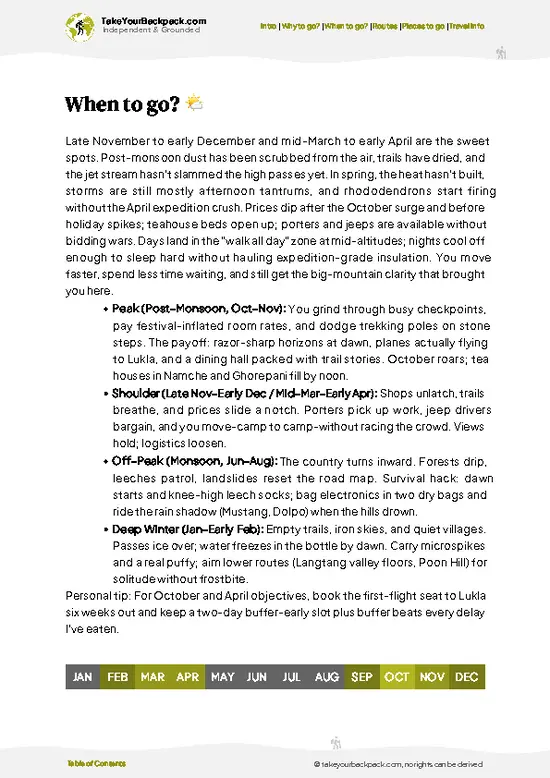
source: climatestotravel.comJANJanuary: good for travelingFEBFebruary: good for travelingMARMarch: highly recommended for travelingAPRApril: highly recommended for travelingMAYMay: fair for travelingJUNJune: below average for travelingJULJuly: below average for travelingAUGAugust: below average for travelingSEPSeptember: fair for travelingOCTOctober: excellent for travelingNOVNovember: excellent for travelingDECDecember: good for traveling
when-to-go

✈️ The backpacker research shortcutNepal Travel Guide

An offline-friendly backpacking guide with optimized travel routes, ranked highlights, transport advice, and the best areas to stay.
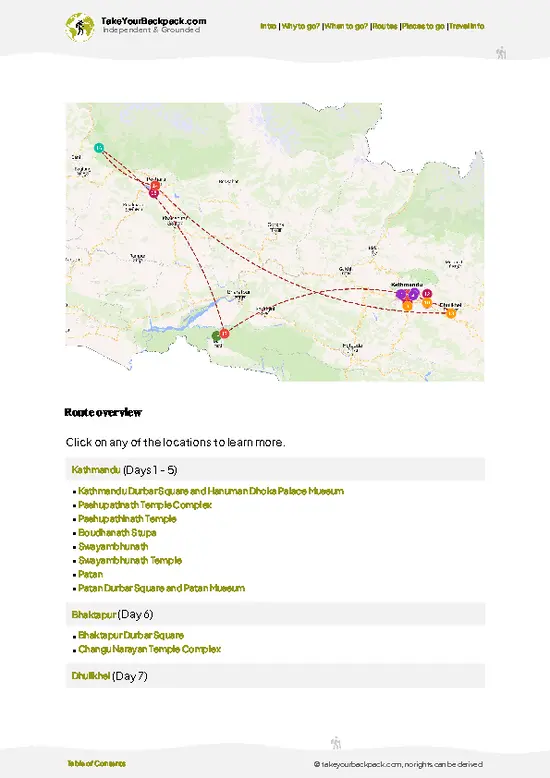
example page 0 from our offline Travel Guide for Nepal
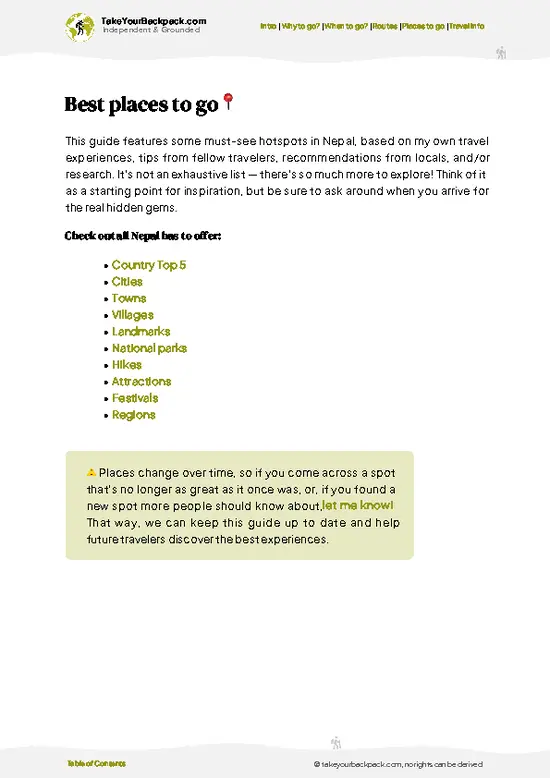
example page 1 from our offline Travel Guide for Nepal
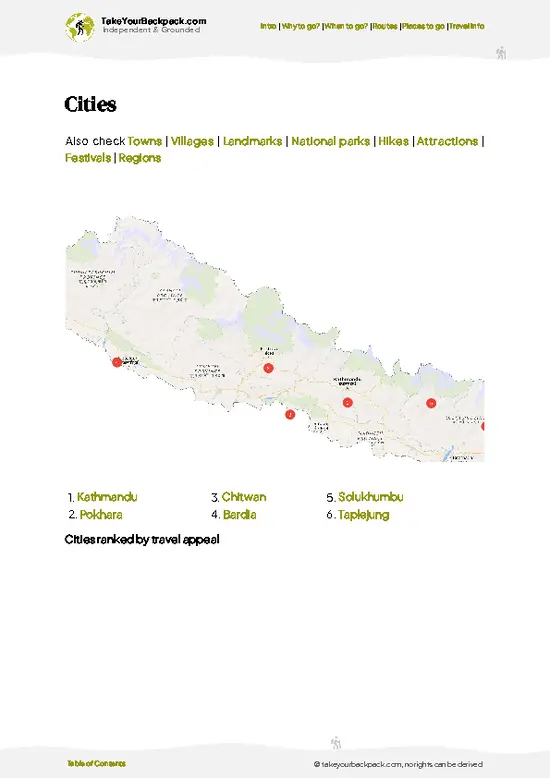
example page 2 from our offline Travel Guide for Nepal
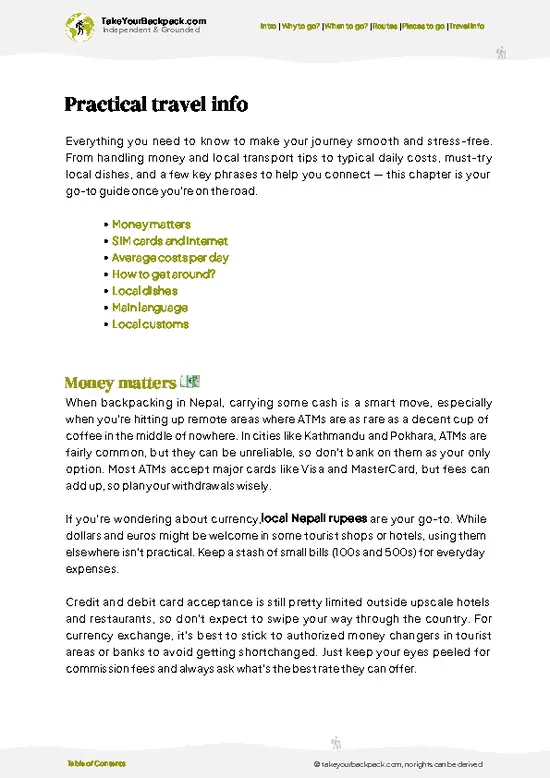
example page 3 from our offline Travel Guide for Nepal
example page 4 from our offline Travel Guide for Nepal
example page 5 from our offline Travel Guide for Nepal
example page 6 from our offline Travel Guide for Nepal
example page 7 from our offline Travel Guide for Nepal
The digital guide (362 pages) contains:
97 highlights, ranked by travel appeal
Optimized 5, 10 & 15-day travel routes
Cities, national parks, landmarks, beaches
How to get around
Offline-friendly for travel without Wi-Fi
👉 Click to see all 30+ guide features

📅 Plan smarter in minutes, not weeks
Month by month travel advice
Festivals & national holidays
Budget expectations

🗺️ Go to the right places, skip the overrated ones
Honest pros & cons of destinations
Top hikes, parks & viewpoints
Lesser-known places most travelers miss
Clear “worth it vs skip it” guidance

🛏️ Travel smoothly without rookie mistakes
Best areas to stay
Transport systems explained simply
Common scams & safety advice
SIM cards, money & practical tips

🌍 Understand the country, not just visit it
Culture & traditions
52 Essential phrases & customs
Festivals worth planning around
Traveler-friendly historical context
Insights that make places more meaningful

📱 Built for real travel conditions
Fully downloadable PDF
Works completely offline
Optimized for phone use
Useful in remote areas & buses
Everything in one place
Save weeks of stressful planning
Get instant access to your full guide. 30‑day money-back guarantee.
+ Add another guide for just US$7.80

By proceeding you agree to our terms.
Sent to your inbox immediately after payment • 100% Secure Checkout
Best Backpacking Travel Advisor 2025 tourism awardBest Backpacking
Travel Advisor
2025
What others say about Take Your Backpack Guides:
⭐⭐⭐⭐⭐
Fantastic, amazing amount of information!
⭐⭐⭐⭐⭐
My goodness this is amazing, it's what I've been looking for hats off too you!
⭐⭐⭐⭐⭐
I think this is absolutely BRILLIANT
⭐⭐⭐⭐
Very complete and informative. It's still missing places, but I gotta to commend you
⭐⭐⭐⭐⭐
This is truly amazing, thank you, can't wait to explore it with my kids!
⭐⭐⭐⭐⭐
Awesome resource, thank you!
⭐⭐⭐⭐⭐
This is amazing! Can't wait to explore the ones I haven't seen
⭐⭐⭐⭐
I love this! Well done, great idea.
⭐⭐⭐⭐⭐
Thanks for taking the time to make this gem!
⭐⭐⭐⭐⭐
This might be the best website I've ever seen.
⭐⭐⭐⭐⭐
Congratulations, and thank you so much for your work; it's incredibly valuable.
⭐⭐⭐⭐
In all seriousness I think you did a great job pointing out the important spots
⭐⭐⭐⭐⭐
10/10 very good
⭐⭐⭐⭐⭐
As someone who's only just starting to visit regularly this is awesome, thank you.
⭐⭐⭐⭐
Thank you very much! I'm going to visit my dad, it's going to be very useful!
⭐⭐⭐⭐⭐
This is really cool! We'll be travelling for the first time and this definitely come in handy.
⭐⭐⭐⭐⭐
You are now our minister of culture, congratulations 👨‍💼
⭐⭐⭐⭐⭐
Just wanted to tell you that this is a pearl! Going to follow your recommendations.
⭐⭐⭐⭐⭐
This is so cool. I'll definitely be using the resource for my travels soon.
⭐⭐⭐⭐⭐
This is very impressive! Good work.
⭐⭐⭐⭐⭐
This is an amazing and informative site. Very well done!

🛏️ Where to stay?Best areas and accommodation options

In Patan, the best zone for backpackers is the area around Patan Durbar Square. This neighborhood nails the balance between safety, social buzz, and budget-friendly options. It’s compact, so you can walk everywhere—temples, markets, and eateries—without burning time or cash on transport. The vibe here is a mix of old-world charm and lively street life, which means you’re never far from a conversation or a local festival.

Hostels cluster near the square, creating a natural social hub. This concentration means you’ll meet fellow travelers easily, swapping tips over cheap tea or momos. Compared … read more 👉
In Patan, the best zone for backpackers is the area around Patan Durbar Square. This neighborhood nails the balance between safety, social buzz, and budget-friendly options. It’s compact, so you can walk everywhere—temples, markets, and eateries—without burning time or cash on transport. The vibe here is a mix of old-world charm and lively street life, which means you’re never far from a conversation or a local festival.

Hostels cluster near the square, creating a natural social hub. This concentration means you’ll meet fellow travelers easily, swapping tips over cheap tea or momos. Compared to the quieter, more residential zones farther out, this area feels alive without being overwhelming. It’s not the luxury district, so comfort is basic but clean, and the trade-off is a genuine, immersive experience rather than sterile tourist traps.

If you stray toward the outskirts, you’ll find more peace but lose the instant social scene and convenience. For solo backpackers, that’s a sacrifice in connectivity and vibe. So, the Patan Durbar Square area is your sweet spot: safe streets, wallet-friendly stays, and a pulse that keeps you plugged into the city’s rhythm without draining your energy or budget.

🚌 Getting aroundTransportation options and practical tips

Patan moves at its own rhythm—neither strictly regimented nor wildly unpredictable. It’s a city where the pulse of daily life blends the old-world cadence of temple bells and market calls with the modern buzz of scooters weaving through narrow lanes. You won’t find a clockwork transit system here, but rather a flow shaped by local habits, informal stops, and the occasional honk signaling a rider’s intent. Understanding this flow is your secret weapon: it’s less about rigid schedules and more about reading the street’s subtle cues, spotting the right moment to hop on or off, and embracing a bit of improvisation. This is where your time, money, and comfort trade-offs come alive—knowing when to save cash by squeezing into a crowded microbus or when to spend a bit more for a smoother ride can … read more 👉
Patan moves at its own rhythm—neither strictly regimented nor wildly unpredictable. It’s a city where the pulse of daily life blends the old-world cadence of temple bells and market calls with the modern buzz of scooters weaving through narrow lanes. You won’t find a clockwork transit system here, but rather a flow shaped by local habits, informal stops, and the occasional honk signaling a rider’s intent. Understanding this flow is your secret weapon: it’s less about rigid schedules and more about reading the street’s subtle cues, spotting the right moment to hop on or off, and embracing a bit of improvisation. This is where your time, money, and comfort trade-offs come alive—knowing when to save cash by squeezing into a crowded microbus or when to spend a bit more for a smoother ride can turn your trip from frustrating to fascinating.


  • Walking: The ultimate budget option and the best way to soak in Patan’s intricate alleys and centuries-old architecture. It costs nothing, offers maximum flexibility, and lets you discover unexpected corners at your own pace. Just be ready for uneven sidewalks and the occasional street dog. Expect to cover 3-5 km per hour depending on how often you stop to admire or grab a snack.


  • Local Microbuses: These are the backbone of Patan’s public transit—cheap (around 20-30 NPR per ride), frequent, and covering most main routes. They run roughly from 6 AM to 9 PM but don’t expect strict adherence to timetables. Comfort is minimal; you’ll be sharing space with locals, vendors, and sometimes livestock. Speed varies with traffic and stops, but they’re a solid choice if you want to stretch your budget and experience local life.


  • Tuk-Tuks: A step up in comfort and speed, tuk-tuks offer door-to-door service and can navigate narrow streets microbuses can’t. Fares start around 100 NPR for short trips but always negotiate upfront. They run 24/7, making them a reliable option after dark or when you’re carrying heavy gear. The trade-off is cost and a bumpier ride, but you gain time and convenience.


  • Bicycle Rentals: For those who want to cover more ground without breaking the bank, renting a bicycle (about 300-500 NPR per day) is a smart move. It’s faster than walking and gives you freedom to explore beyond the core city. Patan’s terrain is mostly flat, but watch for traffic and uneven roads. Comfort depends on the bike’s condition, so inspect before you commit.


  • Private Car or Taxi: The priciest option, generally reserved for airport transfers or day trips outside Patan. Expect to pay 1500 NPR or more for a one-way ride. This is your choice if comfort and time savings outweigh budget concerns. It’s a smooth, air-conditioned ride with door-to-door service, perfect for early mornings or late nights when other options dwindle.

👛 Costs (as of 4 September 2026)Typical daily expenses

Backpacking in Patan, Nepal, is a study in balancing your budget without sacrificing the authentic experience. Here’s how the daily costs typically break down for an independent traveler navigating this historic city.
  • Dorm Accommodation (High Season): Expect to pay around $5 to $8 per night. High season, usually October to December, pushes prices up slightly due to demand, but dorms remain basic and clean, often with shared bathrooms and simple amenities.
  • Dorm Accommodation (Off-Season): In the quieter months, prices drop to about $3 to $5. You might find fewer travelers and more flexibility in negotiating a better rate, though some places may close or reduce services.
  • Meals: Street food and local eateries offer meals for $1 to $3. A typical dal bhat (lentil soup with rice and vegetables)
read more 👉
Backpacking in Patan, Nepal, is a study in balancing your budget without sacrificing the authentic experience. Here’s how the daily costs typically break down for an independent traveler navigating this historic city.
  • Dorm Accommodation (High Season): Expect to pay around $5 to $8 per night. High season, usually October to December, pushes prices up slightly due to demand, but dorms remain basic and clean, often with shared bathrooms and simple amenities.
  • Dorm Accommodation (Off-Season): In the quieter months, prices drop to about $3 to $5. You might find fewer travelers and more flexibility in negotiating a better rate, though some places may close or reduce services.
  • Meals: Street food and local eateries offer meals for $1 to $3. A typical dal bhat (lentil soup with rice and vegetables) is filling and budget-friendly. Western-style cafes or restaurants will push this up to $5 to $7 per meal.
  • Local Transport: Rickshaws and short local rides cost around $0.20 to $0.50. These are perfect for quick hops around Patan’s compact core.
  • City Transport Pass: Patan itself doesn’t have a formal city transport pass system. For longer trips to Kathmandu or nearby areas, local buses cost about $0.50 to $1.50 per ride, but no daily pass is common.
  • Basic Activities/Entry Fees: Entry to Patan Durbar Square, the main attraction, is about $3. Other temples and museums range from $1 to $5. Many cultural sites are free or ask for a small donation.
  • Miscellaneous Expenses: Budget $1 to $3 for bottled water, snacks, or small souvenirs. Internet cafes or SIM cards are affordable, around $1 to $2 per day for decent data.

Add it all up, and you’re looking at roughly $10 to $20 per day if you keep things lean but don’t skimp on the essentials. This range gives you a clear picture of where your money goes and lets you decide if you want to splurge on a nicer meal or a private room occasionally. Patan rewards those who understand this balance—spending smart means more time soaking in its rich culture rather than stressing over costs.


source: welcomenepal.com
⚠️ Prices can change and everyone travels differently, so take this as a rough guide. Hope it helps you plan your adventure!

🚌 Day tripsShort trips worth adding

Patan is a fantastic launchpad for day trips that blend culture, nature, and adventure. With its rich history and vibrant atmosphere, you can easily explore the surrounding gems without breaking the bank or sacrificing comfort.

**Bhaktapur**
Just a 30-minute bus ride from Patan, Bhaktapur is a medieval city that feels like stepping back in time. The cobblestone streets are lined with intricately carved temples and traditional Newari architecture. Don’t miss the famous Bhaktapur yogurt, a creamy delight that’s worth every rupee. The entrance fee might seem steep at around $15, but it grants you access to the stunning Durbar Square and its surroundings. Best visited in the early morning to avoid crowds, you’ll have the place almost to yourself. A common mistake? Skipping the local eateries; … read more 👉
Patan is a fantastic launchpad for day trips that blend culture, nature, and adventure. With its rich history and vibrant atmosphere, you can easily explore the surrounding gems without breaking the bank or sacrificing comfort.

**Bhaktapur**
Just a 30-minute bus ride from Patan, Bhaktapur is a medieval city that feels like stepping back in time. The cobblestone streets are lined with intricately carved temples and traditional Newari architecture. Don’t miss the famous Bhaktapur yogurt, a creamy delight that’s worth every rupee. The entrance fee might seem steep at around $15, but it grants you access to the stunning Durbar Square and its surroundings. Best visited in the early morning to avoid crowds, you’ll have the place almost to yourself. A common mistake? Skipping the local eateries; they serve some of the best food in Nepal.
👉 Explore Bhaktapur

**Nagarkot**
For a dose of nature, head to Nagarkot, about an hour and a half from Patan. This hill station is renowned for its panoramic views of the Himalayas, especially at sunrise. The journey involves a scenic bus ride, costing around $2. Once there, you can hike along well-marked trails or simply soak in the views. The best time to visit is during the spring or autumn when the skies are clear. Many first-timers underestimate the chill in the morning, so pack a warm layer.
👉 Explore Nagarkot

**Kakani**
Just a short 45-minute drive from Patan, Kakani offers a peaceful escape from the hustle and bustle. Known for its stunning views of the Langtang range, it’s a great spot for a picnic or a leisurely hike. The bus fare is around $1, making it an easy and budget-friendly option. Visit during the weekdays to avoid the local crowds, and don’t forget to try the fresh strawberries sold by local farmers. A common oversight is not checking the weather; fog can obscure the views, so plan accordingly.
👉 Explore Kakani

**Chandragiri Hill**
A quick 30-minute ride will take you to the base of Chandragiri Hill, where a cable car ride offers breathtaking views of the Kathmandu Valley and the Himalayas. The round-trip ticket costs about $10, and the experience is worth every penny. Once at the top, you can explore the hilltop temple and enjoy a meal at the café. The best time to go is during the clear winter months. Many first-timers miss the last cable car down, so keep an eye on the schedule.


**Pashupatinath**
Only a 15-minute drive from Patan, Pashupatinath is one of the holiest Hindu temples in the world. While you can’t enter the main temple, the atmosphere along the Bagmati River is captivating. The entrance fee is around $5, and it’s best visited in the early morning for the rituals. A common mistake is not respecting the local customs; dress modestly and be mindful of the ceremonies happening around you.
Want to know what more Nepal offers?
The Nepal Travel Guide describes 97 highlights, from cities to national parks, from beaches to hikes

Get the Travel Guide -

🍲 FoodLocal Cuisine & Drinks

In Patan, **food** is a vibrant tapestry of flavors that tells the story of its rich culture. You can’t miss trying **dal bhat**, a hearty lentil soup served with rice, often accompanied by seasonal vegetables and pickles. It’s not just a meal; it’s a ritual. Locals often enjoy this dish for lunch, fueling their day with energy and warmth.

Street food is where the magic happens. Stroll through the bustling markets and you’ll find vendors serving up **momo**, those delightful dumplings filled with spiced meat or vegetables. The aroma wafts through the air, drawing you in. Pair them with a tangy dipping sauce, and you’re in for a treat.

For a refreshing drink, seek out **chia**, a traditional spiced tea that’s both invigorating and comforting. It’s often enjoyed in small, social gatherings, … read more 👉
In Patan, **food** is a vibrant tapestry of flavors that tells the story of its rich culture. You can’t miss trying **dal bhat**, a hearty lentil soup served with rice, often accompanied by seasonal vegetables and pickles. It’s not just a meal; it’s a ritual. Locals often enjoy this dish for lunch, fueling their day with energy and warmth.

Street food is where the magic happens. Stroll through the bustling markets and you’ll find vendors serving up **momo**, those delightful dumplings filled with spiced meat or vegetables. The aroma wafts through the air, drawing you in. Pair them with a tangy dipping sauce, and you’re in for a treat.

For a refreshing drink, seek out **chia**, a traditional spiced tea that’s both invigorating and comforting. It’s often enjoyed in small, social gatherings, so don’t be surprised if you find yourself sharing stories with locals over a cup.

Eating customs here lean towards communal experiences. Meals are often shared, and it’s customary to eat with your right hand. Embrace the local vibe, and you’ll find that every bite is a connection to the heart of Patan.

🛡️ SafetyTraveler Safety Guide

Patan is generally safe, but like any city, it has its quirks. The main square and surrounding areas are bustling with life, but keep your wits about you in crowded spots. Pickpockets can be a nuisance, especially during festivals or busy market days.

If you’re solo, avoid wandering too far from well-lit areas after dark. The streets can be quiet, and while locals are friendly, it’s best to stick to populated paths.

Scams are rare, but some touts might try to lure you into shops with promises of “local prices.” Politely decline and keep walking. The occasional rickshaw driver may inflate fares, so agree on a price before hopping in.

Overall, carry yourself confidently, engage with locals, and trust your instincts. This way, you’ll navigate Patan smoothly and soak in its rich culture without unnecessary distractions.

FAQTraveler FAQ

Yes, Patan is worth visiting for its rich cultural heritage and stunning Newar architecture, especially the Patan Durbar Square, a UNESCO World Heritage Site. It offers a more relaxed atmosphere compared to Kathmandu and showcases exquisite temples and traditional crafts.
Two days are sufficient to explore Patan thoroughly, including the Durbar Square, local museums, and artisan workshops. This allows time to appreciate the intricate wood carvings and visit the nearby Golden Temple and Hiranya Varna Mahavihar.
Yes, Patan can be visited as a day trip from Kathmandu, which is only about 5 kilometers away. Public transport or taxis can get you there in 20-30 minutes, making it easy to explore the main sites within a day.
⚠️ Things can change over time, so always validate details locally before you go.

Other Nepali towns near Patan

Explore more nearby:

  • Kirtipur—Ancient fort walls, temple clusters, university campus| 5 km away
  • Pharping—Buddhist monasteries, sacred caves, prayer flag hills| 8 km away
  • Bhaktapur—Pagoda squares, pottery lanes, medieval courtyards| 10 km away

💡 Not sure where to go next?
Create a personalized itinerary for Nepal including Patan and the places that fit your trip.

Generate my itinerary

👉 Discover all towns

Or checkout all Nepal has to offer (think cities, towns, villages, national parks, hikes, beaches, festivals)
Country photo of Nepal

We 💚 feedbackParting advice and final tips

Patan’s Durbar Square is a living museum, where centuries of artistry and culture collide. You can almost hear the whispers of history in the intricate carvings. But be ready for the crowds; it can feel like a bustling marketplace at times. Embrace the chaos, though—it’s part of the experience. Just know that if you’re after solitude, you might need to venture off the beaten path.

✈️ When did I visit Nepal?
Being a mountain lover, Nepal is one of my favorites. I visited it in November 2006, hiking the full Annapurna circuit as my highlight.

✍️ Help improve this page!
The information on this page is based on my own backpacking experience in Nepal, supplemented with up-to-date research and feedback from other travelers. Travel details can change, so if you notice anything outdated or incomplete, feel free to let me know.


🙋‍♂️ Give feedback

👋 Meet the founderWho’s Behind Take Your Backpack?

Johan, backpacker and founder of TakeYourBackpackHi, I’m Johan (Netherlands 🇳🇱), the creator of TakeYourBackpack. Over the past decade, I’ve backpacked through 80+ countries across six continents, gaining extensive experience with independent travel, long-term trips, and overland routes.

This site is built on a combination of firsthand travel experience and carefully curated insights from other backpackers. Many guides are based on places I’ve personally visited, while others bring together tips, observations, and practical advice shared by trusted travelers I’ve met along the way.

The goal is to provide realistic, experience-driven guidance — not generic itineraries — so you can explore destinations with better context, clearer expectations, and more confidence.

Get full Nepal guide •
Instant download • 97 highlights • Full Offline guide