

×

Nepal🇳🇵 | townsKakaniStrawberry farms, pine forests, picnic terraces | things to do and best time to go

Explore GorkhaExplore Kirtipur

Backpacking in Kakani
👍 Recommendedtown ranked #16
By Johan Kruseman 🇳🇱 | Updated June 18, 2026

Most people online sell Kakani as a quick picnic lookout from Kathmandu, but the surprise is that if you stay the night, it feels more like a quiet ridge village on a long-distance trekking route than a day-trip viewpoint. Kakani sits northwest of Kathmandu in central Nepal, on a hill above the Trishuli highway. For backpackers, it works best as a soft landing or exit point from the capital: cooler air, pine forests, strawberry farms, and big valley views, without the chaos of Thamel. It’s small, semi-rural, and spread out, so you walk some stretches and use local jeeps or buses for others. Expect simple lodges and a couple of low-key resorts rather than classic hostels, which means fewer instant travel buddies but more time with Nepali families and weekenders. Costs are lower than Kathmandu for food and rooms, and it generally feels safe, though the highway edge can be hectic. Compared with nearby hubs like Nuwakot or the city of Pokhara, Kakani is more of a quiet balcony over the hills than a full-service base, best folded into a route as a one- or two-night pause between city noise and bigger treks.

Discover everything you want to know in the 📖 Nepal Travel Guide.


Get your Nepal guide
107 ranked highlights, routes & tips, works offline (402 pages)
Loading the map 🌍
CLICK TO FILTER
cities
towns
villages
landmarks
national parks
hikes
attractions
festivals
regions
SHOW COUNTRY’S BESTSHOW ALL

✨ Why go?
Ranked #16 town in Nepal
Why Kakani should be on your travel list

Kakani is a gateway for backpackers seeking authentic experiences in Nepal. Its proximity to stunning hikes like the Shivapuri National Park makes it a prime spot for those eager to hit the trails. The small-scale guesthouses offer cozy, affordable stays, fostering a friendly atmosphere where solo travelers and small groups can easily connect. You’ll find local food stalls serving up hearty dal bhat, filling your belly after a long day of exploration. The walkable streets invite leisurely strolls, making it easy to soak in the local culture. Most travelers stay a few days, enjoying the balance of quiet reflection and the camaraderie of fellow adventurers.
Want to include Kakani in your Nepal route?
Create a personalized Nepal itinerary that includes Kakani and the places that fit your trip — based on your travel style, budget, and available time. Get your route in seconds.

Generate my trip

💡 HighlightsKey sights and experiences for travelers

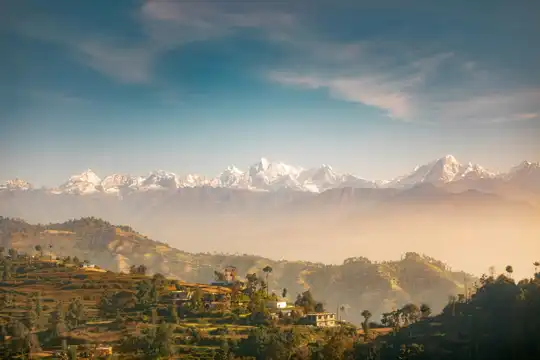
  • Kakani Viewpoint — The classic reason people stop here: sweeping hill-and-valley panoramas with Himalayan ridges on the horizon, excellent sunrise/sunset photo spots and small tearooms where you can sit and watch the clouds roll through.
  • Strawberry Farms and Market — Kakani is famous for its strawberries; seasonal pick-your-own plots, roadside stalls selling fresh berries and homemade jams, and small producers making juice and preserves give a very tangible local-agricultural experience.
  • Buddha Peace Park — A landscaped garden with a prominent Buddha statue and quiet paths for reflection; it’s a pleasant, walkable spot that blends recent community development with scenic views.
  • Kakani Bazaar and Local Eateries — The town centre market and the cluster of tea-houses and restaurants here
read more 👉
  • Kakani Viewpoint — The classic reason people stop here: sweeping hill-and-valley panoramas with Himalayan ridges on the horizon, excellent sunrise/sunset photo spots and small tearooms where you can sit and watch the clouds roll through.
  • Strawberry Farms and Market — Kakani is famous for its strawberries; seasonal pick-your-own plots, roadside stalls selling fresh berries and homemade jams, and small producers making juice and preserves give a very tangible local-agricultural experience.
  • Buddha Peace Park — A landscaped garden with a prominent Buddha statue and quiet paths for reflection; it’s a pleasant, walkable spot that blends recent community development with scenic views.
  • Kakani Bazaar and Local Eateries — The town centre market and the cluster of tea-houses and restaurants here are where you taste local food, buy produce, and feel everyday Kakani life—best place to try strawberry-based snacks and chat with vendors.
  • Pine-forest Walks and Short Hikes — Immediately around town are well-trod trails through pine and mixed forest that make for easy half-day hikes, picnic clearings, and landscape photography without needing technical gear.
A few real, visitable highlights just outside Kakani worth day trips are Nuwakot Durbar (the old palace/fort complex), the Trishuli River for rafting and riverside markets, and nearby Shivapuri hills for longer hikes — my personal favorite for a day trip is Nuwakot Durbar.
Spotted a mistake or missing something? Contact us.

Things to do near Kakani

Ratings based on Tripadvisor reviews. When you book through this link, you support our work at no extra cost to you.

🏘️ NeighborhoodsWhere things are and how it's laid out

Kakani, a serene escape from the hustle of Kathmandu, offers a blend of natural beauty and local culture, perfect for backpackers seeking a peaceful retreat.

Kakani Village: This is the heart of the area, where you’ll find cozy guesthouses and local eateries. The vibe is laid-back, with stunning views of the Himalayas. It’s walkable, making it easy to explore the village on foot. Ideal for short stays, you can soak in the atmosphere without feeling rushed.

Bhotechaur: A bit quieter, this neighborhood is perfect for those wanting to escape the crowds. It’s less touristy, with a more authentic feel. The transport options are limited, but the tranquility makes it worthwhile. Great for longer stays if you want to immerse yourself in local life.

Gumba Danda: Known for its monastery, this area … read more 👉
Kakani, a serene escape from the hustle of Kathmandu, offers a blend of natural beauty and local culture, perfect for backpackers seeking a peaceful retreat.

Kakani Village: This is the heart of the area, where you’ll find cozy guesthouses and local eateries. The vibe is laid-back, with stunning views of the Himalayas. It’s walkable, making it easy to explore the village on foot. Ideal for short stays, you can soak in the atmosphere without feeling rushed.

Bhotechaur: A bit quieter, this neighborhood is perfect for those wanting to escape the crowds. It’s less touristy, with a more authentic feel. The transport options are limited, but the tranquility makes it worthwhile. Great for longer stays if you want to immerse yourself in local life.

Gumba Danda: Known for its monastery, this area offers a spiritual vibe. It’s a bit of a trek to get there, but the views are rewarding. Perfect for those seeking solitude or a longer stay to reflect and recharge.

⌛️ 1 day1-day itinerary for Kakani

Kakani, perched high in the hills above Kathmandu, offers a refreshing escape with its panoramic views of the Himalayas and a taste of local life. The crisp mountain air carries the scent of pine and wildflowers, making it a perfect spot for a day of exploration.

Start your morning with a hike to the nearby Shivapuri National Park. The trail, lined with vibrant rhododendrons, leads you through a serene landscape where the only sounds are birds chirping and leaves rustling. This isn’t just a workout; it’s a sensory feast. The light filtering through the trees creates a dappled effect on the ground, inviting you to pause and soak it all in.

After your hike, head to the local market in the heart of Kakani. Here, you’ll find fresh produce and handmade crafts. Chat with the vendors; their stories … read more 👉
Kakani, perched high in the hills above Kathmandu, offers a refreshing escape with its panoramic views of the Himalayas and a taste of local life. The crisp mountain air carries the scent of pine and wildflowers, making it a perfect spot for a day of exploration.

Start your morning with a hike to the nearby Shivapuri National Park. The trail, lined with vibrant rhododendrons, leads you through a serene landscape where the only sounds are birds chirping and leaves rustling. This isn’t just a workout; it’s a sensory feast. The light filtering through the trees creates a dappled effect on the ground, inviting you to pause and soak it all in.

After your hike, head to the local market in the heart of Kakani. Here, you’ll find fresh produce and handmade crafts. Chat with the vendors; their stories add depth to your experience. Grab a bite at a small eatery serving dal bhat, where the flavors are rich and the atmosphere is warm.

As evening approaches, stroll to the viewpoint at the edge of town. The sunset paints the mountains in hues of orange and pink, a sight that feels earned after a day of adventure. This moment, with the chill of the evening settling in, is a perfect capstone to your day in Kakani.
Turn your Kakani visit into an Nepal adventure
Build a complete Nepal route with Kakani, hidden gems, must-see destinations, and realistic travel times included.

Generate my trip

🌤️ When to go?When to go for the best experience


  • Weather: Kakani’s best weather falls between late September and early December. Clear skies dominate, with daytime temps around 15-20°C (59-68°F), perfect for hiking without sweating buckets or freezing your fingers off.

  • Temperature: Spring (March-May) warms up to 18-22°C (64-72°F), but mornings can still bite at 5°C (41°F). Winter nights drop below freezing, so pack layers if you go off-season.

  • Daylight Hours: Around 10-12 hours of daylight in peak seasons, giving you ample time to explore without rushing the golden hour views over the Himalayas.

  • Crowds: Peak trekking season means more visitors, especially October-November. If you want quiet trails and local vibes, aim for shoulder seasons like late February or early December.

  • Seasonal Activities: Autumn brings clear mountain views
read more 👉

  • Weather: Kakani’s best weather falls between late September and early December. Clear skies dominate, with daytime temps around 15-20°C (59-68°F), perfect for hiking without sweating buckets or freezing your fingers off.

  • Temperature: Spring (March-May) warms up to 18-22°C (64-72°F), but mornings can still bite at 5°C (41°F). Winter nights drop below freezing, so pack layers if you go off-season.

  • Daylight Hours: Around 10-12 hours of daylight in peak seasons, giving you ample time to explore without rushing the golden hour views over the Himalayas.

  • Crowds: Peak trekking season means more visitors, especially October-November. If you want quiet trails and local vibes, aim for shoulder seasons like late February or early December.

  • Seasonal Activities: Autumn brings clear mountain views and local festivals, while spring bursts with rhododendron blooms—both worth timing your visit for.

  • Price Fluctuations: Expect higher prices for accommodation and guides during peak months. Off-season offers better deals but comes with trade-offs in weather and accessibility.


Pro-tip: Visit just after the monsoon, when the air is crisp, the earth smells fresh, and the mountains pop against a deep blue sky—this is Kakani at its most rewarding.


source: climatestotravel.comJANJanuary: fair for travelingFEBFebruary: good for travelingMARMarch: highly recommended for travelingAPRApril: highly recommended for travelingMAYMay: good for travelingJUNJune: below average for travelingJULJuly: below average for travelingAUGAugust: below average for travelingSEPSeptember: highly recommended for travelingOCTOctober: excellent for travelingNOVNovember: excellent for travelingDECDecember: good for traveling
when-to-go

✈️ The backpacker research shortcutNepal Travel Guide

An offline-friendly backpacking guide with optimized travel routes, ranked highlights, transport advice, and the best areas to stay.
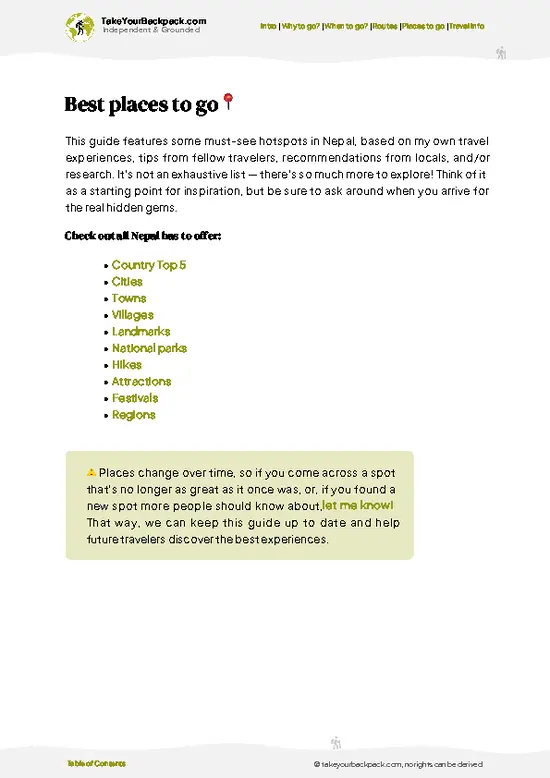
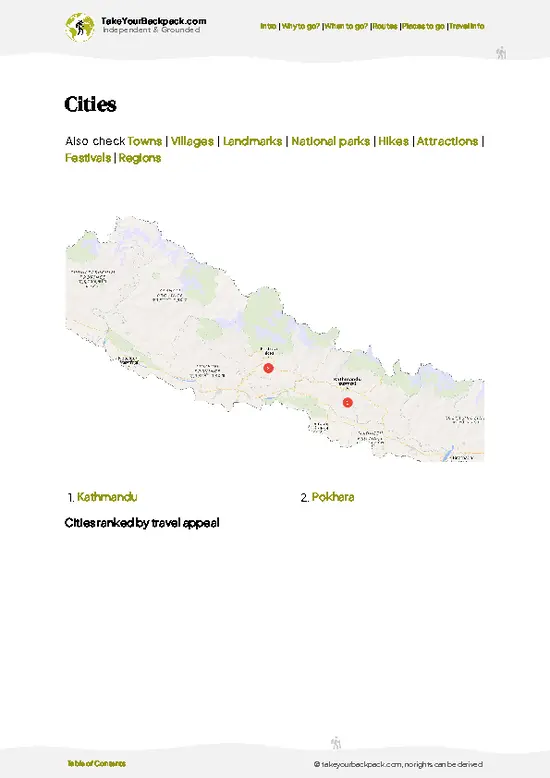
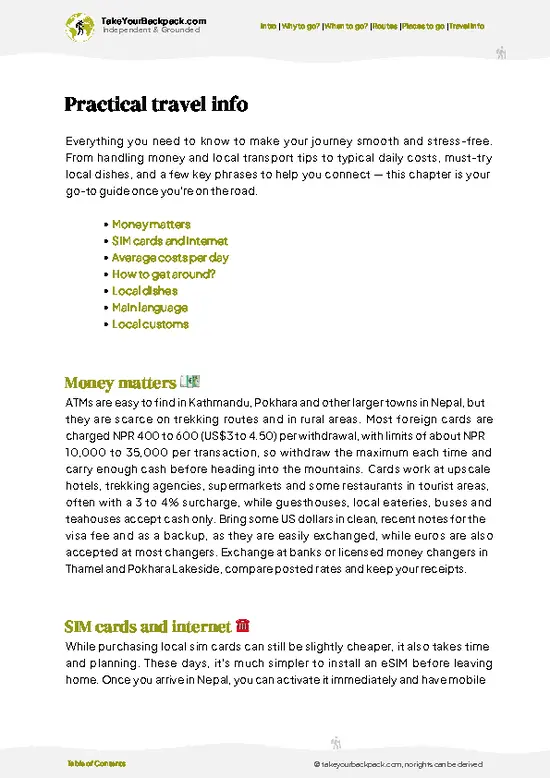
example page 0 from our offline Travel Guide for Nepal
example page 1 from our offline Travel Guide for Nepal
example page 2 from our offline Travel Guide for Nepal
example page 3 from our offline Travel Guide for Nepal
example page 4 from our offline Travel Guide for Nepal
example page 5 from our offline Travel Guide for Nepal
example page 6 from our offline Travel Guide for Nepal
example page 7 from our offline Travel Guide for Nepal
The digital guide (402 pages) contains:
107 highlights, ranked by travel appeal
Optimized 5, 10 & 15-day travel routes
Cities, national parks, landmarks, beaches
How to get around
Offline-friendly for travel without Wi-Fi
👉 Click to see all 30+ guide features

📅 Plan smarter in minutes, not weeks
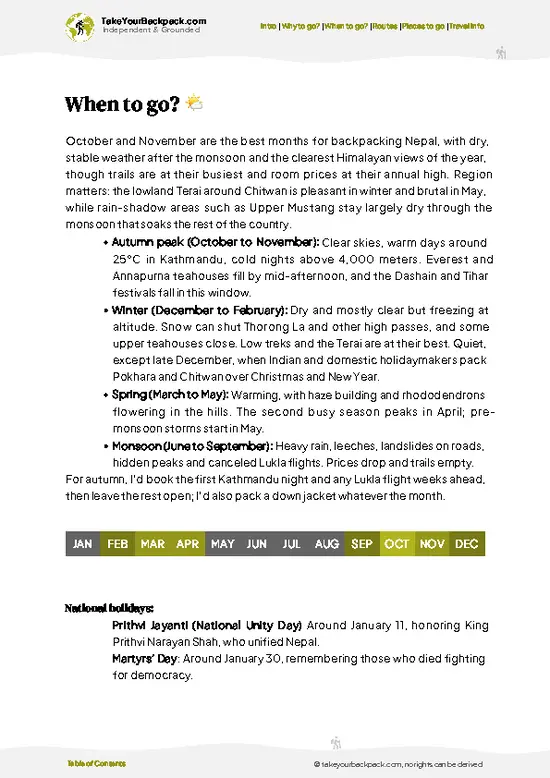
Month by month travel advice
Festivals & national holidays
Budget expectations

🗺️ Go to the right places, skip the overrated ones
Honest pros & cons of destinations
Top hikes, parks & viewpoints
Lesser-known places most travelers miss
Clear “worth it vs skip it” guidance

🛏️ Travel smoothly without rookie mistakes
Best areas to stay
Transport systems explained simply
Common scams & safety advice
SIM cards, money & practical tips

🌍 Understand the country, not just visit it
Culture & traditions
52 Essential phrases & customs
Festivals worth planning around
Traveler-friendly historical context
Insights that make places more meaningful

📱 Built for real travel conditions
Fully downloadable PDF
Works completely offline
Optimized for phone use
Useful in remote areas & buses
Everything in one place
Save weeks of stressful planning
Get instant access to your full guide. 30‑day money-back guarantee.


By proceeding you agree to our terms.
Sent to your inbox immediately after payment • 100% Secure Checkout
Best Backpacking Travel Advisor 2025 tourism awardBest Backpacking
Travel Advisor
2025
What others say about Take Your Backpack Guides:
⭐⭐⭐⭐⭐
Fantastic, amazing amount of information!
⭐⭐⭐⭐⭐
My goodness this is amazing, it's what I've been looking for hats off too you!
⭐⭐⭐⭐⭐
I think this is absolutely BRILLIANT
⭐⭐⭐⭐
Very complete and informative. It's still missing places, but I gotta to commend you
⭐⭐⭐⭐⭐
This is truly amazing, thank you, can't wait to explore it with my kids!
⭐⭐⭐⭐⭐
Awesome resource, thank you!
⭐⭐⭐⭐⭐
This is amazing! Can't wait to explore the ones I haven't seen
⭐⭐⭐⭐
I love this! Well done, great idea.
⭐⭐⭐⭐⭐
Thanks for taking the time to make this gem!
⭐⭐⭐⭐⭐
This might be the best website I've ever seen.
⭐⭐⭐⭐⭐
Congratulations, and thank you so much for your work; it's incredibly valuable.
⭐⭐⭐⭐
In all seriousness I think you did a great job pointing out the important spots
⭐⭐⭐⭐⭐
10/10 very good
⭐⭐⭐⭐⭐
As someone who's only just starting to visit regularly this is awesome, thank you.
⭐⭐⭐⭐
Thank you very much! I'm going to visit my dad, it's going to be very useful!
⭐⭐⭐⭐⭐
This is really cool! We'll be travelling for the first time and this definitely come in handy.
⭐⭐⭐⭐⭐
You are now our minister of culture, congratulations 👨‍💼
⭐⭐⭐⭐⭐
Just wanted to tell you that this is a pearl! Going to follow your recommendations.
⭐⭐⭐⭐⭐
This is so cool. I'll definitely be using the resource for my travels soon.
⭐⭐⭐⭐⭐
This is very impressive! Good work.
⭐⭐⭐⭐⭐
This is an amazing and informative site. Very well done!

🛏️ Where to stay?Where staying makes the most sense

Kakani’s main draw for backpackers is its fresh mountain air and sweeping views of the Himalayas, but where you land makes all the difference. The area around the town center is your best bet—safe, lively, and where budget travelers naturally converge. Here, narrow streets hum with local life, and small guesthouses or hostels offer simple, clean beds without the tourist markup. Staying here means you’re steps away from local markets and teahouses, perfect for striking up conversations with fellow travelers or locals over steaming cups of Nepali chai.

Venture too far out, and you lose that social … read more 👉
Kakani’s main draw for backpackers is its fresh mountain air and sweeping views of the Himalayas, but where you land makes all the difference. The area around the town center is your best bet—safe, lively, and where budget travelers naturally converge. Here, narrow streets hum with local life, and small guesthouses or hostels offer simple, clean beds without the tourist markup. Staying here means you’re steps away from local markets and teahouses, perfect for striking up conversations with fellow travelers or locals over steaming cups of Nepali chai.

Venture too far out, and you lose that social pulse; the quiet residential zones are peaceful but isolating, with fewer options for meeting people or grabbing a quick meal. The town center’s mix of accessibility and atmosphere makes it the practical choice for solo backpackers craving both safety and connection.

🚌 Getting aroundHow to get from A to B

Kakani moves at a pace that feels like the hills themselves breathe with the wind—unhurried but deliberate. The town doesn’t rush you; instead, it invites you to sync with its rhythm, where the scent of pine and damp earth lingers in the air, and the light filters through misty mornings like a soft promise. Here, schedules exist but flex, bending to the terrain and the mood of the day. You won’t find strict timetables etched in stone; instead, you’ll navigate a blend of local intuition and practical options that reward patience and curiosity. Understanding this flow means you’re not just passing through—you’re stepping into a living system where every choice shapes your experience.


  • Walking: The most reliable and immersive way to get around. Trails and paths wind through pine forests and
read more 👉
Kakani moves at a pace that feels like the hills themselves breathe with the wind—unhurried but deliberate. The town doesn’t rush you; instead, it invites you to sync with its rhythm, where the scent of pine and damp earth lingers in the air, and the light filters through misty mornings like a soft promise. Here, schedules exist but flex, bending to the terrain and the mood of the day. You won’t find strict timetables etched in stone; instead, you’ll navigate a blend of local intuition and practical options that reward patience and curiosity. Understanding this flow means you’re not just passing through—you’re stepping into a living system where every choice shapes your experience.


  • Walking: The most reliable and immersive way to get around. Trails and paths wind through pine forests and terraced fields, offering fresh air and quiet moments. Expect uneven terrain and occasional steep climbs, but the payoff is a sensory connection to Kakani’s landscape you can’t get any other way.

  • Local Minibuses: These run from early morning until late afternoon, roughly 6 AM to 5 PM. They’re cheap (around 30-50 NPR), slow, and often packed, but they drop you close to key spots. The schedule is loose—buses leave when full, so timing is flexible but unpredictable.

  • Shared Taxis: A step up in comfort and speed, shared taxis operate on main routes and start filling up around 7 AM. They cost about 150-200 NPR and run until early evening. They’re faster than minibuses but less frequent, so plan accordingly if you’re chasing daylight.

  • Private Jeep Rentals: For those who want to bypass the wait and rough roads, renting a jeep offers direct, flexible travel. It’s pricier (1,500-2,000 NPR per day) but worth it if you’re carrying gear or traveling in a group. The ride is bumpy but opens up remote spots unreachable by other means.

👛 Costs (as of 22 February 2026)Typical daily expenses

Backpacking in Kakani, Nepal, offers a quiet retreat from the usual tourist buzz, but knowing the daily costs helps you plan without surprises.
  • Dorm Accommodation: Expect to pay around $5 to $10 USD per night for a basic dorm bed. The options are modest, often family-run guesthouses with simple rooms and shared bathrooms. It’s not luxury, but the fresh mountain air and quiet make up for the bare essentials.
  • Meals: Local eateries serve up hearty Nepali staples like dal bhat and momos for about $2 to $5 per meal. If you stick to these, you’ll eat well without breaking the bank. Western-style cafes or imported snacks push prices higher, so keep an eye on that if you want to save.
  • Local Transport: Kakani is small, so most places are walkable. For longer trips or to nearby villages, local jeeps
read more 👉
Backpacking in Kakani, Nepal, offers a quiet retreat from the usual tourist buzz, but knowing the daily costs helps you plan without surprises.
  • Dorm Accommodation: Expect to pay around $5 to $10 USD per night for a basic dorm bed. The options are modest, often family-run guesthouses with simple rooms and shared bathrooms. It’s not luxury, but the fresh mountain air and quiet make up for the bare essentials.
  • Meals: Local eateries serve up hearty Nepali staples like dal bhat and momos for about $2 to $5 per meal. If you stick to these, you’ll eat well without breaking the bank. Western-style cafes or imported snacks push prices higher, so keep an eye on that if you want to save.
  • Local Transport: Kakani is small, so most places are walkable. For longer trips or to nearby villages, local jeeps or shared taxis cost roughly $1 to $3 per ride. It’s slow but scenic, and the fresh mountain air makes even the bumpy rides feel like part of the adventure.
  • Basic Activities/Entry Fees: There aren’t many formal tourist sites with entry fees here. If you’re hiking or visiting local temples, costs are minimal or voluntary donations around $1 to $3. The real draw is the landscape itself, which is free to explore.
  • Miscellaneous Expenses: Think bottled water, snacks, or occasional phone top-ups—budget around $1 to $3 daily. Internet can be patchy, so plan accordingly if you rely on connectivity.

All told, you’re looking at roughly $10 to $20 USD per day to cover the essentials in Kakani. It’s a place where the simplicity of life and the crisp mountain air make every dollar stretch further. The trade-off for fewer tourist comforts is a genuine, slow-paced experience that feels like a breath of fresh air—literally.


source: welcomenepal.com
⚠️ Prices can change and everyone travels differently, so take this as a rough guide. Hope it helps you plan your adventure!

🚌 Day tripsWhere to go beyond the main area

Kakani, Nepal, is a backpacker’s dream base, offering easy access to stunning landscapes and rich cultural experiences without the hassle of overnight stays.

Langtang Valley Trek
Just a short bus ride from Kakani, this trek is a must for those craving breathtaking mountain views. The trail winds through lush forests and quaint villages, with the scent of pine and wildflowers filling the air. Expect to spend about 6-8 hours on the trail, and pack a lunch to enjoy at one of the scenic overlooks. Costs are minimal—around $5 for transportation and snacks. Late spring and early autumn are ideal for clear skies and mild temperatures, but be wary of underestimating the trail’s difficulty; it can be steeper than it appears.


Bhaktapur Durbar Square
A day trip to this UNESCO World Heritage … read more 👉
Kakani, Nepal, is a backpacker’s dream base, offering easy access to stunning landscapes and rich cultural experiences without the hassle of overnight stays.

Langtang Valley Trek
Just a short bus ride from Kakani, this trek is a must for those craving breathtaking mountain views. The trail winds through lush forests and quaint villages, with the scent of pine and wildflowers filling the air. Expect to spend about 6-8 hours on the trail, and pack a lunch to enjoy at one of the scenic overlooks. Costs are minimal—around $5 for transportation and snacks. Late spring and early autumn are ideal for clear skies and mild temperatures, but be wary of underestimating the trail’s difficulty; it can be steeper than it appears.


Bhaktapur Durbar Square
A day trip to this UNESCO World Heritage site is like stepping back in time. The intricate woodwork and vibrant pottery shops create a sensory feast. It takes about an hour to reach by bus, costing around $2. Spend your day wandering the narrow streets, sampling local snacks like king curd (juju dhau). The best time to visit is early morning when the light casts a golden hue over the ancient architecture. A common mistake is rushing through; take your time to soak in the atmosphere.
👉 Explore Bhaktapur Durbar Square

Nagarkot Sunrise
For those who love a good sunrise, Nagarkot is your spot. A 30-minute bus ride gets you to this vantage point, where the Himalayas greet the dawn in a spectacular display. The trip costs about $3, and the early morning chill is worth it for the view. Late autumn offers the clearest skies, but don’t forget a warm layer; it can get chilly before the sun rises. Many first-timers miss the best spots; hike a bit further from the main viewpoint for a quieter experience.
Want to know what more Nepal offers?
The Nepal Travel Guide describes 107 highlights, from cities to national parks, from beaches to hikes

Get the Travel Guide -

🛡️ SafetyTraveler Safety Guide

Kakani is generally safe, but a few practical tips can enhance your experience. Stay alert in crowded areas, especially near local markets where pickpockets might lurk. If you’re solo, avoid wandering too far after dark; the paths can be tricky and poorly lit.

Be cautious of overly friendly locals who might offer guided tours for a fee—ask around for recommendations first. The occasional stray dog may bark, but they usually mean no harm. Carry yourself confidently, and you’ll blend in seamlessly, enjoying the authentic charm of this mountain town.

Other Nepali towns near Kakani

Explore more nearby:

  • Kirtipur—Ancient fort walls, temple clusters, university campus| 18 km away
  • Patan—artisan quarters, medieval courtyards, Buddhist stupas| 20 km away
  • Pharping—Buddhist monasteries, sacred caves, prayer flag hills| 24 km away

💡 Not sure where to go next?
Create a personalized itinerary for Nepal including Kakani and the places that fit your trip.

Generate my itinerary

👉 Discover all towns

Or checkout all Nepal has to offer (think cities, towns, villages, national parks, hikes, beaches, festivals)
Country photo of Nepal

We 💚 feedbackParting advice and final tips

Kakani’s panoramic views of the Himalayas are a reward that makes the trek worthwhile. The crisp mountain air fills your lungs with every step. But be ready for the altitude; it can hit hard if you’re not acclimatized. Embrace the challenge, and the beauty will feel like a hard-earned prize.

✈️ When did I visit Nepal?
Being a mountain lover, Nepal is one of my favorites. I visited it in November 2006, hiking the full Annapurna circuit as my highlight.

✍️ Help improve this page!
The information on this page is based on my own backpacking experience in Nepal, supplemented with up-to-date research and feedback from other travelers. Travel details can change, so if you notice anything outdated or incomplete, feel free to let me know.


🙋‍♂️ Give feedback

👋 Meet the founderWho’s Behind Take Your Backpack?

Johan, backpacker and founder of TakeYourBackpackHi, I’m Johan (Netherlands 🇳🇱), the creator of TakeYourBackpack. Over the past decade, I’ve backpacked through 80+ countries across six continents, gaining extensive experience with independent travel, long-term trips, and overland routes.

This site is built on a combination of firsthand travel experience and carefully curated insights from other backpackers. Many guides are based on places I’ve personally visited, while others bring together tips, observations, and practical advice shared by trusted travelers I’ve met along the way.

The goal is to provide realistic, experience-driven guidance — not generic itineraries — so you can explore destinations with better context, clearer expectations, and more confidence.

Get full Nepal guide •
Instant download • 107 highlights • Full Offline guide