×

Nepal🇳🇵 | townsRamechhapHillside farms, Tamang villages, gateway airstrip | things to do and best time to go

Explore MustangExplore Bhojpur

Backpacking in Ramechhap
👀 For curious travelerstown ranked #22
By Johan Kruseman 🇳🇱 | Updated June 14, 2026

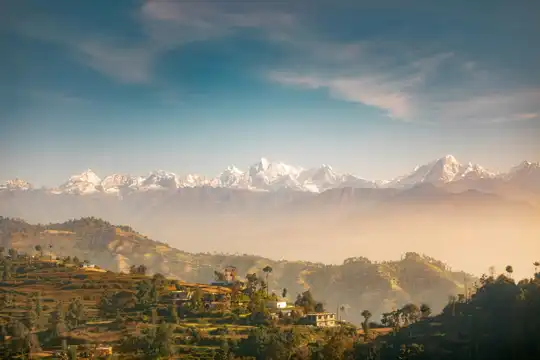
Most people only realize in hindsight that Ramechhap can save them a night in chaotic Kathmandu and a lot of airport stress on the way to Lukla. This small town in central-eastern Nepal, east of Kathmandu in Ramechhap District, feels more like a functional valley hub than a destination, with dusty streets, low-key teahouses, and a faint smell of woodsmoke at dusk. For backpackers, it works best as a practical launchpad: a place to crash before early flights, arrange jeeps, or pivot toward quieter hill villages and short local hikes rather than as a long-stay base. Buses from Kathmandu are slow but straightforward, and once you’re here, you mostly walk everywhere or grab simple local transport. It’s cheaper and calmer than Kathmandu or Bhaktapur, but also less social; you’ll meet other trekkers around basic lodges, not in buzzy cafés or bars. Safety is generally fine, though it feels more like a truck stop than a charming town, so the payoff is efficiency and lower costs, not atmosphere.

Discover everything you want to know in the 📖 Nepal Travel Guide.


Get your Nepal guide
107 ranked highlights, routes & tips, works offline (402 pages)
Loading the map 🌍
CLICK TO FILTER
cities
towns
villages
landmarks
national parks
hikes
attractions
festivals
regions
SHOW COUNTRY’S BESTSHOW ALL

✨ Why go?
Ranked #22 town in Nepal
What makes it a must-see town

Ramechhap is a gateway for backpackers heading to the Everest region. Its convenience lies in the proximity to stunning hikes, making it a strategic stop before the trails. The small-scale hostels and guesthouses offer a cozy vibe, perfect for solo travelers or small groups looking to connect. Streets are walkable, lined with local eateries serving hearty dal bhat that fuels your adventures. Expect a friendly atmosphere where fellow trekkers share stories, but it’s not a party town; it’s more about rest and preparation. Many linger a few days, soaking in the culture and planning their next move, making it a solid choice for slow travelers.
Want to include Ramechhap in your Nepal route?
Create a personalized Nepal itinerary that includes Ramechhap and the places that fit your trip — based on your travel style, budget, and available time. Get your route in seconds.

Generate my trip

💡 HighlightsWhat this place is best known for

  • Ramechhap (Manthali) Airport — The small domestic airstrip that serves as the district’s aviation gateway; useful to visit for its rugged mountain-airport vibe, quick photo ops of planes against ridgelines, and because it’s the practical starting point for flights toward Lukla and eastern hill routes.
  • Manthali Bazaar (Main Market) — The bustling heart of the town where traders, farmers and local eateries converge; essential for seeing daily life, buying fresh produce, sampling local momo or dal bhat, and watching how markets stitch the town together.
  • Sunkoshi Riverbanks (near Manthali) — Wide river views, seasonal rapids and a string of small suspension bridges and fishing spots; a straightforward riverside walk gives a real sense of the local landscape and is great for picnic-style downtime
read more 👉
  • Ramechhap (Manthali) Airport — The small domestic airstrip that serves as the district’s aviation gateway; useful to visit for its rugged mountain-airport vibe, quick photo ops of planes against ridgelines, and because it’s the practical starting point for flights toward Lukla and eastern hill routes.
  • Manthali Bazaar (Main Market) — The bustling heart of the town where traders, farmers and local eateries converge; essential for seeing daily life, buying fresh produce, sampling local momo or dal bhat, and watching how markets stitch the town together.
  • Sunkoshi Riverbanks (near Manthali) — Wide river views, seasonal rapids and a string of small suspension bridges and fishing spots; a straightforward riverside walk gives a real sense of the local landscape and is great for picnic-style downtime or sunrise/sunset photography.
Nearby visitable highlights for day trips include Jiri (historic trailhead toward Everest and a charming hill town), Dolakha with the Bhimeshwar temple complex, and longer river trips on the Sunkoshi; my personal favorite to explore as a day trip is Jiri.
Spotted a mistake or missing something? Contact us.

Things to do near Ramechhap

Ratings based on Tripadvisor reviews. When you book through this link, you support our work at no extra cost to you.

🏘️ NeighborhoodsNeighborhood guide to Ramechhap

Ramechhap is a gateway to the Himalayas, blending local culture with backpacker convenience. Here’s how to navigate its neighborhoods:

Thulo Bharyang: This area buzzes with energy. It’s affordable, making it perfect for budget travelers. The streets are walkable, and you’ll find local eateries serving hearty dal bhat. Nightlife is low-key, ideal for those who prefer a quiet evening after a day of trekking.

Ramechhap Bazaar: The heart of the town, this bustling market area is a sensory overload. It’s a great spot for longer stays, with ample guesthouses and shops. Transport options are plentiful, connecting you to nearby trails. The vibe is lively, but you can retreat to quieter side streets when needed.

Chhathar Jorpati: A bit more residential, this neighborhood offers a peaceful retreat. … read more 👉
Ramechhap is a gateway to the Himalayas, blending local culture with backpacker convenience. Here’s how to navigate its neighborhoods:

Thulo Bharyang: This area buzzes with energy. It’s affordable, making it perfect for budget travelers. The streets are walkable, and you’ll find local eateries serving hearty dal bhat. Nightlife is low-key, ideal for those who prefer a quiet evening after a day of trekking.

Ramechhap Bazaar: The heart of the town, this bustling market area is a sensory overload. It’s a great spot for longer stays, with ample guesthouses and shops. Transport options are plentiful, connecting you to nearby trails. The vibe is lively, but you can retreat to quieter side streets when needed.

Chhathar Jorpati: A bit more residential, this neighborhood offers a peaceful retreat. It’s less touristy, providing an authentic experience. Walkability is decent, but you’ll need to plan transport for longer excursions. Perfect for those seeking solitude before heading into the mountains.

⌛️ 1 dayHow to make the most of one day

Ramechhap, a charming town in Nepal, offers a slice of authentic life away from the usual tourist trails. The crisp mountain air carries the scent of pine and earth, inviting you to explore its hidden corners.

Start your morning with a stroll through the bustling local market in the heart of town. The vibrant colors of fresh produce and the chatter of vendors create an electric atmosphere. Grab a steaming cup of chiya (Nepali tea) from a roadside stall; the warmth is a perfect companion as you soak in the local vibe.

In the afternoon, head to the serene Ramechhap Durbar Square. The intricate woodwork of the temples here tells stories of a rich history. Take your time wandering through the nearby neighborhoods, where you might stumble upon a small, family-run eatery. Try the dal bhat; it’s … read more 👉
Ramechhap, a charming town in Nepal, offers a slice of authentic life away from the usual tourist trails. The crisp mountain air carries the scent of pine and earth, inviting you to explore its hidden corners.

Start your morning with a stroll through the bustling local market in the heart of town. The vibrant colors of fresh produce and the chatter of vendors create an electric atmosphere. Grab a steaming cup of chiya (Nepali tea) from a roadside stall; the warmth is a perfect companion as you soak in the local vibe.

In the afternoon, head to the serene Ramechhap Durbar Square. The intricate woodwork of the temples here tells stories of a rich history. Take your time wandering through the nearby neighborhoods, where you might stumble upon a small, family-run eatery. Try the dal bhat; it’s simple but packed with flavor.

As evening falls, find a cozy spot at a local café. The sunset casts a golden hue over the hills, and you can reflect on your day while enjoying a slice of homemade apple pie. Ramechhap isn’t just a stopover; it’s a place that rewards those who take the time to explore.
Turn your Ramechhap visit into an Nepal adventure
Build a complete Nepal route with Ramechhap, hidden gems, must-see destinations, and realistic travel times included.

Generate my trip

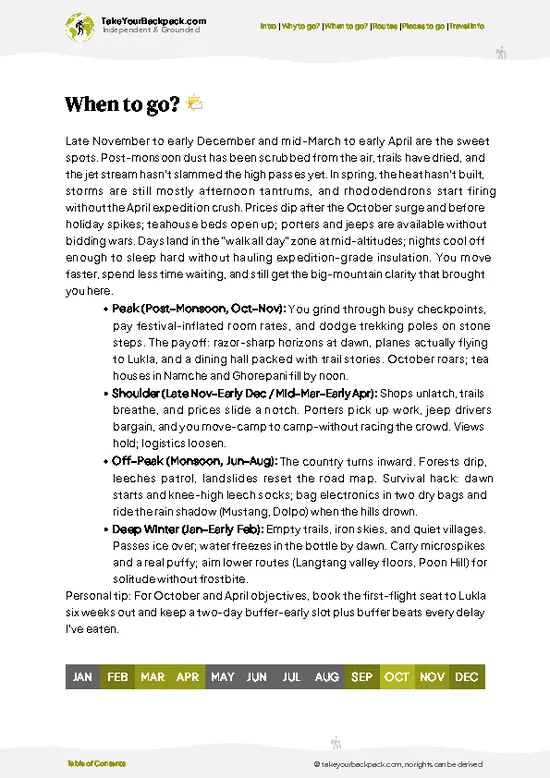
🌤️ When to go?Weather, crowds, and seasonal trade-offs


  • Topic: Weather — The best window is late September to November when the monsoon retreats, leaving crisp, clear skies. Expect daytime temps around 15-22°C (59-72°F), perfect for trekking without sweating buckets or freezing your fingers off.

  • Topic: Temperature — Early spring (March-April) offers mild warmth, 12-20°C (54-68°F), but nights can still bite below 5°C (41°F). Winter is cold, often dipping below freezing at night, so pack layers if you go then.

  • Topic: Daylight Hours — Autumn and spring provide about 11-12 hours of daylight, enough to start early and finish hikes before dusk without rushing or carrying heavy headlamps.

  • Topic: Crowds — Peak trekking seasons (autumn and spring) bring more hikers, but Ramechhap remains quieter than Everest or Annapurna routes, so you get a taste
read more 👉

  • Topic: Weather — The best window is late September to November when the monsoon retreats, leaving crisp, clear skies. Expect daytime temps around 15-22°C (59-72°F), perfect for trekking without sweating buckets or freezing your fingers off.

  • Topic: Temperature — Early spring (March-April) offers mild warmth, 12-20°C (54-68°F), but nights can still bite below 5°C (41°F). Winter is cold, often dipping below freezing at night, so pack layers if you go then.

  • Topic: Daylight Hours — Autumn and spring provide about 11-12 hours of daylight, enough to start early and finish hikes before dusk without rushing or carrying heavy headlamps.

  • Topic: Crowds — Peak trekking seasons (autumn and spring) bring more hikers, but Ramechhap remains quieter than Everest or Annapurna routes, so you get a taste of solitude with manageable company.

  • Topic: Seasonal Activities — Autumn harvest festivals and spring blossoms add cultural color and fresh scents to the air, enriching your experience beyond just the trail.

  • Topic: Price Fluctuations — Expect higher prices for lodging and guides during peak seasons; off-season offers bargains but at the cost of unpredictable weather and limited services.


Pro-tip: Aim for late autumn—when the air is sharp, the views are sharpest, and the trails are lively but not crowded—so you earn every breathtaking moment after the monsoon’s wash.


source: climatestotravel.comJANJanuary: fair for travelingFEBFebruary: good for travelingMARMarch: highly recommended for travelingAPRApril: highly recommended for travelingMAYMay: fair for travelingJUNJune: below average for travelingJULJuly: below average for travelingAUGAugust: below average for travelingSEPSeptember: highly recommended for travelingOCTOctober: excellent for travelingNOVNovember: excellent for travelingDECDecember: fair for traveling
when-to-go

✈️ The backpacker research shortcutNepal Travel Guide

An offline-friendly backpacking guide with optimized travel routes, ranked highlights, transport advice, and the best areas to stay.
example page 0 from our offline Travel Guide for Nepal
example page 1 from our offline Travel Guide for Nepal
example page 2 from our offline Travel Guide for Nepal
example page 3 from our offline Travel Guide for Nepal
example page 4 from our offline Travel Guide for Nepal
example page 5 from our offline Travel Guide for Nepal
example page 6 from our offline Travel Guide for Nepal
example page 7 from our offline Travel Guide for Nepal
The digital guide (402 pages) contains:
107 highlights, ranked by travel appeal
Optimized 5, 10 & 15-day travel routes
Cities, national parks, landmarks, beaches
How to get around
Offline-friendly for travel without Wi-Fi
👉 Click to see all 30+ guide features

📅 Plan smarter in minutes, not weeks
Month by month travel advice
Festivals & national holidays
Budget expectations

🗺️ Go to the right places, skip the overrated ones
Honest pros & cons of destinations
Top hikes, parks & viewpoints
Lesser-known places most travelers miss
Clear “worth it vs skip it” guidance

🛏️ Travel smoothly without rookie mistakes
Best areas to stay
Transport systems explained simply
Common scams & safety advice
SIM cards, money & practical tips

🌍 Understand the country, not just visit it
Culture & traditions
52 Essential phrases & customs
Festivals worth planning around
Traveler-friendly historical context
Insights that make places more meaningful

📱 Built for real travel conditions
Fully downloadable PDF
Works completely offline
Optimized for phone use
Useful in remote areas & buses
Everything in one place
Save weeks of stressful planning
Get instant access to your full guide. 30‑day money-back guarantee.


By proceeding you agree to our terms.
Sent to your inbox immediately after payment • 100% Secure Checkout
Best Backpacking Travel Advisor 2025 tourism awardBest Backpacking
Travel Advisor
2025
What others say about Take Your Backpack Guides:
⭐⭐⭐⭐⭐
Fantastic, amazing amount of information!
⭐⭐⭐⭐⭐
My goodness this is amazing, it's what I've been looking for hats off too you!
⭐⭐⭐⭐⭐
I think this is absolutely BRILLIANT
⭐⭐⭐⭐
Very complete and informative. It's still missing places, but I gotta to commend you
⭐⭐⭐⭐⭐
This is truly amazing, thank you, can't wait to explore it with my kids!
⭐⭐⭐⭐⭐
Awesome resource, thank you!
⭐⭐⭐⭐⭐
This is amazing! Can't wait to explore the ones I haven't seen
⭐⭐⭐⭐
I love this! Well done, great idea.
⭐⭐⭐⭐⭐
Thanks for taking the time to make this gem!
⭐⭐⭐⭐⭐
This might be the best website I've ever seen.
⭐⭐⭐⭐⭐
Congratulations, and thank you so much for your work; it's incredibly valuable.
⭐⭐⭐⭐
In all seriousness I think you did a great job pointing out the important spots
⭐⭐⭐⭐⭐
10/10 very good
⭐⭐⭐⭐⭐
As someone who's only just starting to visit regularly this is awesome, thank you.
⭐⭐⭐⭐
Thank you very much! I'm going to visit my dad, it's going to be very useful!
⭐⭐⭐⭐⭐
This is really cool! We'll be travelling for the first time and this definitely come in handy.
⭐⭐⭐⭐⭐
You are now our minister of culture, congratulations 👨‍💼
⭐⭐⭐⭐⭐
Just wanted to tell you that this is a pearl! Going to follow your recommendations.
⭐⭐⭐⭐⭐
This is so cool. I'll definitely be using the resource for my travels soon.
⭐⭐⭐⭐⭐
This is very impressive! Good work.
⭐⭐⭐⭐⭐
This is an amazing and informative site. Very well done!

🛏️ Where to stay?Where staying makes the most sense

In Ramechhap, the best spot for backpackers is the town center near the main market road. This area hums with local life—vendors shouting, the scent of fresh spices, and the clatter of tea cups in roadside cafés. It’s safe, well-lit after dusk, and packed with budget guesthouses where solo travelers easily strike up conversations over steaming dal bhat. Staying here means you’re steps from the bus station and local eateries, cutting down on costly rides and awkward navigation. Compared to quieter outskirts, this neighborhood pulses with energy and practical convenience, making it the natural hub … read more 👉
In Ramechhap, the best spot for backpackers is the town center near the main market road. This area hums with local life—vendors shouting, the scent of fresh spices, and the clatter of tea cups in roadside cafés. It’s safe, well-lit after dusk, and packed with budget guesthouses where solo travelers easily strike up conversations over steaming dal bhat. Staying here means you’re steps from the bus station and local eateries, cutting down on costly rides and awkward navigation. Compared to quieter outskirts, this neighborhood pulses with energy and practical convenience, making it the natural hub for anyone looking to blend in and connect without breaking the bank.

🚌 Getting aroundHow to get from A to B

Ramechhap moves at its own pace—neither frantic nor sluggish. The air carries a faint mix of earth and wood smoke, hinting at a town that wakes with the sun and winds down as shadows stretch long. Here, time feels elastic; schedules exist but bend to the rhythm of local life. You won’t find rigid timetables, but a dependable flow of movement shaped by the needs of traders, trekkers, and villagers. Understanding this flow means you don’t just get from A to B—you glide through the town’s pulse, catching the right rides and avoiding the wait that can turn patience into frustration.


  • Local Jeep Services: These rugged, open-air jeeps run from early morning (around 6 AM) until late afternoon (4 PM), charging roughly 200-300 NPR for routes to nearby villages. They’re bumpy but fast, perfect for
read more 👉
Ramechhap moves at its own pace—neither frantic nor sluggish. The air carries a faint mix of earth and wood smoke, hinting at a town that wakes with the sun and winds down as shadows stretch long. Here, time feels elastic; schedules exist but bend to the rhythm of local life. You won’t find rigid timetables, but a dependable flow of movement shaped by the needs of traders, trekkers, and villagers. Understanding this flow means you don’t just get from A to B—you glide through the town’s pulse, catching the right rides and avoiding the wait that can turn patience into frustration.


  • Local Jeep Services: These rugged, open-air jeeps run from early morning (around 6 AM) until late afternoon (4 PM), charging roughly 200-300 NPR for routes to nearby villages. They’re bumpy but fast, perfect for cutting through rough terrain and soaking in the raw landscape.

  • Shared Microbuses: Operating mostly between 7 AM and 5 PM, these are your budget-friendly, slightly cramped option for longer hauls toward Kathmandu or neighboring districts. Expect a fare near 400 NPR and a ride that’s less about comfort, more about efficiency.

  • Walking: The town’s compact layout rewards those who lace up their boots. Strolling through the dusty streets reveals local markets, tea stalls, and the scent of fresh pine. Walking is free, flexible, and the best way to absorb the town’s texture.

  • Motorbike Rentals: For around 800-1000 NPR per day, renting a motorbike gives you freedom to explore beyond the bus routes. It’s faster than walking and lets you chase the light as it shifts over the hills.

👛 Costs (as of 19 February 2026)Typical daily expenses

Backpacking in Ramechhap, Nepal, is a raw, grounded experience where every dollar stretches into authentic local life. Here’s the real breakdown of what you’ll spend daily, keeping it practical and clear.
  • Dorm Accommodation: Expect to pay around $5 to $10 per night for a basic dorm bed. These places are simple—think thin mattresses, shared bathrooms, and the occasional rooster crowing at dawn. It’s not luxury, but it’s clean enough and keeps you close to the village rhythm.
  • Meals: Local eateries serve up dal bhat and momos for about $2 to $4 per meal. If you stick to street food or small restaurants, you’ll get hearty portions that fill you up without emptying your wallet. Western-style cafes are rare and pricier, so embrace the local flavors.
  • Local Transport: Transport options are limited
read more 👉
Backpacking in Ramechhap, Nepal, is a raw, grounded experience where every dollar stretches into authentic local life. Here’s the real breakdown of what you’ll spend daily, keeping it practical and clear.
  • Dorm Accommodation: Expect to pay around $5 to $10 per night for a basic dorm bed. These places are simple—think thin mattresses, shared bathrooms, and the occasional rooster crowing at dawn. It’s not luxury, but it’s clean enough and keeps you close to the village rhythm.
  • Meals: Local eateries serve up dal bhat and momos for about $2 to $4 per meal. If you stick to street food or small restaurants, you’ll get hearty portions that fill you up without emptying your wallet. Western-style cafes are rare and pricier, so embrace the local flavors.
  • Local Transport: Transport options are limited but cheap. A local bus or shared jeep ride within the district costs roughly $1 to $3 depending on distance. Walking is often the best way to soak in the surroundings, but when you need to cover ground, these rides are your go-to.
  • Basic Activities/Entry Fees: Ramechhap is more about trekking and village life than ticketed attractions. Entry fees to local temples or small cultural sites are minimal, usually under $1. The real cost here is your time and energy on the trails, not your wallet.
  • Miscellaneous Expenses: Budget around $1 to $3 for essentials like bottled water, snacks, or phone credit. Internet cafes or SIM cards are affordable, but connectivity can be patchy, so plan accordingly.

All told, you’re looking at roughly $10 to $20 per day to live comfortably in Ramechhap without cutting corners. It’s a place where the modest budget matches the straightforward lifestyle—no frills, just the scent of wood smoke in the air and the steady pulse of mountain life.


source: welcomenepal.com
⚠️ Prices can change and everyone travels differently, so take this as a rough guide. Hope it helps you plan your adventure!

🚌 Day tripsExploring the surroundings

Ramechhap, Nepal, is a backpacker’s dream base for day trips, offering a blend of culture, nature, and adventure without the crowds.

Chhath Puja at the Sunkoshi River
Immerse yourself in the vibrant local culture during Chhath Puja, a festival dedicated to the sun god. The riverbanks come alive with colorful offerings and traditional songs. It’s a 30-minute bus ride from Ramechhap, costing around 200 NPR. Best visited in late October or early November, this experience is a sensory feast. First-timers often miss the chance to engage with locals; don’t just observe—join in the festivities!


Gosaikunda Trek
This trek is a rewarding challenge, leading you to the sacred Gosaikunda Lakes. The journey takes about 6 hours one way, but the stunning views of the Langtang range make every step … read more 👉
Ramechhap, Nepal, is a backpacker’s dream base for day trips, offering a blend of culture, nature, and adventure without the crowds.

Chhath Puja at the Sunkoshi River
Immerse yourself in the vibrant local culture during Chhath Puja, a festival dedicated to the sun god. The riverbanks come alive with colorful offerings and traditional songs. It’s a 30-minute bus ride from Ramechhap, costing around 200 NPR. Best visited in late October or early November, this experience is a sensory feast. First-timers often miss the chance to engage with locals; don’t just observe—join in the festivities!


Gosaikunda Trek
This trek is a rewarding challenge, leading you to the sacred Gosaikunda Lakes. The journey takes about 6 hours one way, but the stunning views of the Langtang range make every step worthwhile. Expect to spend around 1,500 NPR on food and transport. Late spring or early autumn is ideal for clear skies. A common mistake is underestimating the trail’s difficulty; pack plenty of water and snacks to keep your energy up!
👉 Explore Gosaikunda

Bhotechaur Village
Just an hour away, Bhotechaur offers a glimpse into traditional Nepali life. Wander through terraced fields and sip on locally brewed tea while chatting with villagers. The trip costs about 300 NPR. Anytime from March to June is perfect for lush landscapes. Many overlook the cultural richness here, so take the time to connect with the community.


Dolakha Bhimsen Temple
A 90-minute bus ride brings you to the Dolakha Bhimsen Temple, a stunning example of Newari architecture. The temple is a pilgrimage site, and the atmosphere is charged with devotion. Expect to spend around 400 NPR for transport and snacks. Visit during the early morning to avoid crowds and soak in the serene vibe. First-timers often rush through; take your time to appreciate the intricate carvings.
Want to know what more Nepal offers?
The Nepal Travel Guide describes 107 highlights, from cities to national parks, from beaches to hikes

Get the Travel Guide -

🛡️ SafetyStaying Safe: What Travelers Should Know

Ramechhap is generally safe, but staying aware enhances your experience. Stick to well-lit areas at night, especially around the bus station and local markets, where the energy can shift. Solo travelers should blend in; avoid drawing attention to valuables.

Watch for common scams, like inflated prices for guided treks or transportation. Always confirm costs upfront. The occasional street vendor might push for a sale, but a polite “no, thank you” usually suffices. Carry yourself confidently, and you’ll navigate Ramechhap like a pro.

Other Nepali towns near Ramechhap

Explore more nearby:

  • Dhulikhel—Sunrise viewpoints, hillside lodges, Buddhist stupas| 64 km away
  • Panauti—River confluence, brick temples, festival grounds| 66 km away
  • Bhaktapur—Pagoda squares, pottery lanes, medieval courtyards| 78 km away

💡 Not sure where to go next?
Create a personalized itinerary for Nepal including Ramechhap and the places that fit your trip.

Generate my itinerary

👉 Discover all towns

Or checkout all Nepal has to offer (think cities, towns, villages, national parks, hikes, beaches, festivals)
Country photo of Nepal

We 💚 feedbackKey takeaways before you go

Ramechhap’s charm lies in its raw, untouched beauty. The crisp mountain air and the sound of distant waterfalls create a serene backdrop for your adventures. But be ready for limited amenities; it’s not a tourist hub. Embrace the simplicity, and you’ll find the real Nepal.

✈️ When did I visit Nepal?
Being a mountain lover, Nepal is one of my favorites. I visited it in November 2006, hiking the full Annapurna circuit as my highlight.

✍️ Help improve this page!
The information on this page is based on my own backpacking experience in Nepal, supplemented with up-to-date research and feedback from other travelers. Travel details can change, so if you notice anything outdated or incomplete, feel free to let me know.


🙋‍♂️ Give feedback

👋 Meet the founderWho’s Behind Take Your Backpack?

Johan, backpacker and founder of TakeYourBackpackHi, I’m Johan (Netherlands 🇳🇱), the creator of TakeYourBackpack. Over the past decade, I’ve backpacked through 80+ countries across six continents, gaining extensive experience with independent travel, long-term trips, and overland routes.

This site is built on a combination of firsthand travel experience and carefully curated insights from other backpackers. Many guides are based on places I’ve personally visited, while others bring together tips, observations, and practical advice shared by trusted travelers I’ve met along the way.

The goal is to provide realistic, experience-driven guidance — not generic itineraries — so you can explore destinations with better context, clearer expectations, and more confidence.

Get full Nepal guide •
Instant download • 107 highlights • Full Offline guide