v2.webp)
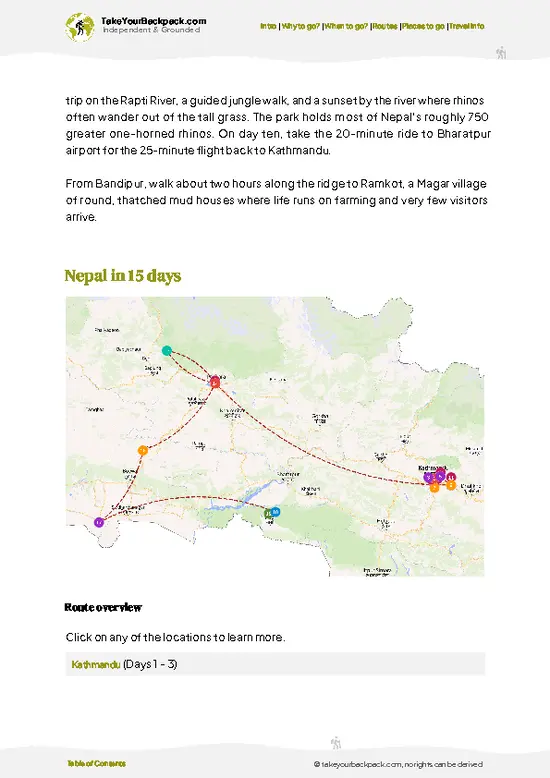
- Gosaikunda Lake — The main draw: a high-altitude, turquoise—or in winter, glassy frozen—lake sitting above the treeline and wrapped in Hindu and Buddhist legend (Shiva famously split the mountains to create it). The elevation and the myth make the place feel both otherworldly and pilgrimage-worthy.
- Saraswati, Surya and the smaller kundas — A cluster of subsidiary ponds around the main lake, each with its own name and religious story. Walking between them feels like moving through a gallery of different colors, temperatures and ritual spots; locals come to drink and bathe here during festivals.
- Gosaikunda Temple and pilgrimage atmosphere — Simple stone shrines and ritual platforms where devotees perform ablutions, especially during Janai Purnima (August). Seeing the steady stream of pilgrims,
- Gosaikunda Lake — The main draw: a high-altitude, turquoise—or in winter, glassy frozen—lake sitting above the treeline and wrapped in Hindu and Buddhist legend (Shiva famously split the mountains to create it). The elevation and the myth make the place feel both otherworldly and pilgrimage-worthy.
- Saraswati, Surya and the smaller kundas — A cluster of subsidiary ponds around the main lake, each with its own name and religious story. Walking between them feels like moving through a gallery of different colors, temperatures and ritual spots; locals come to drink and bathe here during festivals.
- Gosaikunda Temple and pilgrimage atmosphere — Simple stone shrines and ritual platforms where devotees perform ablutions, especially during Janai Purnima (August). Seeing the steady stream of pilgrims, the priests, and the offerings gives real cultural context to the landscape.
- Panoramic mountain views — Clear days bring unbroken vistas of Langtang, Ganesh Himal and other ranges. The combination of a high, reflective lake foreground and jagged peaks behind makes for some of Nepal’s most dramatic, photogenic scenes.
- Sunrise over the lake (personal favorite) — Early light turns the ice and water into molten gold and pink, then a sharp cold hush drops over the shore. It’s worth the numbing toes; fewer people, insane colors, and total silence except for the occasional yak bell.
- Seasonal contrasts: frozen winter vs. monsoon bloom — In winter the lake can be icy and almost lunar; in late summer the lower approaches are green and dotted with alpine flowers. Each season changes the whole mood and the kind of gear you need, so plan accordingly.
- Local mountain life and simple trails — The approach passes Tibetan-influenced Tamang villages, yak pastures and prayer flags. Lodging is basic (tea-houses or dharamshalas around festival times), which keeps the experience rugged and honest—great if you’re a budget backpacker who likes authenticity over comfort.
Spotted a mistake or missing something? Contact us.

Jungle Towernight Stay In Chitwan National Park ,nepal-2 Nights 3 Days Package

Jeep safari (Sharing, 4-5 hrs.) inside Chitwan National Park.

Jungle Towernight Stay: 4-Day Tour in Chitwan National Park

2 Nights 3 Days Chitwan National Park Package with Jeep Safari

Tiger Tracking Safari (Private) in Chitwan National Park, 4 Days.

Chitwan to Pokhara Tourist Bus Sofa seater

Tourist Bus Tickets: Kathmandu to Chitwan or Chitwan to KTM

Jeep Safari (Private, 8-10 hrs.)inside Chitwan National Park.

2Night 3Day Chitwan Jungle Tower Night Stay and CNP Nepal Safari


 Best Backpacking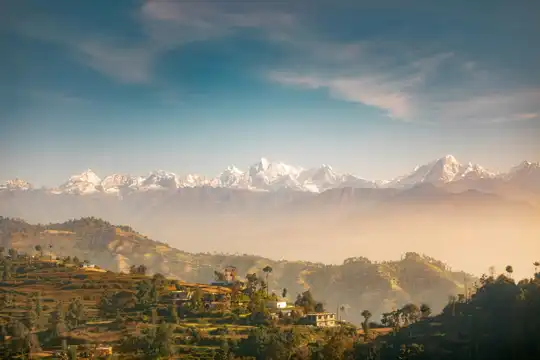
.jpg) Hi, I’m Johan (Netherlands 🇳🇱), the creator of TakeYourBackpack. Over the past 3 decades, I’ve backpacked through 90+ countries across six continents, gaining extensive experience with independent travel, long-term trips, and overland routes.
Hi, I’m Johan (Netherlands 🇳🇱), the creator of TakeYourBackpack. Over the past 3 decades, I’ve backpacked through 90+ countries across six continents, gaining extensive experience with independent travel, long-term trips, and overland routes.