×

Nepal🇳🇵 | regionsRukummid-hill ridges, guerrilla trails, Magar settlements | things to do and best time to go

Explore Kathmandu ValleyExplore Bandipur

Backpacking in Rukum
👌 Worth visitingregion ranked #3
By Johan Kruseman 🇳🇱 | Updated June 15, 2026

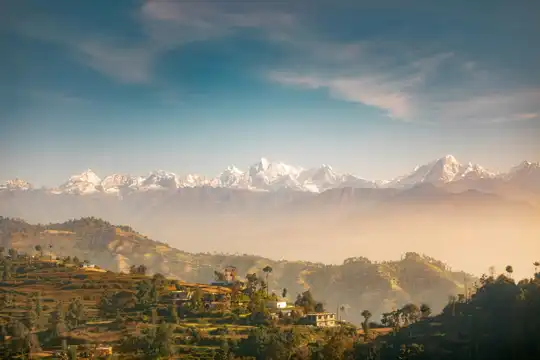
Your boots crunch on a dirt trail above a terraced hillside, chili smoke drifting from a stone house, while a kid in a school sweater yells “hello!” and then sprints away laughing. Somewhere down in the valley, a tinny radio plays a Nepali pop song over the sound of a river you can’t see yet, only feel in the cool air.

Rukum sits in mid‑western Nepal, west of Pokhara and far off the classic Annapurna–Everest conveyor belt. It’s wild, hilly, and still feels like people live with the landscape, not around tourists. That’s the magic and the headache. You get raw trails, former conflict zones turning into community homestays, lakes and ridges with big-sky views, and prices that feel ten years behind Pokhara. You also get slow, punishing bus rides, limited menus, and almost no nightlife. Compared to Dolpa or Jumla it’s easier and cheaper; compared to Pokhara it’s rougher, quieter, and way more real.

Discover everything you want to know in the 📖 Nepal Travel Guide.


Get your Nepal guide
107 ranked highlights, routes & tips, works offline (404 pages)
Loading the map 🌍
CLICK TO FILTER
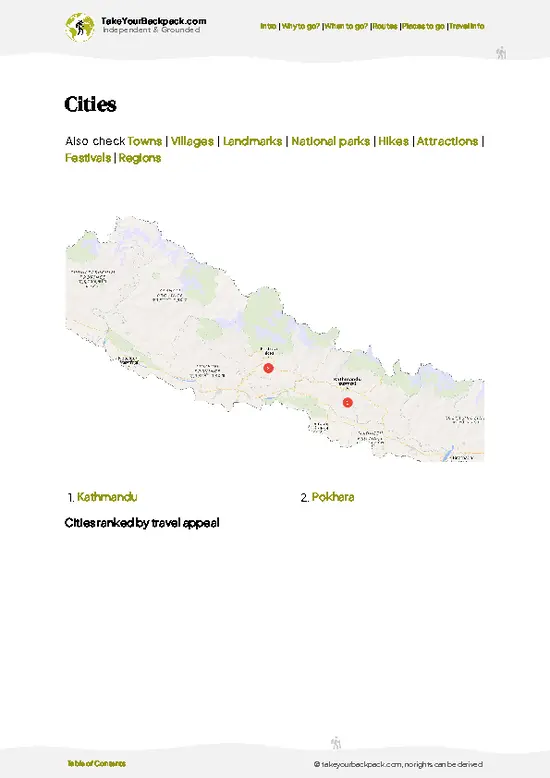
cities
towns
villages
landmarks
national parks
hikes
attractions
festivals
regions
SHOW COUNTRY’S BESTSHOW ALL

✨ Why go?
Ranked #3 region in Nepal
Why visitors keep coming back

Rukum in Nepal is a backpacker’s playground that offers a unique blend of nature and culture without the hassle of constant relocation. You can dive into varied landscapes—from lush valleys to rugged mountains—without needing to pack up every few days. This means you can truly soak in the surroundings.

Transport options are surprisingly flexible here. Local buses and shared jeeps make it easy to hop between villages, giving you the freedom to explore at your own pace. You’ll find that this slow travel approach allows for deeper connections with the locals and their traditions.

Imagine sipping tea with a family in a remote village after a day of trekking through stunning scenery. You’re not just a tourist; you’re part of the experience.

Plus, Rukum is less crowded than other trekking … read more 👉
Rukum in Nepal is a backpacker’s playground that offers a unique blend of nature and culture without the hassle of constant relocation. You can dive into varied landscapes—from lush valleys to rugged mountains—without needing to pack up every few days. This means you can truly soak in the surroundings.

Transport options are surprisingly flexible here. Local buses and shared jeeps make it easy to hop between villages, giving you the freedom to explore at your own pace. You’ll find that this slow travel approach allows for deeper connections with the locals and their traditions.

Imagine sipping tea with a family in a remote village after a day of trekking through stunning scenery. You’re not just a tourist; you’re part of the experience.

Plus, Rukum is less crowded than other trekking hotspots, so you can enjoy the peace and serenity that comes with fewer people. It’s a chance to recharge while still having access to rich cultural experiences. This is where you’ll find the high-value moments that make your trip truly memorable.
Want to include Rukum in your Nepal route?
Create a personalized Nepal itinerary that includes Rukum and the places that fit your trip — based on your travel style, budget, and available time. Get your route in seconds.

Generate my trip

💡 HighlightsWhat this place is best known for

  • Sani/Bheri River canyon and rafting (my personal favorite) — One of the quietest white-water playgrounds in mid-Nepal: long gorge sections, steep terraced valley walls and riverside villages that host multi-day raft runs and camping. The remoteness makes the river scenery and overnight camps feel properly wild compared with the busier rafting rivers farther east.
  • Musikot (Musikot Khalanga) — The practical and cultural hub of Rukum: a hilltop market town where you catch local jeeps, shop with traders from surrounding villages, and feel the everyday rhythm of the district. Good place to arrange homestays, guides, and short ridge walks that give panoramic views of the surrounding hills.
  • Rukumkot hill and lake — A small, historic hill settlement with a natural pond/temple cluster that locals
read more 👉
  • Sani/Bheri River canyon and rafting (my personal favorite) — One of the quietest white-water playgrounds in mid-Nepal: long gorge sections, steep terraced valley walls and riverside villages that host multi-day raft runs and camping. The remoteness makes the river scenery and overnight camps feel properly wild compared with the busier rafting rivers farther east.
  • Musikot (Musikot Khalanga) — The practical and cultural hub of Rukum: a hilltop market town where you catch local jeeps, shop with traders from surrounding villages, and feel the everyday rhythm of the district. Good place to arrange homestays, guides, and short ridge walks that give panoramic views of the surrounding hills.
  • Rukumkot hill and lake — A small, historic hill settlement with a natural pond/temple cluster that locals prize for sunrise views and village festivals. Rukumkot’s compact old bazaar, stone lanes and nearby viewpoints make it a peaceful stop that shows the quieter, pre-tourist face of the region. (hidden gem)
  • Kham Magar plateau villages and cultural circuit — High-altitude villages where the Kham Magar people keep distinct dress, seasonal dances and communal festivals; the plateaus and ridgelines around these settlements produce dramatic sunsets and a sense of cultural isolation you won’t find in the lowland tourist routes. Staying with families or joining a village feast is an authentic, local experience. (hidden gem)
  • Sani Bheri/Bheri riverside villages and confluences — Tiny farming hamlets clustered on river benches and at hidden confluence points offer bamboo-raft fishing, seasonal berry and mushroom foraging, and close-up views of traditional terrace agriculture. These village stops are where you meet people who live off the river and learn local recipes and river-based livelihoods. (hidden gem)
Spotted a mistake or missing something? Contact us.

Things to do near Rukum

Ratings based on Tripadvisor reviews. When you book through this link, you support our work at no extra cost to you.

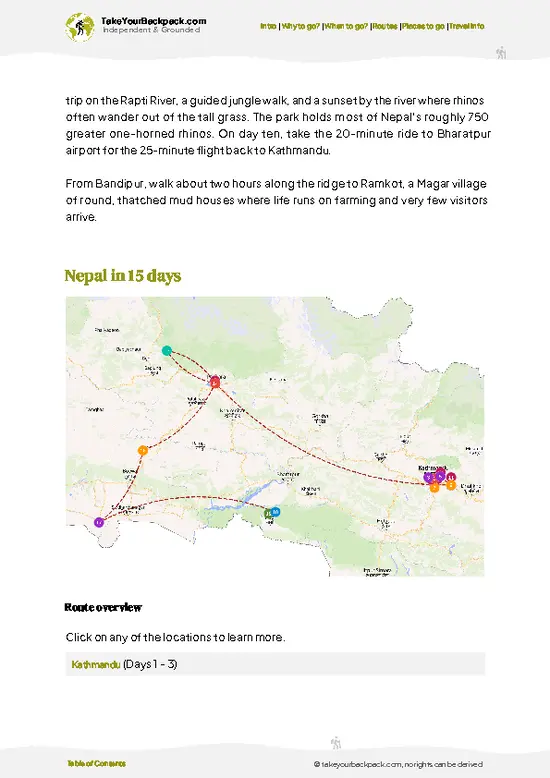
⌛️ 5 daysHow to make the most of Rukum

Day 1: **Salyan**
Kick off your journey in Salyan, a bustling hub that sets the tone for your Rukum adventure. The roads here are your lifeline, connecting you to the more remote corners of the region. Spend the day acclimatizing and soaking in the local vibe. Grab a plate of dal bhat at a roadside eatery; it’s a rite of passage. The transport options are limited, so plan your next move carefully.

Day 2: **Rukumkot**
From Salyan, take a local bus to Rukumkot. This ride is a real eye-opener, showcasing the rugged beauty of the landscape. The journey takes about 4-5 hours, so settle in and enjoy the views. Rukumkot is where the real adventure begins. Spend the afternoon exploring the local market and chatting with the friendly locals. They’ll share stories that make you feel like you’re … read more 👉
Day 1: **Salyan**
Kick off your journey in Salyan, a bustling hub that sets the tone for your Rukum adventure. The roads here are your lifeline, connecting you to the more remote corners of the region. Spend the day acclimatizing and soaking in the local vibe. Grab a plate of dal bhat at a roadside eatery; it’s a rite of passage. The transport options are limited, so plan your next move carefully.

Day 2: **Rukumkot**
From Salyan, take a local bus to Rukumkot. This ride is a real eye-opener, showcasing the rugged beauty of the landscape. The journey takes about 4-5 hours, so settle in and enjoy the views. Rukumkot is where the real adventure begins. Spend the afternoon exploring the local market and chatting with the friendly locals. They’ll share stories that make you feel like you’re part of the community.

Day 3: **Chaurjahari**
Next, head to Chaurjahari, a small town that’s a gateway to the stunning Rukum Valley. The bus ride is bumpy but worth it. You’ll feel the pulse of rural life here. Spend the night in a local guesthouse, where you can enjoy a warm meal and share tales with fellow travelers.

Day 4: **Off-Path Reward: Bheri River**
Take a detour to the Bheri River. This hidden spot offers a tranquil escape and a chance to dip your toes in the cool waters. It’s a perfect place for reflection and a picnic. The locals often fish here, so you might catch a glimpse of their techniques.

Day 5: **Back to Rukumkot**
Return to Rukumkot for your final day. This is where you can soak in the last bits of culture and prepare for your exit. The transport back to Salyan is more frequent, so you can choose your timing.

The must-do day? Day 2 in Rukumkot. It’s the heart of your journey, where you’ll connect with the locals and truly feel the spirit of Rukum. This day justifies every step you took to get here.
Turn your Rukum visit into an Nepal adventure
Build a complete Nepal route with Rukum, hidden gems, must-see destinations, and realistic travel times included.

Generate my trip

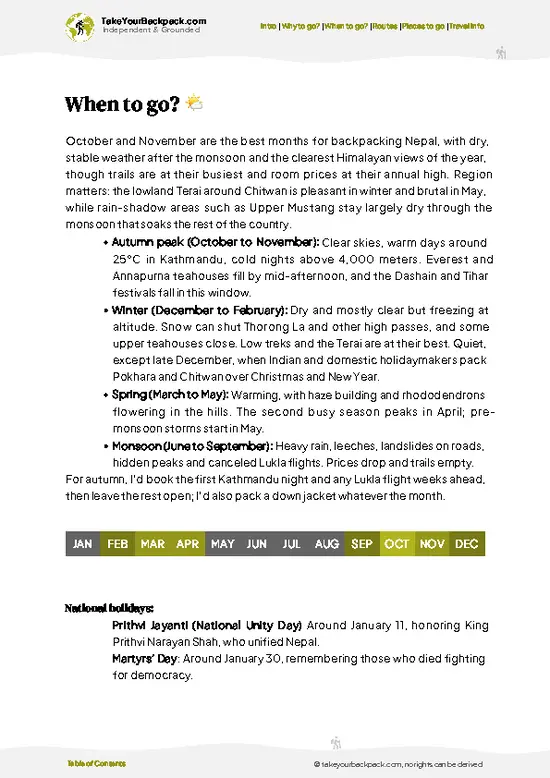
🌤️ When to go?Weather, crowds, and seasonal trade-offs


  • Weather: The sweet spot is late September to November. Post-monsoon, the air clears out, leaving crisp mountain views and dry trails. Avoid the monsoon months (June to August) unless you’re into mud wrestling and leeches.

  • Temperature: Daytime temps hover around 15-20°C (59-68°F) in autumn, perfect for trekking without overheating. Nights can dip to near freezing, so pack layers. Spring (March to May) warms up to 20-25°C (68-77°F) but watch for occasional rain.

  • Daylight Hours: Autumn and spring offer about 10-12 hours of daylight—enough to cover serious ground without rushing. Winter days shrink to 9-10 hours, which can cramp your pace if you’re aiming for long treks.

  • Crowds: Rukum stays low-key year-round, but autumn draws the most trekkers. If you want solitude, hit early spring
read more 👉

  • Weather: The sweet spot is late September to November. Post-monsoon, the air clears out, leaving crisp mountain views and dry trails. Avoid the monsoon months (June to August) unless you’re into mud wrestling and leeches.

  • Temperature: Daytime temps hover around 15-20°C (59-68°F) in autumn, perfect for trekking without overheating. Nights can dip to near freezing, so pack layers. Spring (March to May) warms up to 20-25°C (68-77°F) but watch for occasional rain.

  • Daylight Hours: Autumn and spring offer about 10-12 hours of daylight—enough to cover serious ground without rushing. Winter days shrink to 9-10 hours, which can cramp your pace if you’re aiming for long treks.

  • Crowds: Rukum stays low-key year-round, but autumn draws the most trekkers. If you want solitude, hit early spring or late winter. The trade-off? Slightly chillier nights and fewer guesthouse options.

  • Seasonal Activities: Autumn brings local festivals and harvest celebrations—great for cultural immersion. Spring bursts with rhododendron blooms, turning the hillsides into a wildflower carpet. Both seasons offer unique photo ops and local vibes.

  • Price Fluctuations: Peak trekking season (autumn) nudges prices up for lodges and guides. Off-season means better deals but fewer amenities. Booking last-minute in shoulder seasons can score you discounts if you’re flexible.


Pro-tip: Arrive just as the monsoon retreats—late September—when the trails are fresh, the crowds thin, and the prices haven’t peaked yet. You’ll feel like you’ve hacked the system.


source: climatestotravel.comJANJanuary: good for travelingFEBFebruary: good for travelingMARMarch: highly recommended for travelingAPRApril: highly recommended for travelingMAYMay: good for travelingJUNJune: below average for travelingJULJuly: below average for travelingAUGAugust: below average for travelingSEPSeptember: highly recommended for travelingOCTOctober: excellent for travelingNOVNovember: excellent for travelingDECDecember: good for traveling
nepal-region-rukum
© Google |

✈️ The backpacker research shortcutNepal Travel Guide

An offline-friendly backpacking guide with optimized travel routes, ranked highlights, transport advice, and the best areas to stay.
example page 0 from our offline Travel Guide for Nepal
example page 1 from our offline Travel Guide for Nepal
example page 2 from our offline Travel Guide for Nepal
example page 3 from our offline Travel Guide for Nepal
example page 4 from our offline Travel Guide for Nepal
example page 5 from our offline Travel Guide for Nepal
example page 6 from our offline Travel Guide for Nepal
example page 7 from our offline Travel Guide for Nepal
The digital guide (404 pages) contains:
107 highlights, ranked by travel appeal
Optimized 5, 10 & 15-day travel routes
Cities, national parks, landmarks, beaches
How to get around
Offline-friendly for travel without Wi-Fi
👉 Click to see all 30+ guide features

📅 Plan smarter in minutes, not weeks
Month by month travel advice
Festivals & national holidays
Budget expectations

🗺️ Go to the right places, skip the overrated ones
Honest pros & cons of destinations
Top hikes, parks & viewpoints
Lesser-known places most travelers miss
Clear “worth it vs skip it” guidance

🛏️ Travel smoothly without rookie mistakes
Best areas to stay
Transport systems explained simply
Common scams & safety advice
SIM cards, money & practical tips

🌍 Understand the country, not just visit it
Culture & traditions
52 Essential phrases & customs
Festivals worth planning around
Traveler-friendly historical context
Insights that make places more meaningful

📱 Built for real travel conditions
Fully downloadable PDF
Works completely offline
Optimized for phone use
Useful in remote areas & buses
Everything in one place
Save weeks of stressful planning
Get instant access to your full guide. 30‑day money-back guarantee.


By proceeding you agree to our terms.
Sent to your inbox immediately after payment • 100% Secure Checkout
Best Backpacking Travel Advisor 2025 tourism awardBest Backpacking
Travel Advisor
2025
What others say about Take Your Backpack Guides:
⭐⭐⭐⭐⭐
Fantastic, amazing amount of information!
⭐⭐⭐⭐⭐
My goodness this is amazing, it's what I've been looking for hats off too you!
⭐⭐⭐⭐⭐
I think this is absolutely BRILLIANT
⭐⭐⭐⭐
Very complete and informative. It's still missing places, but I gotta to commend you
⭐⭐⭐⭐⭐
This is truly amazing, thank you, can't wait to explore it with my kids!
⭐⭐⭐⭐⭐
Awesome resource, thank you!
⭐⭐⭐⭐⭐
This is amazing! Can't wait to explore the ones I haven't seen
⭐⭐⭐⭐
I love this! Well done, great idea.
⭐⭐⭐⭐⭐
Thanks for taking the time to make this gem!
⭐⭐⭐⭐⭐
This might be the best website I've ever seen.
⭐⭐⭐⭐⭐
Congratulations, and thank you so much for your work; it's incredibly valuable.
⭐⭐⭐⭐
In all seriousness I think you did a great job pointing out the important spots
⭐⭐⭐⭐⭐
10/10 very good
⭐⭐⭐⭐⭐
As someone who's only just starting to visit regularly this is awesome, thank you.
⭐⭐⭐⭐
Thank you very much! I'm going to visit my dad, it's going to be very useful!
⭐⭐⭐⭐⭐
This is really cool! We'll be travelling for the first time and this definitely come in handy.
⭐⭐⭐⭐⭐
You are now our minister of culture, congratulations 👨‍💼
⭐⭐⭐⭐⭐
Just wanted to tell you that this is a pearl! Going to follow your recommendations.
⭐⭐⭐⭐⭐
This is so cool. I'll definitely be using the resource for my travels soon.
⭐⭐⭐⭐⭐
This is very impressive! Good work.
⭐⭐⭐⭐⭐
This is an amazing and informative site. Very well done!

🛏️ Where to stay?Where staying makes the most sense

Rukum, Nepal, is a treasure trove for backpackers seeking an authentic experience. Start in Rukumkot, the district capital. It’s a bustling hub where you can mingle with locals and fellow travelers. The vibe is relaxed, and the food stalls serve up hearty dal bhat that’ll fuel your adventures.

Next, consider Chaurjahari. This town is a gateway to stunning trekking routes. You’ll find a friendly atmosphere, and it’s a great spot to connect with other trekkers. The local tea houses are perfect for swapping stories and tips.

Don’t overlook Putha Uttarganga. It’s quieter but offers breathtaking … read more 👉
Rukum, Nepal, is a treasure trove for backpackers seeking an authentic experience. Start in Rukumkot, the district capital. It’s a bustling hub where you can mingle with locals and fellow travelers. The vibe is relaxed, and the food stalls serve up hearty dal bhat that’ll fuel your adventures.

Next, consider Chaurjahari. This town is a gateway to stunning trekking routes. You’ll find a friendly atmosphere, and it’s a great spot to connect with other trekkers. The local tea houses are perfect for swapping stories and tips.

Don’t overlook Putha Uttarganga. It’s quieter but offers breathtaking views and a chance to immerse yourself in the local culture. You can hike to nearby villages, where hospitality is warm and genuine.

Each of these spots has its unique charm, but they all share a sense of community. You’ll feel safe and welcomed, whether you’re sharing a meal or tackling a trek. Choose wisely based on your priorities: Rukumkot for social buzz, Chaurjahari for adventure, or Putha for tranquility. Each choice shapes your experience, so pick what resonates with you.

🚌 Getting aroundGetting around like a local

Rukum is a land where time dances to its own rhythm. Forget rigid schedules; this region thrives on a chaotic intuition that can feel both exhilarating and maddening. You’ll find yourself waiting for a bus that may or may not show up, while the locals chat and sip tea, seemingly unbothered by the clock. It’s a place where the journey is as much a part of the experience as the destination. Embrace the unpredictability, and you’ll discover that every delay can lead to an unexpected adventure.

Here’s the lowdown on getting around Rukum without breaking the bank:


  • Local Buses: These are your best bet for budget travel. They run from early morning until around 5 PM, with fares typically between NPR 200-400 depending on the distance. Expect a bumpy ride, but you’ll get a real taste of local life
read more 👉
Rukum is a land where time dances to its own rhythm. Forget rigid schedules; this region thrives on a chaotic intuition that can feel both exhilarating and maddening. You’ll find yourself waiting for a bus that may or may not show up, while the locals chat and sip tea, seemingly unbothered by the clock. It’s a place where the journey is as much a part of the experience as the destination. Embrace the unpredictability, and you’ll discover that every delay can lead to an unexpected adventure.

Here’s the lowdown on getting around Rukum without breaking the bank:


  • Local Buses: These are your best bet for budget travel. They run from early morning until around 5 PM, with fares typically between NPR 200-400 depending on the distance. Expect a bumpy ride, but you’ll get a real taste of local life as you share the space with friendly faces and maybe a goat or two.


  • Jeep Services: For a bit more comfort, shared jeeps are available. They usually operate from dawn until late afternoon, costing around NPR 500-800. These can be faster than buses, but don’t expect luxury; you’ll be packed in like sardines. Still, the views are worth it.


  • Motorbike Rentals: If you’re feeling adventurous, renting a motorbike can cost around NPR 1,000 per day. This gives you the freedom to explore at your own pace. Just be cautious; the roads can be tricky, and fuel stations are sparse.


  • Trekking: If you’re up for it, trekking between villages is a fantastic way to see the region. It’s free, but you’ll need to plan your route and carry your gear. The trails are well-trodden, and you’ll meet locals who can share stories and tips along the way.


  • Private Taxis: For those who want to splurge a little, hiring a private taxi can cost around NPR 3,000-5,000 for a day. This option offers flexibility and comfort, but it’s not the best choice for budget travelers.


Here’s my tactical tip: always ask locals about the best times to catch transport. They know the ins and outs better than any schedule. If you can, aim for early morning departures; you’ll avoid the crowds and have a better chance of snagging a seat. Embrace the flow of Rukum, and you’ll find that the journey is just as rewarding as the destination.

🍲 FoodWhat to Eat & Drink

In **Rukum**, food is a celebration of local culture and flavors. You can’t miss the **dal bhat**, a hearty lentil soup served with rice, often accompanied by seasonal vegetables and pickles. It’s not just a meal; it’s a ritual. Locals often eat this twice a day, and you’ll find it everywhere, from bustling markets to family-run eateries.

For a taste of something unique, try **gundruk**, fermented leafy greens that pack a punch of flavor. Pair it with **momo**, those delightful dumplings filled with spiced meat or veggies. Street vendors serve these hot and fresh, often with a spicy dipping sauce that’ll make your taste buds dance.

When it comes to drinks, **chia** (a spiced tea) is a must. It’s warming and fragrant, perfect after a long day of trekking. You’ll find it in small tea stalls … read more 👉
In **Rukum**, food is a celebration of local culture and flavors. You can’t miss the **dal bhat**, a hearty lentil soup served with rice, often accompanied by seasonal vegetables and pickles. It’s not just a meal; it’s a ritual. Locals often eat this twice a day, and you’ll find it everywhere, from bustling markets to family-run eateries.

For a taste of something unique, try **gundruk**, fermented leafy greens that pack a punch of flavor. Pair it with **momo**, those delightful dumplings filled with spiced meat or veggies. Street vendors serve these hot and fresh, often with a spicy dipping sauce that’ll make your taste buds dance.

When it comes to drinks, **chia** (a spiced tea) is a must. It’s warming and fragrant, perfect after a long day of trekking. You’ll find it in small tea stalls where locals gather to chat and unwind.

Dining here is casual and communal. Don’t be surprised if you’re invited to share a meal or a cup of tea. It’s all about connection. Just remember to eat with your right hand; it’s a sign of respect. Embrace the flavors, the aromas, and the warmth of the people, and you’ll feel like you’ve stepped into a vibrant tapestry of life.

Other Nepali regions near Rukum

Explore more nearby:

  • Dolpa—remote valleys, high-altitude lakes, Tibetan villages| 28 km away
  • Kathmandu Valley—temple squares, artisan workshops, urban sprawl| 342 km away

💡 Not sure where to go next?
Create a personalized itinerary for Nepal including Rukum and the places that fit your trip.

Generate my itinerary

👉 Discover all regions

Or checkout all Nepal has to offer (think cities, towns, villages, national parks, hikes, beaches, festivals)
Country photo of Nepal

We 💚 feedbackIs it worth it?

Rukum is a slice of raw Nepal, where the mountains feel like they’re whispering secrets. The local culture is rich, and you’ll find hospitality that warms your soul. But let’s be real: the trails can be tough, and getting there takes time. If you’re not ready for some rugged travel, you might miss out on the magic. Embrace the challenge, and you’ll uncover experiences that stick with you long after you leave.

✈️ When did I visit Nepal?
Being a mountain lover, Nepal is one of my favorites. I visited it in November 2006, hiking the full Annapurna circuit as my highlight.

✍️ Help improve this page!
The information on this page is based on my own backpacking experience in Nepal, supplemented with up-to-date research and feedback from other travelers. Travel details can change, so if you notice anything outdated or incomplete, feel free to let me know.


🙋‍♂️ Give feedback

👋 Meet the founderWho’s Behind Take Your Backpack?

Johan, backpacker and founder of TakeYourBackpackHi, I’m Johan (Netherlands 🇳🇱), the creator of TakeYourBackpack. Over the past decade, I’ve backpacked through 80+ countries across six continents, gaining extensive experience with independent travel, long-term trips, and overland routes.

This site is built on a combination of firsthand travel experience and carefully curated insights from other backpackers. Many guides are based on places I’ve personally visited, while others bring together tips, observations, and practical advice shared by trusted travelers I’ve met along the way.

The goal is to provide realistic, experience-driven guidance — not generic itineraries — so you can explore destinations with better context, clearer expectations, and more confidence.

Get full Nepal guide •
Instant download • 107 highlights • Full Offline guide