×

Nepal🇳🇵 | citiesChitwanjungle buffer zone, Tharu villages, elephant grasslands | things to do and best time to go

Explore SyangjaExplore Hetauda

Backpacking in Chitwan
🏆 Top pickcity ranked #3
By Johan Kruseman 🇳🇱 | Updated June 17, 2026

You land in Nepal and hit the classic fork: do you burn two precious days and a chunk of cash on a Chitwan jungle package, or keep rolling toward Pokhara’s lakes and trails? That choice matters because Chitwan is all about slow time and sensory overload, not quick-hit sightseeing; if you go, you’re trading trekking and temples for rhinos, river haze, and village life. Chitwan district sits in the southern Terai plains, southwest of Kathmandu, near the Indian border. For backpackers, it’s a low-rise, low-stress pause: Sauraha’s dusty main strip, cheap lodges, riverfront bars, and access to Chitwan National Park. Wildlife walks and canoe trips are the headline; the town itself is functional, not pretty, and nightlife is mild compared with Thamel or Lakeside. It’s cheap, easy to navigate, generally safe, and social enough, but the vibe is slower, more nature-camp than city-buzz.

Discover everything you want to know in the 📖 Nepal Travel Guide.


Get your Nepal guide
107 ranked highlights, routes & tips, works offline (402 pages)
Loading the map 🌍
CLICK TO FILTER
cities
towns
villages
landmarks
national parks
hikes
attractions
festivals
regions
SHOW COUNTRY’S BESTSHOW ALL

✨ Why go?
Ranked #3 city in Nepal
Why Chitwan should be on your travel list

Chitwan serves as a strategic basecamp for backpackers navigating Nepal. It’s not just about the highlights; it’s the value it offers in terms of time and comfort. You can dive into a variety of activities without feeling rushed, making it a solid stop on your route. The walkability of the city means you can explore local markets and eateries without needing a taxi, which saves both time and money.

Hostels here are budget-friendly and often buzzing with fellow travelers, creating a vibrant atmosphere that enhances your experience. The food scene is a delightful mix of local flavors and international options, catering to all tastes. When night falls, the laid-back nightlife invites you to unwind and share stories with new friends.

Plus, Chitwan is a gateway to day trips that showcase Nepal’s … read more 👉
Chitwan serves as a strategic basecamp for backpackers navigating Nepal. It’s not just about the highlights; it’s the value it offers in terms of time and comfort. You can dive into a variety of activities without feeling rushed, making it a solid stop on your route. The walkability of the city means you can explore local markets and eateries without needing a taxi, which saves both time and money.

Hostels here are budget-friendly and often buzzing with fellow travelers, creating a vibrant atmosphere that enhances your experience. The food scene is a delightful mix of local flavors and international options, catering to all tastes. When night falls, the laid-back nightlife invites you to unwind and share stories with new friends.

Plus, Chitwan is a gateway to day trips that showcase Nepal’s natural beauty, allowing you to maximize your adventure without sacrificing comfort. If you’re looking for a place that balances exploration and relaxation, Chitwan is worth more than just a fleeting visit.
Want to include Chitwan in your Nepal route?
Create a personalized Nepal itinerary that includes Chitwan and the places that fit your trip — based on your travel style, budget, and available time. Get your route in seconds.

Generate my trip

💡 HighlightsEssential experiences to have while visiting Chitwan

  • Chitwan National Park (Sauraha entrance) — The big draw: one-horned rhinos, Bengal tigers (if you’re lucky), dense sal forest and real safari options (jeep, jeep + walking). UNESCO site for a reason — full sensory jungle experience, not just a postcard.
  • Tharu Cultural Museum & Tharu Village — Hands-on way to meet the indigenous Tharu people: traditional houses, craft demonstrations, and evening dance shows that actually explain local customs instead of just performing them for tourists.
  • Elephant Breeding Center (Kasara/Sauraha) — A rare chance to see newborn and adolescent elephants being raised as part of conservation efforts; informative and more ethical than riding in the village marketplace.
  • Rapti River canoe trips — Quiet, shallow-water canoe rides along the Rapti are fantastic for
read more 👉
  • Chitwan National Park (Sauraha entrance) — The big draw: one-horned rhinos, Bengal tigers (if you’re lucky), dense sal forest and real safari options (jeep, jeep + walking). UNESCO site for a reason — full sensory jungle experience, not just a postcard.
  • Tharu Cultural Museum & Tharu Village — Hands-on way to meet the indigenous Tharu people: traditional houses, craft demonstrations, and evening dance shows that actually explain local customs instead of just performing them for tourists.
  • Elephant Breeding Center (Kasara/Sauraha) — A rare chance to see newborn and adolescent elephants being raised as part of conservation efforts; informative and more ethical than riding in the village marketplace.
  • Rapti River canoe trips — Quiet, shallow-water canoe rides along the Rapti are fantastic for birding, spotting marsh deer and watching rhinos grazing from the bank. Dawn and dusk runs are magical.
  • Bishazari Tal (Beeshazari Wetland) — A rambling complex of lakes and reedbeds inside the district; prime for migratory and resident birds, easy boat trips, and a surprisingly peaceful contrast to the busier park trails.
  • Gharial/Crocodile Conservation Centre — Small, focused conservation site where you can learn about gharial recovery efforts and see these strange, long-mouthed crocodilians up close — good for families and anyone into conservation stories.
  • Narayani River sunset cruises — Short boat cruises on the Narayani at sunset deliver river vistas, shorebird flocks, and the chance to spot the rare Gangetic dolphin if luck’s on your side. Perfect low-effort nature time.
  • Sauraha Bazaar and local food stalls — A messy, friendly little strip of markets, momo stalls, Tharu eateries and craft shops; great for people-watching, trying local snacks, and picking up handmade souvenirs without tourist trap prices.
  • Park watchtowers and jungle trails — Scattered towers and ranger-led short trails give birders and casual walkers a real chance at close wildlife sightings without committing to a full safari; best early morning or late afternoon.
  • Tharu homestays and community forest walks — Staying with a Tharu family or joining a community-run forest walk connects you to daily life here: cooking, farm work, medicinal-plant chats and managed forest access that benefits locals directly.
Nearby day trips worth considering: Devghat (river-confluence pilgrimage and temples), Daman (quick hill station with Himalayan viewpoints and pine walks) and Bandipur (preserved hill-town charm). My personal favorite for a day out is Daman for the sunrise-over-the-Himalayas vibe.
Spotted a mistake or missing something? Contact us.

Things to do around Chitwan

Ratings based on Tripadvisor reviews. When you book through this link, you support our work at no extra cost to you.

🏘️ NeighborhoodsWhere things are and how it's laid out

Chitwan is a vibrant hub for backpackers, offering a blend of adventure and relaxation. Here’s a breakdown of key neighborhoods to help you navigate your stay.

Bharatpur: This area is your gateway to Chitwan National Park. It’s bustling yet manageable, with plenty of budget accommodations. Walkability is decent, making it easy to explore local eateries and shops. Nightlife is low-key, perfect for unwinding after a day of jungle treks. Transport access is excellent, with buses and rickshaws readily available. Ideal for both short and longer stays, especially if you plan to dive deep into wildlife experiences.

Sauraha: Known for its proximity to the park entrance, Sauraha is a backpacker favorite. The vibe is laid-back, with a range of hostels and guesthouses. It’s highly walkable, with a … read more 👉
Chitwan is a vibrant hub for backpackers, offering a blend of adventure and relaxation. Here’s a breakdown of key neighborhoods to help you navigate your stay.

Bharatpur: This area is your gateway to Chitwan National Park. It’s bustling yet manageable, with plenty of budget accommodations. Walkability is decent, making it easy to explore local eateries and shops. Nightlife is low-key, perfect for unwinding after a day of jungle treks. Transport access is excellent, with buses and rickshaws readily available. Ideal for both short and longer stays, especially if you plan to dive deep into wildlife experiences.

Sauraha: Known for its proximity to the park entrance, Sauraha is a backpacker favorite. The vibe is laid-back, with a range of hostels and guesthouses. It’s highly walkable, with a riverside promenade that invites leisurely strolls. Nightlife is more vibrant here, with bars and restaurants catering to travelers. This area is best for short stays focused on park activities, but you can easily extend your visit if you want to soak in the local culture.

Ratnanagar: A quieter option, Ratnanagar offers a more local experience. It’s less touristy, which means lower prices and a more authentic vibe. Walkability is good, but you might need a bike or rickshaw for longer distances. Nightlife is minimal, making it ideal for those seeking peace. This area suits longer stays, especially for those wanting to immerse themselves in the community.

⌛️ 1 dayA smart one-day plan

Chitwan, Nepal, is a vibrant blend of rich culture and stunning natural beauty, known primarily for its national park teeming with wildlife. But beyond the safari, this city offers a glimpse into local life that’s often overlooked.

Start your morning with a stroll through the bustling streets of Bharatpur, where the aroma of fresh samosas fills the air. Grab breakfast at a local eatery, like the cozy Café 29, where you can enjoy a steaming cup of chai alongside a plate of dal bhat. The energy of the locals will set a positive tone for your day.

After breakfast, head to Chitwan National Park. Instead of the typical jeep safari, consider a guided canoe ride on the Rapti River. This quieter option allows you to spot crocodiles basking on the banks and birds flitting overhead. The tranquility … read more 👉
Chitwan, Nepal, is a vibrant blend of rich culture and stunning natural beauty, known primarily for its national park teeming with wildlife. But beyond the safari, this city offers a glimpse into local life that’s often overlooked.

Start your morning with a stroll through the bustling streets of Bharatpur, where the aroma of fresh samosas fills the air. Grab breakfast at a local eatery, like the cozy Café 29, where you can enjoy a steaming cup of chai alongside a plate of dal bhat. The energy of the locals will set a positive tone for your day.

After breakfast, head to Chitwan National Park. Instead of the typical jeep safari, consider a guided canoe ride on the Rapti River. This quieter option allows you to spot crocodiles basking on the banks and birds flitting overhead. The tranquility of the water contrasts beautifully with the vibrant jungle surrounding you.

As the afternoon rolls in, make your way to the Tharu Cultural Museum in Sauraha. This spot is often missed by tourists but offers a fascinating insight into the indigenous Tharu community. The exhibits are engaging, and you might even catch a local artisan at work.

For dinner, return to Sauraha and dine at the Riverside Restaurant. The view of the sunset over the river is breathtaking, and the local fish curry is a must-try.

As night falls, take a leisurely walk along the riverbank. The sounds of nature and the distant calls of wildlife create a serene backdrop. This day in Chitwan isn’t just about ticking boxes; it’s about immersing yourself in the rhythm of life here, making memories that linger long after you leave.
Turn your Chitwan visit into an Nepal adventure
Build a complete Nepal route with Chitwan, hidden gems, must-see destinations, and realistic travel times included.

Generate my trip

🌤️ When to go?Weather, crowds, and seasonal trade-offs


  • Weather: The best time to visit Chitwan is during the dry season, from October to March. This period avoids the heavy monsoon rains that flood trails and make wildlife spotting difficult. Expect clear skies and manageable humidity.

  • Temperature: Daytime temperatures range from 20°C to 30°C (68°F to 86°F) in the dry season, perfect for trekking and jungle safaris without overheating. Nights can dip to around 10°C (50°F), so pack a light jacket.

  • Daylight Hours: Around 10 to 11 hours of daylight during peak season, giving you plenty of time for early morning wildlife tours and afternoon explorations without rushing.

  • Crowds: Peak tourist season coincides with the dry months, so expect more visitors, especially in December and January. If you want fewer people, aim for shoulder months like
read more 👉

  • Weather: The best time to visit Chitwan is during the dry season, from October to March. This period avoids the heavy monsoon rains that flood trails and make wildlife spotting difficult. Expect clear skies and manageable humidity.

  • Temperature: Daytime temperatures range from 20°C to 30°C (68°F to 86°F) in the dry season, perfect for trekking and jungle safaris without overheating. Nights can dip to around 10°C (50°F), so pack a light jacket.

  • Daylight Hours: Around 10 to 11 hours of daylight during peak season, giving you plenty of time for early morning wildlife tours and afternoon explorations without rushing.

  • Crowds: Peak tourist season coincides with the dry months, so expect more visitors, especially in December and January. If you want fewer people, aim for shoulder months like late September or early March.

  • Seasonal Activities: The dry season is prime for jungle safaris, bird watching, and river activities. Monsoon months (June to September) limit these options due to flooding and leeches.

  • Price Fluctuations: Accommodation and tour prices spike during peak season. Booking early can lock in better rates. Off-season offers bargains but at the cost of comfort and accessibility.


Pro-tip: Target late October to early December for the sweet spot of dry weather, manageable crowds, and reasonable prices—maximizing your bang for the buck while keeping the jungle magic intact.


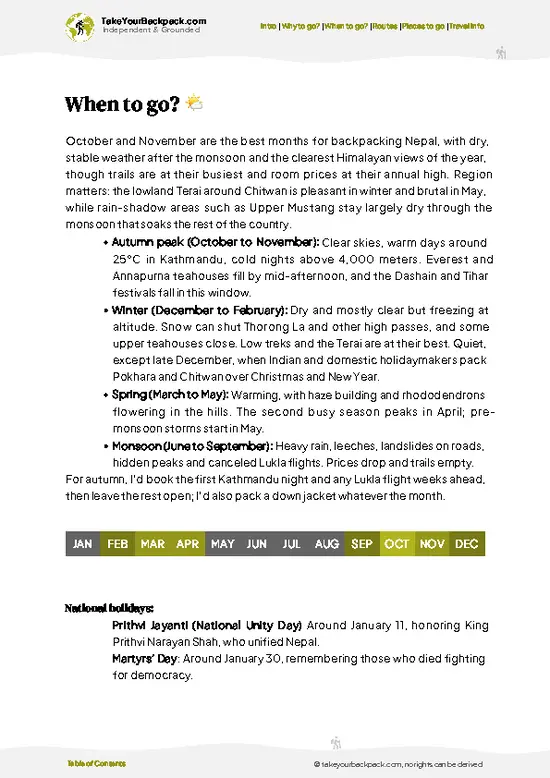
source: climatestotravel.comJANJanuary: highly recommended for travelingFEBFebruary: excellent for travelingMARMarch: highly recommended for travelingAPRApril: good for travelingMAYMay: fair for travelingJUNJune: below average for travelingJULJuly: below average for travelingAUGAugust: below average for travelingSEPSeptember: fair for travelingOCTOctober: excellent for travelingNOVNovember: excellent for travelingDECDecember: highly recommended for traveling
when-to-go

✈️ The backpacker research shortcutNepal Travel Guide

An offline-friendly backpacking guide with optimized travel routes, ranked highlights, transport advice, and the best areas to stay.
example page 0 from our offline Travel Guide for Nepal
example page 1 from our offline Travel Guide for Nepal
example page 2 from our offline Travel Guide for Nepal
example page 3 from our offline Travel Guide for Nepal
example page 4 from our offline Travel Guide for Nepal
example page 5 from our offline Travel Guide for Nepal
example page 6 from our offline Travel Guide for Nepal
example page 7 from our offline Travel Guide for Nepal
The digital guide (402 pages) contains:
107 highlights, ranked by travel appeal
Optimized 5, 10 & 15-day travel routes
Cities, national parks, landmarks, beaches
How to get around
Offline-friendly for travel without Wi-Fi
👉 Click to see all 30+ guide features

📅 Plan smarter in minutes, not weeks
Month by month travel advice
Festivals & national holidays
Budget expectations

🗺️ Go to the right places, skip the overrated ones
Honest pros & cons of destinations
Top hikes, parks & viewpoints
Lesser-known places most travelers miss
Clear “worth it vs skip it” guidance

🛏️ Travel smoothly without rookie mistakes
Best areas to stay
Transport systems explained simply
Common scams & safety advice
SIM cards, money & practical tips

🌍 Understand the country, not just visit it
Culture & traditions
52 Essential phrases & customs
Festivals worth planning around
Traveler-friendly historical context
Insights that make places more meaningful

📱 Built for real travel conditions
Fully downloadable PDF
Works completely offline
Optimized for phone use
Useful in remote areas & buses
Everything in one place
Save weeks of stressful planning
Get instant access to your full guide. 30‑day money-back guarantee.


By proceeding you agree to our terms.
Sent to your inbox immediately after payment • 100% Secure Checkout
Best Backpacking Travel Advisor 2025 tourism awardBest Backpacking
Travel Advisor
2025
What others say about Take Your Backpack Guides:
⭐⭐⭐⭐⭐
Fantastic, amazing amount of information!
⭐⭐⭐⭐⭐
My goodness this is amazing, it's what I've been looking for hats off too you!
⭐⭐⭐⭐⭐
I think this is absolutely BRILLIANT
⭐⭐⭐⭐
Very complete and informative. It's still missing places, but I gotta to commend you
⭐⭐⭐⭐⭐
This is truly amazing, thank you, can't wait to explore it with my kids!
⭐⭐⭐⭐⭐
Awesome resource, thank you!
⭐⭐⭐⭐⭐
This is amazing! Can't wait to explore the ones I haven't seen
⭐⭐⭐⭐
I love this! Well done, great idea.
⭐⭐⭐⭐⭐
Thanks for taking the time to make this gem!
⭐⭐⭐⭐⭐
This might be the best website I've ever seen.
⭐⭐⭐⭐⭐
Congratulations, and thank you so much for your work; it's incredibly valuable.
⭐⭐⭐⭐
In all seriousness I think you did a great job pointing out the important spots
⭐⭐⭐⭐⭐
10/10 very good
⭐⭐⭐⭐⭐
As someone who's only just starting to visit regularly this is awesome, thank you.
⭐⭐⭐⭐
Thank you very much! I'm going to visit my dad, it's going to be very useful!
⭐⭐⭐⭐⭐
This is really cool! We'll be travelling for the first time and this definitely come in handy.
⭐⭐⭐⭐⭐
You are now our minister of culture, congratulations 👨‍💼
⭐⭐⭐⭐⭐
Just wanted to tell you that this is a pearl! Going to follow your recommendations.
⭐⭐⭐⭐⭐
This is so cool. I'll definitely be using the resource for my travels soon.
⭐⭐⭐⭐⭐
This is very impressive! Good work.
⭐⭐⭐⭐⭐
This is an amazing and informative site. Very well done!

🛏️ Where to stay?Best areas to stay in Nepal

In Chitwan, the real backpacker buzz centers around the Sauraha area. This is where you’ll find the pulse of the town—safe, social, and tailored for budget travelers and solo adventurers. Sauraha’s compact layout means you’re never far from the action: riverside views, local markets, and the gateway to Chitwan National Park. The vibe here is relaxed but lively, with plenty of guesthouses and hostels that cater to the backpacker crowd. It’s easy to meet fellow travelers over a cold drink or while booking jungle safaris, which makes it perfect if you’re flying solo but want to plug into a community. … read more 👉
In Chitwan, the real backpacker buzz centers around the Sauraha area. This is where you’ll find the pulse of the town—safe, social, and tailored for budget travelers and solo adventurers. Sauraha’s compact layout means you’re never far from the action: riverside views, local markets, and the gateway to Chitwan National Park. The vibe here is relaxed but lively, with plenty of guesthouses and hostels that cater to the backpacker crowd. It’s easy to meet fellow travelers over a cold drink or while booking jungle safaris, which makes it perfect if you’re flying solo but want to plug into a community.

Compared to the quieter, more residential parts of Bharatpur or the scattered villages around, Sauraha offers a clear trade-off: you sacrifice some local authenticity and tranquility for convenience, safety, and social opportunities. The other areas might save you a few bucks or offer a more “off-the-beaten-path” feel, but they lack the infrastructure that makes travel smooth and enjoyable for those on a budget or with limited time.

If you want to maximize your experience without juggling complicated transport or risking isolation, Sauraha is the strategic choice. It’s the hub where comfort, cost, and connection strike the best balance for backpackers in Chitwan.

🚌 Getting aroundGetting around like a local

Chitwan moves at its own rhythm—less about strict timetables and more about reading the pulse of the place. It’s a blend of rural calm and tourist buzz, where schedules are suggestions and the real flow comes from intuition and local know-how. You’ll find that time here is elastic; a bus might leave when it’s full, not on the clock, and a tuk-tuk driver’s price can shift with your bargaining skills. Understanding this trade-off between time, money, and comfort is your secret weapon. You’re not just getting from A to B—you’re playing the game of travel savvy, deciding when to save cash, when to save time, and when to splurge for ease.


  • Walking: The ultimate budget option and the best way to soak in Chitwan’s vibe. Distances within Sauraha, the main tourist hub, are short enough to cover
read more 👉
Chitwan moves at its own rhythm—less about strict timetables and more about reading the pulse of the place. It’s a blend of rural calm and tourist buzz, where schedules are suggestions and the real flow comes from intuition and local know-how. You’ll find that time here is elastic; a bus might leave when it’s full, not on the clock, and a tuk-tuk driver’s price can shift with your bargaining skills. Understanding this trade-off between time, money, and comfort is your secret weapon. You’re not just getting from A to B—you’re playing the game of travel savvy, deciding when to save cash, when to save time, and when to splurge for ease.


  • Walking: The ultimate budget option and the best way to soak in Chitwan’s vibe. Distances within Sauraha, the main tourist hub, are short enough to cover on foot. Zero cost, full control over your pace, and a chance to spot local life up close. Just watch for uneven paths and occasional stray dogs.


  • Local Bus: The cheapest motorized option, with fares around 20-50 NPR depending on distance. Buses run roughly from 6 AM to 6 PM but don’t expect a strict schedule—departures happen when the vehicle fills up. They’re slow and crowded, but perfect if you’re not in a rush and want to stretch your budget.


  • Tuk-Tuk: The go-to for short hops around town or to nearby villages. Prices start at about 100 NPR for short rides, negotiable if you’re good at haggling. Tuk-tuks offer a balance of speed and comfort, zipping through narrow lanes where buses can’t go. They run all day and night, but beware of surge pricing during peak tourist hours.


  • Private Jeep or Taxi: Ideal if you’re traveling with a group or want to reach more remote spots like the buffer zone or elephant breeding centers quickly. Costs start around 1500 NPR for a half-day rental. This option buys you comfort and flexibility but at a steep price compared to public transport.


  • Bicycle Rental: A middle ground between walking and motorized travel. Rentals cost about 300-500 NPR per day. Biking lets you cover more ground on your own schedule, with the added bonus of exercise and fresh air. Roads can be dusty and uneven, so a sturdy bike is a must.

👛 Costs (as of 21 February 2026)How expensive it really is

Backpacking in Chitwan, Nepal, offers a clear trade-off between cost and comfort, with prices that let you stretch your budget without sacrificing the essentials.
  • Dorm Accommodation (High Season): Expect to pay around $6 to $10 per night for a bed in a shared dorm during peak tourist months (October to March). These dorms are basic but clean, often with mosquito nets and shared bathrooms.
  • Dorm Accommodation (Off-Season): In the quieter months (April to September), prices drop to about $4 to $7 per night. The trade-off here is fewer tourists and sometimes less reliable hot water or electricity.
  • Meals: Local eateries serve filling meals for $2 to $5 each. Sticking to dal bhat (lentil soup with rice) or momos (dumplings) keeps costs low and flavors authentic. Western-style cafes push prices
read more 👉
Backpacking in Chitwan, Nepal, offers a clear trade-off between cost and comfort, with prices that let you stretch your budget without sacrificing the essentials.
  • Dorm Accommodation (High Season): Expect to pay around $6 to $10 per night for a bed in a shared dorm during peak tourist months (October to March). These dorms are basic but clean, often with mosquito nets and shared bathrooms.
  • Dorm Accommodation (Off-Season): In the quieter months (April to September), prices drop to about $4 to $7 per night. The trade-off here is fewer tourists and sometimes less reliable hot water or electricity.
  • Meals: Local eateries serve filling meals for $2 to $5 each. Sticking to dal bhat (lentil soup with rice) or momos (dumplings) keeps costs low and flavors authentic. Western-style cafes push prices closer to $6 to $8 per meal.
  • Local Transport: Rickshaws and shared jeeps within Chitwan typically cost between $0.50 and $1.50 per ride. They’re slow but cheap, perfect for short hops around town.
  • City Transport Pass: There’s no formal city transport pass in Chitwan. Instead, budget for occasional rides or negotiate daily rates with local drivers if you plan multiple trips.
  • Basic Activities/Entry Fees: The main draw is Chitwan National Park. Entry fees for independent travelers hover around $15 to $20 per day. Guided jungle walks or canoe trips add $10 to $25 depending on the activity and group size.
  • Miscellaneous Expenses: Budget $2 to $5 daily for bottled water, snacks, or small tips. Internet cafes and SIM cards are cheap, usually under $1 per hour or $3 for a local SIM with data.

All told, a realistic daily budget for backpacking in Chitwan ranges from about $15 on the leanest days to $40 if you add guided activities and a bit more comfort. Knowing where to save and where to spend turns this into a smart, manageable adventure rather than a guessing game.


source: welcomenepal.com
⚠️ Prices can change and everyone travels differently, so take this as a rough guide. Hope it helps you plan your adventure!

🚌 Day tripsShort trips worth adding

Chitwan, Nepal is a fantastic base for day trips that blend adventure and culture. With its strategic location, you can dive into the heart of nature and local life without the hassle of overnight stays. Here’s how to maximize your experience.

Bardia National Park
Just a few hours from Chitwan, Bardia offers a more off-the-beaten-path experience compared to its neighbor. You can spot the elusive Bengal tiger, elephants, and a variety of birds. The park is less crowded, giving you a more intimate wildlife experience. Expect to spend around $20 for transportation and park fees. The best time to visit is during the dry season, from October to March. A common mistake is underestimating the time needed for the journey; plan for a full day to soak it all in.


Lumbini
The birthplace of Buddha, … read more 👉
Chitwan, Nepal is a fantastic base for day trips that blend adventure and culture. With its strategic location, you can dive into the heart of nature and local life without the hassle of overnight stays. Here’s how to maximize your experience.

Bardia National Park
Just a few hours from Chitwan, Bardia offers a more off-the-beaten-path experience compared to its neighbor. You can spot the elusive Bengal tiger, elephants, and a variety of birds. The park is less crowded, giving you a more intimate wildlife experience. Expect to spend around $20 for transportation and park fees. The best time to visit is during the dry season, from October to March. A common mistake is underestimating the time needed for the journey; plan for a full day to soak it all in.


Lumbini
The birthplace of Buddha, Lumbini is a UNESCO World Heritage site that’s about a three-hour drive from Chitwan. The serene gardens and ancient temples provide a reflective atmosphere. Entrance fees are minimal, around $5, making it a budget-friendly trip. Early morning visits are ideal to avoid the heat and crowds. First-timers often overlook the importance of hiring a local guide to enrich the experience with historical context.
👉 Explore Lumbini

Sauraha
Just a short ride from Chitwan, Sauraha is a vibrant village that serves as the gateway to Chitwan National Park. You can rent a canoe, go for a jungle walk, or simply enjoy local cuisine. The costs are low—around $10 for activities and meals. The best time to visit is during the cooler months, from November to February. Many backpackers miss out on the cultural experiences here, so take the time to chat with locals and learn about their way of life.


Nagarkot
For a taste of the Himalayas, Nagarkot is about a five-hour drive from Chitwan. Known for its breathtaking sunrise views, it’s a perfect escape for those who want to experience the mountains without a multi-day trek. Costs can be around $30 for transport and meals. The best time to visit is during the spring and autumn months. A common pitfall is arriving too late to catch the sunrise, so plan to leave early.
👉 Explore Nagarkot
Want to know what more Nepal offers?
The Nepal Travel Guide describes 107 highlights, from cities to national parks, from beaches to hikes

Get the Travel Guide -

🍲 FoodLocal Flavors for Backpackers

In Chitwan, the **local cuisine** is a vibrant tapestry of flavors that beckons you to dive in. Start with **dal bhat**, a staple meal of lentil soup and rice, often served with a side of seasonal vegetables. It’s hearty, filling, and a true taste of Nepali life. Don’t miss **momo**, those delightful dumplings stuffed with spiced meat or veggies, best enjoyed with a tangy dipping sauce. Street vendors serve them hot, and the aroma wafts through the air, pulling you in.

For drinks, try **chai**, the sweet, milky tea that fuels conversations in every corner. You’ll find it at roadside stalls, where locals gather to chat and sip. If you’re feeling adventurous, sample **raksi**, a local spirit made from fermented grains. It’s potent and often shared among friends, embodying the communal spirit … read more 👉
In Chitwan, the **local cuisine** is a vibrant tapestry of flavors that beckons you to dive in. Start with **dal bhat**, a staple meal of lentil soup and rice, often served with a side of seasonal vegetables. It’s hearty, filling, and a true taste of Nepali life. Don’t miss **momo**, those delightful dumplings stuffed with spiced meat or veggies, best enjoyed with a tangy dipping sauce. Street vendors serve them hot, and the aroma wafts through the air, pulling you in.

For drinks, try **chai**, the sweet, milky tea that fuels conversations in every corner. You’ll find it at roadside stalls, where locals gather to chat and sip. If you’re feeling adventurous, sample **raksi**, a local spirit made from fermented grains. It’s potent and often shared among friends, embodying the communal spirit of Chitwan.

Eating customs here lean towards **sharing**. Meals are often communal, so don’t hesitate to join in. Use your right hand for eating, as it’s considered polite. The atmosphere is relaxed, with laughter and chatter filling the air, making every bite a part of a larger experience. Embrace the flavors, the company, and the culture; it’s all part of the adventure.

🛡️ SafetyTraveler Safety Guide

Chitwan is generally safe for backpackers, but a few practical tips can enhance your experience. Stay aware in crowded markets, especially around the bus station. Pickpockets can be sneaky, so keep your valuables close.

If you’re traveling solo, avoid wandering too far from well-lit areas after dark. The streets can be quiet, and it’s best to stick to main roads or head back to your accommodation early.

Common scams include overly friendly locals offering “help” that leads to unwanted tours or inflated prices. Politely decline and walk away if something feels off.

Annoyances like aggressive touts can pop up, especially near popular attractions. A firm but friendly “no, thank you” usually does the trick.

Overall, trust your instincts, stay alert, and you’ll navigate Chitwan with ease. … read more 👉
Chitwan is generally safe for backpackers, but a few practical tips can enhance your experience. Stay aware in crowded markets, especially around the bus station. Pickpockets can be sneaky, so keep your valuables close.

If you’re traveling solo, avoid wandering too far from well-lit areas after dark. The streets can be quiet, and it’s best to stick to main roads or head back to your accommodation early.

Common scams include overly friendly locals offering “help” that leads to unwanted tours or inflated prices. Politely decline and walk away if something feels off.

Annoyances like aggressive touts can pop up, especially near popular attractions. A firm but friendly “no, thank you” usually does the trick.

Overall, trust your instincts, stay alert, and you’ll navigate Chitwan with ease. Enjoy the vibrant culture and wildlife without unnecessary stress.

Other Nepali cities near Chitwan

Explore more nearby:

  • Hetauda—industrial hub, hill passes, market crossroads| 68 km away
  • Birgunj—customs checkpoint, freight yards, Indian border| 74 km away
  • Syangja—River valleys, hillside settlements, local weaving| 77 km away

💡 Not sure where to go next?
Create a personalized itinerary for Nepal including Chitwan and the places that fit your trip.

Generate my itinerary

👉 Discover all cities

Or checkout all Nepal has to offer (think cities, towns, villages, national parks, hikes, beaches, festivals)
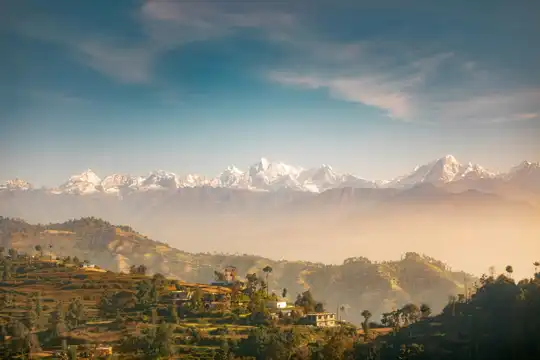
Country photo of Nepal

We 💚 feedbackIs it worth it?

Chitwan is a wildlife lover’s paradise. Imagine spotting a one-horned rhino or catching a glimpse of a Bengal tiger in the wild. It’s a thrill that’s hard to beat. But here’s the catch: the heat can be intense, especially in summer. If you’re not a fan of sweltering days, plan your visit for the cooler months. Embrace the adventure, but know what you’re getting into. It’s all part of the experience.

✈️ When did I visit Nepal?
Being a mountain lover, Nepal is one of my favorites. I visited it in November 2006, hiking the full Annapurna circuit as my highlight.

✍️ Help improve this page!
The information on this page is based on my own backpacking experience in Nepal, supplemented with up-to-date research and feedback from other travelers. Travel details can change, so if you notice anything outdated or incomplete, feel free to let me know.


🙋‍♂️ Give feedback

👋 Meet the founderWho’s Behind Take Your Backpack?

Johan, backpacker and founder of TakeYourBackpackHi, I’m Johan (Netherlands 🇳🇱), the creator of TakeYourBackpack. Over the past decade, I’ve backpacked through 80+ countries across six continents, gaining extensive experience with independent travel, long-term trips, and overland routes.

This site is built on a combination of firsthand travel experience and carefully curated insights from other backpackers. Many guides are based on places I’ve personally visited, while others bring together tips, observations, and practical advice shared by trusted travelers I’ve met along the way.

The goal is to provide realistic, experience-driven guidance — not generic itineraries — so you can explore destinations with better context, clearer expectations, and more confidence.

Get full Nepal guide •
Instant download • 107 highlights • Full Offline guide