×
Sagarmatha National Park

Nepal🇳🇵 | national parksSagarmatha National ParkEverest views, Sherpa monasteries, glacial moraines | things to do and best time to go

Explore Rara National ParkExplore Shivapuri Nagarjun National Park

Backpacking in Sagarmatha
UNESCO World Heritage site
🏆 Top picknational park ranked #1
By Johan Kruseman 🇳🇱 | Updated May 31, 2026

Most people only realize on day three that Sagarmatha quietly enforces a walking pace that saves your knees and your ego; the altitude makes you slow down, which is exactly why you actually notice where your money and energy go. The park sits in northeastern Nepal, in the Khumbu region of Solukhumbu District, wrapped around the Everest corridor. As a backpacker, you get world-class trekking—Everest Base Camp, Gokyo Lakes, side trails to quieter villages—but you pay for it in effort, cold nights, and higher prices the higher you go. Scenery is brutal in the best way: huge walls of rock and ice, sparse forests, yaks, and the occasional musk deer if you’re patient. Access is simple but not cheap: flight to Lukla, park fees, local permits, lodges instead of true camping. Compared with Langtang or Annapurna, Sagarmatha is harsher, pricier, more crowded near the main trail, but it feels more like a pilgrimage than a holiday.

Discover everything you want to know in the 📖 Nepal Travel Guide.


Get your Nepal guide
107 ranked highlights, routes & tips, works offline (402 pages)
Loading the map 🌍
CLICK TO FILTER
cities
towns
villages
landmarks
national parks
hikes
attractions
festivals
regions
SHOW COUNTRY’S BESTSHOW ALL

✨ Why go?
Ranked #1 national park in Nepal
Reasons people choose to explore here

Sagarmatha National Park draws backpackers for several compelling reasons. First, independent exploration is a major draw. The park’s extensive trail network allows you to wander at your own pace, soaking in the breathtaking landscapes without the constraints of a guided tour.

Budget-conscious travelers appreciate the affordable camping options and hostels nearby. You can pitch a tent under the stars or find a cozy spot in a local lodge, keeping costs low while still enjoying the stunning views.

The variety of trails caters to all skill levels. Whether you’re a seasoned hiker or a novice, you’ll find paths that challenge and inspire. The routes range from leisurely strolls to demanding treks, ensuring that every backpacker can find their sweet spot.

For those who prefer to go solo, Sagarmatha … read more 👉
Sagarmatha National Park draws backpackers for several compelling reasons. First, independent exploration is a major draw. The park’s extensive trail network allows you to wander at your own pace, soaking in the breathtaking landscapes without the constraints of a guided tour.

Budget-conscious travelers appreciate the affordable camping options and hostels nearby. You can pitch a tent under the stars or find a cozy spot in a local lodge, keeping costs low while still enjoying the stunning views.

The variety of trails caters to all skill levels. Whether you’re a seasoned hiker or a novice, you’ll find paths that challenge and inspire. The routes range from leisurely strolls to demanding treks, ensuring that every backpacker can find their sweet spot.

For those who prefer to go solo, Sagarmatha is particularly well-suited for self-guided travelers. The well-marked trails and available maps make navigation straightforward, allowing you to focus on the experience rather than logistics.

In short, Sagarmatha National Park offers a blend of independence, affordability, and diverse hiking options, making it a top choice for backpackers seeking genuine adventure.
Want to include Sagarmatha National Park in your Nepal route?
Create a personalized Nepal itinerary that includes Sagarmatha National Park and the places that fit your trip — based on your travel style, budget, and available time. Get your route in seconds.

Generate my trip

💡 HighlightsMust-see experiences and standout moments

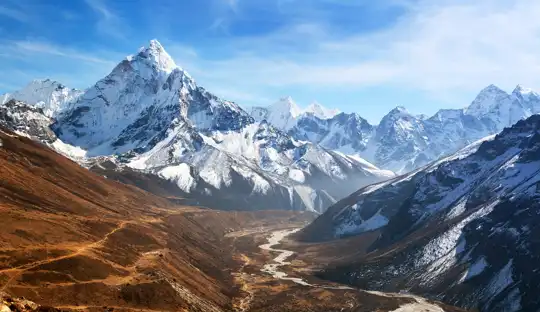
  • Everest Base Camp (EBC) — The classic destination: a gritty, high-altitude trek that drops you into the shadow of the Khumbu Icefall and the history of climbing Everest. It’s as much about the landscape and the people you meet as about standing where expeditions stage their climbs.
  • Kala Patthar — Short, steep slog after Gorek Shep that pays off with the most iconic, unobstructed sunrise view of Everest and the surrounding peaks. It’s the best “money can’t buy” viewpoint in the region. Personal favorite — the light on Everest at dawn never gets old.
  • Tengboche Monastery — A spiritual high point overlooking a wide Himalayan amphitheater (Everest, Nuptse, Ama Dablam). Morning prayers, fluttering prayer flags, and dramatic mountain backdrops make it a peaceful stop for acclimatizing hikers.
read more 👉
  • Everest Base Camp (EBC) — The classic destination: a gritty, high-altitude trek that drops you into the shadow of the Khumbu Icefall and the history of climbing Everest. It’s as much about the landscape and the people you meet as about standing where expeditions stage their climbs.
  • Kala Patthar — Short, steep slog after Gorek Shep that pays off with the most iconic, unobstructed sunrise view of Everest and the surrounding peaks. It’s the best “money can’t buy” viewpoint in the region. Personal favorite — the light on Everest at dawn never gets old.
  • Tengboche Monastery — A spiritual high point overlooking a wide Himalayan amphitheater (Everest, Nuptse, Ama Dablam). Morning prayers, fluttering prayer flags, and dramatic mountain backdrops make it a peaceful stop for acclimatizing hikers.
  • Gokyo Lakes and Gokyo Ri — Turquoise, high-altitude lakes set against glaciers and snowfields. Quieter than the EBC route, spectacular mirrored reflections, and Gokyo Ri gives a different panorama of Everest and Everest’s northern ridge. Great for photographers and anyone wanting solitude.
  • Khumbu Glacier and Icefall views — Walks along the glacier forefield and viewpoints into the Icefall reveal raw glacial terrain, crevasses, and seracs. It’s a humbling reminder of how dynamic these high mountains are — and why climbing here is serious business.
  • Namche Bazaar — The lively Sherpa hub and acclimatization stop: tea houses, gear shops, bakeries, and balconies with mountain views. More than a town — it’s where Himalayan culture and trekking logistics collide, and a good place to rest, resupply, and people-watch.
  • Himalayan wildlife & birding — Look for Himalayan tahr on rocky slopes, elusive musk deer lower down, and birds like lammergeier (bearded vulture) and snowcock. Wildlife sightings aren’t guaranteed, but the park’s altitude gradients host surprising biodiversity if you slow down and scan the ridgelines.
Spotted a mistake or missing something? Contact us.

Things to do around Sagarmatha National Park

Ratings based on Tripadvisor reviews. When you book through this link, you support our work at no extra cost to you.

🌤️ When to go?Seasonal considerations and timing


  • Topic: Weather – The best weather hits in spring (March to May) and autumn (late September to November). These windows offer clear skies and stable conditions, crucial for trekking and catching Everest views. Monsoon season (June to August) brings heavy rain, slippery trails, and frequent landslides, making it a risky time to visit.

  • Topic: Temperature – Spring and autumn days hover between 10°C to 20°C (50°F to 68°F), comfortable for hiking. Nights can drop below freezing, especially above 3,000 meters (9,800 feet), so pack layers. Winter (December to February) is bitterly cold, often below -10°C (14°F) at higher altitudes, demanding serious cold-weather gear.

  • Topic: Daylight Hours – Around 10 to 12 hours of daylight in peak seasons, enough to cover long trekking days without rushing.
read more 👉

  • Topic: Weather – The best weather hits in spring (March to May) and autumn (late September to November). These windows offer clear skies and stable conditions, crucial for trekking and catching Everest views. Monsoon season (June to August) brings heavy rain, slippery trails, and frequent landslides, making it a risky time to visit.

  • Topic: Temperature – Spring and autumn days hover between 10°C to 20°C (50°F to 68°F), comfortable for hiking. Nights can drop below freezing, especially above 3,000 meters (9,800 feet), so pack layers. Winter (December to February) is bitterly cold, often below -10°C (14°F) at higher altitudes, demanding serious cold-weather gear.

  • Topic: Daylight Hours – Around 10 to 12 hours of daylight in peak seasons, enough to cover long trekking days without rushing. Winter days shorten to about 9 hours, limiting hiking time and increasing exposure to cold in the dark.

  • Topic: Crowds – Spring and autumn attract the bulk of trekkers, so expect busy trails and higher prices. Off-season means fewer people but also fewer services and less predictable weather.

  • Topic: Seasonal Activities – Spring bursts with rhododendron blooms, adding color to the trails. Autumn offers crisp air and clear mountain panoramas, ideal for photography and summit views. Winter is best for hardcore trekkers prepared for snow and cold.

  • Topic: Price Fluctuations – Peak seasons drive up costs for permits, accommodation, and guides. Booking ahead is essential to avoid last-minute price hikes. Off-season can offer bargains but expect limited availability and reduced services.


Pro-tip: Aim for late September to early November to balance weather, daylight, and crowd size—this sweet spot saves your energy and wallet for the moments that truly count on the trail.


source: climatestotravel.comJANJanuary: fair for travelingFEBFebruary: fair for travelingMARMarch: highly recommended for travelingAPRApril: excellent for travelingMAYMay: highly recommended for travelingJUNJune: below average for travelingJULJuly: below average for travelingAUGAugust: below average for travelingSEPSeptember: highly recommended for travelingOCTOctober: excellent for travelingNOVNovember: highly recommended for travelingDECDecember: fair for traveling
Nepal - Sagarmatha National Park

✈️ The backpacker research shortcutNepal Travel Guide

An offline-friendly backpacking guide with optimized travel routes, ranked highlights, transport advice, and the best areas to stay.
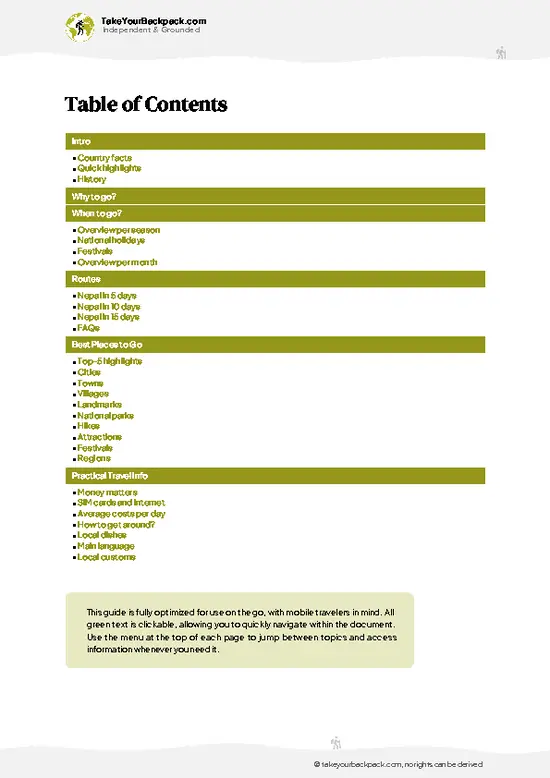
example page 0 from our offline Travel Guide for Nepal
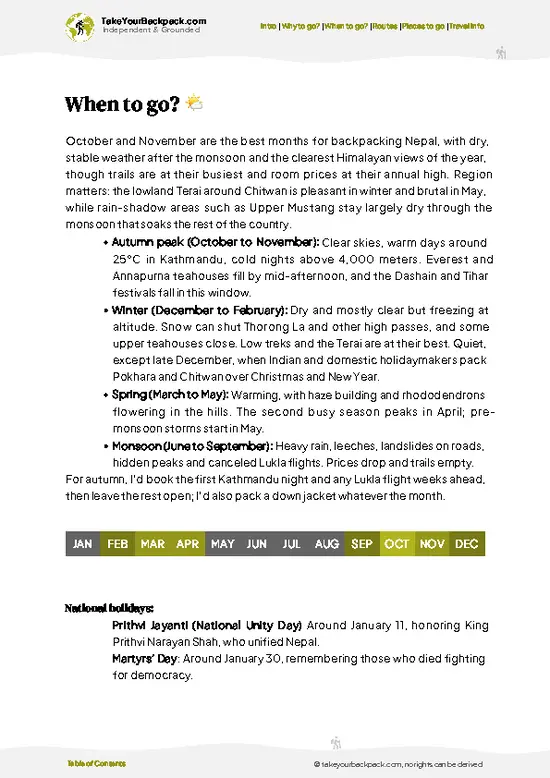
example page 1 from our offline Travel Guide for Nepal
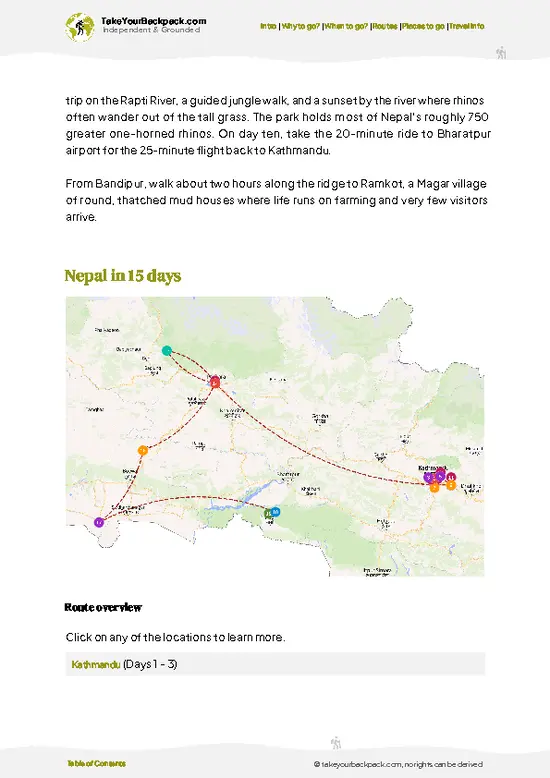
example page 2 from our offline Travel Guide for Nepal
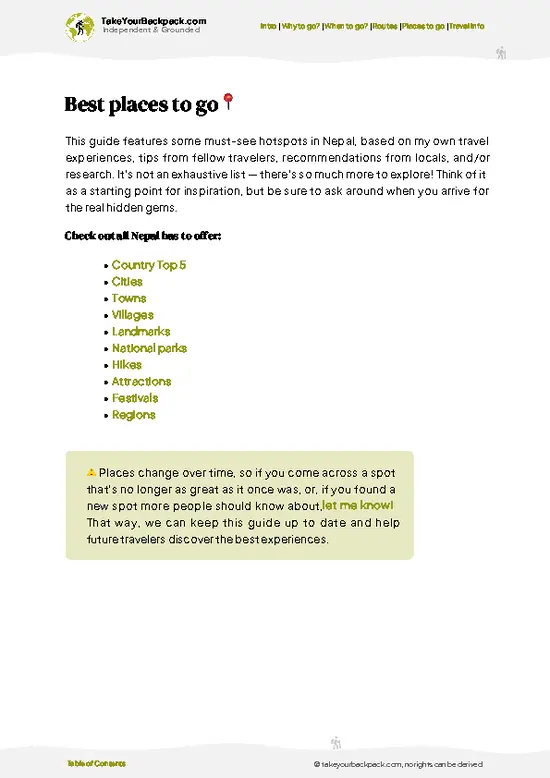
example page 3 from our offline Travel Guide for Nepal
example page 4 from our offline Travel Guide for Nepal
example page 5 from our offline Travel Guide for Nepal
example page 6 from our offline Travel Guide for Nepal
example page 7 from our offline Travel Guide for Nepal
The digital guide (402 pages) contains:
107 highlights, ranked by travel appeal
Optimized 5, 10 & 15-day travel routes
Cities, national parks, landmarks, beaches
How to get around
Offline-friendly for travel without Wi-Fi
👉 Click to see all 30+ guide features

📅 Plan smarter in minutes, not weeks
Month by month travel advice
Festivals & national holidays
Budget expectations

🗺️ Go to the right places, skip the overrated ones
Honest pros & cons of destinations
Top hikes, parks & viewpoints
Lesser-known places most travelers miss
Clear “worth it vs skip it” guidance

🛏️ Travel smoothly without rookie mistakes
Best areas to stay
Transport systems explained simply
Common scams & safety advice
SIM cards, money & practical tips

🌍 Understand the country, not just visit it
Culture & traditions
52 Essential phrases & customs
Festivals worth planning around
Traveler-friendly historical context
Insights that make places more meaningful

📱 Built for real travel conditions
Fully downloadable PDF
Works completely offline
Optimized for phone use
Useful in remote areas & buses
Everything in one place
Save weeks of stressful planning
Get instant access to your full guide. 30‑day money-back guarantee.


By proceeding you agree to our terms.
Sent to your inbox immediately after payment • 100% Secure Checkout
Best Backpacking Travel Advisor 2025 tourism awardBest Backpacking
Travel Advisor
2025
What others say about Take Your Backpack Guides:
⭐⭐⭐⭐⭐
Fantastic, amazing amount of information!
⭐⭐⭐⭐⭐
My goodness this is amazing, it's what I've been looking for hats off too you!
⭐⭐⭐⭐⭐
I think this is absolutely BRILLIANT
⭐⭐⭐⭐
Very complete and informative. It's still missing places, but I gotta to commend you
⭐⭐⭐⭐⭐
This is truly amazing, thank you, can't wait to explore it with my kids!
⭐⭐⭐⭐⭐
Awesome resource, thank you!
⭐⭐⭐⭐⭐
This is amazing! Can't wait to explore the ones I haven't seen
⭐⭐⭐⭐
I love this! Well done, great idea.
⭐⭐⭐⭐⭐
Thanks for taking the time to make this gem!
⭐⭐⭐⭐⭐
This might be the best website I've ever seen.
⭐⭐⭐⭐⭐
Congratulations, and thank you so much for your work; it's incredibly valuable.
⭐⭐⭐⭐
In all seriousness I think you did a great job pointing out the important spots
⭐⭐⭐⭐⭐
10/10 very good
⭐⭐⭐⭐⭐
As someone who's only just starting to visit regularly this is awesome, thank you.
⭐⭐⭐⭐
Thank you very much! I'm going to visit my dad, it's going to be very useful!
⭐⭐⭐⭐⭐
This is really cool! We'll be travelling for the first time and this definitely come in handy.
⭐⭐⭐⭐⭐
You are now our minister of culture, congratulations 👨‍💼
⭐⭐⭐⭐⭐
Just wanted to tell you that this is a pearl! Going to follow your recommendations.
⭐⭐⭐⭐⭐
This is so cool. I'll definitely be using the resource for my travels soon.
⭐⭐⭐⭐⭐
This is very impressive! Good work.
⭐⭐⭐⭐⭐
This is an amazing and informative site. Very well done!

🛏️ Where to stay?Where staying makes the most sense

Sagarmatha National Park is a breathtaking destination, but finding the right place to stay can make or break your experience. Inside the park, options are limited, but you can find basic teahouses along the main trekking routes. These teahouses offer a roof over your head and meals, but don’t expect luxury. They’re often crowded, especially during peak season, so booking ahead is wise.

Namche Bazaar is the most popular base for trekkers. It’s a bustling hub with various lodges, from budget-friendly to mid-range. Staying here gives you access to shops, ATMs, and internet cafes, which can be a … read more 👉
Sagarmatha National Park is a breathtaking destination, but finding the right place to stay can make or break your experience. Inside the park, options are limited, but you can find basic teahouses along the main trekking routes. These teahouses offer a roof over your head and meals, but don’t expect luxury. They’re often crowded, especially during peak season, so booking ahead is wise.

Namche Bazaar is the most popular base for trekkers. It’s a bustling hub with various lodges, from budget-friendly to mid-range. Staying here gives you access to shops, ATMs, and internet cafes, which can be a lifesaver. Plus, it’s a great spot to acclimatize before heading deeper into the park.

Lukla, the gateway to Sagarmatha, has a few guesthouses, but it’s primarily a transit point. If you’re looking for a quieter experience, consider Phakding or Monjo, both of which have teahouses and are less touristy than Namche.

Be prepared for fluctuating prices. Costs can rise significantly during peak trekking seasons. Always carry cash, as ATMs can be unreliable. Prioritize your energy and budget for the experiences that matter most—like the stunning views and the camaraderie of fellow trekkers.

👛 Costs (as of 4 February 2026)What things cost and how to budget

Visiting Sagarmatha National Park in Nepal comes with a few essential costs that can catch you off guard if you’re not prepared.

First, there’s the entry fee. As of the latest estimates, the cost is around $30 USD for foreign tourists. This fee helps maintain the park and its facilities, so it’s worth it.

Next, consider the cost of permits. If you plan to trek in the region, you’ll need a TIMS (Trekkers’ Information Management System) card, which typically costs about $20 USD. This is crucial for your safety and helps the local authorities keep track of trekkers.

Accommodation varies widely. In the lower areas, you might find basic lodges for around $10 to $20 USD per night. As you ascend, prices can jump to $30 to $50 USD or more, especially in popular spots like Namche Bazaar. Always … read more 👉
Visiting Sagarmatha National Park in Nepal comes with a few essential costs that can catch you off guard if you’re not prepared.

First, there’s the entry fee. As of the latest estimates, the cost is around $30 USD for foreign tourists. This fee helps maintain the park and its facilities, so it’s worth it.

Next, consider the cost of permits. If you plan to trek in the region, you’ll need a TIMS (Trekkers’ Information Management System) card, which typically costs about $20 USD. This is crucial for your safety and helps the local authorities keep track of trekkers.

Accommodation varies widely. In the lower areas, you might find basic lodges for around $10 to $20 USD per night. As you ascend, prices can jump to $30 to $50 USD or more, especially in popular spots like Namche Bazaar. Always check what’s included—some places might charge extra for hot showers or meals.

Food costs can add up too. Expect to pay around $5 to $10 USD for a meal in lower villages, but this can rise to $15 to $25 USD in higher altitudes. The more remote the location, the pricier the food, as everything is carried in.

Transportation to the park is another factor. A flight from Kathmandu to Lukla, the gateway to the park, can range from $150 to $200 USD one way. This is a significant expense, so factor it into your budget early on.

Lastly, always keep a buffer for unexpected costs. Weather can delay flights, and you might need extra funds for gear or emergency supplies.

Being aware of these costs will help you manage your budget effectively, allowing you to focus on the breathtaking experiences that Sagarmatha National Park offers.


source: welcomenepal.com
⚠️ Prices can change and everyone travels differently, so take this as a rough guide. Hope it helps you plan your adventure!

🥾 TrailsExploring Sagarmatha: trails, terrain, and views

Sagarmatha National Park is a gem in Nepal, offering some of the most breathtaking hiking opportunities on the planet. With the iconic Everest looming in the background, the park’s trails weave through stunning landscapes, from lush valleys to rugged mountain terrain. You’ll encounter charming Sherpa villages, ancient monasteries, and a variety of wildlife, including the elusive snow leopard and colorful pheasants.

One of the standout trails is the Everest Base Camp Trek. Here’s what you need to know:
  • Length: 130 km (round trip)
  • Estimated Duration: 12-14 days
  • Difficulty Level: Challenging
  • Key Features:
read more 👉
Sagarmatha National Park is a gem in Nepal, offering some of the most breathtaking hiking opportunities on the planet. With the iconic Everest looming in the background, the park’s trails weave through stunning landscapes, from lush valleys to rugged mountain terrain. You’ll encounter charming Sherpa villages, ancient monasteries, and a variety of wildlife, including the elusive snow leopard and colorful pheasants.

One of the standout trails is the Everest Base Camp Trek. Here’s what you need to know:
  • Length: 130 km (round trip)
  • Estimated Duration: 12-14 days
  • Difficulty Level: Challenging
  • Key Features: Stunning views of Everest, Kala Patthar sunrise, traditional Sherpa culture
  • Terrain: Varied; includes rocky paths, steep ascents, and some glacier crossings

Another popular option is the Gokyo Lakes Trek. Check this out:
  • Length: 70 km (round trip)
  • Estimated Duration: 10-12 days
  • Difficulty Level: Moderate to Challenging
  • Key Features: Beautiful turquoise lakes, views of Cho Oyu, and the Gokyo Ri summit
  • Terrain: Mostly well-defined trails, with some steep sections and high-altitude challenges

Getting to Sagarmatha National Park isn’t too tricky. Most travelers fly into Lukla, which is a short, thrilling flight from Kathmandu. From there, you can start your trek. Public transport options are limited, but you can find plenty of guides and groups to join if you’re feeling social.

As for crowds, it can get busy, especially during peak trekking seasons (spring and autumn). So, if you’re seeking solitude, consider going in the off-season, though be prepared for some unpredictable weather. There’s an entrance fee, which helps maintain the park, so make sure to budget for that. Overall, if you’re ready for an adventure, Sagarmatha offers unforgettable experiences that’ll stick with you long after the trek is over.
⚠️ Hiking info can sometimes be outdated or inaccurate. Before you hit the trail, check the latest conditions with locals. If you do spot anything that's off, I'd love to hear from you, so I can update it for fellow travelers.

🛡️ SafetyStaying Safe: What Travelers Should Know

Sagarmatha National Park offers a breathtaking experience, but it’s essential to stay grounded about what you’ll encounter. Weather can shift rapidly; sunny mornings can turn into snow flurries by afternoon. Dress in layers and be ready for anything.

The trails vary from well-maintained paths to steep, rocky sections that demand careful footing. Navigation is generally straightforward, but having a map or GPS can save you from unnecessary detours. River crossings are rare but can be tricky during the monsoon season, so keep an eye on the weather.

Altitude sickness is a real concern. Take your time acclimatizing; don’t rush your ascent. Listen to your body.

Wildlife encounters are infrequent, but if you see a yak or a goat, give them space. They’re part of the landscape, not your photo … read more 👉
Sagarmatha National Park offers a breathtaking experience, but it’s essential to stay grounded about what you’ll encounter. Weather can shift rapidly; sunny mornings can turn into snow flurries by afternoon. Dress in layers and be ready for anything.

The trails vary from well-maintained paths to steep, rocky sections that demand careful footing. Navigation is generally straightforward, but having a map or GPS can save you from unnecessary detours. River crossings are rare but can be tricky during the monsoon season, so keep an eye on the weather.

Altitude sickness is a real concern. Take your time acclimatizing; don’t rush your ascent. Listen to your body.

Wildlife encounters are infrequent, but if you see a yak or a goat, give them space. They’re part of the landscape, not your photo op.

Preparation is key. Many first-timers underestimate the importance of a good pair of trekking boots and a reliable water filter. Invest in quality gear, and you’ll conserve energy for the moments that truly matter.

Other Nepali national parks near Sagarmatha

Explore more nearby:


💡 Not sure where to go next?
Create a personalized itinerary for Nepal including Sagarmatha and the places that fit your trip.

Generate my itinerary

👉 Discover all national parks

Or checkout all Nepal has to offer (think cities, towns, villages, national parks, hikes, beaches, festivals)
Country photo of Nepal

We 💚 feedbackKey takeaways before you go

Sagarmatha National Park is a breathtaking testament to nature’s raw power. Standing beneath Everest’s towering presence is a humbling experience that stays with you. But be prepared: the altitude can hit hard. Acclimatization isn’t just a suggestion; it’s essential. Take your time, listen to your body, and don’t rush the journey. The moments you spend adjusting will pay off in memories that last a lifetime. Prioritize your health, and the park will reward you richly.

✈️ When did I visit Nepal?
Being a mountain lover, Nepal is one of my favorites. I visited it in November 2006, hiking the full Annapurna circuit as my highlight.

✍️ Help improve this page!
The information on this page is based on my own backpacking experience in Nepal, supplemented with up-to-date research and feedback from other travelers. Travel details can change, so if you notice anything outdated or incomplete, feel free to let me know.


🙋‍♂️ Give feedback

👋 Meet the founderWho’s Behind Take Your Backpack?

Johan, backpacker and founder of TakeYourBackpackHi, I’m Johan (Netherlands 🇳🇱), the creator of TakeYourBackpack. Over the past decade, I’ve backpacked through 80+ countries across six continents, gaining extensive experience with independent travel, long-term trips, and overland routes.

This site is built on a combination of firsthand travel experience and carefully curated insights from other backpackers. Many guides are based on places I’ve personally visited, while others bring together tips, observations, and practical advice shared by trusted travelers I’ve met along the way.

The goal is to provide realistic, experience-driven guidance — not generic itineraries — so you can explore destinations with better context, clearer expectations, and more confidence.

Get full Nepal guide •
Instant download • 107 highlights • Full Offline guide