


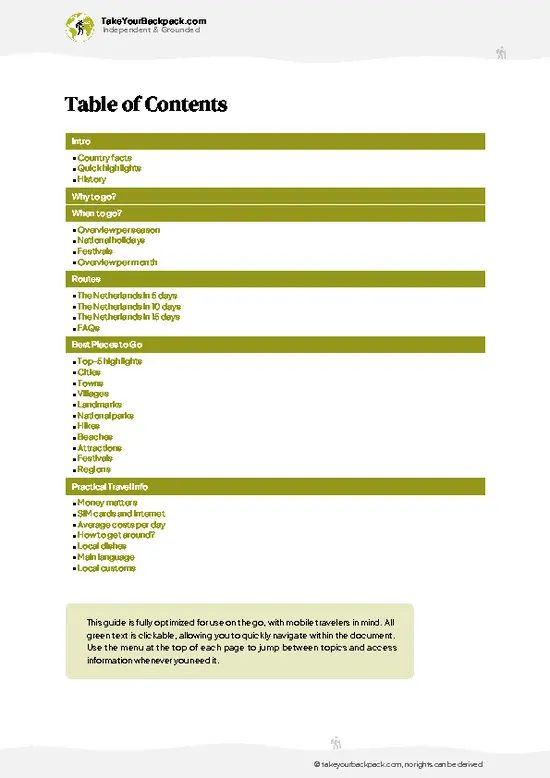

The Secret Annex
Forget the Instagram shots of the canal house façade. The real gravity hits when you step through the swinging bookcase and into the cramped, suffocating rooms where Anne Frank and seven others hid for over two years. The walls are close, the ceilings low, and the air feels heavy with the weight of real lives paused in terror and hope. You see the pencil marks tracking Anne and Margot’s growth, the faded magazine clippings Anne pasted to the walls for comfort. This isn’t a set piece—it’s the raw, unvarnished core of the Anne Frank House, and it’s impossible to walk through without feeling the pulse of history under your skin.
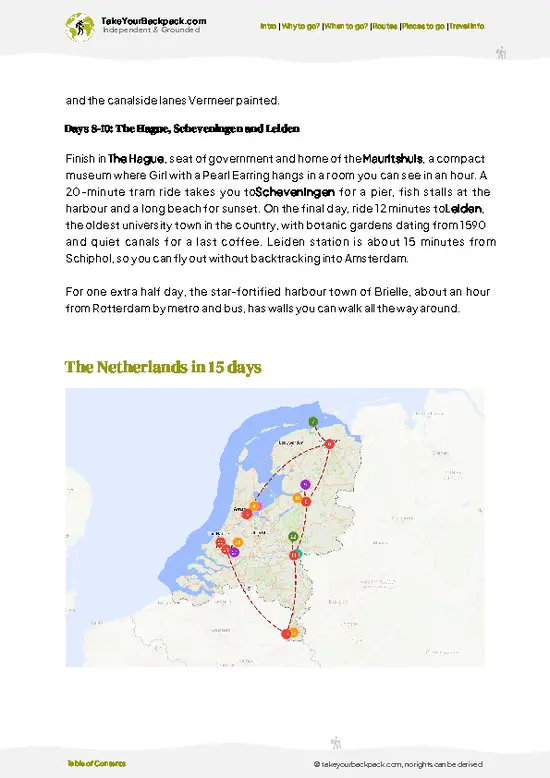
Anne’s Original Diary
You don’t need to be a literary buff to feel the electricity in the room where Anne’s actual red-checked diary sits under glass. … read more 👉
Forget the Instagram shots of the canal house façade. The real gravity hits when you step through the swinging bookcase and into the cramped, suffocating rooms where Anne Frank and seven others hid for over two years. The walls are close, the ceilings low, and the air feels heavy with the weight of real lives paused in terror and hope. You see the pencil marks tracking Anne and Margot’s growth, the faded magazine clippings Anne pasted to the walls for comfort. This isn’t a set piece—it’s the raw, unvarnished core of the Anne Frank House, and it’s impossible to walk through without feeling the pulse of history under your skin.
Anne’s Original Diary
You don’t need to be a literary buff to feel the electricity in the room where Anne’s actual red-checked diary sits under glass. … read more 👉
The Secret Annex
Forget the Instagram shots of the canal house façade. The real gravity hits when you step through the swinging bookcase and into the cramped, suffocating rooms where Anne Frank and seven others hid for over two years. The walls are close, the ceilings low, and the air feels heavy with the weight of real lives paused in terror and hope. You see the pencil marks tracking Anne and Margot’s growth, the faded magazine clippings Anne pasted to the walls for comfort. This isn’t a set piece—it’s the raw, unvarnished core of the Anne Frank House, and it’s impossible to walk through without feeling the pulse of history under your skin.
Anne’s Original Diary
You don’t need to be a literary buff to feel the electricity in the room where Anne’s actual red-checked diary sits under glass. This isn’t a replica or a digital scan—it’s the real thing, the artifact that turned a teenager’s private thoughts into one of the world’s most powerful testaments to resilience. The handwriting is small, looping, and achingly young. Seeing it in person is a gut punch: this was a real girl, with real dreams, not just a symbol.
The Bookcase Entrance
It’s not just a quirky architectural detail. The swinging bookcase is the literal threshold between normalcy and nightmare. You’ll see it up close, and it’s smaller than you expect—almost absurdly so. The moment you duck through, you’re crossing into a world where silence was survival. It’s a physical, visceral reminder of the stakes, and it’s the kind of detail that sticks with you long after you leave.
Personal Artifacts
The Anne Frank House doesn’t drown you in relics, but what’s there is chosen with surgical precision. You’ll see the Frank family’s photographs, ration coupons, and even the pots and pans they used. These aren’t museum props—they’re the everyday objects that make the story hit home. The chipped plates and worn shoes are proof that this was a lived-in space, not a legend.
Audio Testimonies and Video Interviews
This is where the museum pulls you out of textbook history and into the messy, complicated present. Survivors, friends, and even the people who helped hide the Franks speak directly to you through audio and video. Their voices cut through the silence of the rooms, adding layers of perspective and emotion that no placard could ever deliver. This is my personal favorite—hearing Miep Gies describe her fear and resolve is more gripping than any dramatization.
The View from the Attic Window
You can’t actually climb into the attic, but you can peer through a glass panel at the same patch of sky Anne described in her diary. It’s a sliver of freedom, framed by the rooftops of Amsterdam. For a moment, you see what she saw: hope, longing, and the world just out of reach. It’s a quiet, devastating detail that Instagram never captures.
Forget the Instagram shots of the canal house façade. The real gravity hits when you step through the swinging bookcase and into the cramped, suffocating rooms where Anne Frank and seven others hid for over two years. The walls are close, the ceilings low, and the air feels heavy with the weight of real lives paused in terror and hope. You see the pencil marks tracking Anne and Margot’s growth, the faded magazine clippings Anne pasted to the walls for comfort. This isn’t a set piece—it’s the raw, unvarnished core of the Anne Frank House, and it’s impossible to walk through without feeling the pulse of history under your skin.
Anne’s Original Diary
You don’t need to be a literary buff to feel the electricity in the room where Anne’s actual red-checked diary sits under glass. This isn’t a replica or a digital scan—it’s the real thing, the artifact that turned a teenager’s private thoughts into one of the world’s most powerful testaments to resilience. The handwriting is small, looping, and achingly young. Seeing it in person is a gut punch: this was a real girl, with real dreams, not just a symbol.
The Bookcase Entrance
It’s not just a quirky architectural detail. The swinging bookcase is the literal threshold between normalcy and nightmare. You’ll see it up close, and it’s smaller than you expect—almost absurdly so. The moment you duck through, you’re crossing into a world where silence was survival. It’s a physical, visceral reminder of the stakes, and it’s the kind of detail that sticks with you long after you leave.
Personal Artifacts
The Anne Frank House doesn’t drown you in relics, but what’s there is chosen with surgical precision. You’ll see the Frank family’s photographs, ration coupons, and even the pots and pans they used. These aren’t museum props—they’re the everyday objects that make the story hit home. The chipped plates and worn shoes are proof that this was a lived-in space, not a legend.
Audio Testimonies and Video Interviews
This is where the museum pulls you out of textbook history and into the messy, complicated present. Survivors, friends, and even the people who helped hide the Franks speak directly to you through audio and video. Their voices cut through the silence of the rooms, adding layers of perspective and emotion that no placard could ever deliver. This is my personal favorite—hearing Miep Gies describe her fear and resolve is more gripping than any dramatization.
The View from the Attic Window
You can’t actually climb into the attic, but you can peer through a glass panel at the same patch of sky Anne described in her diary. It’s a sliver of freedom, framed by the rooftops of Amsterdam. For a moment, you see what she saw: hope, longing, and the world just out of reach. It’s a quiet, devastating detail that Instagram never captures.
Spotted a mistake or missing something? Contact us.
v2.webp)


Best Backpacking
Hi, I’m Johan (Netherlands 🇳🇱), the creator of TakeYourBackpack. Over the past decade, I’ve backpacked through 80+ countries across six continents, gaining extensive experience with independent travel, long-term trips, and overland routes.