
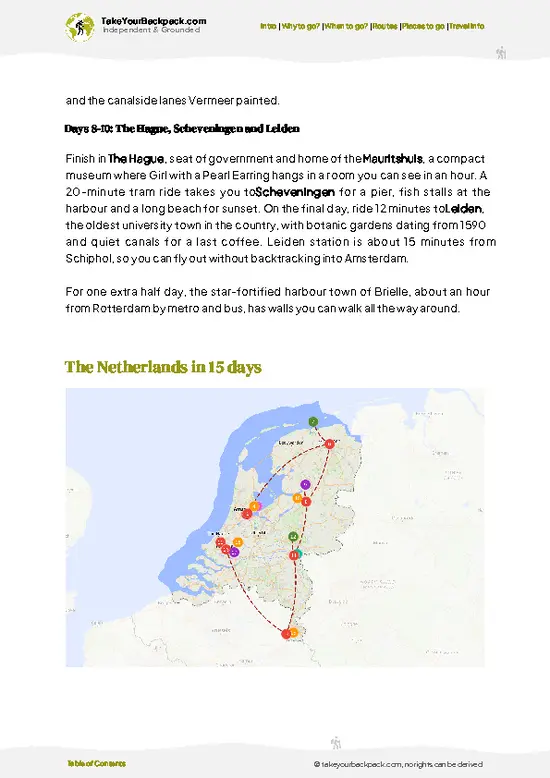
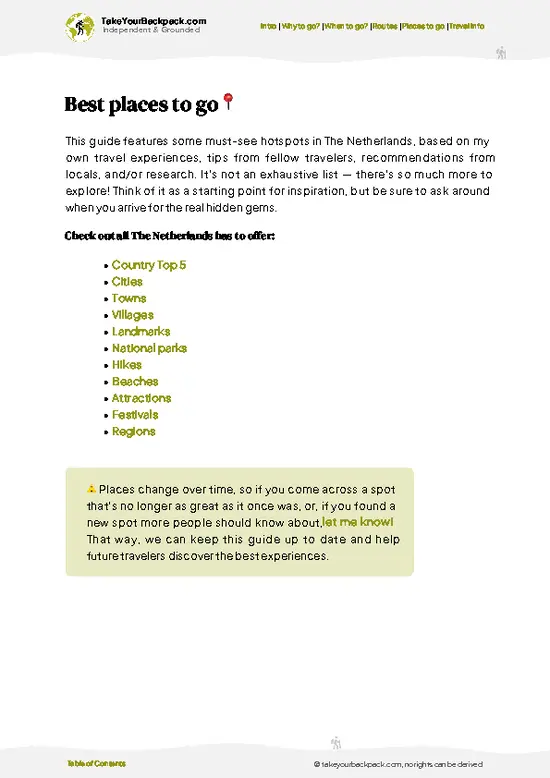
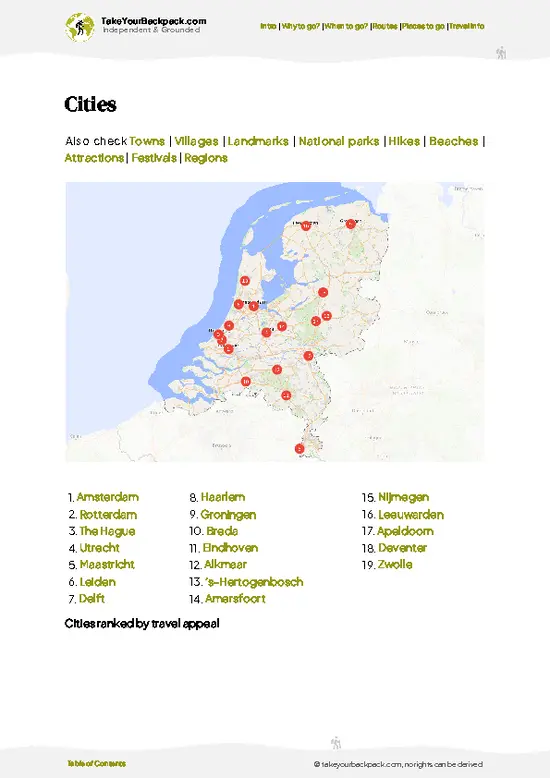
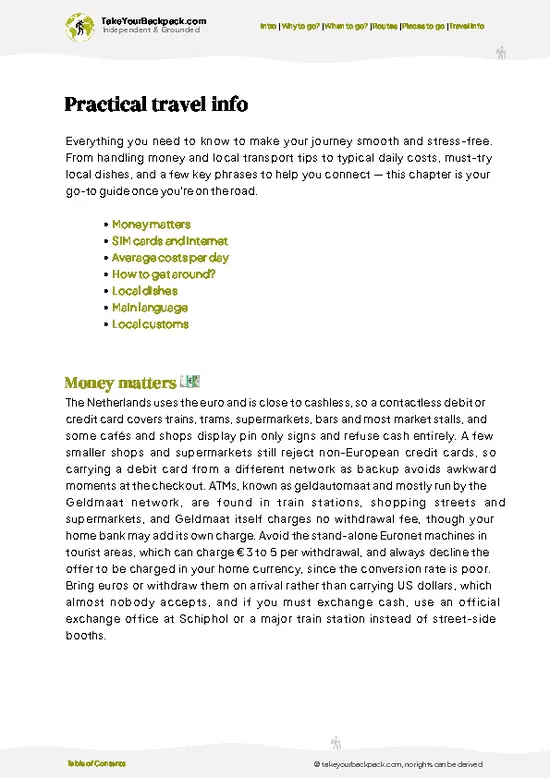
- Raised bog restoration areas: Rewetted peat once cut for fuel is returning to bog, with cotton grass and sphagnum moss visible from the paths.
- Crane sightings: Common cranes gather here in numbers, especially in spring and autumn migration.
- Black grouse history and heathland birds: Wet heath supports species like the nightjar and stonechat, best heard around dusk in summer.
- Tourist Information Point: A simple starting place with route maps and a view over the reserve’s open expanse.
- Cotton grass fields: In late spring the white tufts cover wide patches of the bog, which makes it an excellent photo subject.
- Border landscape with Germany: The reserve continues into Germany’s Engbertsdijksvenen, so the same bog stretches across the frontier.
- Observation points: Elevated spots allow you to scan for
- Raised bog restoration areas: Rewetted peat once cut for fuel is returning to bog, with cotton grass and sphagnum moss visible from the paths.
- Crane sightings: Common cranes gather here in numbers, especially in spring and autumn migration.
- Black grouse history and heathland birds: Wet heath supports species like the nightjar and stonechat, best heard around dusk in summer.
- Tourist Information Point: A simple starting place with route maps and a view over the reserve’s open expanse.
- Cotton grass fields: In late spring the white tufts cover wide patches of the bog, which makes it an excellent photo subject.
- Border landscape with Germany: The reserve continues into Germany’s Engbertsdijksvenen, so the same bog stretches across the frontier.
- Observation points: Elevated spots allow you to scan for birds without leaving the route or disturbing nesting areas.
Spotted a mistake or missing something? Contact us.

Historical Canal Tour

Groningen: Terrace Boat Experience with a Cozy Bar: 1 hour

Groningen: Terrace Boat Experience with a Cozy Bar: 1.5 Hours

Perfumery Exploration Workshop in Groningen

Groningen: 2 Hour Party Booze Cruise with Unlimited Drinks

e-Scavenger hunt Groningen: Explore the city at your own pace

Discover Groningen in this Outside Escape city game tour!

Groningen: Canal Cruise - open boat (optional) Audio Guide

Murder City Game with Live Game Supervisor in Groningen


 Best Backpacking
 Hi, I’m Johan (Netherlands 🇳🇱), the creator of TakeYourBackpack. Over the past 3 decades, I’ve backpacked through 90+ countries across six continents, gaining extensive experience with independent travel, long-term trips, and overland routes.