How many parks to visit: Two to four national parks is the right number for most backpackers. Each park here is a day-hike or day-ride scale area, so after the fourth the landscapes of heath, dune and forest start to blur, while two give enough contrast to feel like different countries. Choose
one coastal or wetland park and one inland heath or forest park, then add more only if you have a week or longer.
Prioritizing by travel style: Birders and photographers should favor
coastal, wetland and Wadden areas, where migratory flocks and tidal light are the draw, and where guided mudflat walks (wadlopen) are possible. Hikers and cyclists get more from the
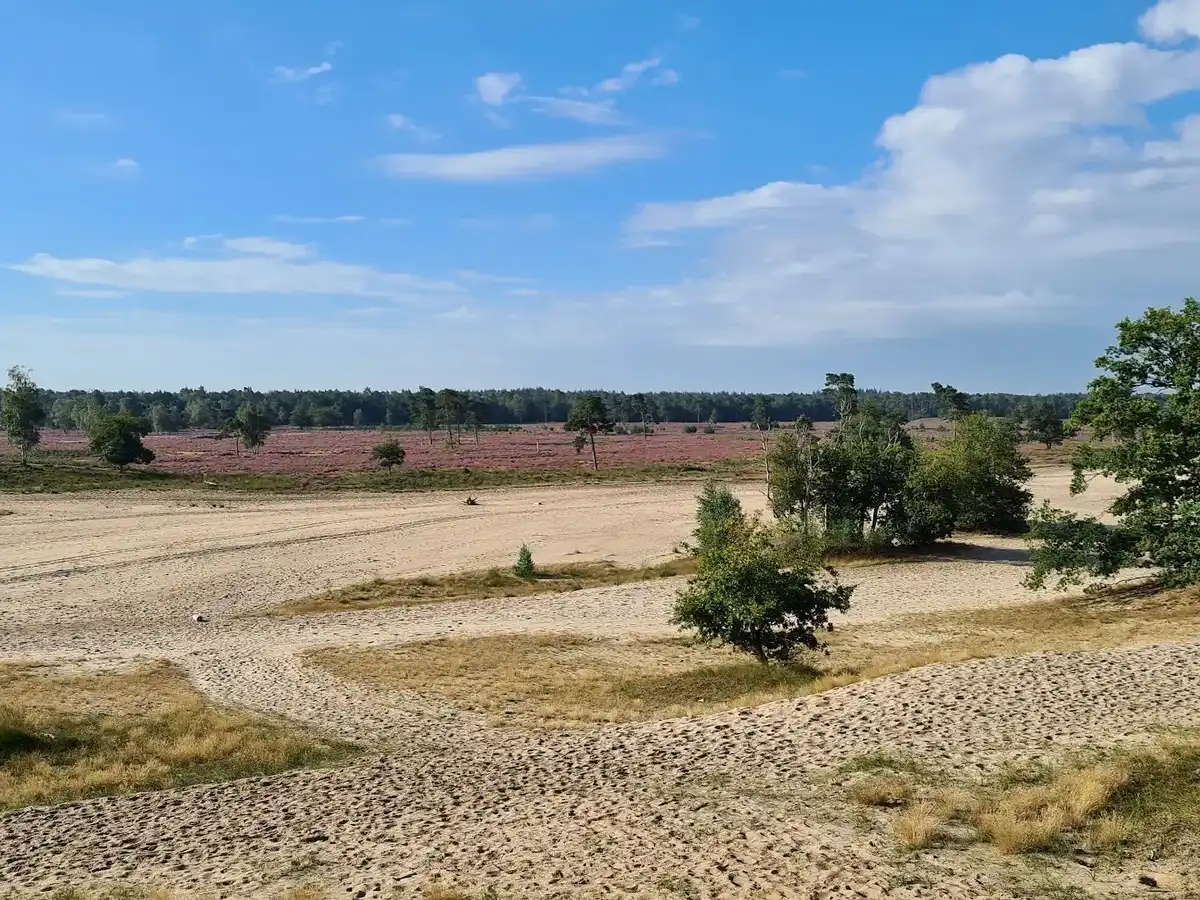
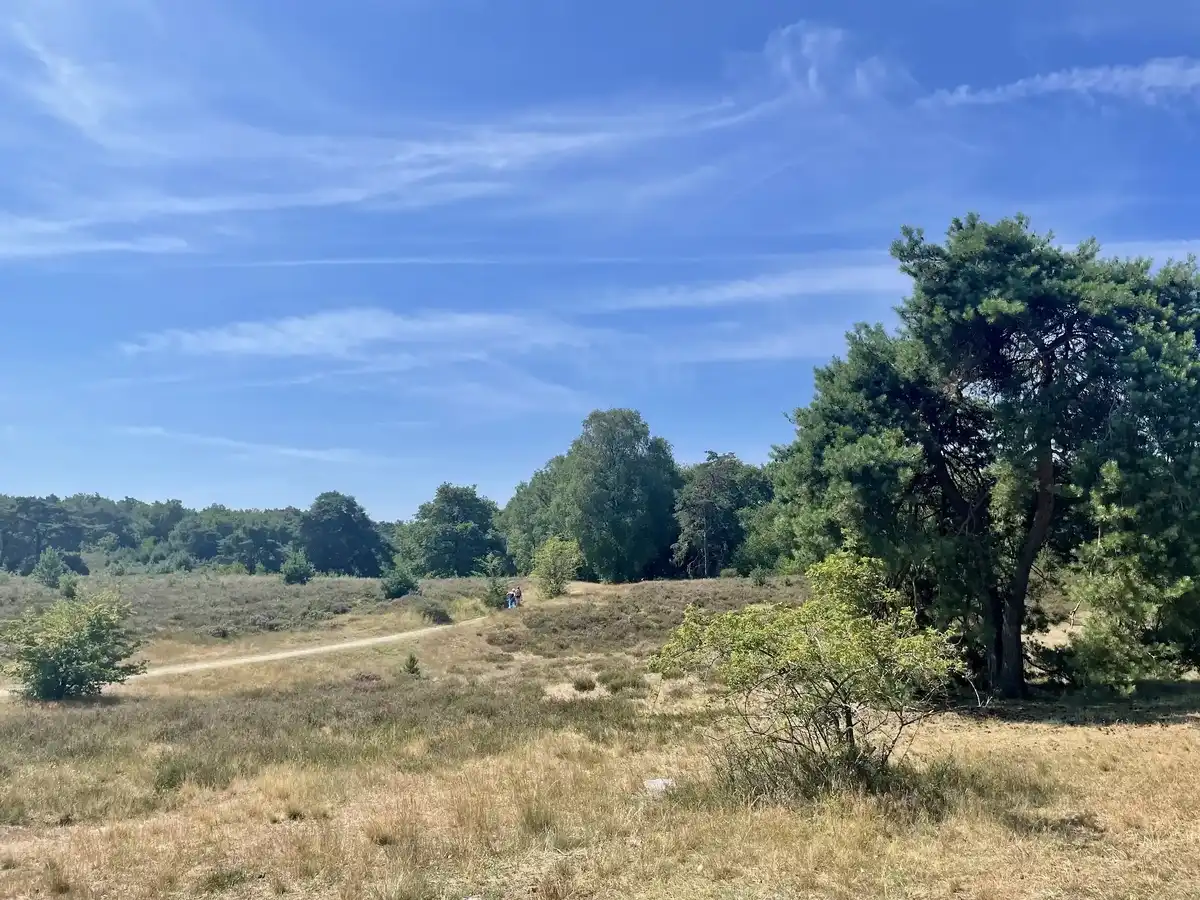
inland heath and forest parks, which have long marked loops and are easy to link by bike. Anyone short on time should pick the park closest to …
read more 👉 How many parks to visit: Two to four national parks is the right number for most backpackers. Each park here is a day-hike or day-ride scale area, so after the fourth the landscapes of heath, dune and forest start to blur, while two give enough contrast to feel like different countries. Choose
one coastal or wetland park and one inland heath or forest park, then add more only if you have a week or longer.
Prioritizing by travel style: Birders and photographers should favor
coastal, wetland and Wadden areas, where migratory flocks and tidal light are the draw, and where guided mudflat walks (wadlopen) are possible. Hikers and cyclists get more from the
inland heath and forest parks, which have long marked loops and are easy to link by bike. Anyone short on time should pick the park closest to a rail station, since it saves half a day of transfers.
What it costs: Entry to most parks is
free, because land is mixed public and private and open access is the norm. Some visitor centers, museums and observation towers charge €5 to 15. Budget about
€50 to 90 a day for a backpacker: hostel dorm or campsite €25 to 45, food from supermarkets and bakeries €12 to 20, and local transport €5 to 15. Bike rental runs €10 to 18 a day, and OV-fiets at stations is often cheaper if you have a Dutch registration or account, so compare it with shop rental. Guided tours, such as a mudflat walk, cost roughly €15 to 40 and are worth the money, because crossing flats alone is dangerous. A full park visit, with guide or center fee and bike, usually lands at €20 to 55.
Safety and etiquette: The biggest hazards are
weather and tides, not wildlife. Wind, sudden rain and cold are routine, so carry a rain shell even in summer. Never walk onto tidal flats without a certified guide, as the tide returns fast and fog can remove all landmarks. Ticks are common in heath and forest from spring to autumn, so wear long trousers and check skin afterward. Cyclists are fast and paths are shared, so stay out of bike lanes when walking and keep right.
Cultural rules: Wild camping is generally prohibited, and fines apply, so book the designated campsites or hostels near the edge of the parks. Stay on marked paths, since much of the land is carefully managed habitat. Dogs are usually required to be leashed, especially in bird nesting season from spring into early summer. Dutch is the default, but English is widely spoken, and a friendly greeting to passing cyclists and walkers is the norm. Weekends near the Randstad draw local crowds, so go midweek for quiet.
v2.webp)







 Best Backpacking
.jpg) Hi, I’m Johan (Netherlands 🇳🇱), the creator of TakeYourBackpack. Over the past 3 decades, I’ve backpacked through 90+ countries across six continents, gaining extensive experience with independent travel, long-term trips, and overland routes.
Hi, I’m Johan (Netherlands 🇳🇱), the creator of TakeYourBackpack. Over the past 3 decades, I’ve backpacked through 90+ countries across six continents, gaining extensive experience with independent travel, long-term trips, and overland routes.