v2.webp)
Fort Kijkduin
You don’t just walk into Fort Kijkduin—you descend into its thick-walled corridors, where the air is cool and faintly salty, and the echoes of Napoleonic ambition still linger. This 19th-century fortress, built on Napoleon’s orders, is a living lesson in Dutch coastal defense. The real draw is the underground aquarium, where North Sea fish drift past old brickwork. Go in the late afternoon for golden light over the dunes and fewer school groups. Entry is about €13, and you’ll want at least 1.5 hours to do it justice.
Marinemuseum
The Marinemuseum is Den Helder’s anchor to its naval soul. Step aboard the hulking submarine Tonijn—yes, you can actually climb inside—and feel the claustrophobia and thrill of life below the waves. The museum’s dry dock and historic warships are hands-on … read more 👉
You don’t just walk into Fort Kijkduin—you descend into its thick-walled corridors, where the air is cool and faintly salty, and the echoes of Napoleonic ambition still linger. This 19th-century fortress, built on Napoleon’s orders, is a living lesson in Dutch coastal defense. The real draw is the underground aquarium, where North Sea fish drift past old brickwork. Go in the late afternoon for golden light over the dunes and fewer school groups. Entry is about €13, and you’ll want at least 1.5 hours to do it justice.
Marinemuseum
The Marinemuseum is Den Helder’s anchor to its naval soul. Step aboard the hulking submarine Tonijn—yes, you can actually climb inside—and feel the claustrophobia and thrill of life below the waves. The museum’s dry dock and historic warships are hands-on … read more 👉
Fort Kijkduin
You don’t just walk into Fort Kijkduin—you descend into its thick-walled corridors, where the air is cool and faintly salty, and the echoes of Napoleonic ambition still linger. This 19th-century fortress, built on Napoleon’s orders, is a living lesson in Dutch coastal defense. The real draw is the underground aquarium, where North Sea fish drift past old brickwork. Go in the late afternoon for golden light over the dunes and fewer school groups. Entry is about €13, and you’ll want at least 1.5 hours to do it justice.
Marinemuseum
The Marinemuseum is Den Helder’s anchor to its naval soul. Step aboard the hulking submarine Tonijn—yes, you can actually climb inside—and feel the claustrophobia and thrill of life below the waves. The museum’s dry dock and historic warships are hands-on history, not just glass-case artifacts. Weekdays outside school holidays are quietest. Tickets run around €13; budget 2 hours if you’re a detail-hound, or an hour for a brisk tour.
De Helderse Vallei
This isn’t your average city park. De Helderse Vallei is a patchwork of wild meadows, reed beds, and a working city farm, all stitched together by winding trails. The scent of hay and brine mixes with the calls of waterfowl. It’s free, and best in spring or early summer when the wildflowers riot and the animals are out. Give yourself an hour to wander, more if you’re with kids or want to climb the lookout tower.
Willemsoord Historic Dockyard
Willemsoord is where Den Helder’s industrial past meets its creative present. The old navy shipyard is now a lively hub: think art studios, quirky cafes, and the occasional open-air market, all set against the backdrop of iron cranes and cobblestones. The best time is late morning, when the bakeries open and the place hums with locals. Free to enter, but bring a few euros for coffee or a snack. An hour is enough for a stroll, but you’ll linger if you catch an event.
Grafelijkheidsduinen
The Grafelijkheidsduinen are Den Helder’s wild lungs—a stretch of coastal dunes where the wind sculpts sand into ever-shifting patterns and the sea air is sharp with salt and pine. It’s a place for quiet walks, birdwatching, or just letting the North Sea wind clear your head. Early morning is magical, with dew on the grass and hardly another soul in sight. Free, and you can spend anywhere from 30 minutes to half a day, depending on your pace.
For day trips, Den Helder is the launchpad for Texel Island (my personal favorite for its sheep cheese and endless beaches), the windswept North Holland Dunes, and the historic village of Huisduinen—each just a short ferry or bike ride away.
You don’t just walk into Fort Kijkduin—you descend into its thick-walled corridors, where the air is cool and faintly salty, and the echoes of Napoleonic ambition still linger. This 19th-century fortress, built on Napoleon’s orders, is a living lesson in Dutch coastal defense. The real draw is the underground aquarium, where North Sea fish drift past old brickwork. Go in the late afternoon for golden light over the dunes and fewer school groups. Entry is about €13, and you’ll want at least 1.5 hours to do it justice.
Marinemuseum
The Marinemuseum is Den Helder’s anchor to its naval soul. Step aboard the hulking submarine Tonijn—yes, you can actually climb inside—and feel the claustrophobia and thrill of life below the waves. The museum’s dry dock and historic warships are hands-on history, not just glass-case artifacts. Weekdays outside school holidays are quietest. Tickets run around €13; budget 2 hours if you’re a detail-hound, or an hour for a brisk tour.
De Helderse Vallei
This isn’t your average city park. De Helderse Vallei is a patchwork of wild meadows, reed beds, and a working city farm, all stitched together by winding trails. The scent of hay and brine mixes with the calls of waterfowl. It’s free, and best in spring or early summer when the wildflowers riot and the animals are out. Give yourself an hour to wander, more if you’re with kids or want to climb the lookout tower.
Willemsoord Historic Dockyard
Willemsoord is where Den Helder’s industrial past meets its creative present. The old navy shipyard is now a lively hub: think art studios, quirky cafes, and the occasional open-air market, all set against the backdrop of iron cranes and cobblestones. The best time is late morning, when the bakeries open and the place hums with locals. Free to enter, but bring a few euros for coffee or a snack. An hour is enough for a stroll, but you’ll linger if you catch an event.
Grafelijkheidsduinen
The Grafelijkheidsduinen are Den Helder’s wild lungs—a stretch of coastal dunes where the wind sculpts sand into ever-shifting patterns and the sea air is sharp with salt and pine. It’s a place for quiet walks, birdwatching, or just letting the North Sea wind clear your head. Early morning is magical, with dew on the grass and hardly another soul in sight. Free, and you can spend anywhere from 30 minutes to half a day, depending on your pace.
For day trips, Den Helder is the launchpad for Texel Island (my personal favorite for its sheep cheese and endless beaches), the windswept North Holland Dunes, and the historic village of Huisduinen—each just a short ferry or bike ride away.
Spotted a mistake or missing something? Contact us.

Private Walking Tour through Leeuwarden
✓ Free cancellation

Haarlem Open-Boat Canal Cruise with Live Guide (Electric Boat)
✓ Free cancellation

Private Electric Boat Rental in Haarlem (No License Required)
✓ Free cancellation

Historical Canal Tour
✓ Free cancellation

Windmills Zaanse Schans small group tour-region Amsterdam
✓ Free cancellation

Amsterdam Private Local Transfer
✓ Free cancellation
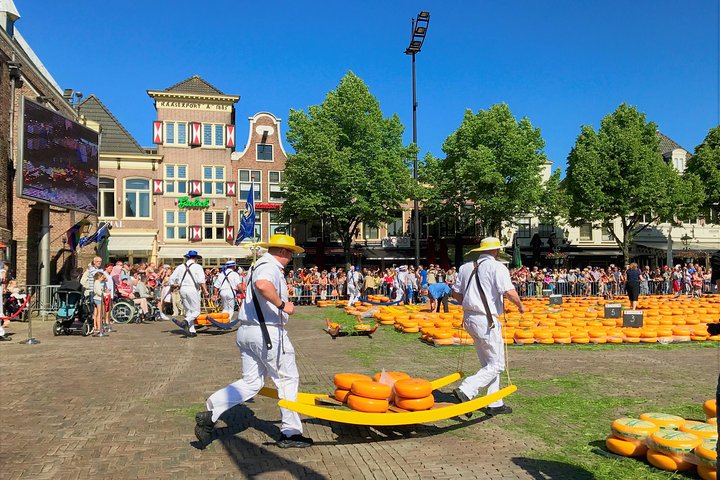
Small Group Alkmaar Cheese Market and City Tour *English*
✓ Free cancellation

Corrie Ten Boom and WW2 Experience
✓ Free cancellation
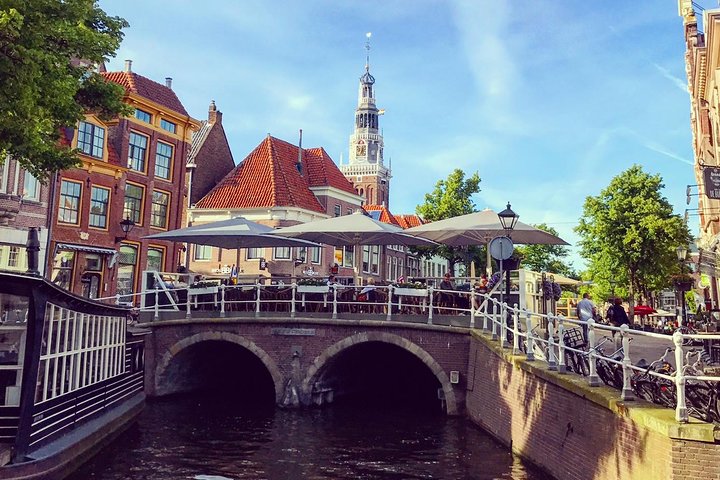
Small Group Alkmaar City Walking Tour *English*
✓ Free cancellation

Perfumery Exploration Workshop in Groningen
✓ Free cancellation

 Best Backpacking
.jpg) Hi, I’m Johan (Netherlands 🇳🇱), the creator of TakeYourBackpack. Over the past decade, I’ve backpacked through 80+ countries across six continents, gaining extensive experience with independent travel, long-term trips, and overland routes.
Hi, I’m Johan (Netherlands 🇳🇱), the creator of TakeYourBackpack. Over the past decade, I’ve backpacked through 80+ countries across six continents, gaining extensive experience with independent travel, long-term trips, and overland routes.