Openluchtmuseum Ootmarsum
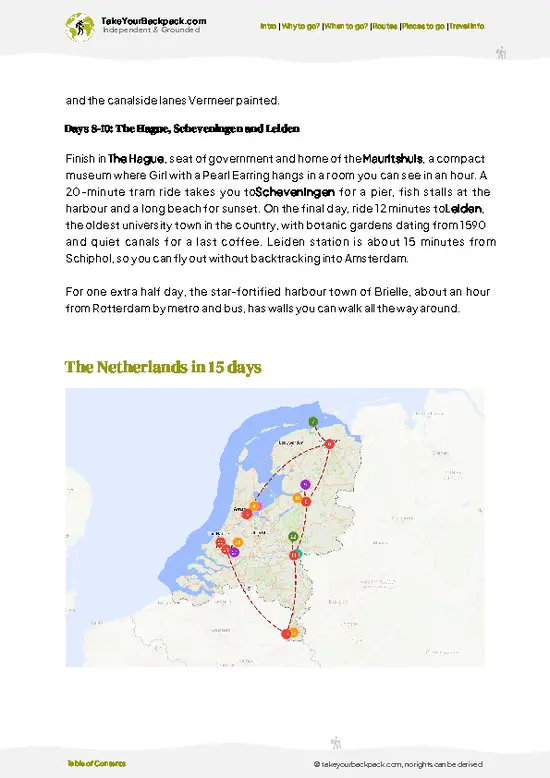
Step through the wooden gate and you’re in another century. This open-air museum isn’t just a collection of old farmhouses and barns—it’s a living, breathing slice of rural Twente. You’ll smell woodsmoke from the blacksmith’s forge, hear the creak of wagon wheels, and see costumed guides baking bread or spinning wool. The museum’s layout makes it easy to wander at your own pace, but don’t rush: the stories are in the details, from the soot-blackened hearths to the hand-carved tools. Go in the late morning when the light is soft and the crowds thin. Entry is around €10, and you’ll want at least two hours to do it justice.
Kunststad Ootmarsum (Art Town)
Ootmarsum’s cobbled lanes are a gallery in themselves. This isn’t art behind glass; it’s sculpture gardens tucked into … read more 👉
Step through the wooden gate and you’re in another century. This open-air museum isn’t just a collection of old farmhouses and barns—it’s a living, breathing slice of rural Twente. You’ll smell woodsmoke from the blacksmith’s forge, hear the creak of wagon wheels, and see costumed guides baking bread or spinning wool. The museum’s layout makes it easy to wander at your own pace, but don’t rush: the stories are in the details, from the soot-blackened hearths to the hand-carved tools. Go in the late morning when the light is soft and the crowds thin. Entry is around €10, and you’ll want at least two hours to do it justice.
Kunststad Ootmarsum (Art Town)
Ootmarsum’s cobbled lanes are a gallery in themselves. This isn’t art behind glass; it’s sculpture gardens tucked into … read more 👉
Openluchtmuseum Ootmarsum
Step through the wooden gate and you’re in another century. This open-air museum isn’t just a collection of old farmhouses and barns—it’s a living, breathing slice of rural Twente. You’ll smell woodsmoke from the blacksmith’s forge, hear the creak of wagon wheels, and see costumed guides baking bread or spinning wool. The museum’s layout makes it easy to wander at your own pace, but don’t rush: the stories are in the details, from the soot-blackened hearths to the hand-carved tools. Go in the late morning when the light is soft and the crowds thin. Entry is around €10, and you’ll want at least two hours to do it justice.
Kunststad Ootmarsum (Art Town)
Ootmarsum’s cobbled lanes are a gallery in themselves. This isn’t art behind glass; it’s sculpture gardens tucked into courtyards, and studios where you can watch artists at work. The town’s reputation as an “art city” is earned—there are over 30 galleries, most open for browsing and conversation. The best time to visit is late afternoon, when the sun slants through stained glass and the artists are more likely to chat. Free to wander; budget for a coffee or a small print if something catches your eye. Allow 1-2 hours, more if you’re the linger-and-ponder type.
Chronomium (Museum of Time)
This is not your average clock museum. The Chronomium is a kinetic playground of timepieces, automata, and mechanical oddities. You’ll hear the tick and whirr of centuries-old clocks, and if you’re lucky, catch a demonstration of a musical automaton. The building itself is a converted school, with creaky floors and sunlight filtering through tall windows. Visit midweek for fewer crowds. Entry is about €8, and an hour is enough unless you’re a horology fanatic.
St. Simon and Judas Church
This Romanesque church anchors the town both physically and spiritually. Step inside and the hush is immediate—stone arches, flickering candles, and the faint scent of old hymnals. The church dates to the 12th century, and you can feel the weight of centuries in the worn pews and faded frescoes. It’s open most days, free to enter, and best visited in the quiet of early morning or just before dusk. Twenty minutes is enough for a look, but linger if you want to soak up the atmosphere.
Springend Paard (The Leaping Horse)
Not a statue, but a centuries-old inn that’s become a local institution. The Springend Paard is where you taste Ootmarsum’s hospitality—think dark wood, low beams, and a menu heavy on regional specialties like Twentse krentenwegge (currant bread) and local beer. Go for lunch or an early dinner; the place fills up with locals by evening. Expect to spend €15-€25 for a meal. Give yourself an hour, or two if you’re settling in for conversation.
Ootmarsum is compact, but just outside town you’ll find the rolling Springendal nature reserve, the open fields of the Kuiperberg, and the quirky Cosmos Sterrenwacht (observatory). Springendal is my personal favorite—bring boots and a sense of adventure.
Step through the wooden gate and you’re in another century. This open-air museum isn’t just a collection of old farmhouses and barns—it’s a living, breathing slice of rural Twente. You’ll smell woodsmoke from the blacksmith’s forge, hear the creak of wagon wheels, and see costumed guides baking bread or spinning wool. The museum’s layout makes it easy to wander at your own pace, but don’t rush: the stories are in the details, from the soot-blackened hearths to the hand-carved tools. Go in the late morning when the light is soft and the crowds thin. Entry is around €10, and you’ll want at least two hours to do it justice.
Kunststad Ootmarsum (Art Town)
Ootmarsum’s cobbled lanes are a gallery in themselves. This isn’t art behind glass; it’s sculpture gardens tucked into courtyards, and studios where you can watch artists at work. The town’s reputation as an “art city” is earned—there are over 30 galleries, most open for browsing and conversation. The best time to visit is late afternoon, when the sun slants through stained glass and the artists are more likely to chat. Free to wander; budget for a coffee or a small print if something catches your eye. Allow 1-2 hours, more if you’re the linger-and-ponder type.
Chronomium (Museum of Time)
This is not your average clock museum. The Chronomium is a kinetic playground of timepieces, automata, and mechanical oddities. You’ll hear the tick and whirr of centuries-old clocks, and if you’re lucky, catch a demonstration of a musical automaton. The building itself is a converted school, with creaky floors and sunlight filtering through tall windows. Visit midweek for fewer crowds. Entry is about €8, and an hour is enough unless you’re a horology fanatic.
St. Simon and Judas Church
This Romanesque church anchors the town both physically and spiritually. Step inside and the hush is immediate—stone arches, flickering candles, and the faint scent of old hymnals. The church dates to the 12th century, and you can feel the weight of centuries in the worn pews and faded frescoes. It’s open most days, free to enter, and best visited in the quiet of early morning or just before dusk. Twenty minutes is enough for a look, but linger if you want to soak up the atmosphere.
Springend Paard (The Leaping Horse)
Not a statue, but a centuries-old inn that’s become a local institution. The Springend Paard is where you taste Ootmarsum’s hospitality—think dark wood, low beams, and a menu heavy on regional specialties like Twentse krentenwegge (currant bread) and local beer. Go for lunch or an early dinner; the place fills up with locals by evening. Expect to spend €15-€25 for a meal. Give yourself an hour, or two if you’re settling in for conversation.
Ootmarsum is compact, but just outside town you’ll find the rolling Springendal nature reserve, the open fields of the Kuiperberg, and the quirky Cosmos Sterrenwacht (observatory). Springendal is my personal favorite—bring boots and a sense of adventure.
Spotted a mistake or missing something? Contact us.
v2.webp)


Best Backpacking
Hi, I’m Johan (Netherlands 🇳🇱), the creator of TakeYourBackpack. Over the past decade, I’ve backpacked through 80+ countries across six continents, gaining extensive experience with independent travel, long-term trips, and overland routes.