v2.webp)
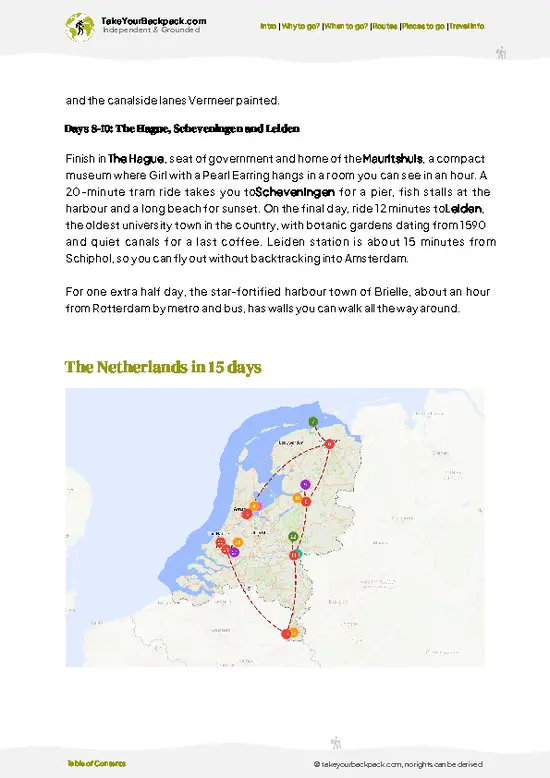
- Abdijkerk (Abbey Church): The Gothic-Baroque church has a marble-heavy interior and a small treasury. Go in the morning when it is quiet. Entry is usually free or a small donation, and a visit takes 30 to 45 minutes.
- Wandelen through the white center: Walk the cobbled lanes around the church and Wijngaard square, where the lime-washed brick houses are densest. Early morning or late afternoon gives the softest light. It is free and takes 1 to 2 hours.
- Museum Land van Thorn: This small local museum covers the former abbey principality and its history. Opening hours are seasonal, so aim for afternoons from spring to autumn. Tickets run about €4 to 6 and a visit takes about 1 hour.
- Kruidentuin (herb garden): A tidy garden beside the church with medicinal and kitchen herbs. It is best from May to
- Abdijkerk (Abbey Church): The Gothic-Baroque church has a marble-heavy interior and a small treasury. Go in the morning when it is quiet. Entry is usually free or a small donation, and a visit takes 30 to 45 minutes.
- Wandelen through the white center: Walk the cobbled lanes around the church and Wijngaard square, where the lime-washed brick houses are densest. Early morning or late afternoon gives the softest light. It is free and takes 1 to 2 hours.
- Museum Land van Thorn: This small local museum covers the former abbey principality and its history. Opening hours are seasonal, so aim for afternoons from spring to autumn. Tickets run about €4 to 6 and a visit takes about 1 hour.
- Kruidentuin (herb garden): A tidy garden beside the church with medicinal and kitchen herbs. It is best from May to September when the plants are in bloom. It is usually free and takes 20 to 30 minutes.
- Maas riverside by bike: Rent a bike locally or bring your own and ride the river paths and lakes east of town. Summer mornings are best. Rental costs about €12 to 18 a day, and a loop takes 2 to 3 hours.
Spotted a mistake or missing something? Contact us.

Highlight Running Tour

Guided Tour of Zonneberg Caves in Maastricht

Maastricht Privat Sightseeing City Walk

e-Scavenger hunt Maastricht: Explore the city at your own pace

Maastricht Highlights Tour with an official Maastricht Guide

Maastricht 2-Hour Walking Tour | Discover The City With A Local

Discover Maastricht with a self-guided Outside Escape city game

Maastricht through Local eyes! A tour with a Smile!

Medieval Adventure in Maastricht: Quest Experience

 Best Backpacking
.jpg) Hi, I’m Johan (Netherlands 🇳🇱), the creator of TakeYourBackpack. Over the past 3 decades, I’ve backpacked through 90+ countries across six continents, gaining extensive experience with independent travel, long-term trips, and overland routes.
Hi, I’m Johan (Netherlands 🇳🇱), the creator of TakeYourBackpack. Over the past 3 decades, I’ve backpacked through 90+ countries across six continents, gaining extensive experience with independent travel, long-term trips, and overland routes.