v2.webp)
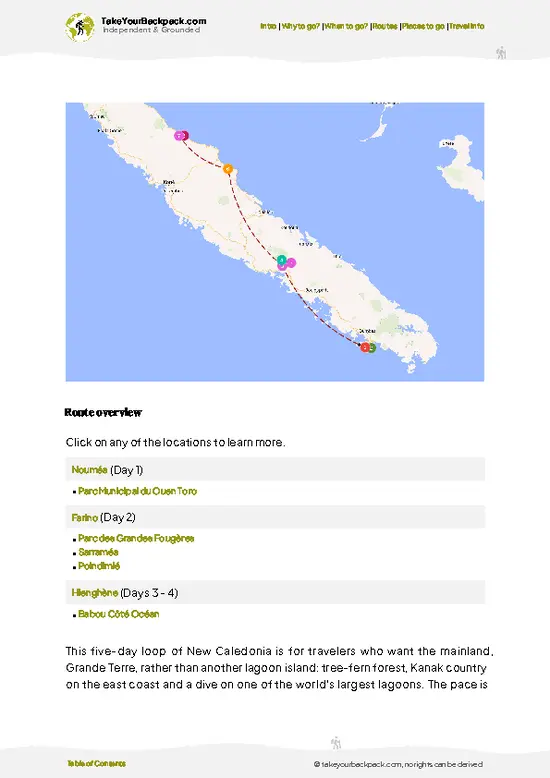
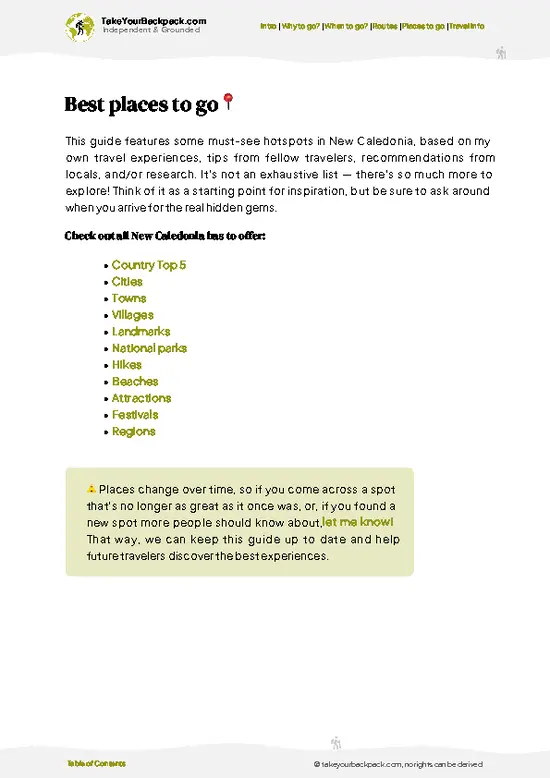
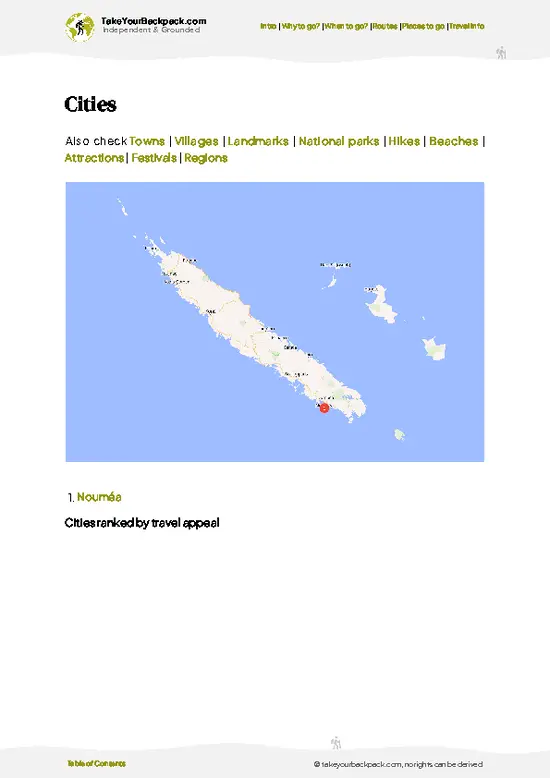
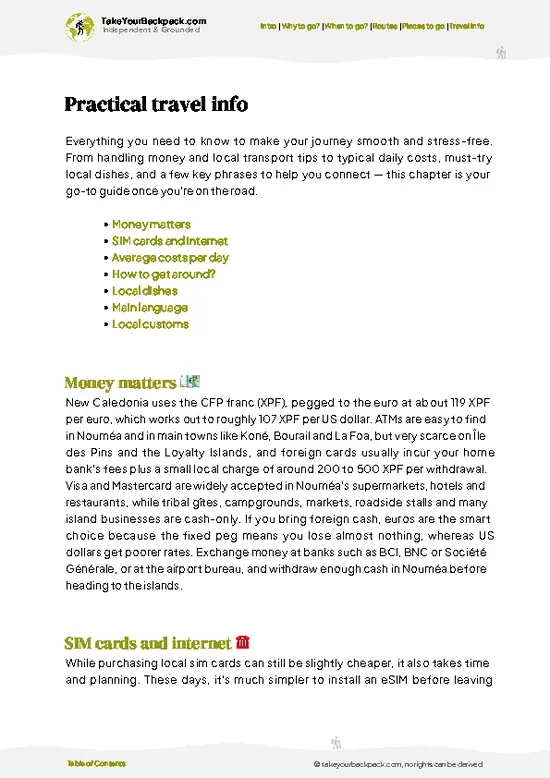
- Ouégoa village center and church: the small village core is the place to see everyday northern life, with a modest church, the town hall and a few shops around the main road. Go in the morning when bakeries and stores are open. Free, about 30 minutes to 1 hour.
- Diahot River banks: the broad river running near the village is lined with niaouli, bamboo and fields, and makes a calm spot for a picnic or a short riverside walk. Late afternoon gives the softest light. Free, 1 to 2 hours.
- Local Kanak tribal areas around Ouégoa: the hills and valleys near the village hold tribal communities, and a polite visit with a local introduction shows gardens, yam fields and traditional huts. Customary etiquette applies, so ask before entering and bring a small gift such as tea or sugar. Costs vary from free
- Ouégoa village center and church: the small village core is the place to see everyday northern life, with a modest church, the town hall and a few shops around the main road. Go in the morning when bakeries and stores are open. Free, about 30 minutes to 1 hour.
- Diahot River banks: the broad river running near the village is lined with niaouli, bamboo and fields, and makes a calm spot for a picnic or a short riverside walk. Late afternoon gives the softest light. Free, 1 to 2 hours.
- Local Kanak tribal areas around Ouégoa: the hills and valleys near the village hold tribal communities, and a polite visit with a local introduction shows gardens, yam fields and traditional huts. Customary etiquette applies, so ask before entering and bring a small gift such as tea or sugar. Costs vary from free to a modest donation, roughly 1 to 3 hours.
Spotted a mistake or missing something? Contact us.

 Best Backpacking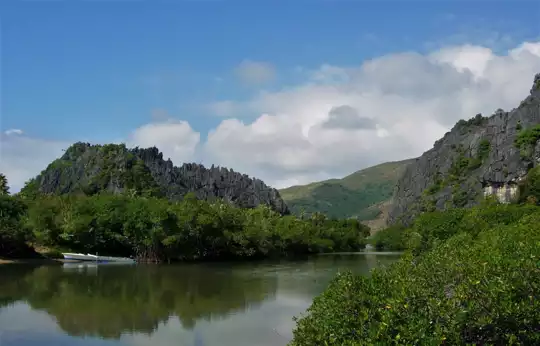
.jpg) Hi, I’m Johan (Netherlands 🇳🇱), the creator of TakeYourBackpack. Over the past 3 decades, I’ve backpacked through 90+ countries across six continents, gaining extensive experience with independent travel, long-term trips, and overland routes.
Hi, I’m Johan (Netherlands 🇳🇱), the creator of TakeYourBackpack. Over the past 3 decades, I’ve backpacked through 90+ countries across six continents, gaining extensive experience with independent travel, long-term trips, and overland routes.