×

New Zealand🇳🇿 | townsKaitaiaFar North supplies, Te Ahu museum, Saturday stalls | things to do and best time to go

Explore Northern IslandExplore Ngongotahā

Backpacking in Kaitaia
👀 For curious travelerstown ranked #18
By Johan Kruseman 🇳🇱 | Updated October 16, 2026

Kaitaia suits travelers heading up to Cape Reinga and Ninety Mile Beach who want a practical base, and it frustrates anyone hunting for nightlife or polish. It sits in the far north of New Zealand, and its main strip is plain. The Far North Regional Museum is worth an hour, the rest is supplies and sleep. I would book a tour or rent a car here, because that unlocks the coast. Hostels are few, so evenings are quiet, though you will meet other travelers over breakfast. Best for road-trippers and beach lovers, least for city seekers.

Discover everything you want to know in the 📖 New Zealand Travel Guide.


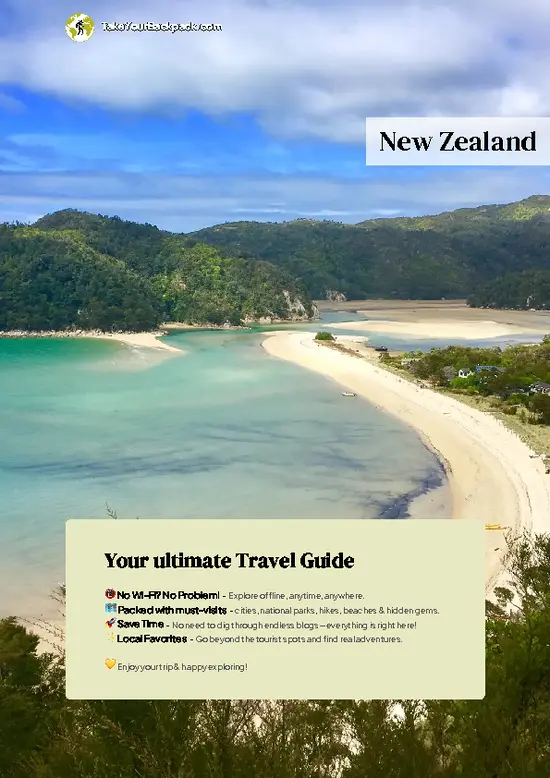
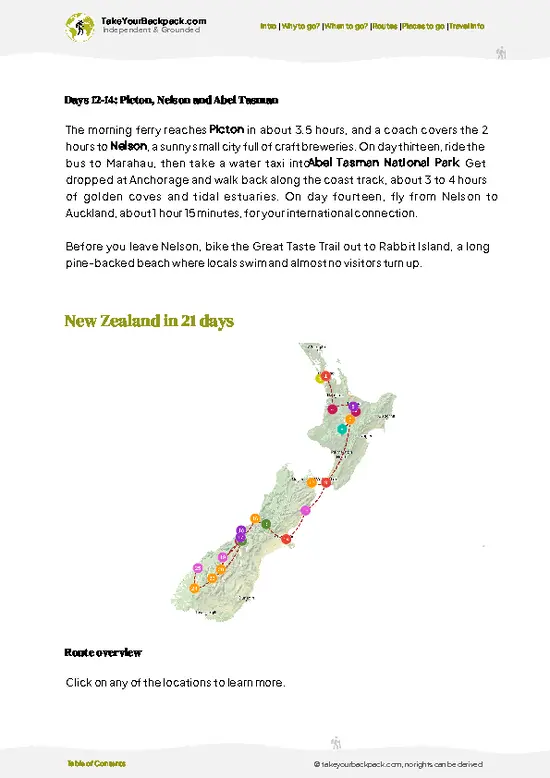
example page 0 from our offline Travel Guide for New Zealand
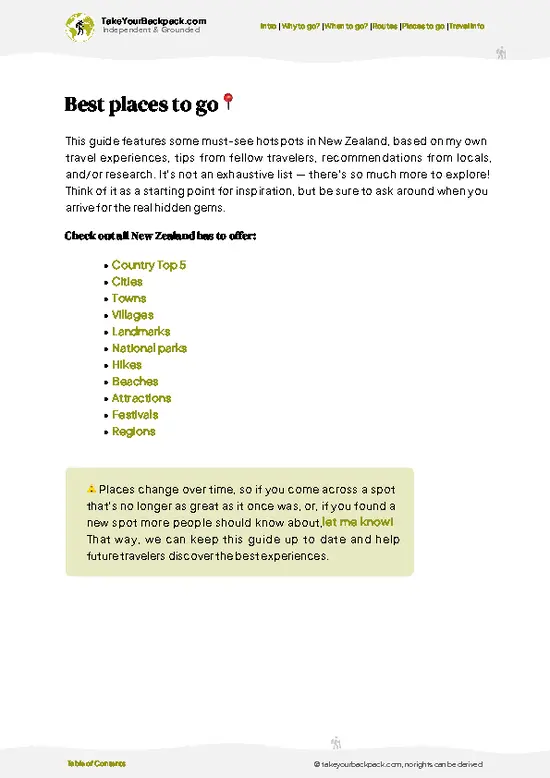
example page 1 from our offline Travel Guide for New Zealand
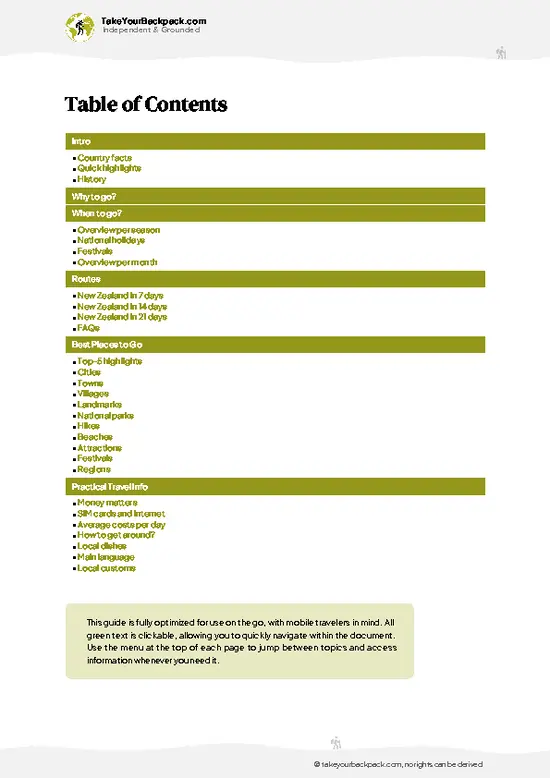
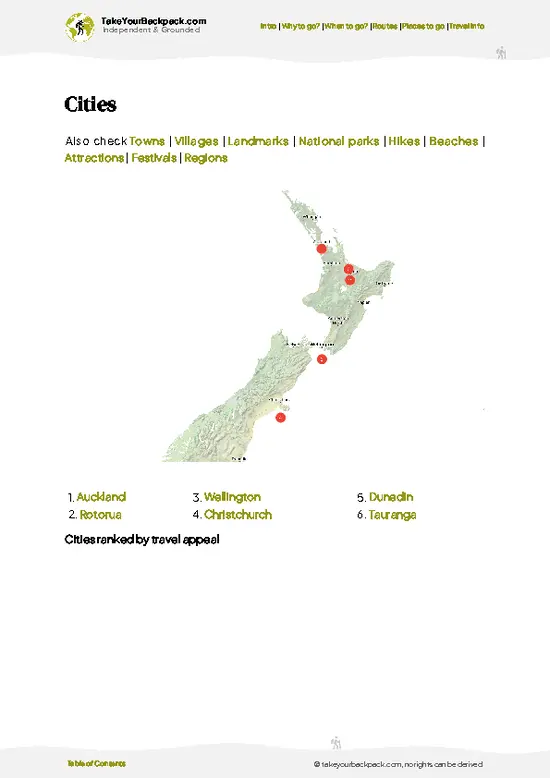
example page 2 from our offline Travel Guide for New Zealand
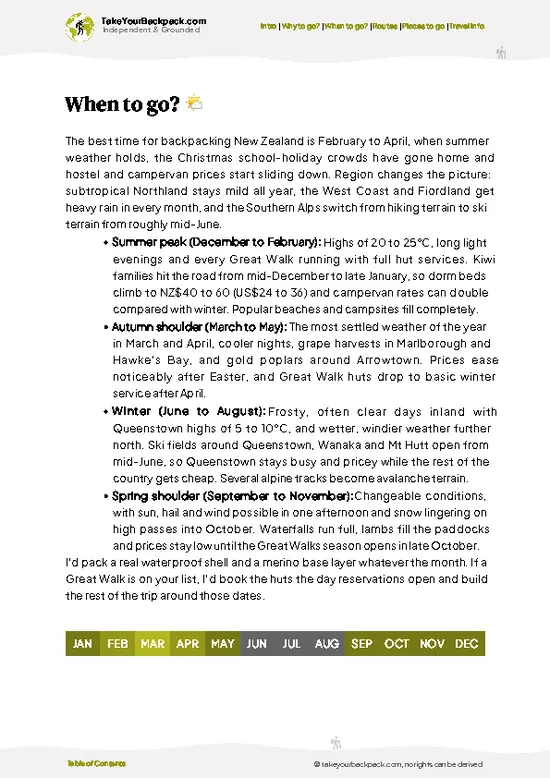
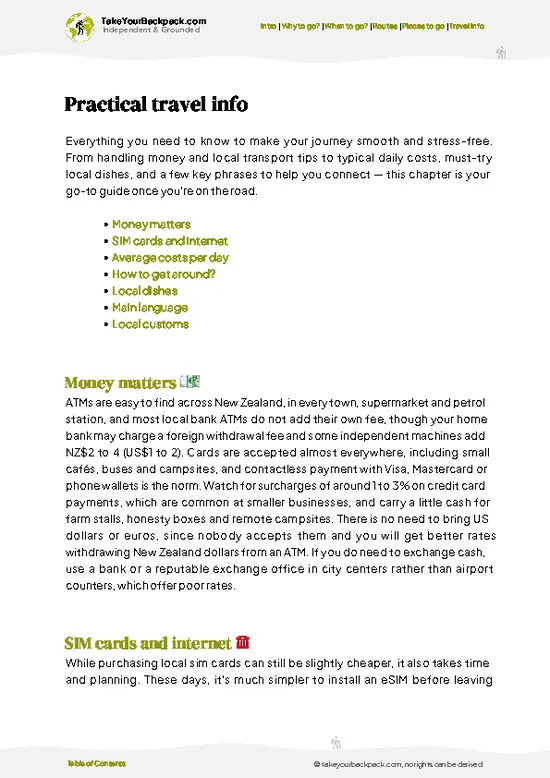
example page 3 from our offline Travel Guide for New Zealand
example page 4 from our offline Travel Guide for New Zealand
example page 5 from our offline Travel Guide for New Zealand
example page 6 from our offline Travel Guide for New Zealand
example page 7 from our offline Travel Guide for New Zealand
Loading the map 🌍
CLICK TO FILTER
cities
towns
villages
landmarks
national parks
hikes
beaches
attractions
festivals
regions
SHOW COUNTRY’S BESTSHOW ALL

✨ Why go?
Ranked #18 town in New Zealand
Why Kaitaia should be on your travel list

Kaitaia earns its place as the last real town before the tip of the island. You stock up at the supermarket, fill the tank, and start early for Ninety Mile Beach and Cape Reinga, both far easier from here than from the east coast. The town has strong Māori roots, and the local Te Ahu center gives that context in one stop. Backpackers usually stay one or two nights, and the social scene is low-key: shared kitchens, early nights. It suits self-sufficient road-trippers and small-group travelers who like quiet. Anyone wanting cafés and bars should keep going.

💡 HighlightsWhat this place is best known for

  1. Te Ahu Museum and Heritage Centre: Combines the local museum, library and gallery. The Māori and settler displays explain the district well. Open Monday to Saturday, entry by donation, 1 to 1.5 hours. Go on a rainy morning.
  2. Kaitaia Saturday market: Local produce, baking and plants, a small-town scene with real locals. Morning is best, 30 to 60 minutes, spend NZ$10 to 20 on snacks.
For day trips, Ninety Mile Beach, Cape Reinga, the Te Paki sand dunes and Ahipara all sit close by. Start at Te Ahu, because the local context makes the coast make more sense.
Spotted a mistake or missing something? Contact us.

Things to do near Kaitaia

Ratings based on Tripadvisor reviews. When you book through this link, you support our work at no extra cost to you.

🏘️ NeighborhoodsUnderstanding the local layout

Kaitaia is small enough that three areas cover everything, and only one needs real time.
  • Commerce Street and the town center: This is the working core, with the supermarkets, cafes, bakeries and takeaways you need for supplies. Fully walkable in 15 minutes. Worth an hour, no more, and the Te Ahu complex with its museum and library is the one stop that earns it.
  • Awanui Road and the northern edge: Fish and chips, motels and petrol stations line the road toward the Far North. It is functional, not scenic, so pass through only when you need it.
  • Ahipara: A beach village about 14 km west, at the southern end of Ninety Mile Beach. Sand dunes, surf and a relaxed pub scene make it the better place to spend your evenings, but you need wheels or a lift to get there.

⌛️ 1 dayHow to make the most of one day

Walk everything in town, then take a car or tour for the coast, with a long break after lunch. 8:00 AM: Main Street breakfast. Grab coffee and a pie at a local bakery, then stroll the murals. 9:00 AM: Te Ahu. Spend an hour with the Māori and local history displays, a short walk away. 12:30 PM: Lunch. Fish and chips or a café sandwich, then rest. 5:00 PM: Supermarket. Buy supplies for tomorrow’s coast run.

🌤️ When to go?Choosing the right time of year

Kaitaia is warmest and driest from December to March, with highs of 24 to 27°C (75 to 81°F) and light past 8:30 pm, but accommodation fills and prices climb around Christmas and January. Winter (June to August) runs 10 to 16°C (50 to 61°F), wet and windy, with roads sometimes flooding, though beds are cheap and the beaches empty. April and November bring mild 18 to 22°C (64 to 72°F) days and thin crowds. Book Cape Reinga tours early if you arrive in January.

source: climatestotravel.comJANJanuary: highly recommended for travelingFEBFebruary: highly recommended for travelingMARMarch: highly recommended for travelingAPRApril: highly recommended for travelingMAYMay: good for travelingJUNJune: fair for travelingJULJuly: fair for travelingAUGAugust: fair for travelingSEPSeptember: good for travelingOCTOctober: highly recommended for travelingNOVNovember: highly recommended for travelingDECDecember: highly recommended for traveling
when-to-go

✈️ The backpacker research shortcutNew Zealand Travel Guide

An offline-friendly backpacking guide with optimized travel routes, ranked highlights, transport advice, and the best areas to stay.
example page 0 from our offline Travel Guide for New Zealand
example page 1 from our offline Travel Guide for New Zealand
example page 2 from our offline Travel Guide for New Zealand
example page 3 from our offline Travel Guide for New Zealand
example page 4 from our offline Travel Guide for New Zealand
example page 5 from our offline Travel Guide for New Zealand
example page 6 from our offline Travel Guide for New Zealand
example page 7 from our offline Travel Guide for New Zealand
The digital guide (327 pages) contains:
✅ 110 highlights, ranked by travel appeal
✅ Optimized 7, 14 & 21-day travel routes
✅ Cities, national parks, landmarks, beaches
✅ How to get around
✅ Offline-friendly for travel without Wi-Fi
👉 Click to see all 30+ guide features

📅 Plan smarter in minutes, not weeks
✅ Month by month travel advice
✅ Festivals & national holidays
✅ Budget expectations

🗺️ Go to the right places, skip the overrated ones
✅ Honest pros & cons of destinations
✅ Top hikes, parks & viewpoints
✅ Lesser-known places most travelers miss
✅ Clear “worth it vs skip it” guidance

🛏️ Travel smoothly without rookie mistakes
✅ Best areas to stay
✅ Transport systems explained simply
✅ Common scams & safety advice
✅ SIM cards, money & practical tips

🌍 Understand the country, not just visit it
✅ Culture & traditions
✅ Local customs
✅ Festivals worth planning around
✅ Traveler-friendly historical context
✅ Insights that make places more meaningful

📱 Built for real travel conditions
✅ Fully downloadable PDF
✅ Works completely offline
✅ Optimized for phone use
✅ Useful in remote areas & buses
✅ Everything in one place
Stop searching, start planning
Get instant access to your full guide. 30‑day money-back guarantee.
+ Add another guide for just

By proceeding you agree to our terms.
Sent to your inbox immediately after payment • 100% Secure Checkout
Best Backpacking Travel Advisor 2025 tourism awardBest Backpacking
Travel Advisor
2025
What others say about Take Your Backpack Guides:
⭐⭐⭐⭐⭐
Fantastic, amazing amount of information!
⭐⭐⭐⭐⭐
My goodness this is amazing, it's what I've been looking for hats off too you!
⭐⭐⭐⭐⭐
I think this is absolutely BRILLIANT
⭐⭐⭐⭐
Very complete and informative. It's still missing places, but I gotta to commend you
⭐⭐⭐⭐⭐
This is truly amazing, thank you, can't wait to explore it with my kids!
⭐⭐⭐⭐⭐
Awesome resource, thank you!
⭐⭐⭐⭐⭐
This is amazing! Can't wait to explore the ones I haven't seen
⭐⭐⭐⭐
I love this! Well done, great idea.
⭐⭐⭐⭐⭐
Thanks for taking the time to make this gem!
⭐⭐⭐⭐⭐
This might be the best website I've ever seen.
⭐⭐⭐⭐⭐
Congratulations, and thank you so much for your work; it's incredibly valuable.
⭐⭐⭐⭐
In all seriousness I think you did a great job pointing out the important spots
⭐⭐⭐⭐⭐
10/10 very good
⭐⭐⭐⭐⭐
As someone who's only just starting to visit regularly this is awesome, thank you.
⭐⭐⭐⭐
Thank you very much! I'm going to visit my dad, it's going to be very useful!
⭐⭐⭐⭐⭐
This is really cool! We'll be travelling for the first time and this definitely come in handy.
⭐⭐⭐⭐⭐
You are now our minister of culture, congratulations 👨‍💼
⭐⭐⭐⭐⭐
Just wanted to tell you that this is a pearl! Going to follow your recommendations.
⭐⭐⭐⭐⭐
This is so cool. I'll definitely be using the resource for my travels soon.
⭐⭐⭐⭐⭐
This is very impressive! Good work.
⭐⭐⭐⭐⭐
This is an amazing and informative site. Very well done!

🛏️ Where to stay?How to pick the right area

Stay in central Kaitaia if you rely on buses, or in Ahipara if you have a car and want a beach base. The town center has the few hostel and budget motel beds, flat streets, a supermarket and the bus stop, so arrivals and early departures are easy. Nights are quiet, and the main road is the only noise. Ahipara, 20 minutes away, has holiday parks, cabins and a backpacker feel, with surf and sunsets, though shops are minimal and no buses run there. Book ahead from December to February, when the cheap beds disappear.

🚌 Getting aroundHow to get around Kaitaia

The center of Kaitaia is flat and compact, and you can cross it on foot in 15 minutes. Walking stops making sense beyond that, because everything worth seeing (Ahipara, Ninety Mile Beach, Cape Reinga) lies 14 to 110 km away along roads with almost no public transit. Plan around a car, a tour or a hitched ride.
  • Walking: Free and perfectly adequate for the shops, bus stop and Te Ahu. Skip anything else on foot.
  • Rental car or campervan: The best option, about NZ$60 to 120 a day (US$35 to 70). Cape Reinga is roughly 1.5 hours one way. Fuel up in town, since stations further north are sparse.
  • InterCity and Northliner buses: Link Kaitaia with Paihia, Whangarei and Auckland (about 5 to 6 hours to Auckland, from NZ$40 to 80). Services are few, usually one or two a day, so check times.
  • Day tours: Ninety
… read more 👉
The center of Kaitaia is flat and compact, and you can cross it on foot in 15 minutes. Walking stops making sense beyond that, because everything worth seeing (Ahipara, Ninety Mile Beach, Cape Reinga) lies 14 to 110 km away along roads with almost no public transit. Plan around a car, a tour or a hitched ride.
  • Walking: Free and perfectly adequate for the shops, bus stop and Te Ahu. Skip anything else on foot.
  • Rental car or campervan: The best option, about NZ$60 to 120 a day (US$35 to 70). Cape Reinga is roughly 1.5 hours one way. Fuel up in town, since stations further north are sparse.
  • InterCity and Northliner buses: Link Kaitaia with Paihia, Whangarei and Auckland (about 5 to 6 hours to Auckland, from NZ$40 to 80). Services are few, usually one or two a day, so check times.
  • Day tours: Ninety Mile Beach and Cape Reinga tours cost about NZ$150 to 200 and are the sensible choice without a car, since driving on the beach is banned in most rental contracts.
  • Taxi or shuttle: To Ahipara expect NZ$30 to 40. Book ahead, as availability is thin.

👛 Costs (as of 16 October 2026)What things cost and how to budget

Backpacking in Kaitaia costs about US$85 a day in high season, and you pay in New Zealand dollars, converted here to US$.
CategoryBudget RangeLocal Reality
Dorm accommodationUS$24 to 33Hostel dorms run about US$24 to 33 in summer and a little less in winter. Holiday parks with cabins cost more.
MealsUS$22 to 32Supermarket groceries, a bakery pie at US$4 to 6, and a cafe or pub meal at US$14 to 22.
Local transportUS$3 to 8The town is flat and walkable. Day trips north need a car or a tour, so fuel or a share adds up.
Basic activities/entry feesUS$6 to 12Te Ahu museum and gallery entry is modest, and beaches and walks are free.
Miscellaneous expensesUS$5 to 10Laundry, snacks, a coffee and a little data.
Total Daily BudgetUS$85Based on a dorm bed in high season and the upper end of the other rows.
Buy … read more 👉
Backpacking in Kaitaia costs about US$85 a day in high season, and you pay in New Zealand dollars, converted here to US$.
CategoryBudget RangeLocal Reality
Dorm accommodationUS$24 to 33Hostel dorms run about US$24 to 33 in summer and a little less in winter. Holiday parks with cabins cost more.
MealsUS$22 to 32Supermarket groceries, a bakery pie at US$4 to 6, and a cafe or pub meal at US$14 to 22.
Local transportUS$3 to 8The town is flat and walkable. Day trips north need a car or a tour, so fuel or a share adds up.
Basic activities/entry feesUS$6 to 12Te Ahu museum and gallery entry is modest, and beaches and walks are free.
Miscellaneous expensesUS$5 to 10Laundry, snacks, a coffee and a little data.
Total Daily BudgetUS$85Based on a dorm bed in high season and the upper end of the other rows.
Buy food at the supermarket and cook in your hostel kitchen to keep meals near the bottom of the range.
⚠️ Prices can change and everyone travels differently, so take this as a rough guide. Hope it helps you plan your adventure!

🚌 Day tripsWhere to go beyond the main area

Kaitaia works well as a base because the far north's headline sights are all a day's drive away, but public transport is thin, so wheels or a tour matter.Cape Reinga and Ninety Mile Beach: The country's northern tip is about 1.5 hours each way by car, or a full-day tour for NZ$150 to 200 that returns along the sand. Go on a clear morning for the lighthouse and the meeting of the Tasman Sea and Pacific. Bring food, as little is sold on the way.
Ahipara and the Shipwreck Bay dunes: A 20-minute drive brings you to Ahipara, where you can hike the gumboot-clay Ahipara Gumfields or board down dunes. Costs stay low, around NZ$20 to 50 for gear or fuel. Time it for low tide, which many first-timers miss.
Rawene and the Hokianga Harbour: Expect about 1 to 1.5 hours to Rawene via Mangamuka Gorge. Take … read more 👉
Kaitaia works well as a base because the far north's headline sights are all a day's drive away, but public transport is thin, so wheels or a tour matter.Cape Reinga and Ninety Mile Beach: The country's northern tip is about 1.5 hours each way by car, or a full-day tour for NZ$150 to 200 that returns along the sand. Go on a clear morning for the lighthouse and the meeting of the Tasman Sea and Pacific. Bring food, as little is sold on the way.
Ahipara and the Shipwreck Bay dunes: A 20-minute drive brings you to Ahipara, where you can hike the gumboot-clay Ahipara Gumfields or board down dunes. Costs stay low, around NZ$20 to 50 for gear or fuel. Time it for low tide, which many first-timers miss.
Rawene and the Hokianga Harbour: Expect about 1 to 1.5 hours to Rawene via Mangamuka Gorge. Take the short vehicle ferry across the harbor to Kohukohu (about NZ$25 for a car) and enjoy the old timber villages. Summer is best.

🛡️ SafetyScams, Hazards, and Annoyances

Kaitaia is broadly safe, and most trouble involves property, not people. Lock vehicles and keep valuables out of sight at beach car parks around Ahipara and Cape Reinga, where break-ins from parked rental cars happen. Evenings in the town center are quiet, and solo travelers generally walk back without issue, though the streets empty early. The bigger hazards are natural: Ninety Mile Beach has fast tides and soft sand that swallow cars, and surf rips are strong, so swim only where locals do and check tide times.

FAQFrequently asked questions about Kaitaia

Kaitaia is worth a night or two mainly as a gateway, since the town itself is modest. The draw is what lies around it: Ninety Mile Beach, Cape Reinga about 1.5 hours north, and the Ahipara dunes 20 minutes west. Come for the landscapes and Maori heritage, not the streets.
Two days suits most travelers, one for Cape Reinga and Ninety Mile Beach and one for Ahipara or the Hokianga. Add a third if you want to hike the Gumfields or surf. Use a full day for a tour, which costs about NZ$150 to 200.
Kaitaia is too far from Auckland, about 5 to 6 hours by road, for a day trip, so plan to sleep at least one night. It is more realistic from Paihia or Kerikeri, roughly 1.5 hours away, though even that is a long day. Buses run only once or twice daily, so a car makes it easier.
⚠️ Things can change over time, so always validate details locally before you go.

Other New Zealander towns near Kaitaia

Explore more nearby:

  • Kerikeri—Stone Store, citrus country, Rainbow Falls| 64 km away
  • Whangārei—Harbor basin, kauri boardwalks, Manaia summit| 118 km away
  • Thames—Gold-rush mines, Pollen Street pubs, Firth mudflats| 305 km away

💡 Not sure where to go next?
Create a personalized itinerary for New Zealand including Kaitaia and the places that fit your trip.

Generate my itinerary

👉 Discover all towns

Or checkout all New Zealand has to offer (think cities, towns, villages, national parks, hikes, beaches, festivals)
Country photo of New Zealand

We 💚 feedbackIs it worth it?

Come in early morning or late afternoon, when the light on the plain is soft and the roads are quiet. I would sleep here and leave at dawn for the cape. Kaitaia is not the destination, but it makes the destination possible.

✈️ When did I visit New Zealand?
All the way back in high school I have been visiting the North Island of New Zealand (1993).

✍️ Help improve this page!
The information on this page is based on my own backpacking experience in New Zealand, supplemented with up-to-date research and feedback from other travelers. Travel details can change, so if you notice anything outdated or incomplete, feel free to let me know.


🙋‍♂️ Give feedback

👋 Meet the founderWho’s Behind Take Your Backpack?

Johan, backpacker and founder of TakeYourBackpackHi, I’m Johan (Netherlands 🇳🇱), the creator of TakeYourBackpack. Over the past 3 decades, I’ve backpacked through 90+ countries across six continents, gaining extensive experience with independent travel, long-term trips, and overland routes.

This site is built on a combination of firsthand travel experience and carefully curated insights from other backpackers. Many guides are based on places I’ve personally visited, while others bring together tips, observations, and practical advice shared by trusted travelers I’ve met along the way.

The goal is to provide realistic, experience-driven guidance — not generic itineraries — so you can explore destinations with better context, clearer expectations, and more confidence.